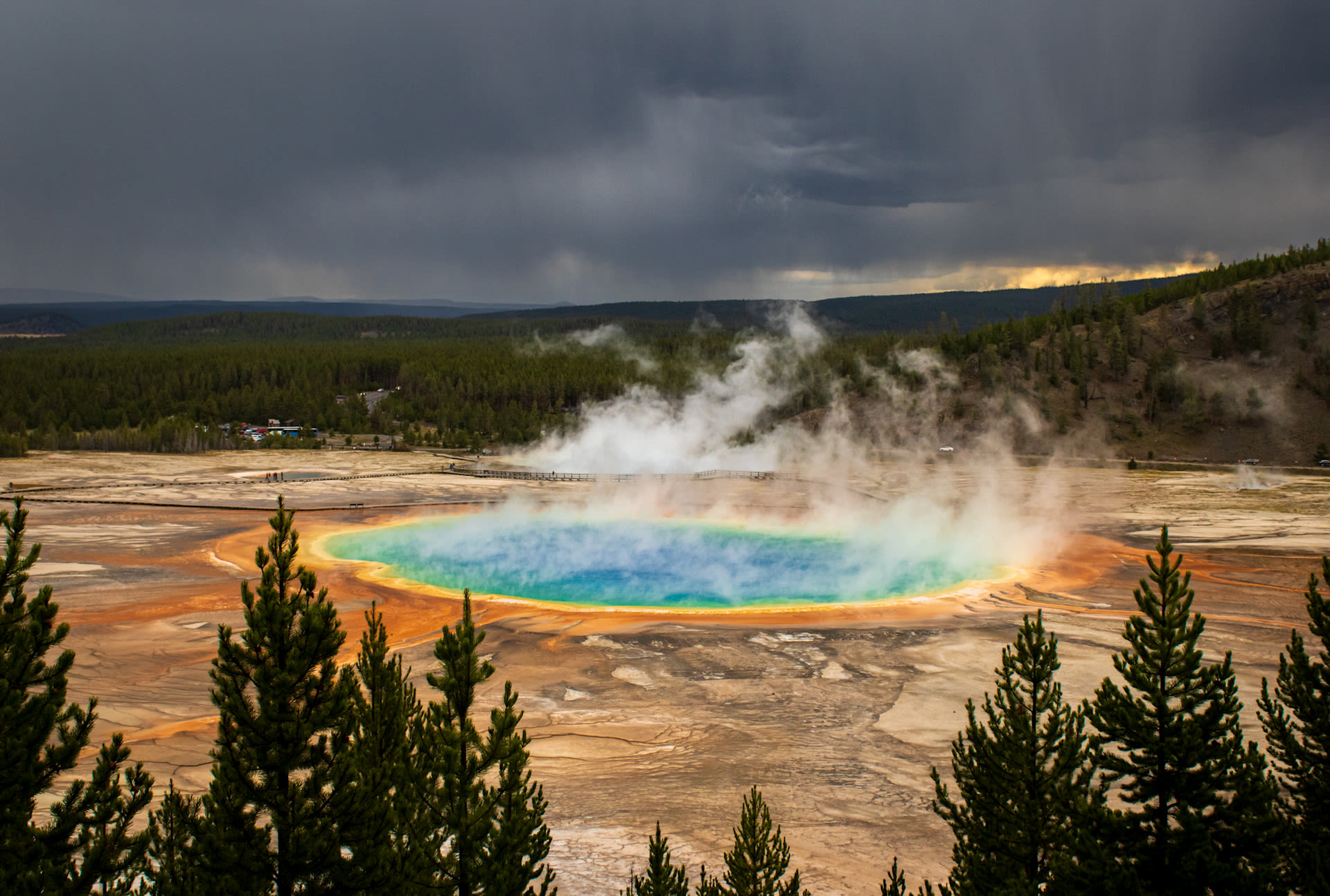
Researchers using machine learning analyzed 15 years of seismic data beneath Yellowstone and uncovered over 86,000 earthquakes, ten times more than previously known, providing new insights into the volcanic activity and improving hazard prediction.
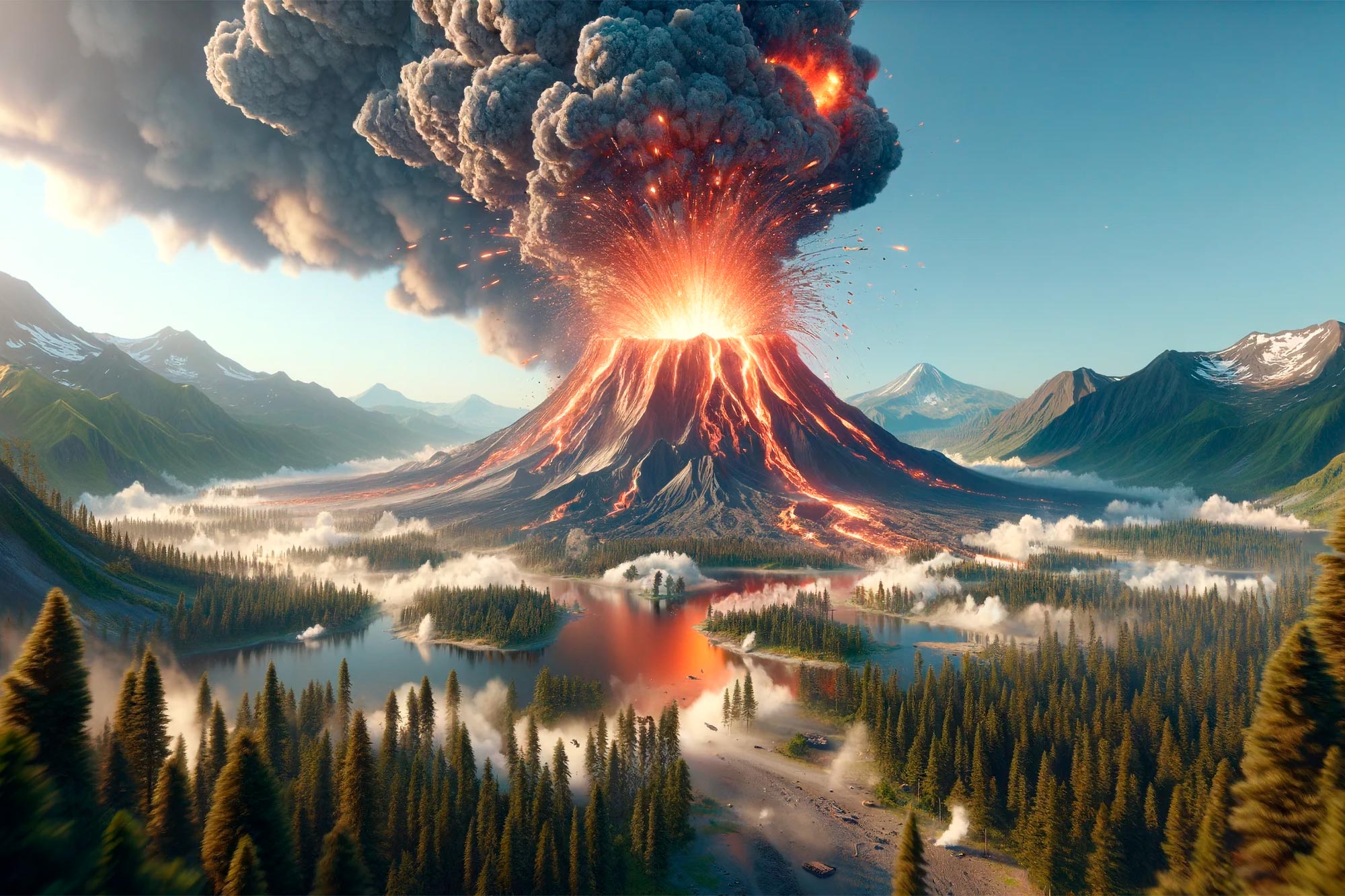
Researchers studying the Ciomadul volcano have uncovered valuable insights into the reactivation and eruption forecasting of long-dormant volcanoes. By analyzing the chemical and mineral composition of the magma, they discovered that even after tens of thousands of years of dormancy, a volcano can rapidly become active and pose a previously unknown threat. The study highlights the importance of understanding the signs before a volcano erupts and the potential dangers of inactive volcanoes.
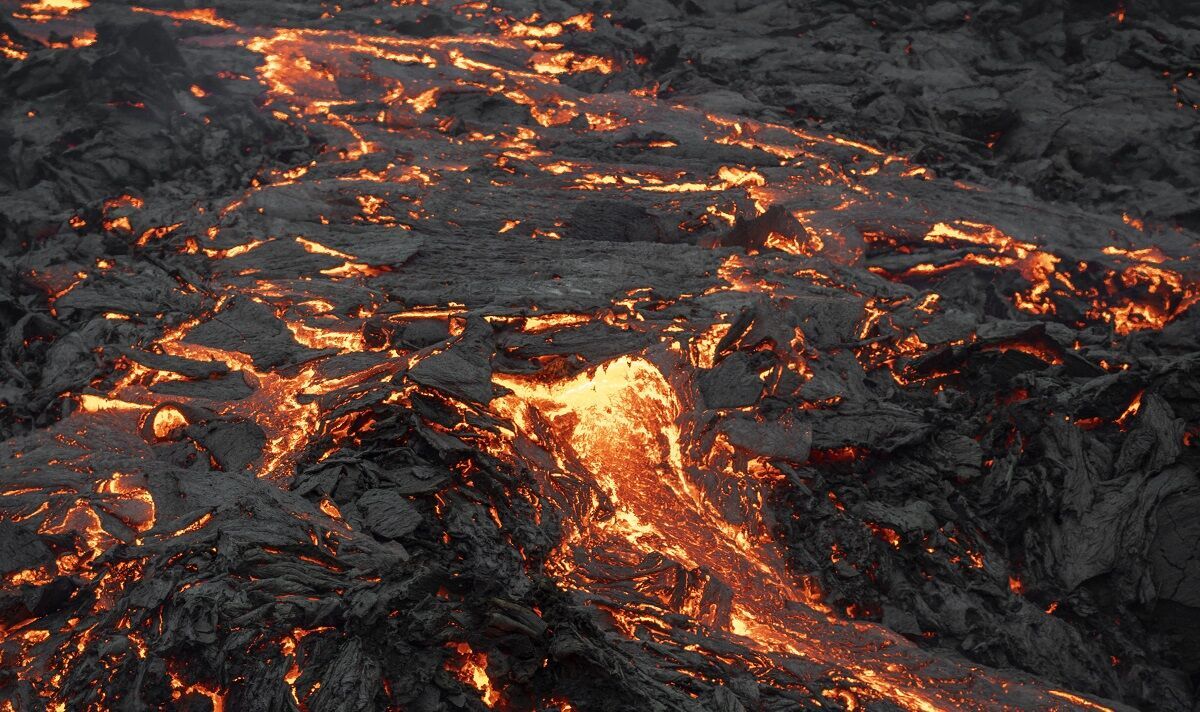
Small lava eruptions in the Yellowstone volcano caldera are "more dramatic" than previously thought, occurring in clusters and making them "still a big deal," according to a new study. These intracaldera eruptions, although smaller in volume compared to caldera-forming eruptions, have filled in much of the Yellowstone caldera. Geologists have refined the timeline of volcanic activity in Yellowstone using radiometric dating, revealing that there have been at least 28 rhyolitic intracaldera eruptions since the caldera formed 631,000 years ago. The study highlights that these eruptions are more frequent but less explosive than previously believed, occurring in groups over a short duration.
Scientists studying Yellowstone's volcanic history have gained new insights into the timing and nature of the park's rhyolite eruptions. Using a radiometric dating technique called 40Ar/39Ar geochronology, researchers found that the most recent stage of intracaldera rhyolite eruptions occurred in five brief episodes between 160,000 and 71,000 years ago. These episodes involved multiple eruptions spread out over several kilometers and released between 10 km3 and 130 km3 of magma. The findings suggest that intracaldera eruptions are more dramatic and less frequent than previously thought, with implications for understanding volcanic hazards at Yellowstone.