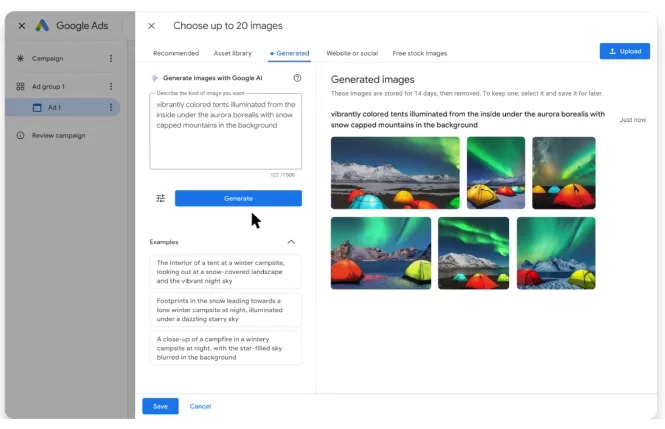
Google is integrating generative AI into Demand Gen campaigns, allowing advertisers to create custom visuals for their promotions in various Google ad formats. The new generative image tools enable more efficient testing of creative concepts and the creation of tailored visuals for specific campaign types. This could help enhance the effectiveness of ad promotions by providing custom visuals aligned with size requirements and product placement, though the primary generation process focuses on creating visuals from prompts.
OpenAI has released a music video generated by its Sora AI, which can create multi-shot clips from text prompts. Musician August Kamp, given early access to Sora, described it as a turning point for artists, allowing limitless visual possibilities. The video, "Worldweight," is described as a surreal journey through a rain-soaked mind. OpenAI plans to gradually release Sora to the public this year, pending security considerations, potentially opening up new avenues for visual storytelling.
Google has updated its Web Stories documentation to reflect changes in availability, with Web Stories no longer appearing in Google Images. The visual short content form, designed for quick consumption, is now available in Google Search and Discover, with a shift from grid view to carousel view in search results. The update emphasizes Web Stories as a part of Google Search and outlines their availability in different regions and languages.
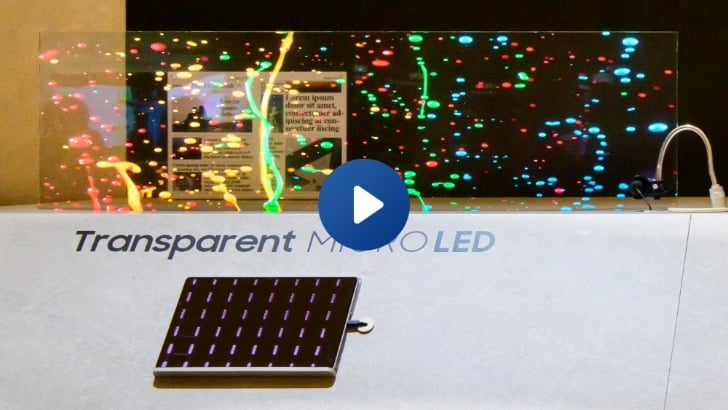
Samsung Electronics unveiled its new Transparent MICRO LED display at Samsung First Look 2024, ahead of CES 2024, showcasing a futuristic design that blurs the line between content and reality. The crystal-clear, glass-like display promises to revolutionize viewing experiences, making everything from sports to movies more vivid and immersive.
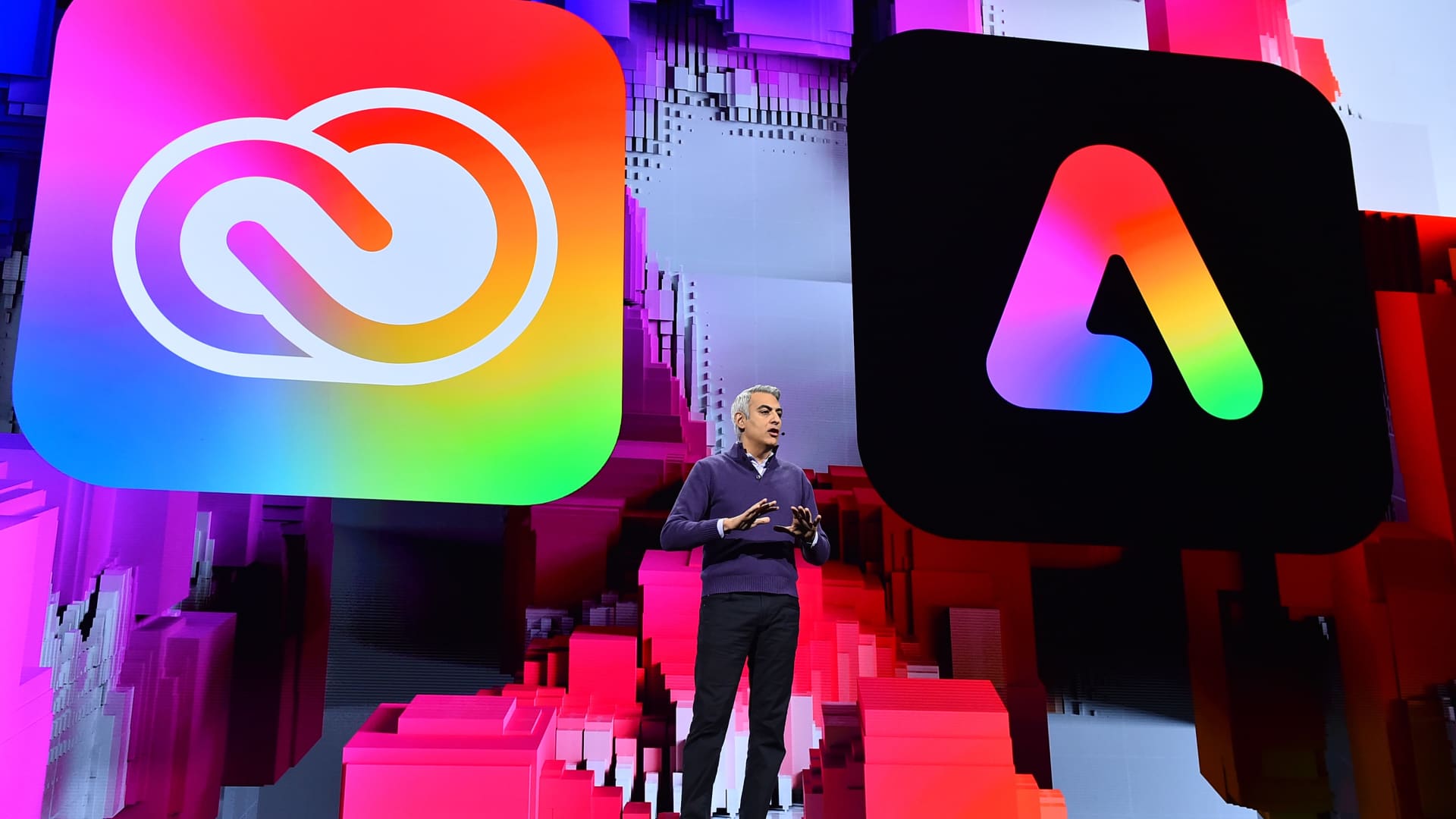
Graphic designers are recognizing the value of generative artificial intelligence (AI) tools, such as OpenAI's DALL-E and Adobe's Firefly, in meeting the growing demand for visual content. While concerns exist that AI may replace creative professionals, designers are leveraging the current limitations of the technology, which relies on human prompts for optimal results. AI is seen as a tool to enhance the creative process, saving time and scaling workloads. However, designers emphasize the importance of maintaining the upper hand over AI by using it as part of a larger creative process and infusing it with purpose and originality. Legal complexities surrounding copyright and ownership of AI-generated artwork remain unresolved. Adobe's integration of generative AI tools into its products, such as Photoshop's AI Generative Fill, is making a significant impact in the industry. Overall, designers view AI as a playground for experimentation and a means to better understand its potential applications.