Tag

Vikram Lander

All articles tagged with #vikram lander

"NASA's Laser 'Pings' Chandrayaan-3 Lander on Moon, Paving the Way for Precise Lunar Landings"
space2 years ago

"NASA's Laser 'Pings' Chandrayaan-3 Lander on Moon, Paving the Way for Precise Lunar Landings"

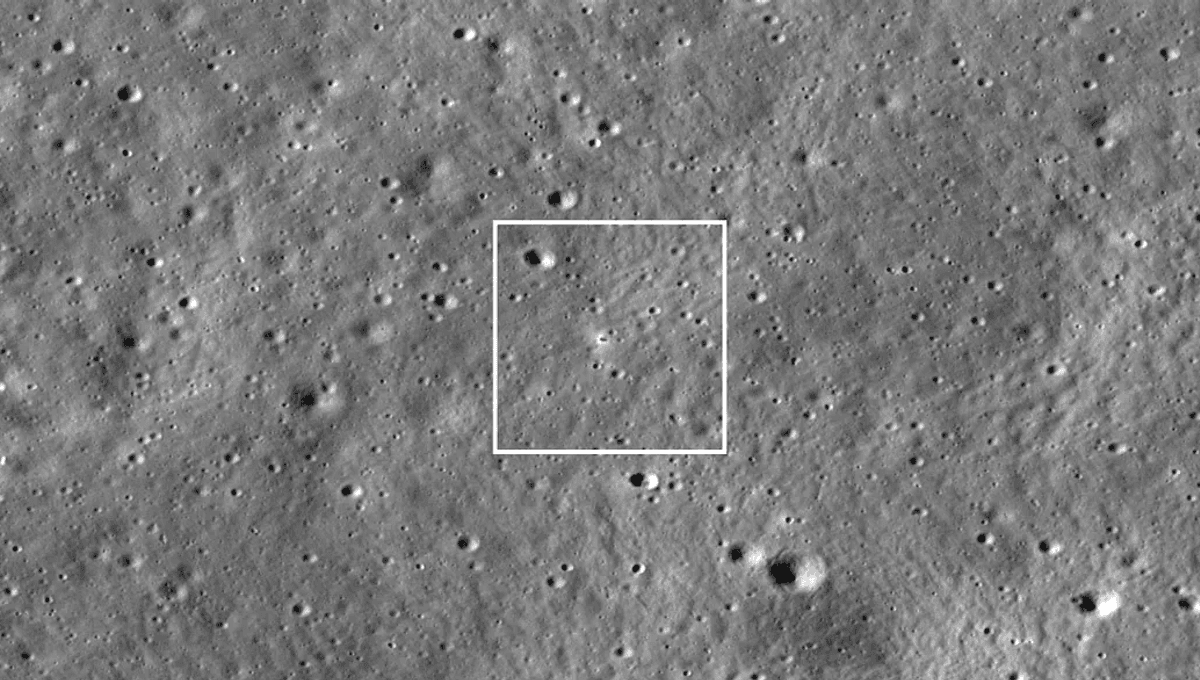
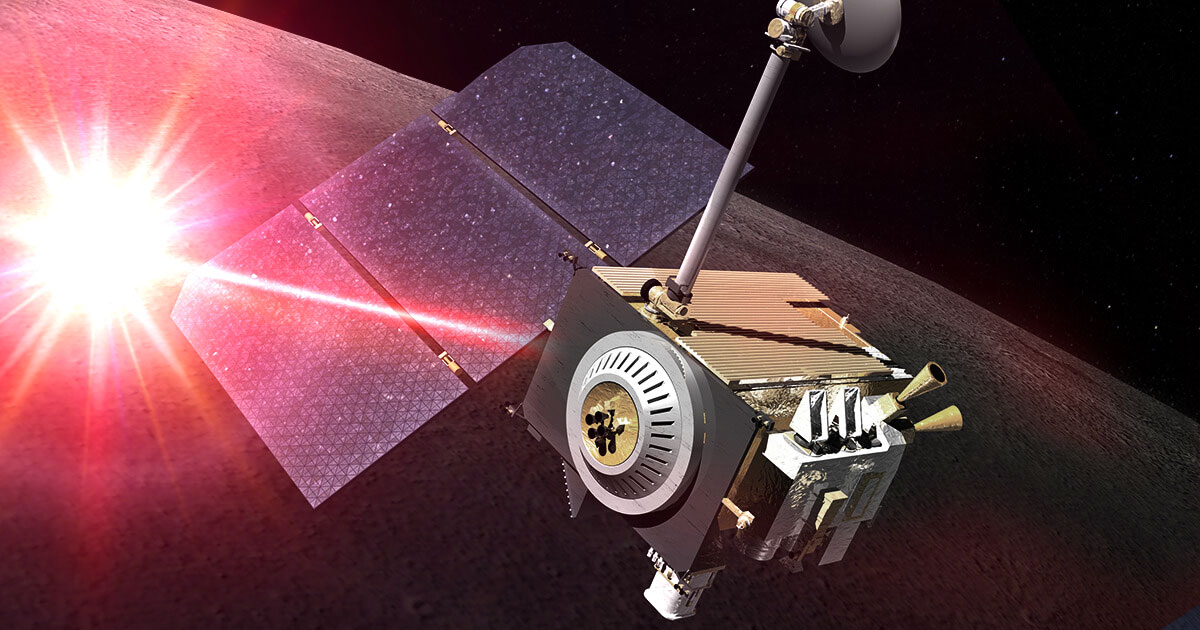
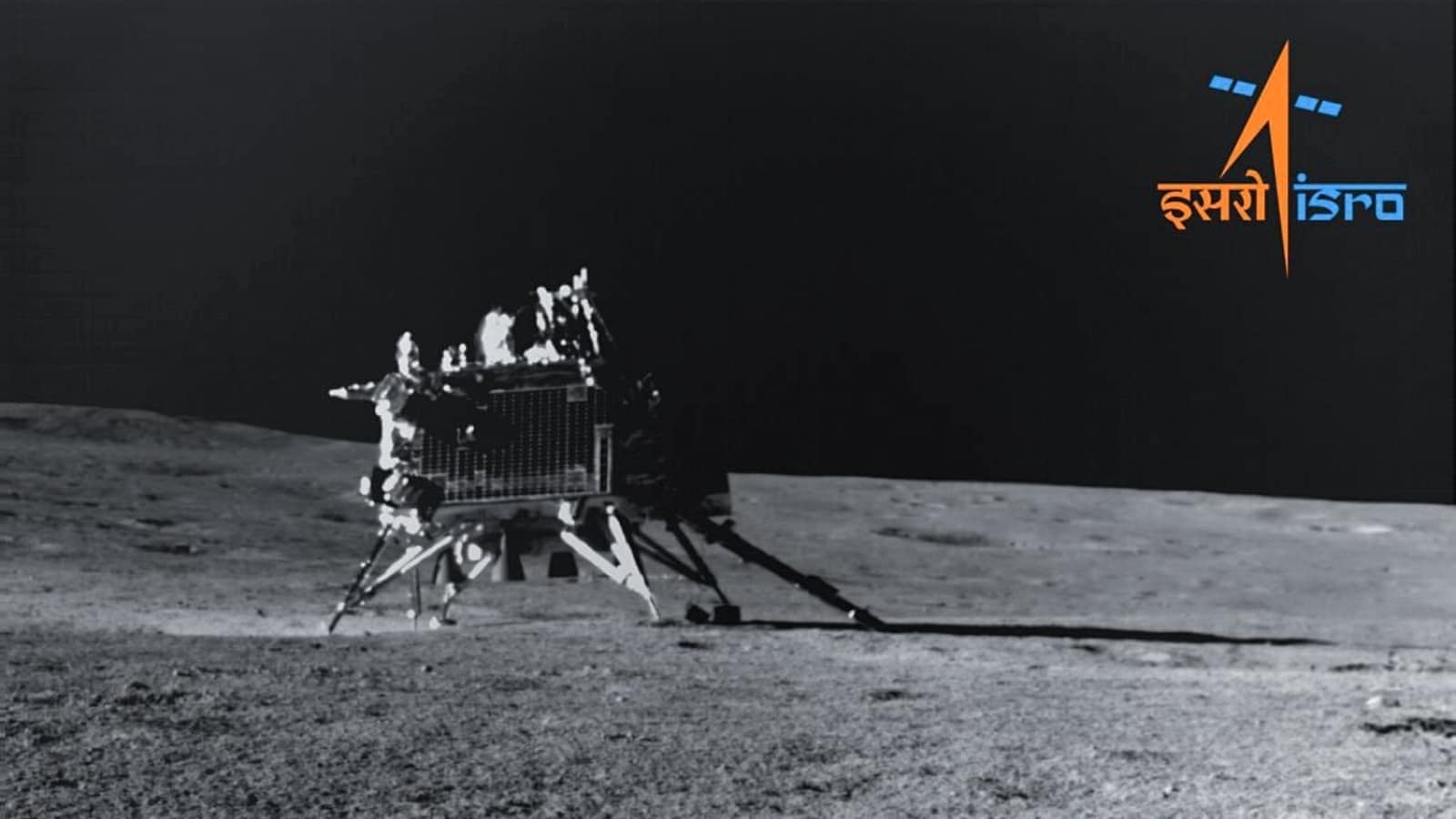
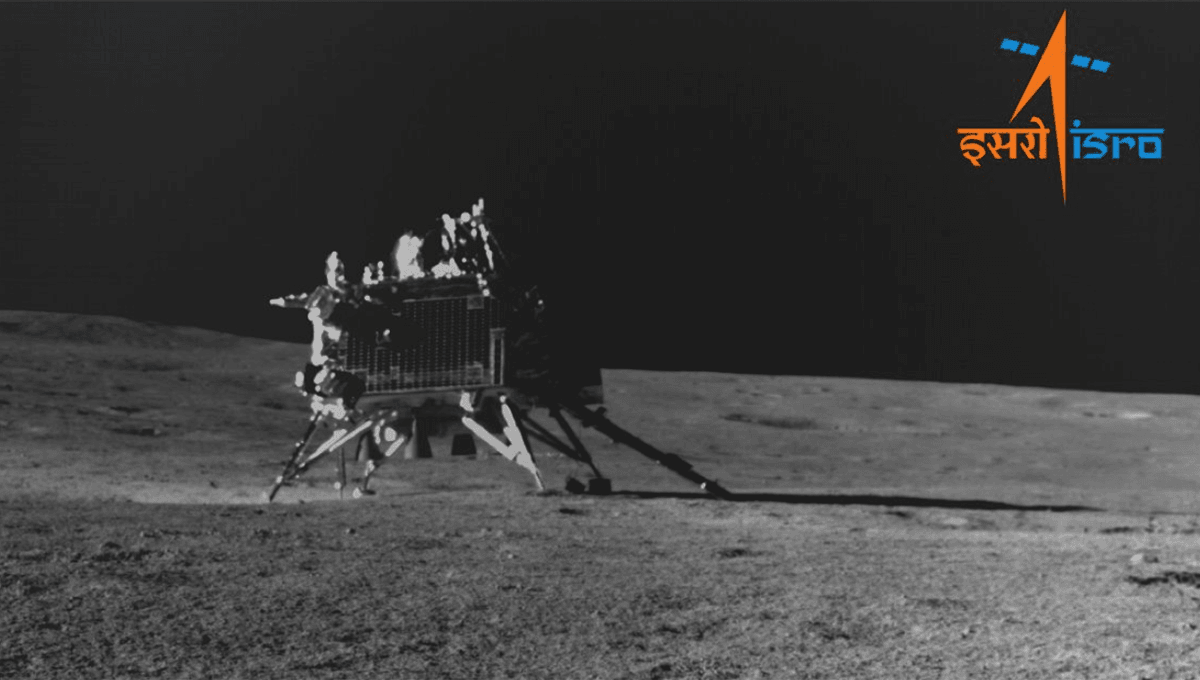
A NASA spacecraft orbiting the Moon has successfully pinged India's Chandrayaan-3 mission's Vikram lander using a laser instrument, marking a new way to precisely locate targets on the Moon's surface. The laser beam was transmitted and reflected between the Lunar Reconnaissance Orbiter and the lander, demonstrating the potential for this technique in future lunar missions. The retroreflector on the lander, developed in partnership between NASA and ISRO, has been used to measure the Moon's distance from Earth and is now serving as a fiducial point on the Moon.
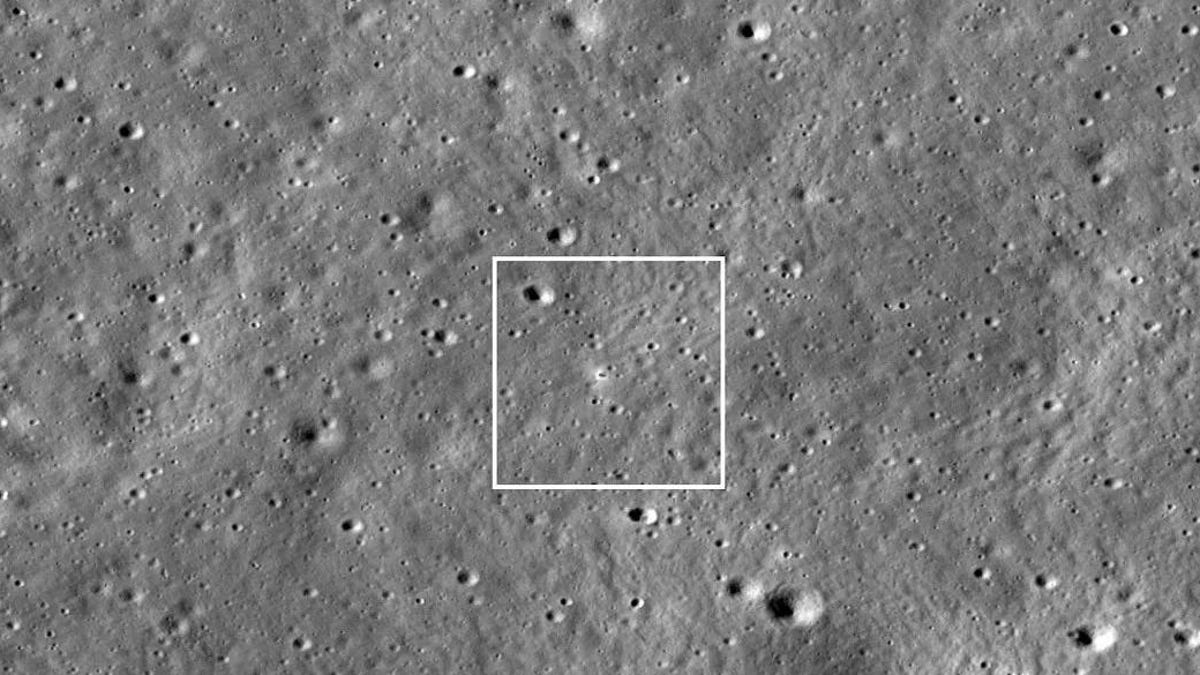
"NASA's Laser Communication with Chandrayaan-3: Paving the Way for Precise Lunar Landings"
spacescience-and-technology2 years ago

"NASA's Laser Communication with Chandrayaan-3: Paving the Way for Precise Lunar Landings"

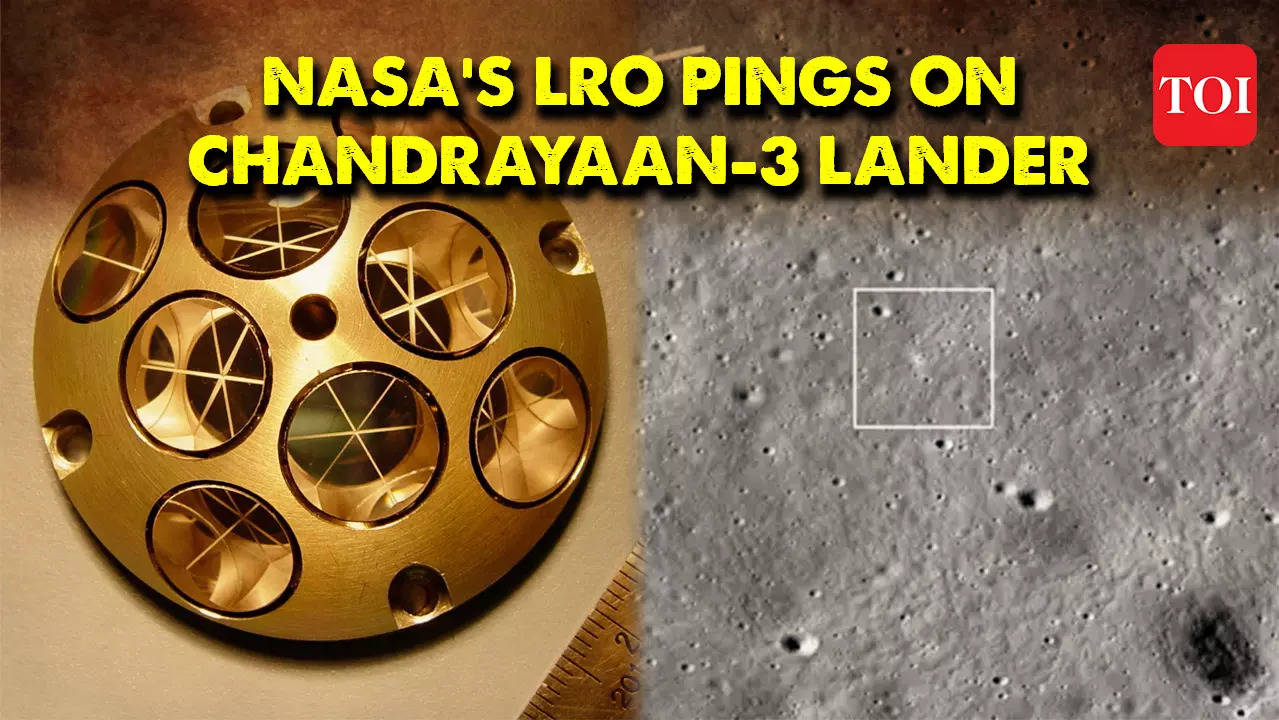
NASA's Lunar Reconnaissance Orbiter (LRO) successfully pinged India's Chandrayaan-3 mission's Vikram lander on the Moon using a laser instrument, marking a significant achievement in precisely locating targets on the lunar surface. The laser beam was transmitted and reflected between the LRO and the Oreo-sized device on the lander, demonstrating a new technique for determining precise locations on the Moon. The retroreflector on Vikram, developed in partnership between NASA and ISRO, has begun serving as a fiducial point on the Moon, and the successful ranging has opened up possibilities for future lunar missions to utilize retroreflectors for various scientific and exploration applications.

"Chandrayaan-3's Laser Experiment Paves Way for Safe Moon Landings"
space-exploration2 years ago

"Chandrayaan-3's Laser Experiment Paves Way for Safe Moon Landings"

NASA's Lunar Reconnaissance Orbiter successfully transmitted a laser beam to a retroreflector on India's Vikram lander, marking the first time a moving spacecraft has used a laser to determine the exact location of a stationary object on the lunar surface. This new technique could aid future astronauts in navigating the Moon. The Laser Retroreflector Array, a collaboration between NASA and ISRO, is a small, maintenance-free device that reflects incoming light back to its source. The orbiter's laser altimeter, LOLA, primarily used for mapping the Moon's topography, took eight attempts to contact Vikram's retroreflector, demonstrating the difficulty of precisely targeting a small object from orbit.

"NASA and ISRO's Laser Experiments for Safe Moon Landings"
space-technology2 years ago

"NASA and ISRO's Laser Experiments for Safe Moon Landings"

NASA's Lunar Reconnaissance Orbiter successfully shot a laser at India's Vikram lander on the Moon, hitting a target the size of an Oreo cookie. This scientific experiment aimed to demonstrate the feasibility of locating a stationary object on the Moon's surface from orbit. The laser bounced off a Laser Retroreflector Array on Vikram and was picked up by NASA, showcasing the potential for future lunar missions to use retroreflectors as a crucial technology.

"NASA's Laser Probe Interacts with Indian Moon Lander Chandrayaan-3"
spacetechnology2 years ago

"NASA's Laser Probe Interacts with Indian Moon Lander Chandrayaan-3"

NASA's Lunar Reconnaissance Orbiter (LRO) has successfully used a laser to bounce signals off India's Vikram lander on the Moon's surface, demonstrating a new way to locate objects and determine their exact locations from vast distances. The retroreflector on Vikram, provided by NASA, could revolutionize future landing attempts and space exploration by providing a low-tech solution for navigation in the dark. Despite initial difficulties, the success opens the door for future missions to utilize similar technology, with several landers with NASA retroreflectors already scheduled to attempt Moon landings.

NASA's LRO Uses Laser to Locate Chandrayaan-3's Vikram Lander on Moon
spacescience2 years ago

NASA's LRO Uses Laser to Locate Chandrayaan-3's Vikram Lander on Moon

NASA's Lunar Reconnaissance Orbiter has successfully located ISRO's Chandrayaan-3 Vikram lander near the lunar south pole, 100km away from the orbiter, using a Laser Retroreflector Array (LRA) fitted on the lander. This achievement paves the way for accurately locating targets on the moon's surface and demonstrates international collaboration in space exploration.

NASA's LRO Successfully Beams Laser off Indian Moon Lander
space2 years ago

NASA's LRO Successfully Beams Laser off Indian Moon Lander

NASA's Lunar Reconnaissance Orbiter (LRO) successfully bounced a laser off India's Vikram moon lander, marking a historic first in space communication. The laser light show took place on Dec. 12, 2023, with the orbiter transmitting laser pulses toward the lander and then registering the light that bounced back. This achievement paves the way for future missions to use retroreflectors, with several NASA retroreflectors set to fly aboard public and private moon landers in the near future.

ISRO's Wake-Up Call Goes Unanswered by Chandrayaan-3
space2 years ago

ISRO's Wake-Up Call Goes Unanswered by Chandrayaan-3

The Indian Space Research Organisation (ISRO) will continue its attempts to revive the Vikram lander and Pragyaan rover until the next lunar sunset on October 6. The lander and rover have been unresponsive for 14 Earth days in complete darkness and extremely low temperatures on the Moon's surface. However, scientists are hopeful that as temperatures rise, the possibility of revival will increase. If successful, the mission will have an extended life, allowing for additional experiments and sample collection.

ISRO's Chandrayaan-3: Reviving Vikram lander and Pragyan rover at lunar sunrise
space2 years ago

ISRO's Chandrayaan-3: Reviving Vikram lander and Pragyan rover at lunar sunrise

The Indian Space Research Organisation (ISRO) is preparing to revive the Vikram lander and Pragyan rover of the Chandrayaan-3 mission after two weeks of dormancy during the lunar night. ISRO scientists are hopeful that the equipment will come back to life when the sun rises on the Shivshakti Point. If successful, the modules could continue collecting data from the lunar surface for another 14 days. However, the process is challenging due to the extremely low temperatures on the lunar surface, which can drop to as low as -200°C. Unlike previous spacecraft, the Chandrayaan-3 lander and rover do not have radioisotope heating units (RHUs) to maintain the necessary temperature for equipment functioning. ISRO is working on developing RHUs for future interplanetary missions.

India's Moon Rover Captures Stunning Images of Lunar South Pole Journey
space-exploration2 years ago

India's Moon Rover Captures Stunning Images of Lunar South Pole Journey

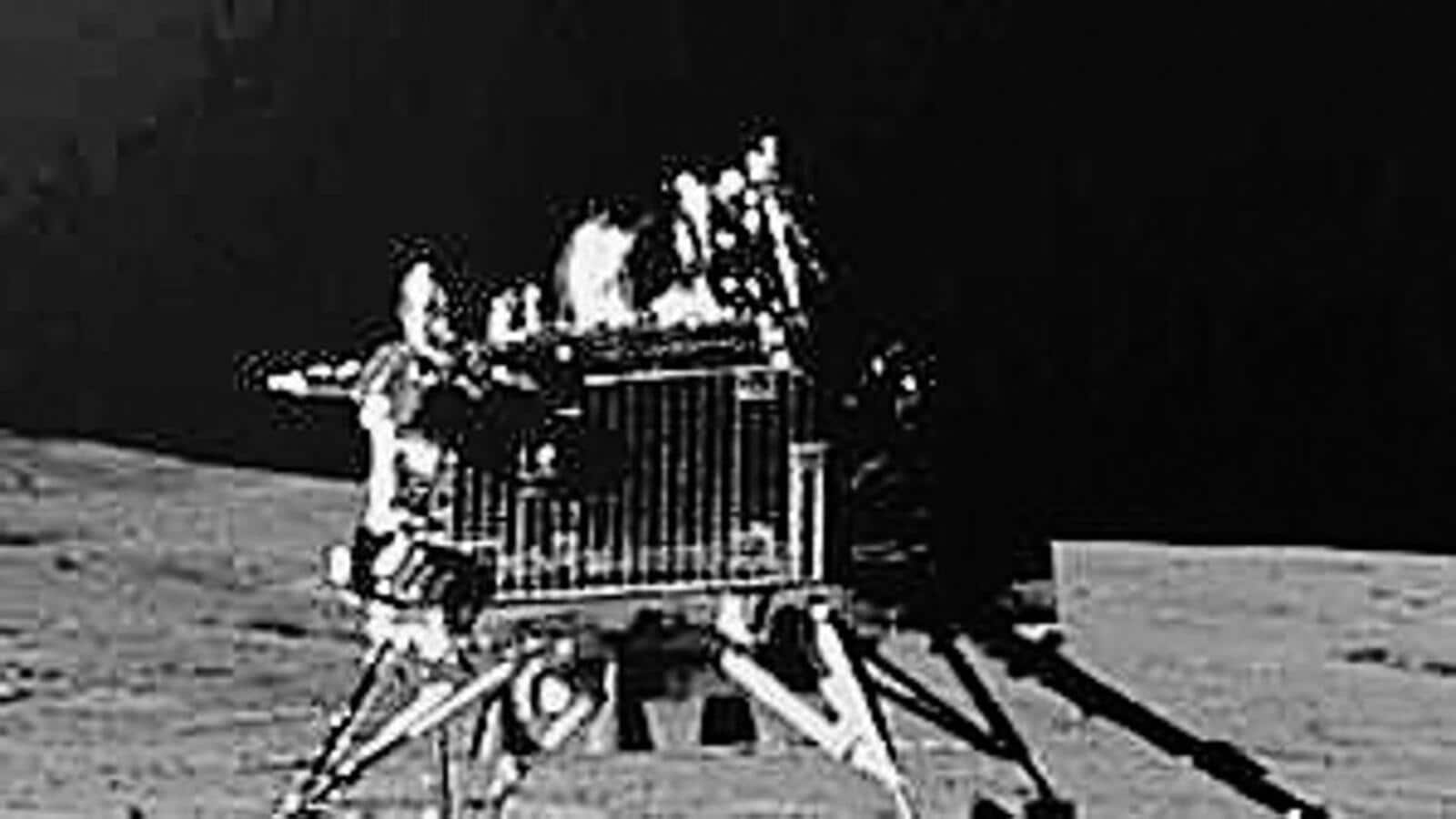
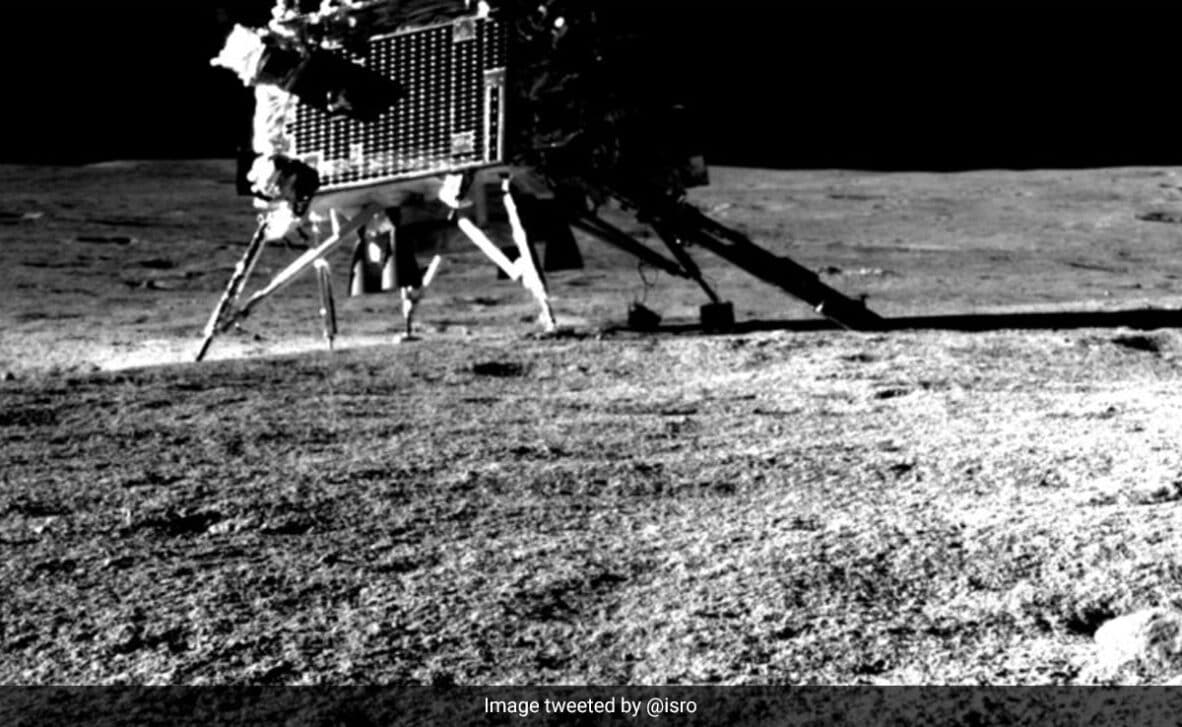
India's Chandrayaan-3 mission successfully landed a rover near the lunar south pole, becoming the fourth nation to do so. The rover has already made significant discoveries, including measuring the temperature and analyzing the composition of the lunar soil. It has also captured a photo of the Vikram Lander that brought it to the Moon. The rover has detected various elements, including sulfur, which could be used to make concrete. The mission will continue its scientific activities, with a planned working life of 14 days.

India's Chandrayaan-3: Captivating Footage and Success in Lunar Exploration
space-exploration2 years ago

India's Chandrayaan-3: Captivating Footage and Success in Lunar Exploration

India's Chandrayaan-3 mission successfully landed on the moon, with the Vikram lander and Pragyan rover expected to operate for two weeks. The Indian space agency released a three-minute video showing the descent and landing process. The rover has already moved 8 meters across the lunar surface, leaving imprints of the Indian space agency's logo and national emblem. The mission marks a significant achievement for India's space exploration efforts.

India's Chandrayaan-3: Close-up Photos and Moon Landing Progress
space2 years ago

India's Chandrayaan-3: Close-up Photos and Moon Landing Progress

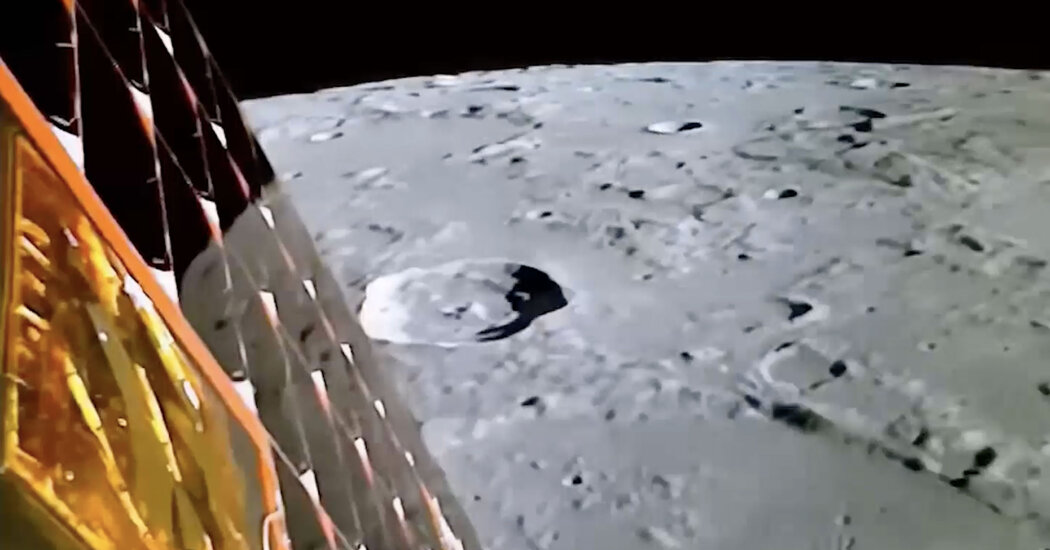
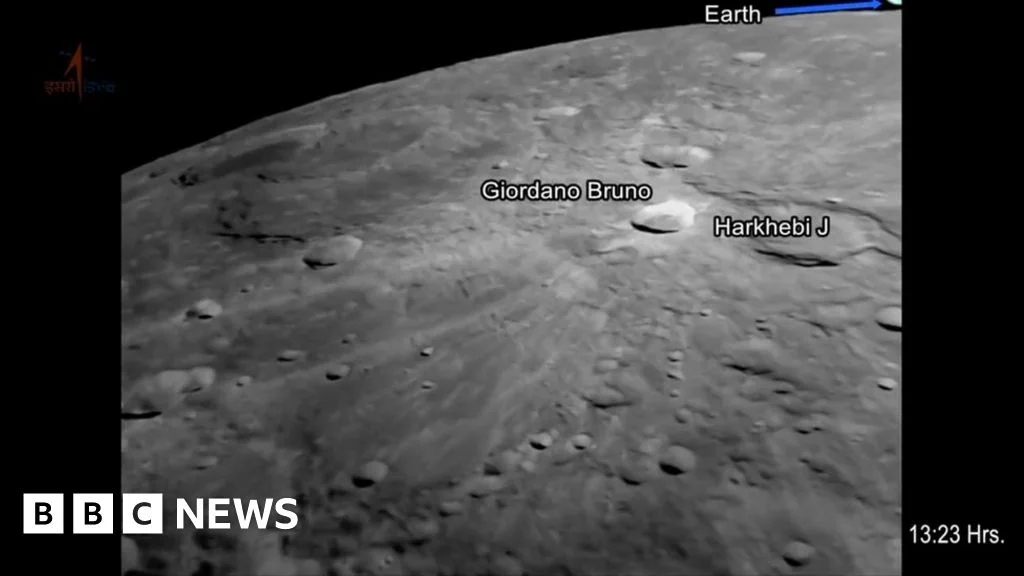
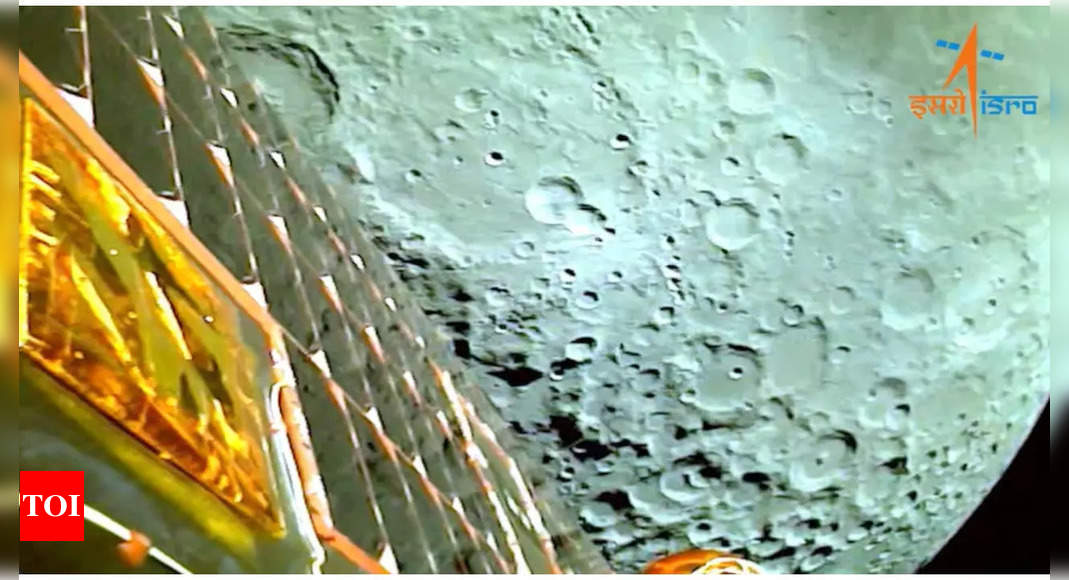
India's lunar lander Vikram, part of the Chandrayaan-3 mission, has sent close-up photos of the Moon's surface as it descends towards the unexplored south pole. The black-and-white images show rocks, craters, and even the propulsion module. Chandrayaan-3 and Russia's Luna-25 are both expected to land near the south pole next week, with Luna-25 aiming for a soft landing just days before the Indian touchdown. If successful, India will become the fourth country to achieve a soft landing on the Moon. The mission's main goal is to search for water ice, which could support future human habitation and serve as propellant for spacecraft heading to Mars and other destinations.

Successful Separation: Chandrayaan-3's Lander Vikram Achieves Intended Orbit
space2 years ago

Successful Separation: Chandrayaan-3's Lander Vikram Achieves Intended Orbit

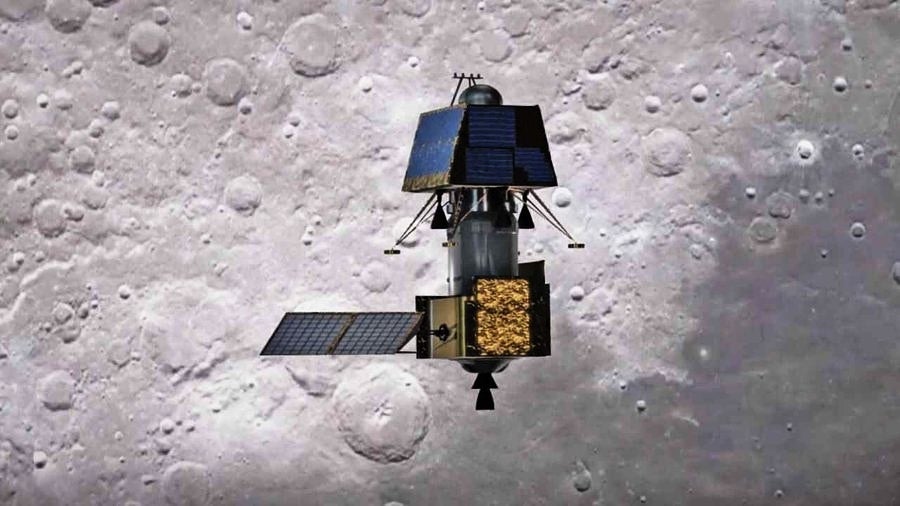
India's Chandrayaan-3 spacecraft has successfully attained its intended orbit around the Moon, with the lander Vikram set to separate from the propulsion module on August 17. The spacecraft will need to achieve a 100-kilometer circular orbit before the final soft landing attempt on the Moon's South Pole on August 23. The new C3 lander has been designed to withstand potential glitches and ensure a successful landing, according to ISRO Chief S. Somnath.

Isro's Plan for Successful Chandrayaan-3 Landing Revealed
space2 years ago

Isro's Plan for Successful Chandrayaan-3 Landing Revealed

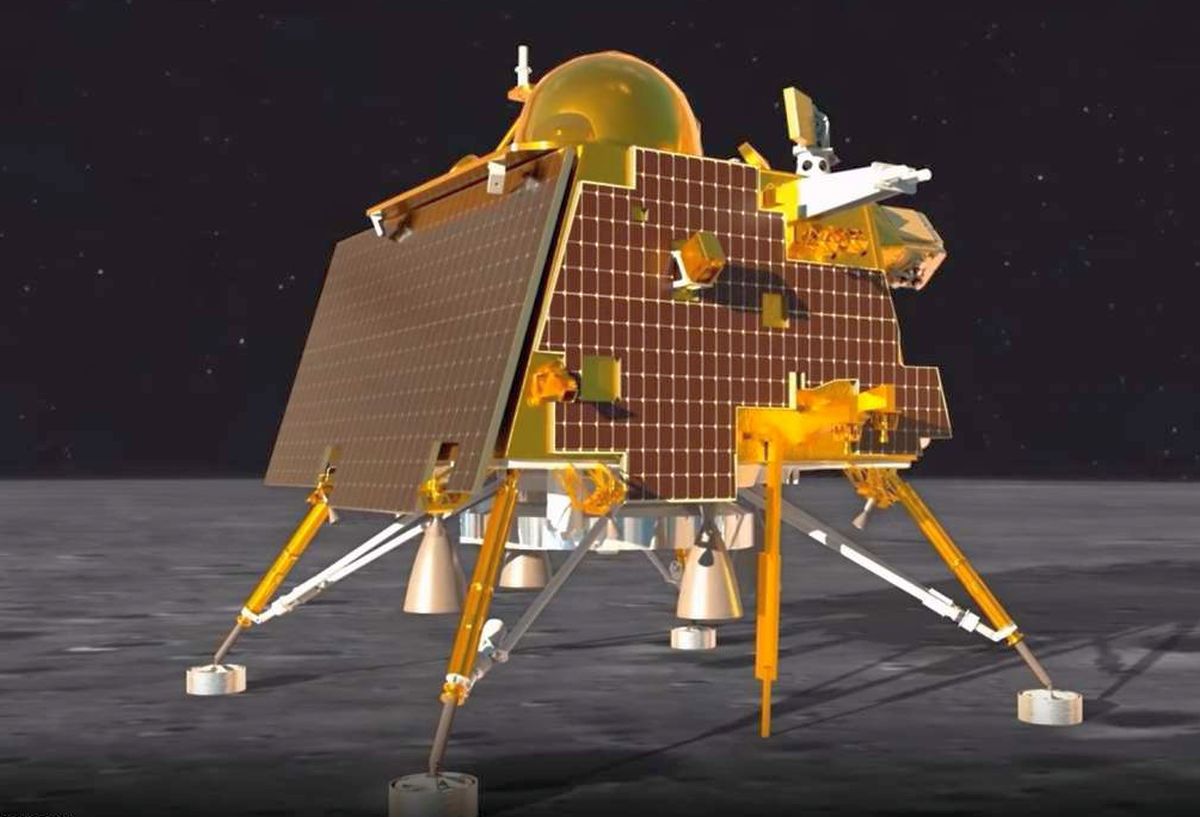
The Indian Space Research Organisation (ISRO) is planning a safe landing for the Chandrayaan-3 mission's Vikram lander, even if its sensors or engines fail. The lander has been designed to make a soft landing on the lunar surface, even if all sensors and two engines do not work. ISRO Chairman S Somanath explained that the lander's design and robust algorithms ensure it can handle failures. The mission is scheduled to land on the Moon on August 23, with a series of de-orbiting maneuvers planned to bring the spacecraft closer to the lunar surface. One of the main challenges will be transitioning the lander from a horizontal to a vertical stance for a safe touchdown.