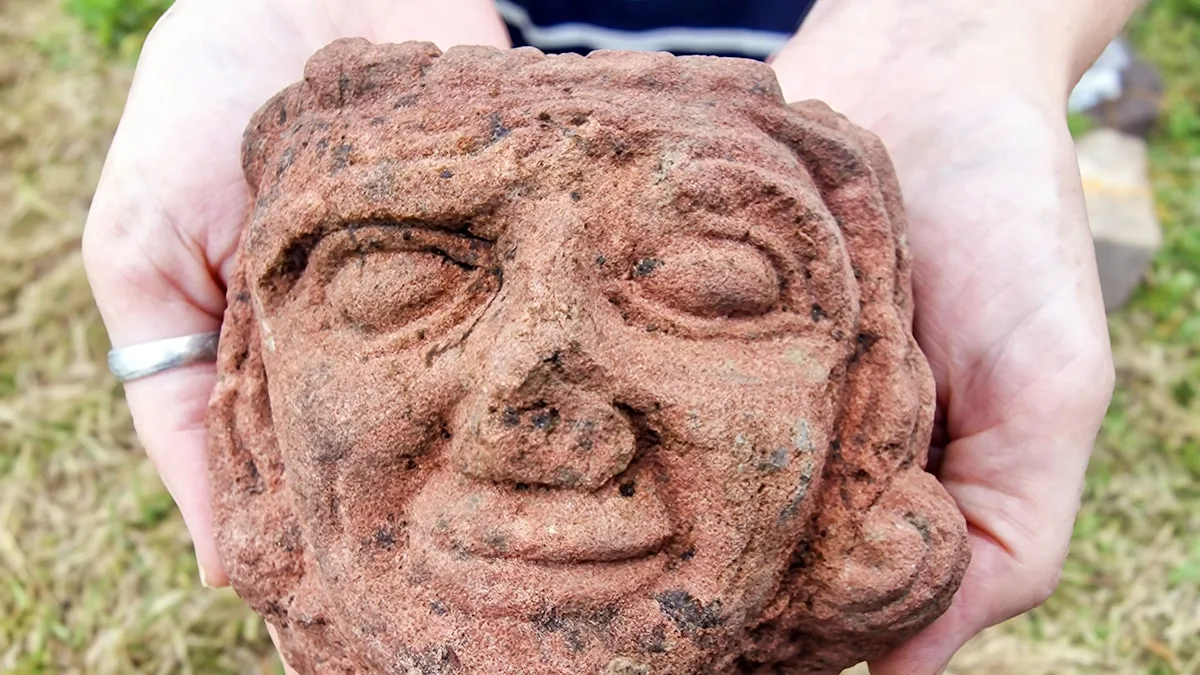
Archaeologists in Orkney, Scotland, uncovered a 900-year-old carved sandstone head resembling a smiling face, possibly linked to Viking-era settlements and the nearby St. Magnus Cathedral, revealing insights into the region's medieval history.
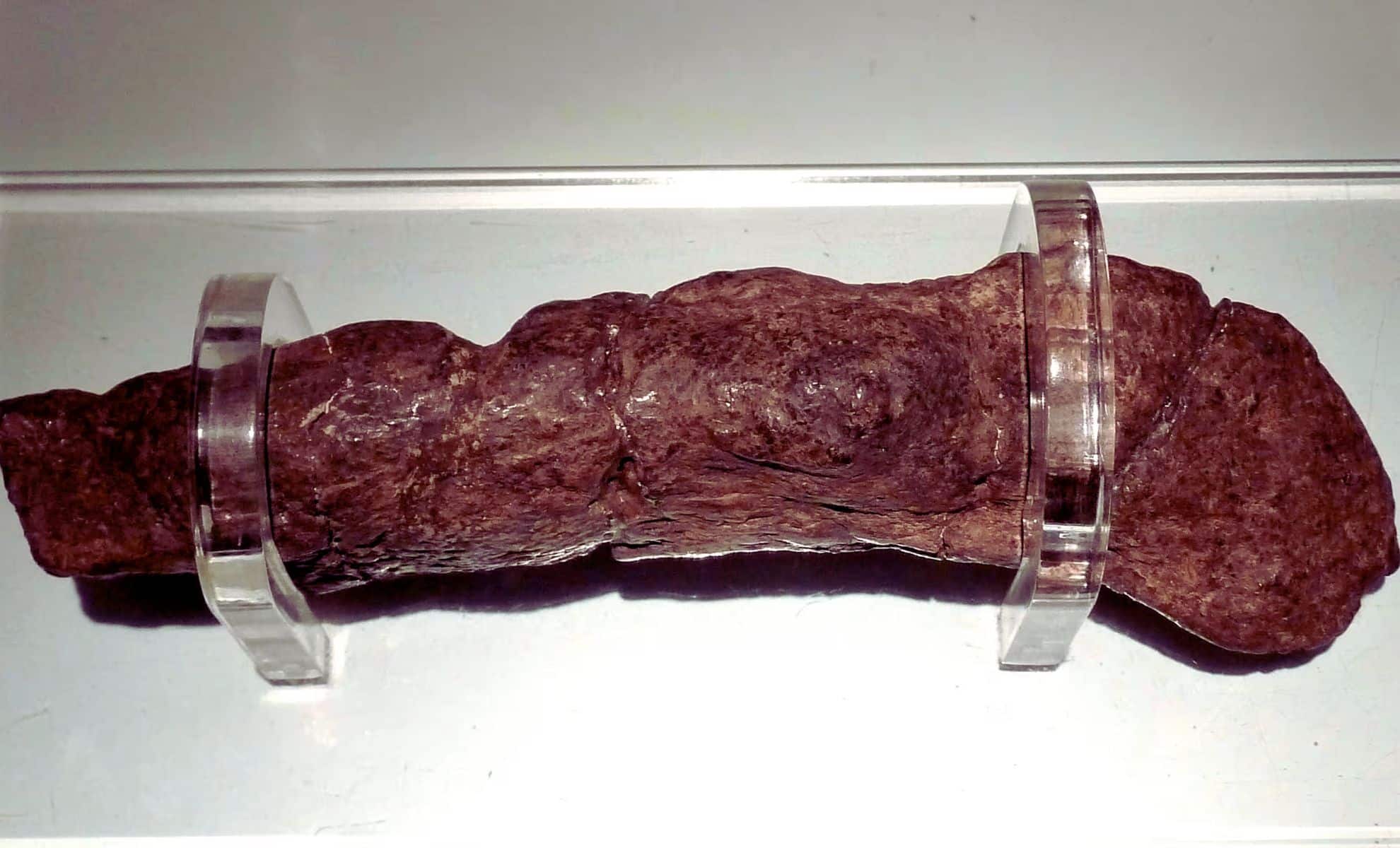
Archaeologists in York discovered the largest fossilized human feces from the Viking era, revealing insights into Viking diet, health, and sanitation issues, and highlighting its archaeological significance as a rare and valuable artifact.
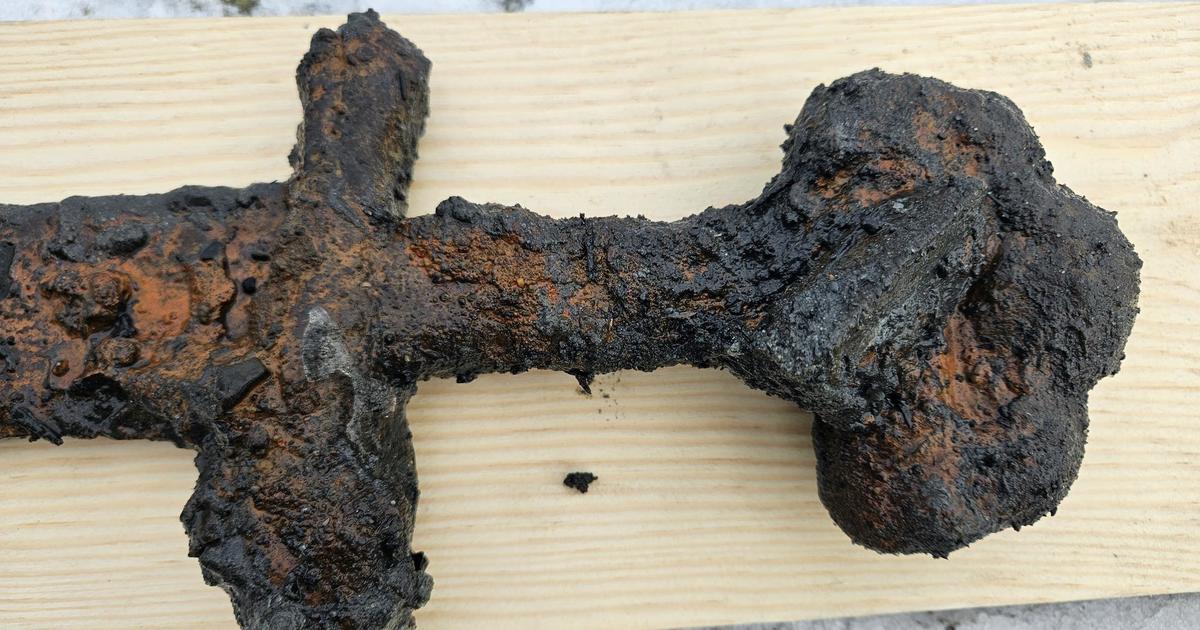
A medieval sword with a mysterious inscription, possibly of Viking origins, was found in a Polish river, sparking research into its history and significance. The sword, dating back over 1,000 years, was discovered in the Vistula River and is believed to have ties to northwestern Europe, particularly Scandinavia and Franconia. The inscription "Ulfberht" suggests a potential link to Viking swords, but some experts argue that these swords were traded widely throughout Europe and may not necessarily have direct Viking origins. Further research and preservation of the sword are planned at Nicolaus Copernicus University in Toruń.
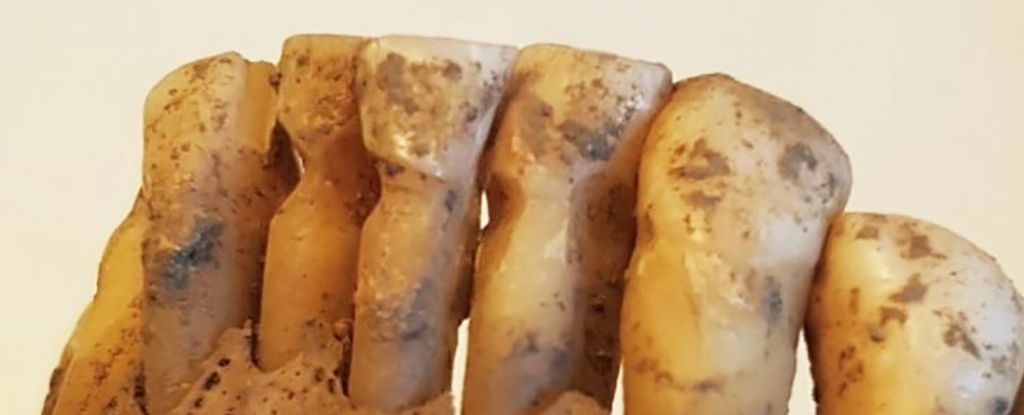
A study of 3,000 Viking-era teeth dating back a thousand years reveals evidence of advanced dentistry, including the use of toothpicks, filing of front teeth, and dental treatments for infections. The analysis, conducted by researchers from the University of Gothenburg and the Västergötlands Museum in Sweden, suggests that Viking oral health and dentistry were more sophisticated than previously believed, shedding new light on the dental practices of this ancient culture.
A Norwegian family searching for a lost earring in their yard using a metal detector stumbled upon a Viking treasure buried beneath a large tree. The relics, believed to be from the Viking Age, include two bronze ornaments that were once covered in gold. The discovery confirms that people lived on the remote island of Jomfruland during that time. Archaeologists suspect that more artifacts and a Viking grave may still be buried nearby. The artifacts will be assessed for preservation, and if deemed safe, they may be left in situ rather than excavated.
According to Travel + Leisure readers, Viking has been ranked as the best midsize-ship ocean cruise line for the second year in a row. The category includes cruise lines with 300 to 799 cabins, and Viking's consistent excellence, identical ships, and all-inclusive fares were praised by readers. Seabourn, Regent Seven Seas Cruises, Silversea, and Oceania Cruises also made the list of top midsize operators known for their luxurious service and unforgettable experiences.
Travel + Leisure readers have voted Aqua Expeditions as the best river cruise line for 2023. Aqua Expeditions' three river ships offer unique and luxurious experiences, with itineraries in Cambodia, Vietnam, and Peru. Tauck, Grand Circle Cruise Line, Viking, and Uniworld Boutique River Cruises also made the top five list. River cruises are praised for their slow and thoughtful exploration of destinations, along with onboard amenities comparable to five-star hotels.
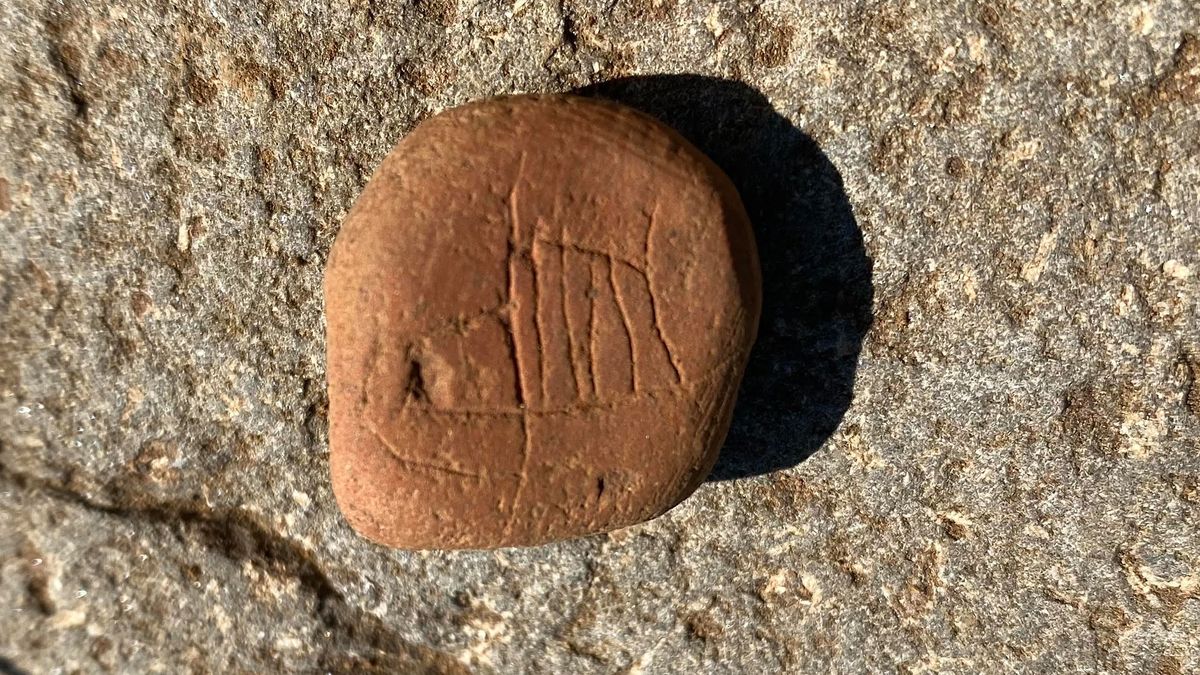
Archaeologists in Iceland have discovered the country's oldest known drawing, a Viking boat engraving dating back to shortly after A.D. 800. The scratched-out piece of "Viking graffiti" was found in the remains of a longhouse and depicts a partly drawn boat with a sail, a rope connecting the sail to the front of the vessel, and an incomplete hull. The discovery provides insight into Viking Age ship graffiti, which is common in Scandinavia and often found on various materials. The longhouse also yielded artifacts suggesting that a chieftain lived there, making it one of the richest halls from the Viking Age in Iceland.
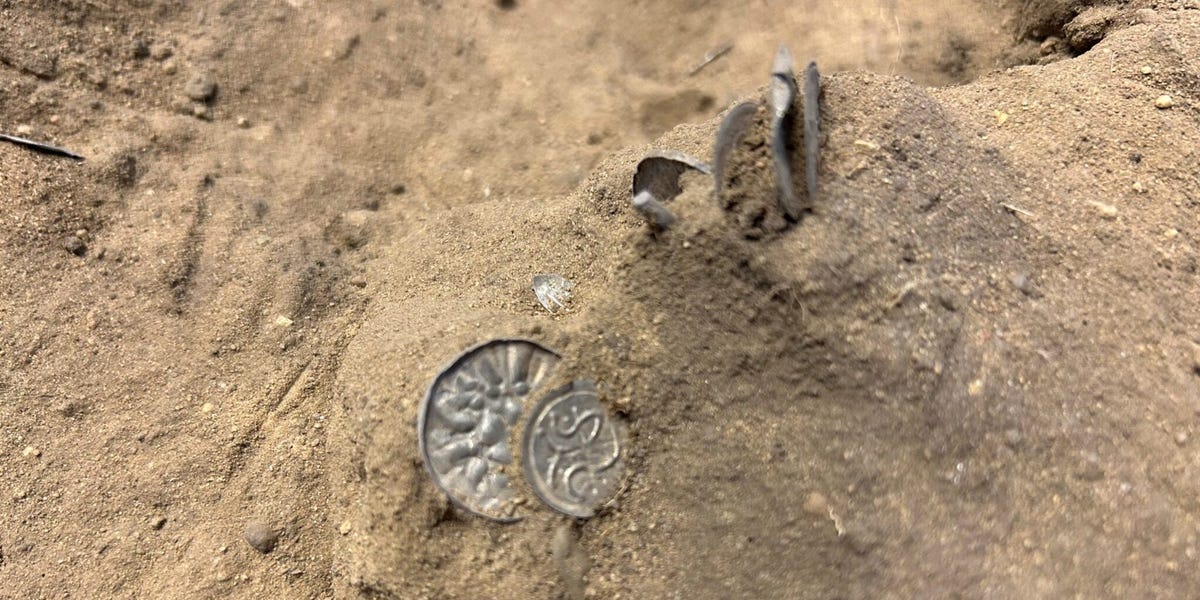
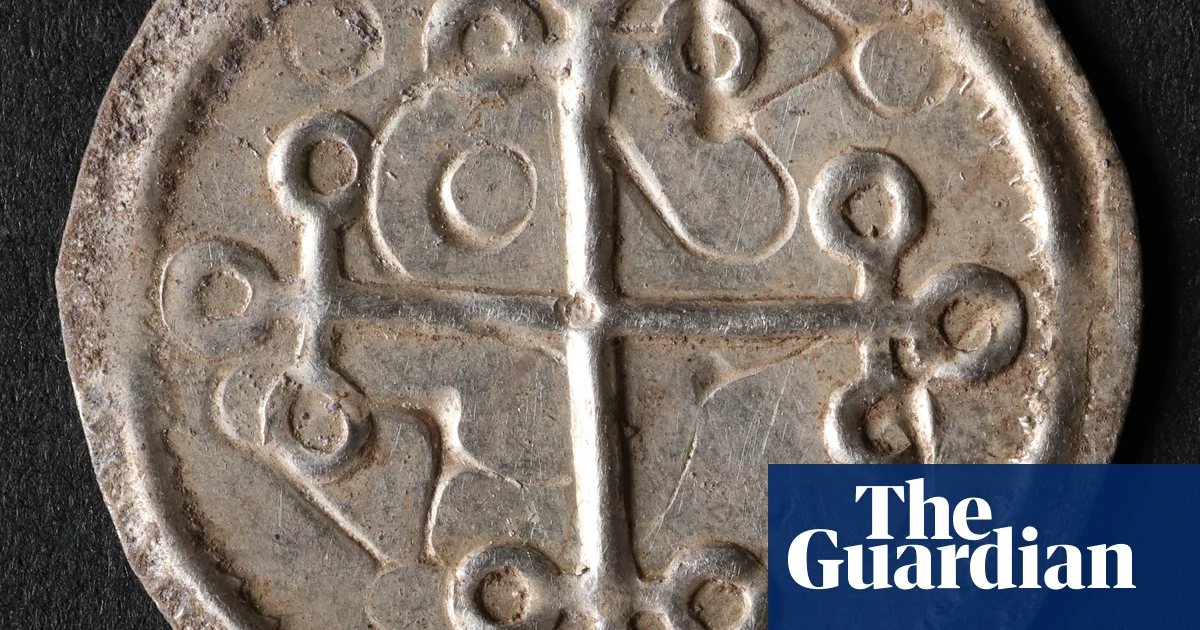
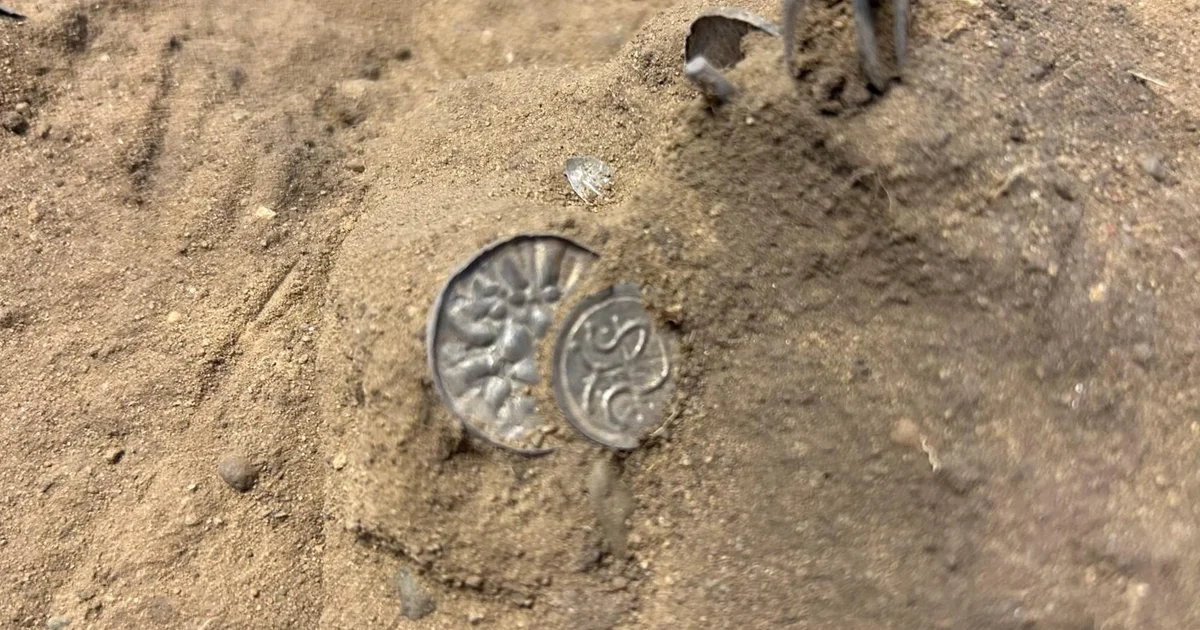
A group of amateur archaeologists on a metal-detector holiday in Denmark discovered a Viking silver hoard of over 300 items, including coins, silver balls, and a ring pin. The find dates back to the 900s and is linked to King Harald "Bluetooth" Gormsson, who united Denmark and Norway. The hoard will be displayed at the Nordjyske Museer in Aalborg before going to the National History Museum in Copenhagen. Archaeologists will investigate the site further, hoping to find the remains of a large Viking hall.
A hoard of nearly 300 silver coins, believed to be over 1,000 years old, has been discovered near a Viking fortress site in Denmark. The trove includes Danish, Arab and Germanic coins as well as jewellery from Scotland or Ireland. Archaeologists believe the finds were from the same period as the fort, built by King Harald Bluetooth, and will offer a greater insight into the history of the Vikings. The artefacts will go on public display from July at the Aalborg Historical Museum.
A young girl who was metal detecting in a Danish cornfield last autumn has discovered nearly 300 silver coins believed to be more than 1,000 years old near a Viking fortress site in northwestern Denmark. The rare trove, lying in two spots not far apart, includes Danish, Arab and Germanic coins as well as pieces of jewellery originating from Scotland or Ireland. The finds were from the same period as the fort, built by King Harald Bluetooth, and would offer more insight into the history of the Vikings.