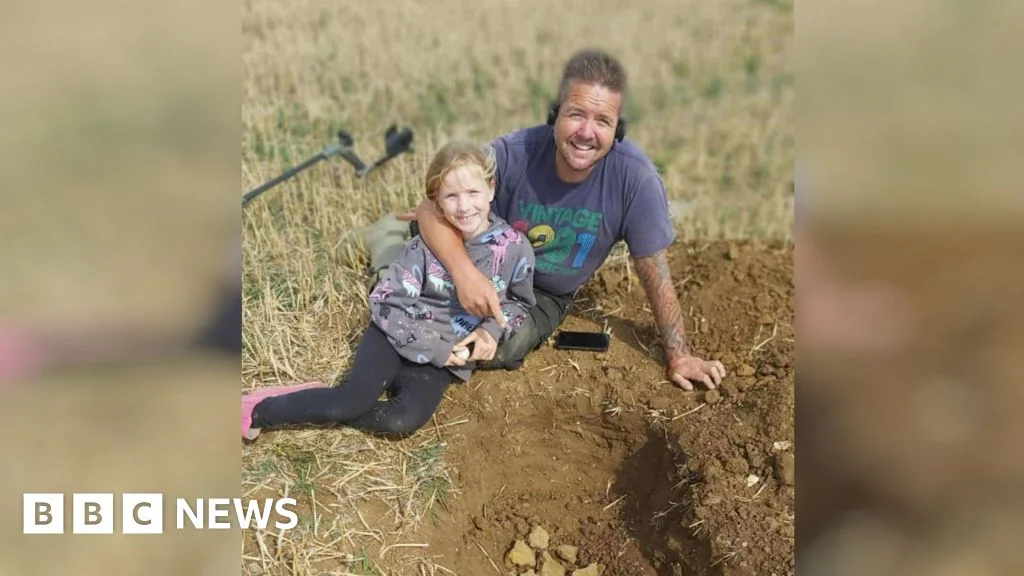
A family in Lewes, East Sussex, discovered 3,000-year-old Bronze Age copper ingots and bronze artifacts while metal detecting, which they donated to a local museum, highlighting the historical significance of their find.
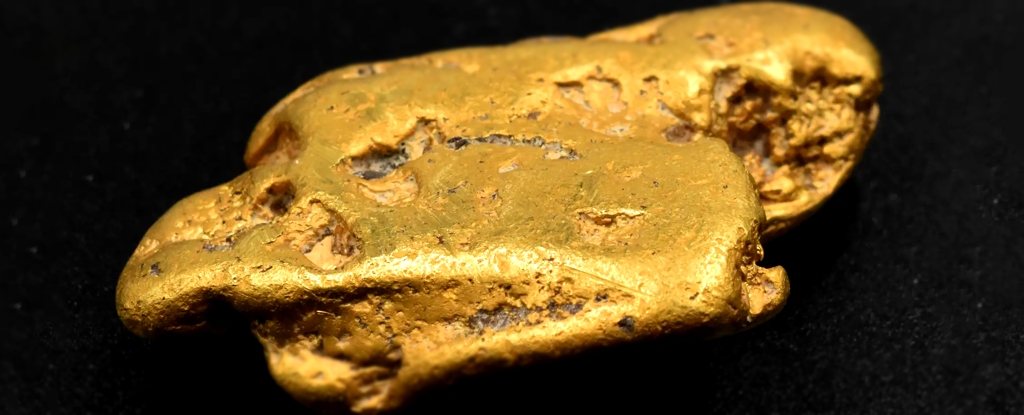
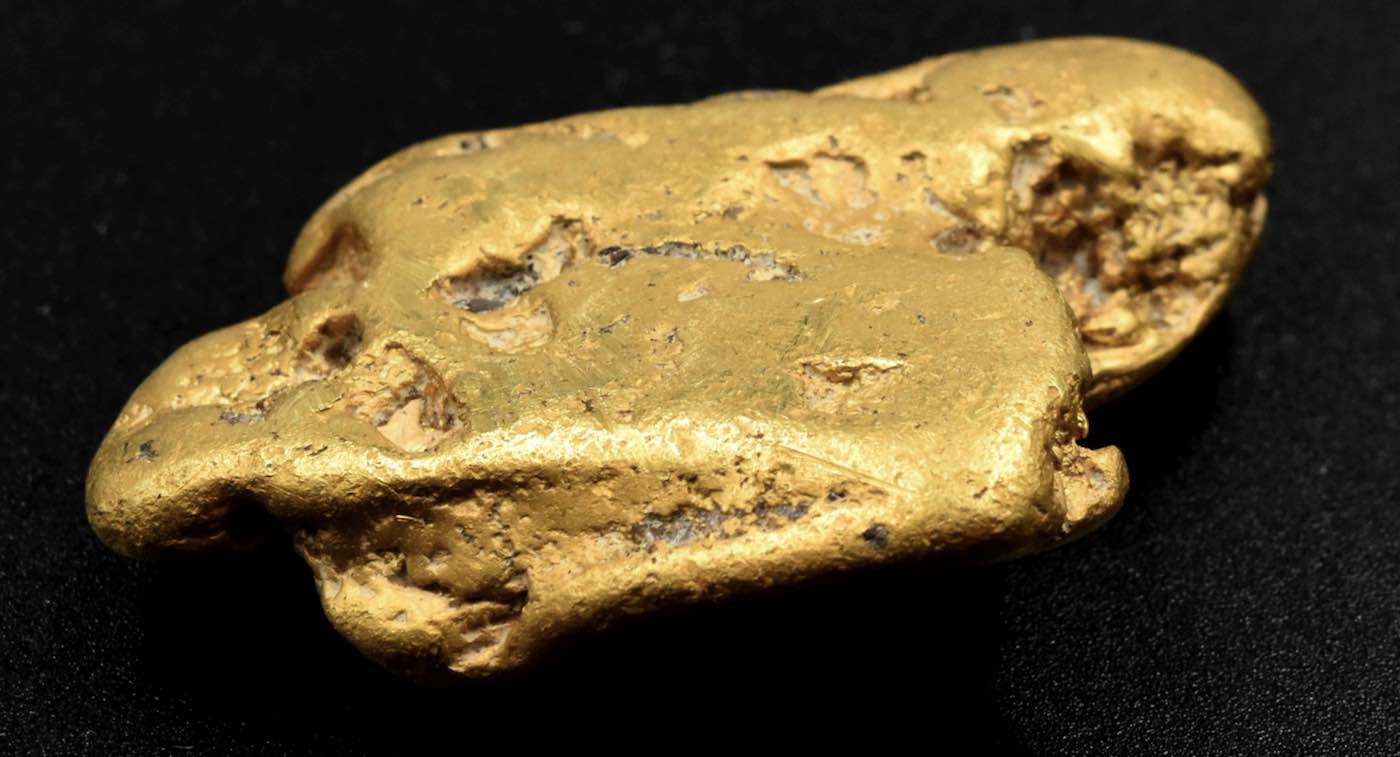
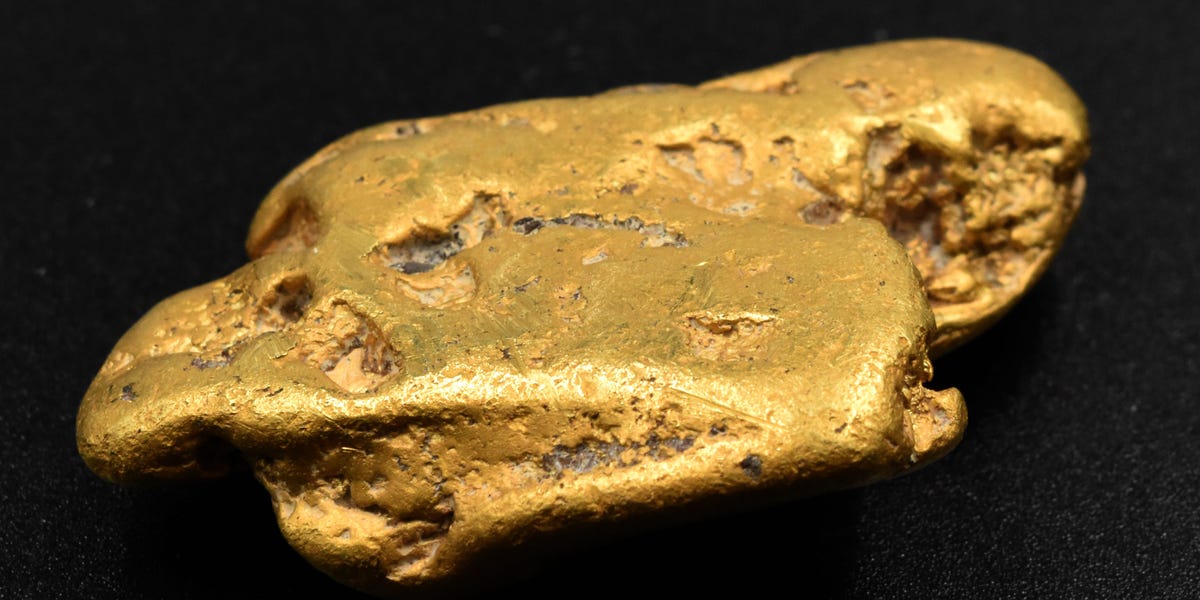
A treasure-hunter in England, Richard Brock, discovered a 64.8-gram gold nugget, potentially the largest ever found in the UK, with an estimated value of £30,000 to £40,000. Despite arriving late and using faulty equipment, Brock's find highlights the growing popularity of metal detecting as a hobby, driven by the thrill of finding treasure and connecting with history. While technology has advanced the pursuit, Brock's discovery underscores the role of luck and intuition in unearthing valuable artifacts.
Despite using a faulty metal detector, treasure hunter Richard Brock unearthed the largest gold nugget ever found in England, weighing 64.8 grams, during an organized expedition in the Shropshire Hills. Dubbed 'Hiro's Nugget', the find is being sold in an online auction, with Richard planning to split the proceeds with the land owner. The nugget's discovery in the area remains a mystery, but it is expected to fetch tens of thousands of pounds.
A metal detectorist in England discovered a 64.8-gram gold nugget, potentially the largest ever found in the country, with an estimated value of $38,000, despite using faulty equipment and arriving late to the search. The hobby of metal detecting has been gaining popularity, with enthusiasts drawn to the thrill of finding historical artifacts and treasures. While the excitement of discovering valuable items is a primary motivation, enthusiasts also find joy in connecting with the past and escaping the pressures of modern life.
Darick Langos, a professional metal detectorist and diver, has recovered over 200 Apple Watches from the Chain O’ Lakes region in northeast Illinois, along with other items like iPhones and gold rings. Most of the Apple Watches still hold a charge, but returning them to their owners is challenging due to being locked. Langos has found that the majority of the watches still have their original sport bands attached, indicating that they do not stay on in the water.
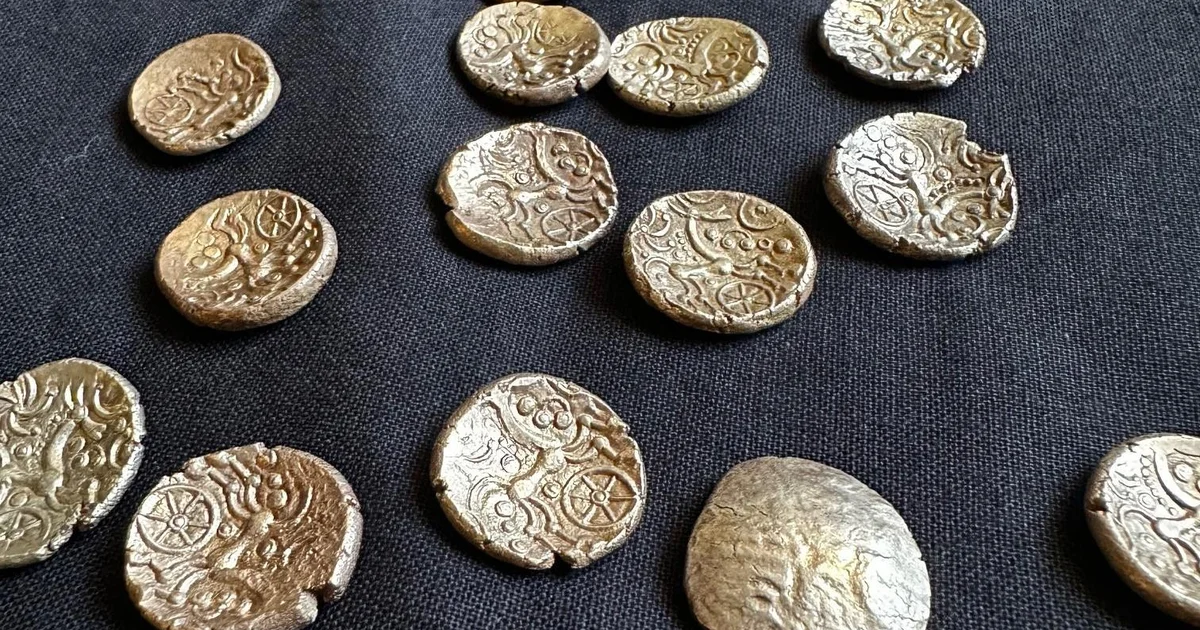
The British Museum reported a record-breaking 53,490 archaeological discoveries in 2022, with over 1,300 classified as "treasure cases" found by the public, mainly through metal-detecting and mud-larking. Notable finds included a 3,000-year-old gold dress fastener and a hoard of Iron Age gold coins. The United Kingdom's Portable Antiquities Scheme, managed by the British Museum and Museum Wales, has recorded nearly 1.7 million finds, with the definition of "treasure" updated in 2023 to include items providing exceptional historical insight.
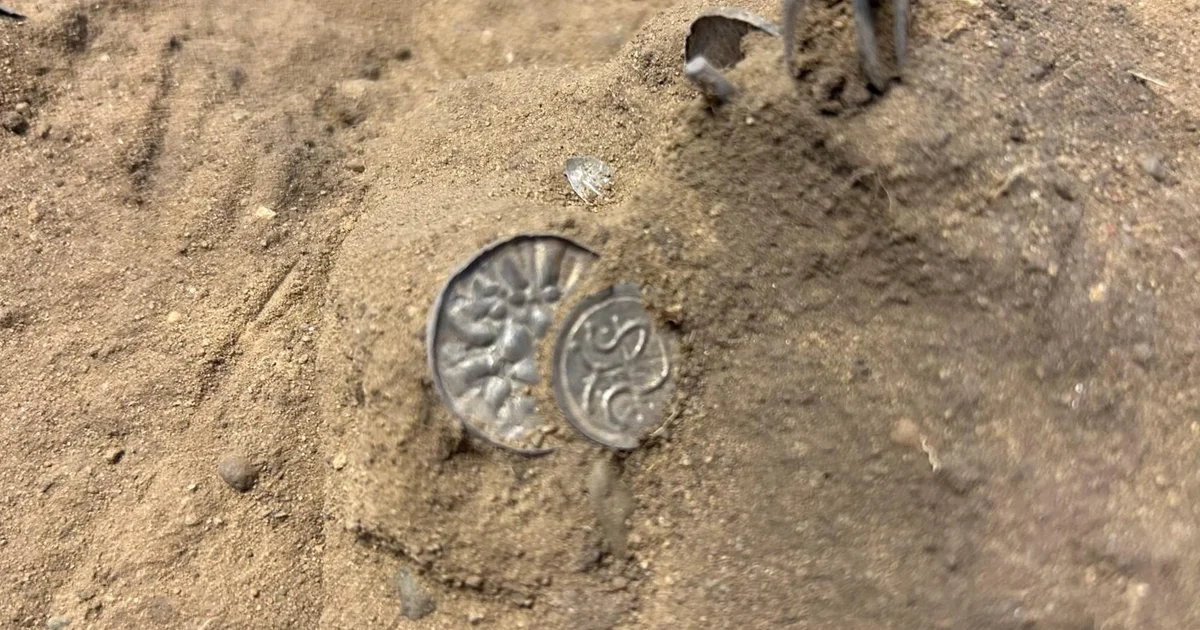
A young girl who was metal detecting in a Danish cornfield last autumn has discovered nearly 300 silver coins believed to be more than 1,000 years old near a Viking fortress site in northwestern Denmark. The rare trove, lying in two spots not far apart, includes Danish, Arab and Germanic coins as well as pieces of jewellery originating from Scotland or Ireland. The finds were from the same period as the fort, built by King Harald Bluetooth, and would offer more insight into the history of the Vikings.