The article discusses whether vaccine mandates are necessary to achieve high vaccination rates, highlighting that while some countries without mandates have high rates, factors like healthcare access and trust in government play significant roles. Experts suggest mandates generally increase vaccination rates, but cultural norms and healthcare systems influence outcomes, making US strategies potentially different from other nations. Without mandates, education and access are crucial, but political and social factors in the US pose challenges to maintaining high vaccination levels.
An Idaho journalist reports on the state's new law banning vaccine mandates, exploring its implications for public health, community immunity, and the anti-vaccination movement, while balancing personal and professional perspectives.
Idaho has passed a law banning vaccine mandates for all individuals, positioning itself as a model for health freedom advocates nationwide, amid ongoing debates over public health and personal liberty.
The Idaho Medical Freedom Act, signed into law in 2024, prohibits vaccine mandates by government and private entities, setting a precedent for vaccine mandate bans in the U.S. and sparking national attention from anti-vaccine advocates and some policymakers, while raising concerns among public health officials about the potential impact on disease control and community immunity.
Florida plans to end school vaccine mandates for four vaccines, potentially setting a precedent for other GOP-led states amid political and public health debates, with some lawmakers and anti-vaccine groups pushing back against mandates and exemptions.
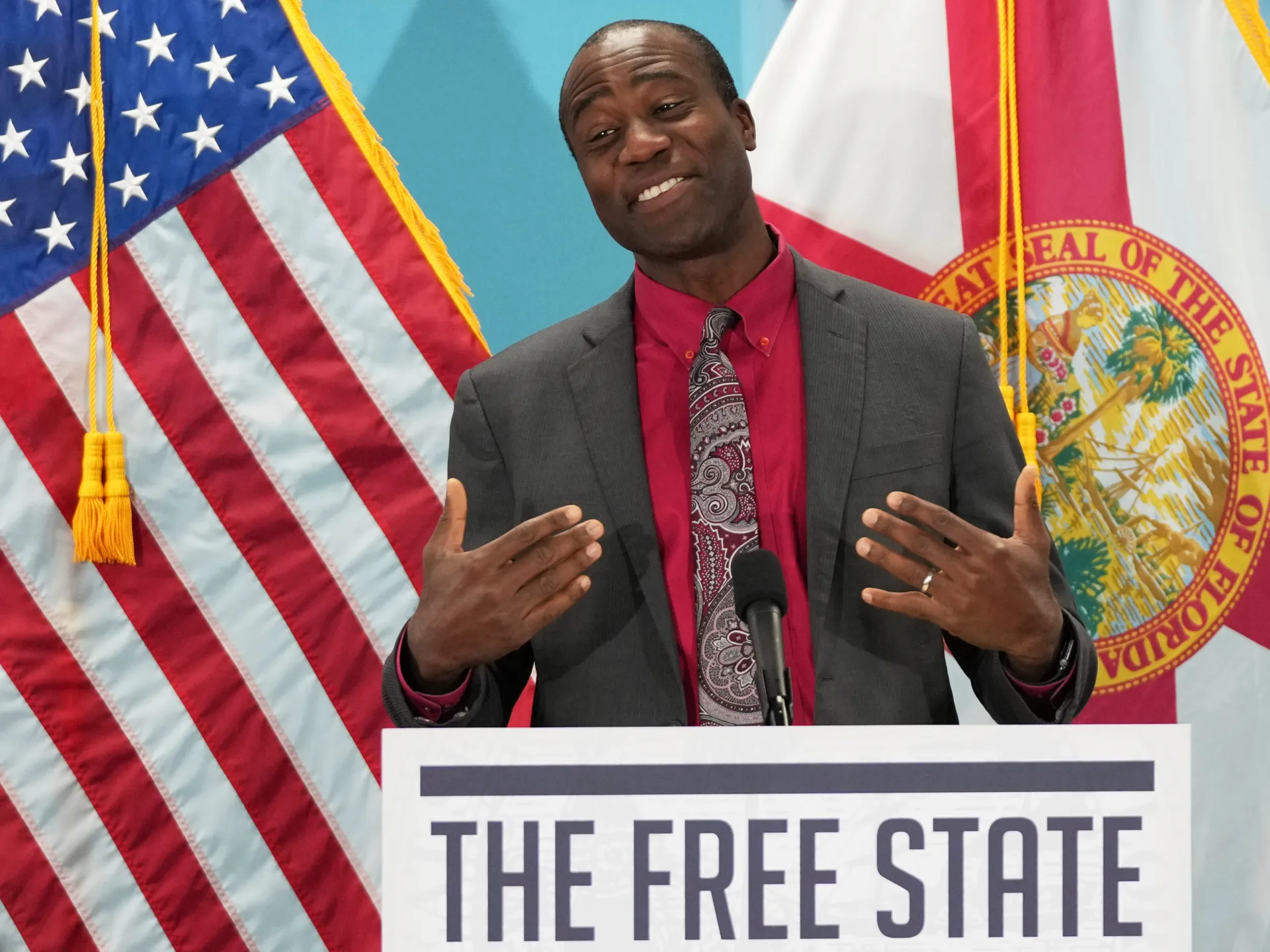
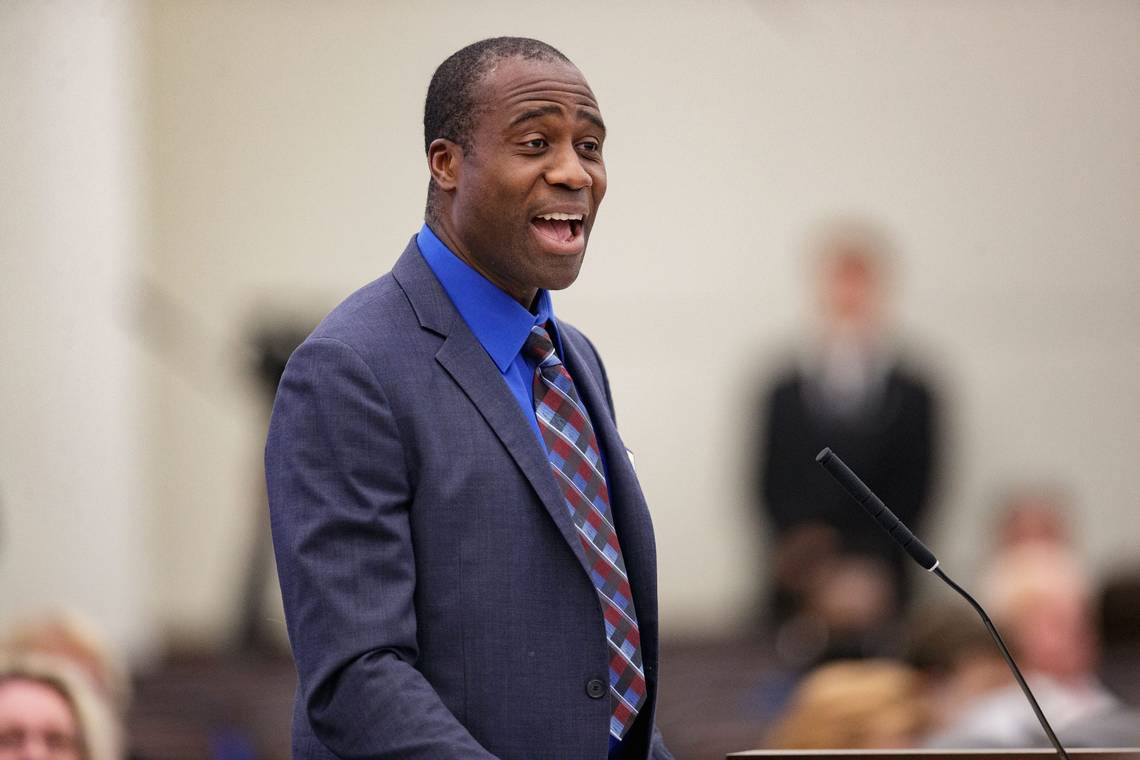
Florida officials, led by Surgeon General Joseph Ladapo, are pushing to eliminate vaccine mandates, citing personal medical decisions, but health experts warn this could increase the risk of disease outbreaks, especially among vulnerable populations like the elderly and immunocompromised.
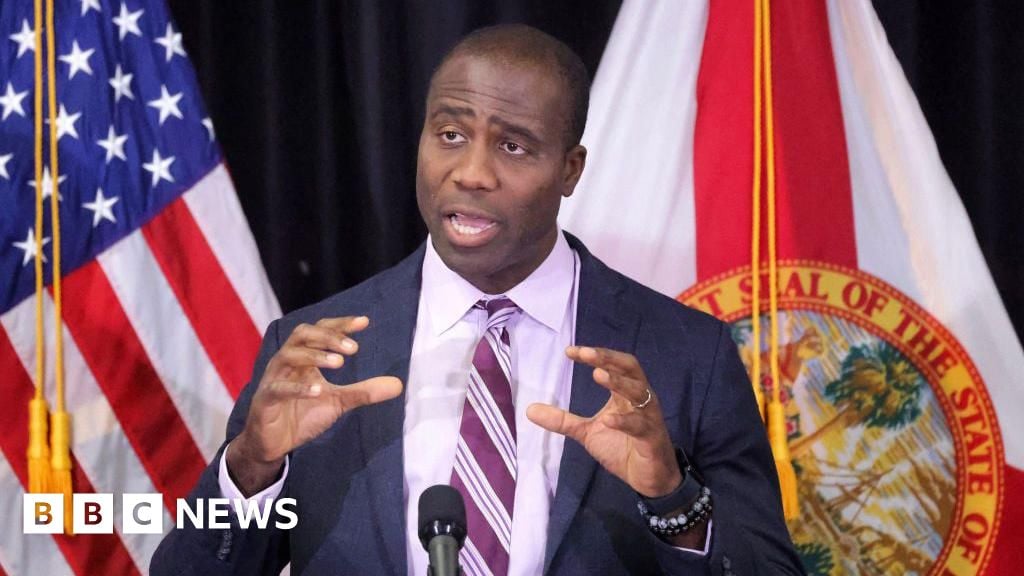
Florida's attempt to eliminate all vaccine mandates by Surgeon General Joseph Ladapo has faced backlash from political leaders, health experts, and the public, leading to a partial rollback of the plan. Despite initial claims to end all mandates, the state is now only proposing to remove requirements for certain childhood vaccines for school entry, while maintaining others, amid concerns about public health and declining vaccination rates. The controversy highlights political and societal divisions over vaccination policies.
Scientists warn that ending vaccine mandates in Florida could lead to a significant rise in vaccine-preventable diseases like measles, with potential for thousands of deaths and outbreaks, contrary to the state's surgeon general's claims that he did not analyze these costs.
Florida's Surgeon General Dr. Joseph Ladapo announced the dismantling of school vaccine mandates without conducting data analysis on potential disease outbreaks, citing parental rights. This move, which affects vaccines for hepatitis B, chickenpox, measles, polio, and whooping cough, raises concerns about public health and hospital preparedness, especially given historical legal support for vaccine requirements. Experts warn that this policy shift could weaken vaccine laws nationwide and impact disease control efforts.
Florida's Surgeon General Joseph Ladapo announced that no scientific data or research was used to end vaccine mandates in public schools, emphasizing a focus on individual rights and parental choice over government mandates, and criticizing vaccine effectiveness and government overreach.
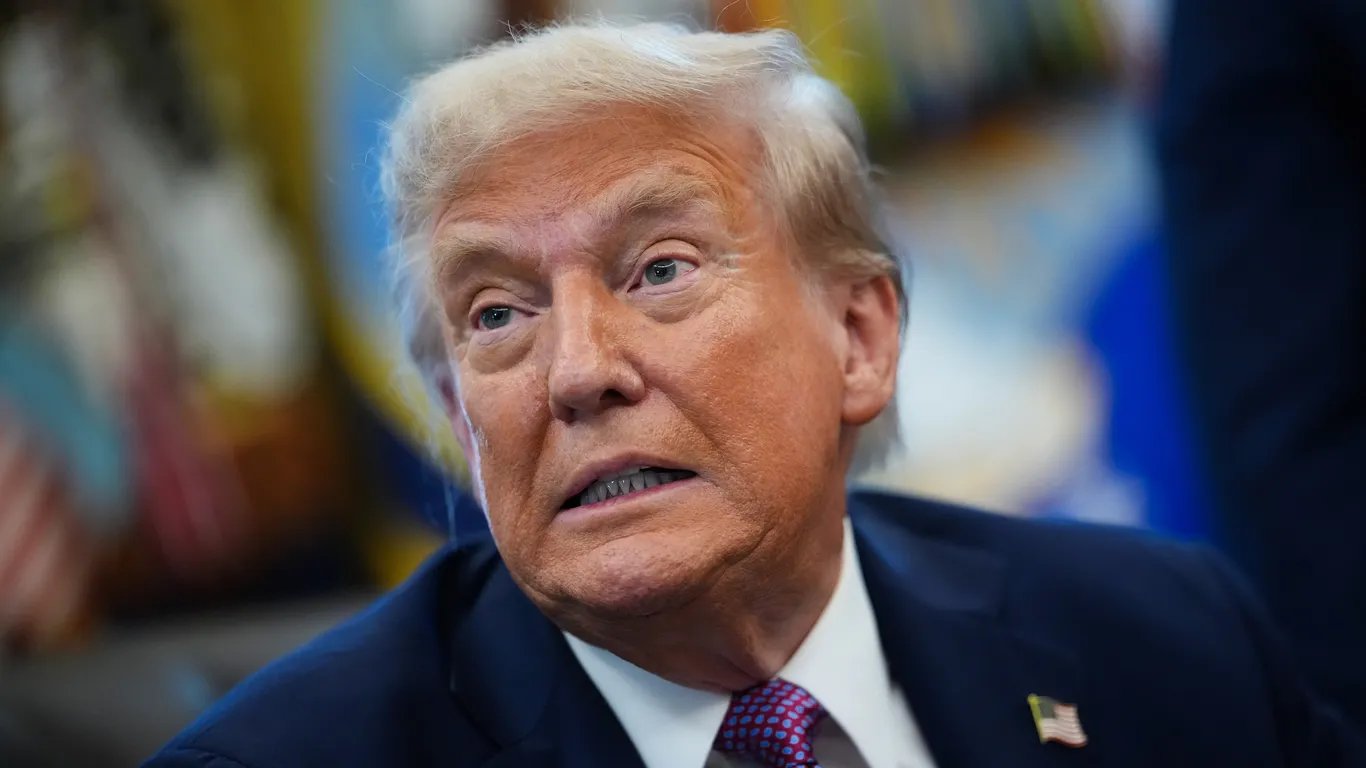
Florida's surgeon general, Ladapo, opposes vaccine mandates, citing personal freedom and ethics, while President Trump emphasizes the effectiveness of vaccines, and experts warn that banning mandates could hinder outbreak control.
President Trump expressed support for vaccines, stating they work and should be used, breaking from RFK Jr.'s stance on vaccine mandates, amidst ongoing controversy over vaccine policies and leadership changes at the CDC.
Joseph Ladapo, Florida's Surgeon General, is a vaccine skeptic who has vowed to eliminate all vaccine mandates in Florida, including for children, citing concerns over government overreach. He has a background in medicine and health policy from Harvard, and has been a controversial figure during the COVID-19 pandemic for his opposition to federal health guidance and his statements on vaccine risks. His stance has drawn criticism from public health experts who warn that ending vaccine mandates could increase health risks for children and the community.
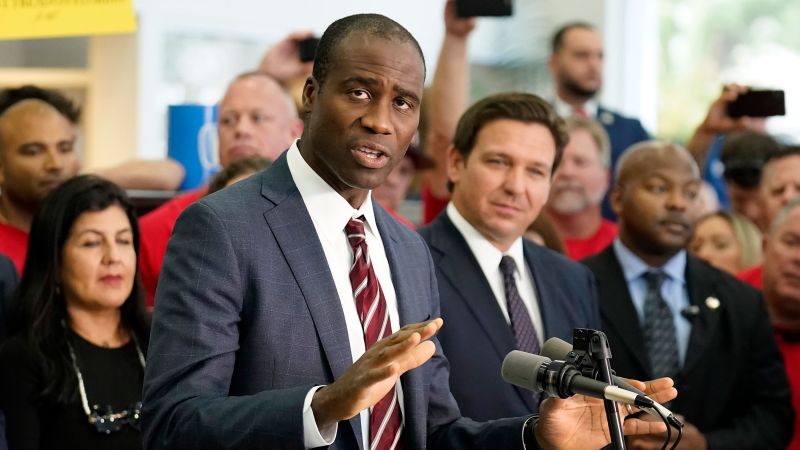
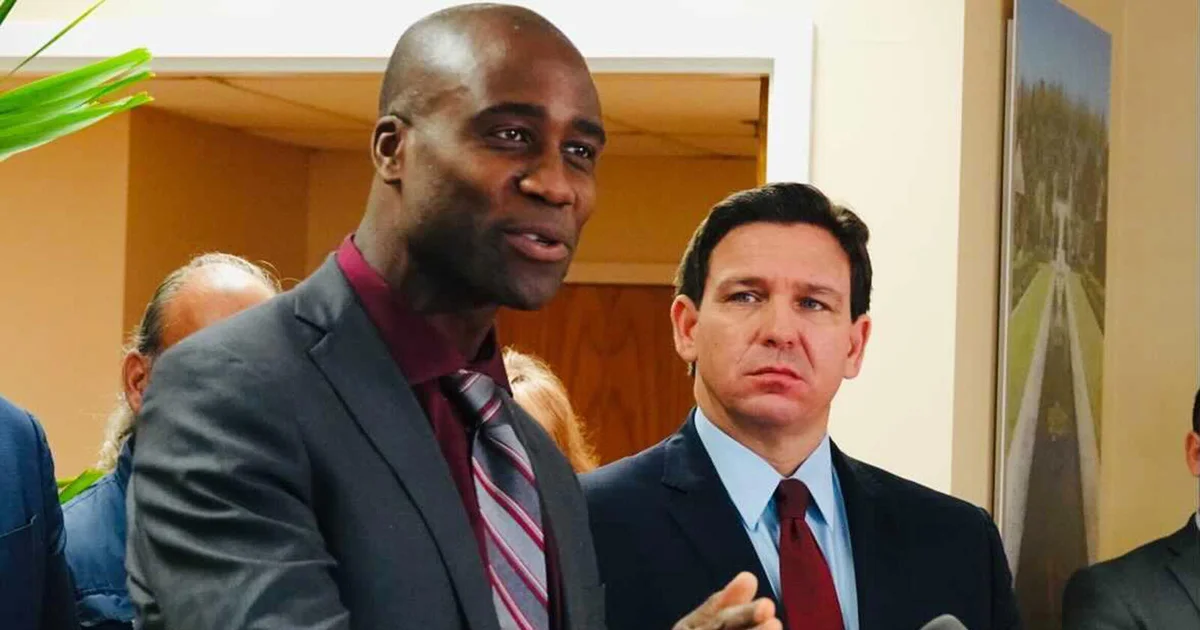
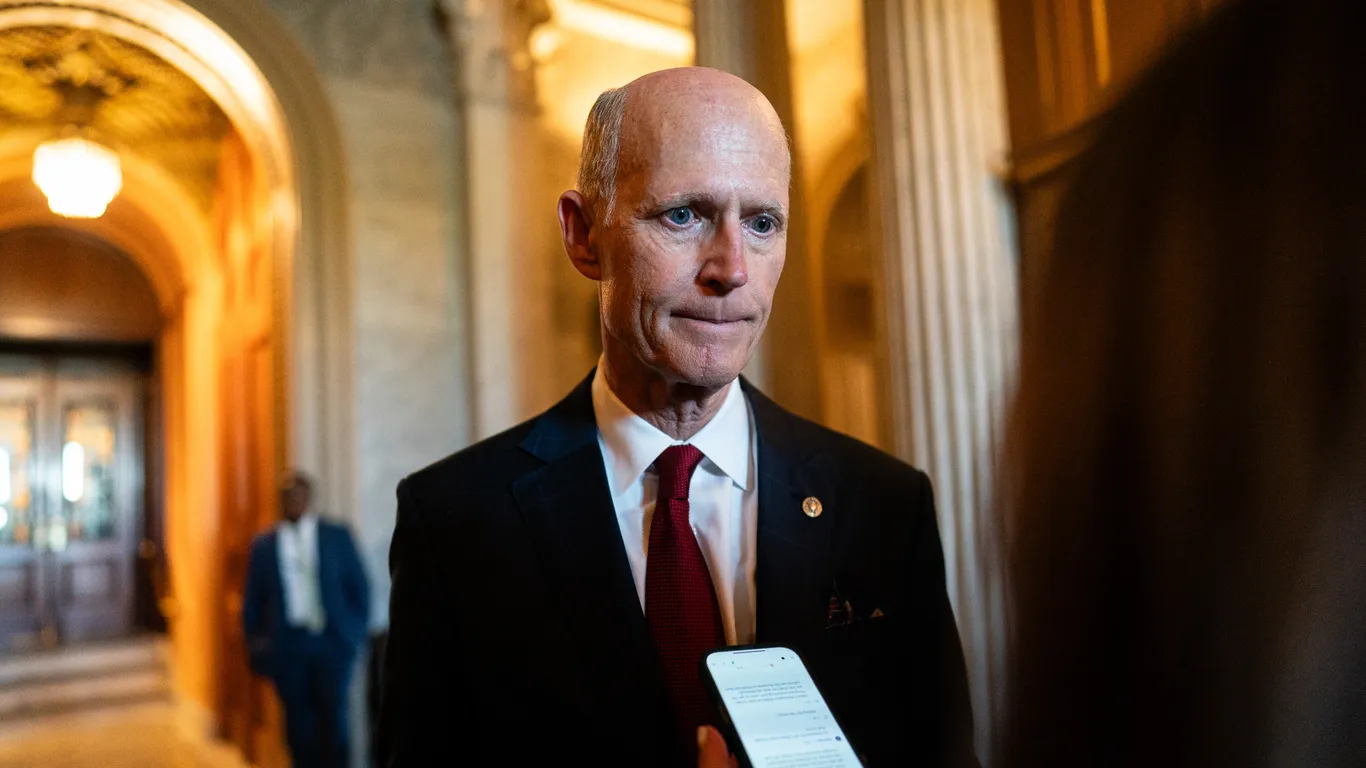
U.S. Senator Rick Scott opposes Florida Governor Ron DeSantis' plan to end all vaccine mandates, arguing that the state's current system effectively balances children's health and parental rights, highlighting a political rift within the state's GOP.
Florida plans to become the first state to eliminate all vaccine mandates, including those for children attending public schools, sparking criticism from health officials and lawmakers who warn it could lead to outbreaks of preventable diseases. The move is part of a broader political debate over vaccination policies and public health safety.