CVS is offering COVID vaccines in 34 states without a prescription, in 13 states with prescriber authorization, and has completely stopped in 3 states, following recent regulatory changes and RFK Jr.'s announcement that rescinded emergency use authorizations, leading to confusion and restrictions on vaccine access across the U.S.
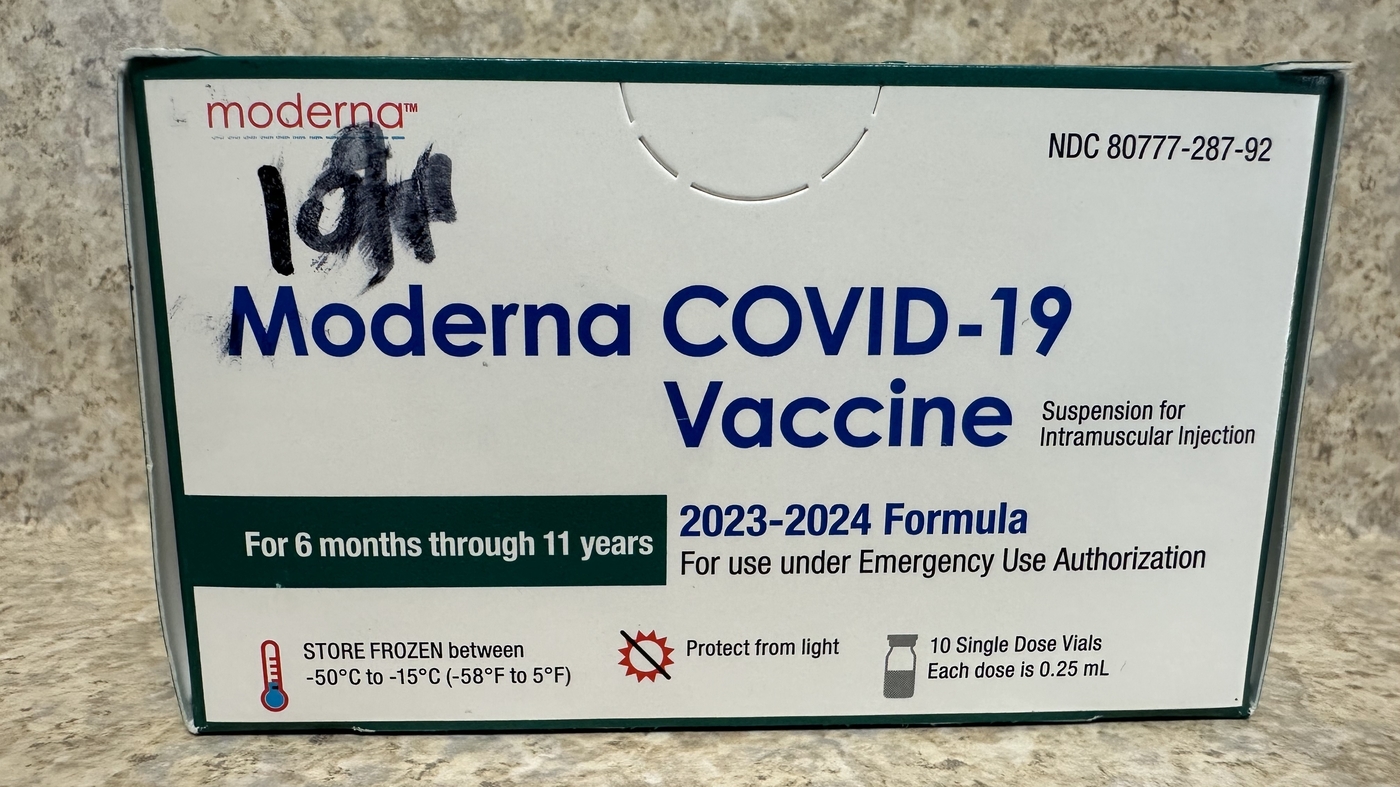
Some parents are facing difficulties in finding pediatric versions of the new COVID-19 shots for children aged 6 months to 11 years old. Issues such as limited information on where to find kid-sized doses, technical rules on who can administer shots to young children, and insurance coverage complications are making it challenging for parents to get their kids vaccinated. The lack of accurate information online and the need to navigate different vaccine systems based on insurance further exacerbate the problem. The slow rollout of pediatric vaccines raises concerns about protecting vulnerable babies and toddlers before the predicted winter COVID-19 surge.
COVID-19 booster shot appointments are being delayed due to limited availability and insurance coverage issues. The latest update to the vaccine, recommended for everyone 6 months and older, is hard to find in Utah and across the country. Some pharmacies have had to cancel appointments due to supply delays, while others are facing challenges in billing insurance companies that have yet to update their codes. The rollout of the new shots is discouraging those who want to get vaccinated and may provide an excuse for vaccine hesitancy. However, health experts emphasize the importance of getting vaccinated to protect against COVID-19 and urge people to take advantage of the vaccine once the supply and insurance issues are resolved.
The US Centers for Disease Control and Prevention (CDC) has recommended that everyone aged 6 months and older get a new COVID-19 shot this fall and winter season. The updated vaccine formulas from Pfizer and Moderna target the newer omicron variant. COVID-19 vaccines are now covered by private and public insurance, as well as programs for uninsured individuals. An online vaccine-finder tool is available to locate vaccines and pharmacy locations. The cost of the vaccine should be covered by insurance or public programs. The CDC's Bridge Access Program allows uninsured adults to receive free shots at participating pharmacies and clinics.
Healthcare experts recommend getting the flu shot as soon as it becomes available in your area, typically in September or October, to protect against the influenza virus. The flu shot is recommended for everyone over six months old, with few exceptions. This year's flu shot composition is different from previous years based on circulating strains, and there are no longer recommendations for those with egg allergies. It is important to get the flu shot every year as the virus strains change, and the protection provided by the vaccine declines over time. Two types of flu vaccinations are available: injectable for children and adults, and nasal spray for people aged two to 49, with certain restrictions. Consult your doctor for the best option for you.
With new COVID-19 boosters becoming available, it is recommended that everyone aged 6 months and older get the updated shot for optimal protection. The timing of the booster depends on factors such as recent vaccinations or previous COVID-19 infection. Those who recently received the bivalent booster should wait two months before getting the new booster, while those who recently had COVID-19 should wait three months. If the last COVID-19 shot was more than two months ago, it is advisable to get the updated shot soon. Additional doses may be recommended for older adults and immunocompromised individuals. The new vaccines are expected to be available in pharmacies, and side effects are expected to be similar to previous COVID-19 vaccines. The vaccines have shown strong immune responses against dominant variants and are crucial in the face of evolving virus strains.
Major pharmacy chains in the US have started rolling out appointments for the updated Covid-19 vaccine, which is effective against the dominant strain in the country. The CDC recommends that everyone aged 6 months and older get the updated Covid-19 vaccine, with specific recommendations for different age groups and immunocompromised individuals. Flu shots and RSV vaccines are also available, with the CDC urging people to get vaccinated against all three respiratory viruses. Timing for the Covid-19 booster shot depends on when the last vaccine was received, and it is safe to get the flu shot and Covid-19 shot on the same day. Most people with health insurance can get the updated Covid-19 shot at no cost, and uninsured or underinsured individuals can access it for free through government programs.