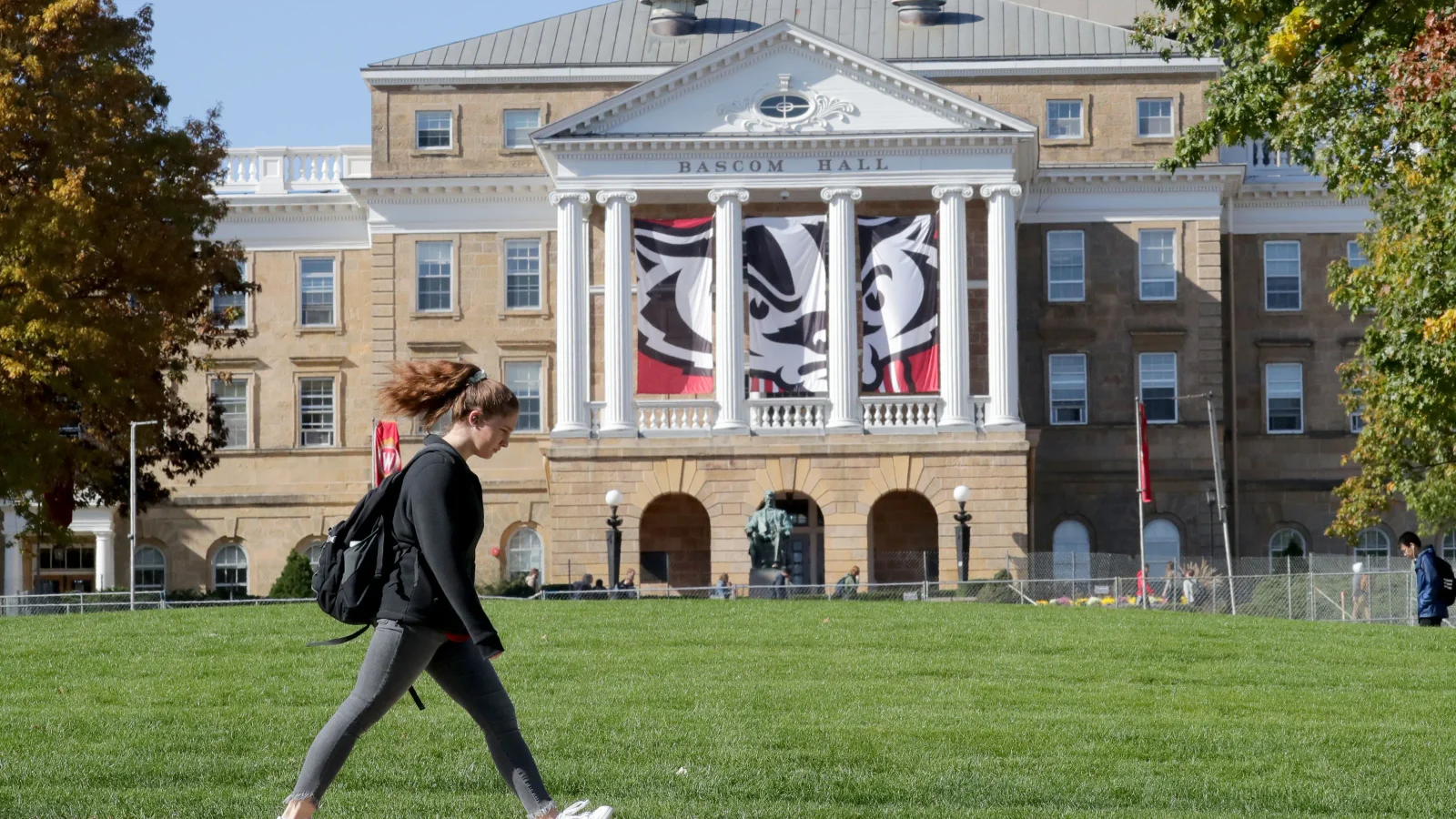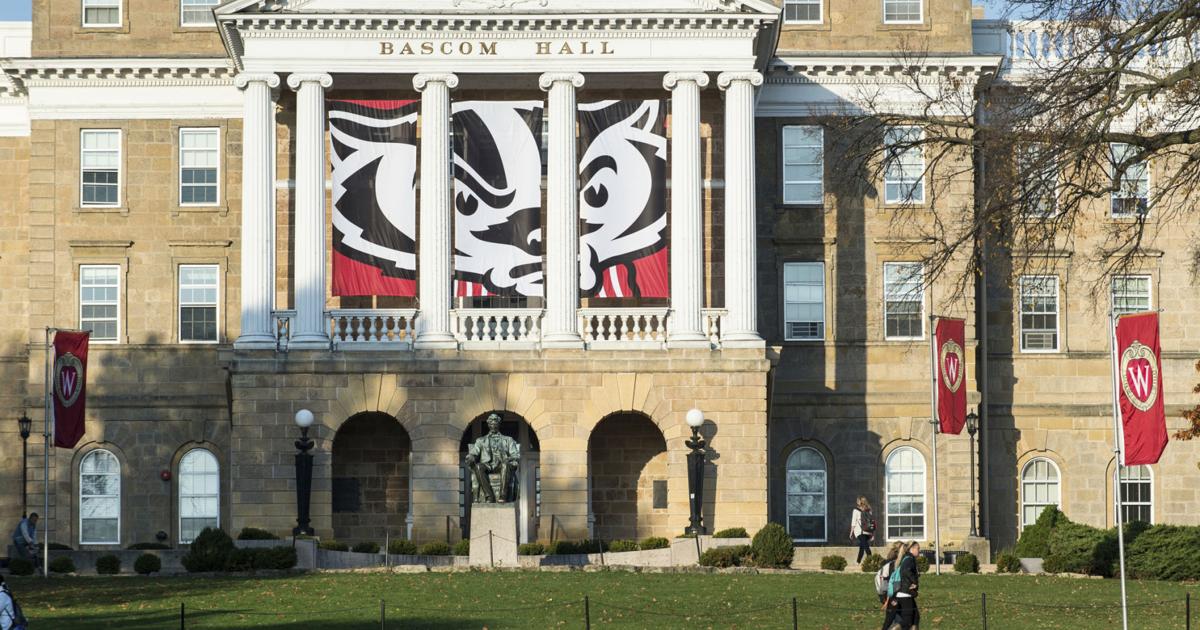
UW-Madison has regained its position among the top five research universities in the U.S. for the first time since 2014, with a ranking of No. 5 and over $1.9 billion in research spending in 2024, driven by increased federal grants and a 12% rise in research funding.
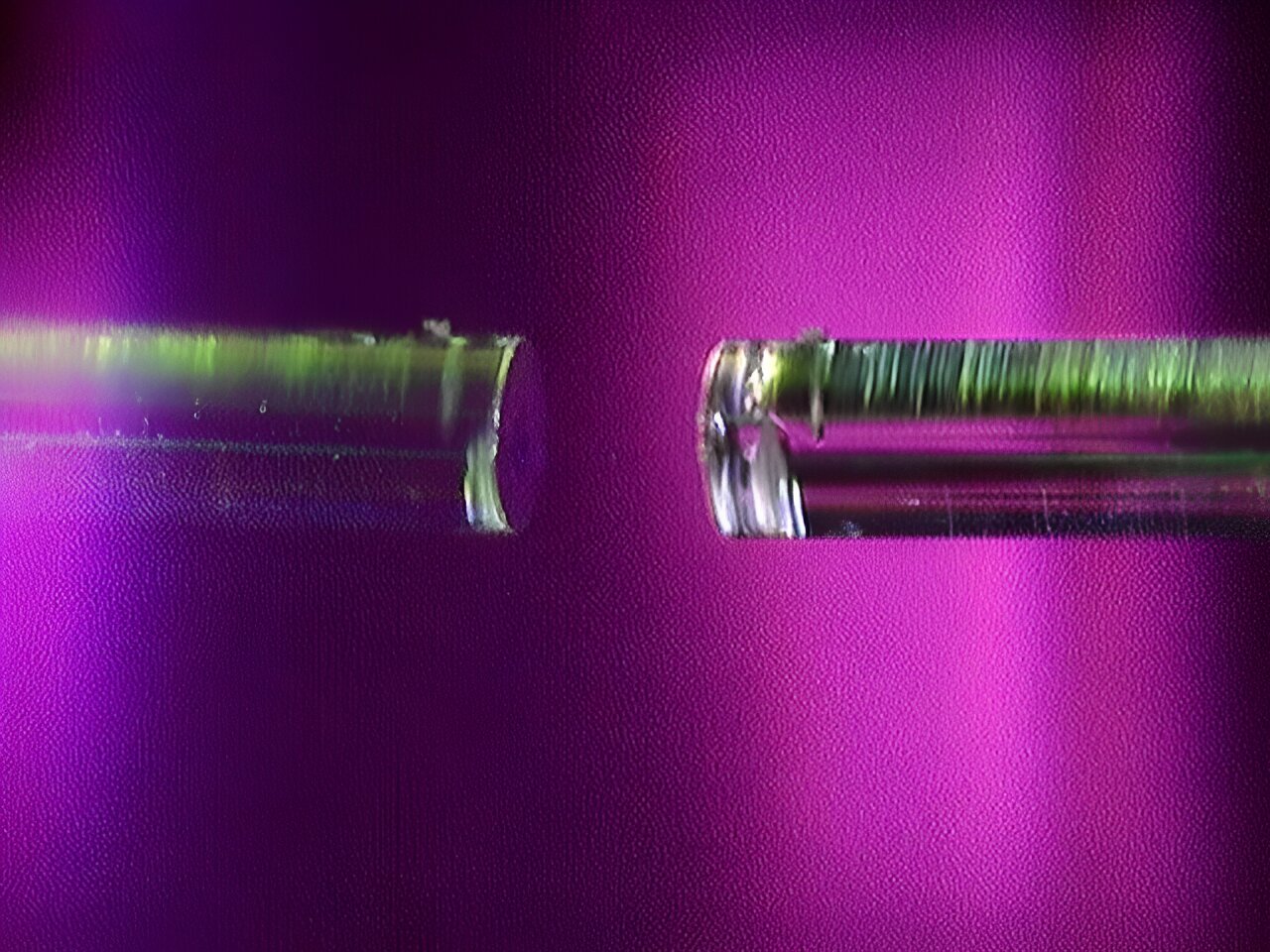
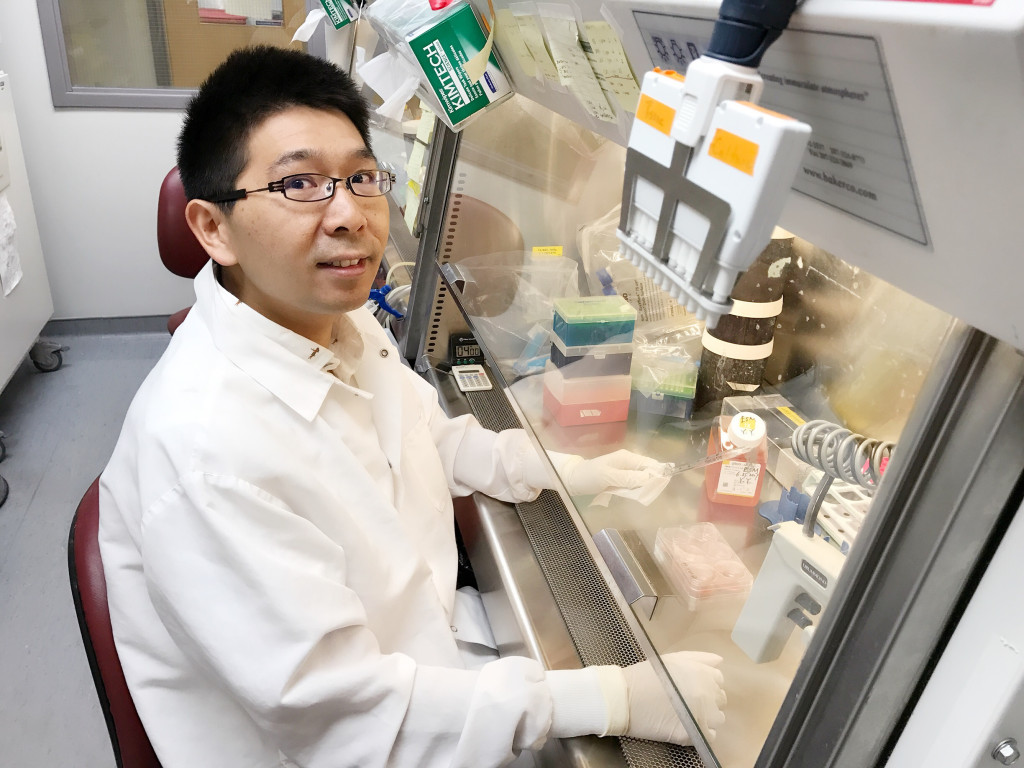
Scientists at the University of Wisconsin–Madison have developed the most sensitive method yet for detecting and profiling single molecules using an optical microresonator. This label-free technique allows for the observation of molecules without altering them, providing new insights into molecular interactions. The method has potential applications in drug discovery and advanced materials development.
Health officials are notifying close contacts of a UW-Madison student with active, contagious tuberculosis, offering free testing to those who may have been exposed. The student has not been on campus since December, and more than 700 members of the campus have been contacted as a precaution. Active cases of tuberculosis are contagious and can cause serious disease, but the risk of transmission is considered low. Latent infections, in which people test positive but don’t have symptoms, are not considered contagious, but both forms should be treated with antibiotics.
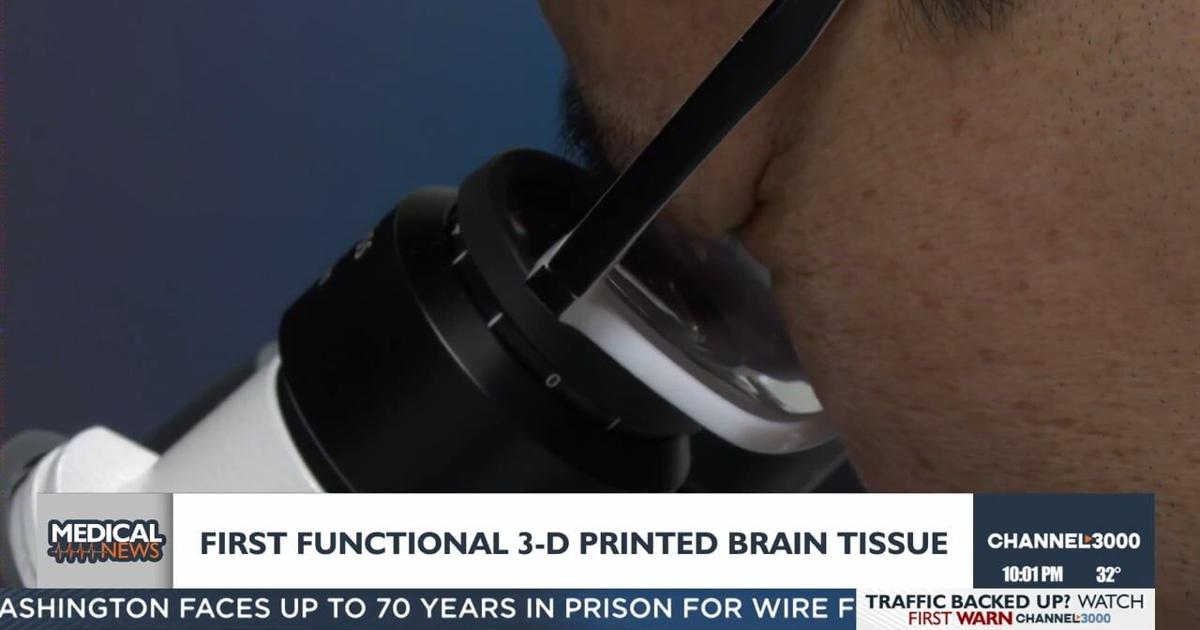
A research team at UW-Madison has successfully 3D printed the first-ever brain tissue that can grow and communicate with other brain cells. This breakthrough in neuroscience could lead to advancements in studying brain development, disease, and injury, as well as potential applications in drug testing and personalized medicine.
Researchers at UW–Madison have developed a groundbreaking 3D-printing method to create functional human brain tissue, allowing for the study of neurological and neurodevelopmental disorders such as Alzheimer’s and Parkinson’s diseases. The new technique involves horizontally layering brain cells in a softer "bio-ink" gel, enabling the cells to grow and communicate with each other, forming networks comparable to human brains. This advancement offers precision and flexibility for studying brain development, neurodegenerative disorders, and more, and is accessible to many labs without requiring specialized equipment.
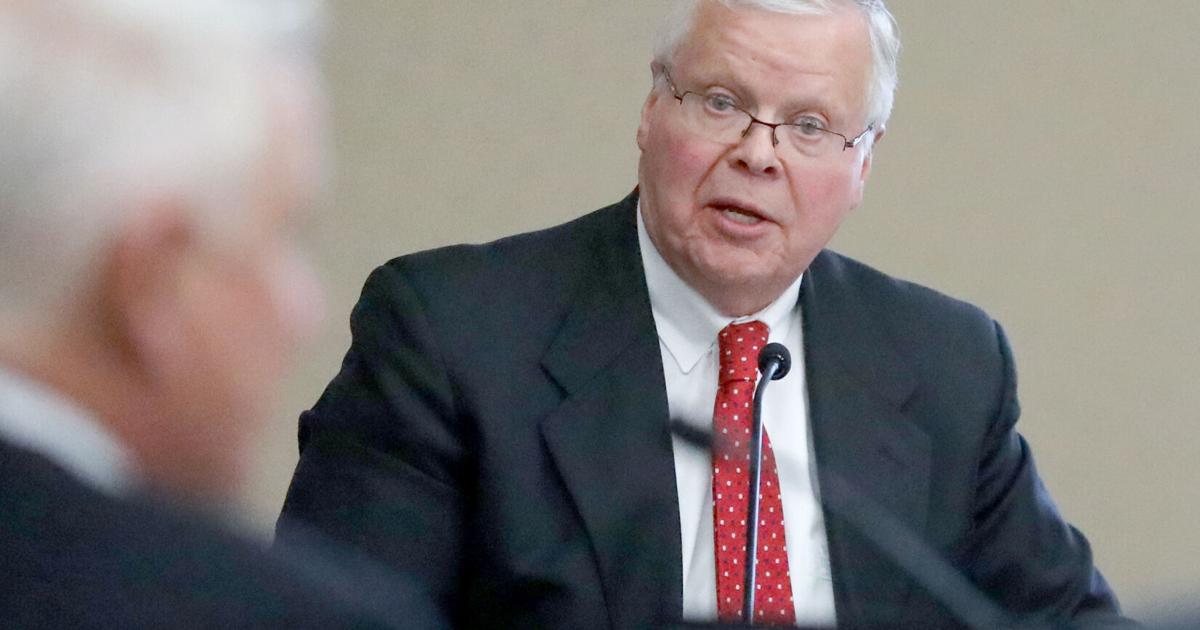
The UW Board of Regents rejected a deal struck between Universities of Wisconsin system President Jay Rothman and legislative Republican leaders that would have provided funding and pay raises in exchange for changes to diversity, equity, and inclusion initiatives. The deal included a new engineering building for UW-Madison and the restoration of a $32 million budget cut. The vote against the deal came after concerns were raised about compromising core values and setting a precedent. The future of the UW system and any potential new deal remains uncertain.
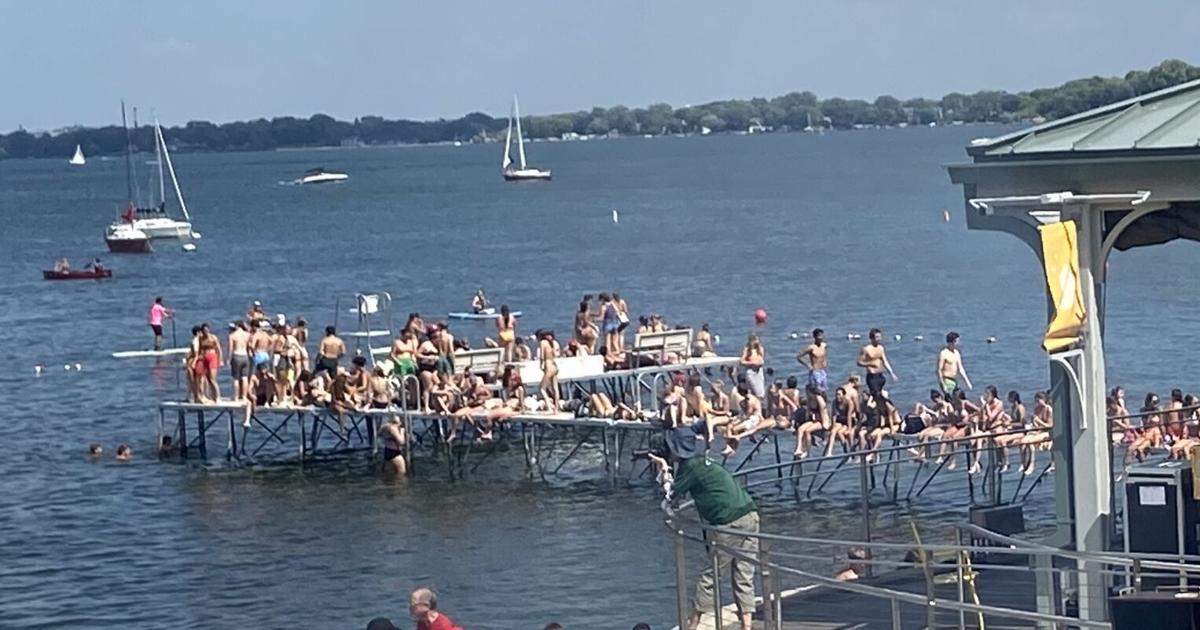
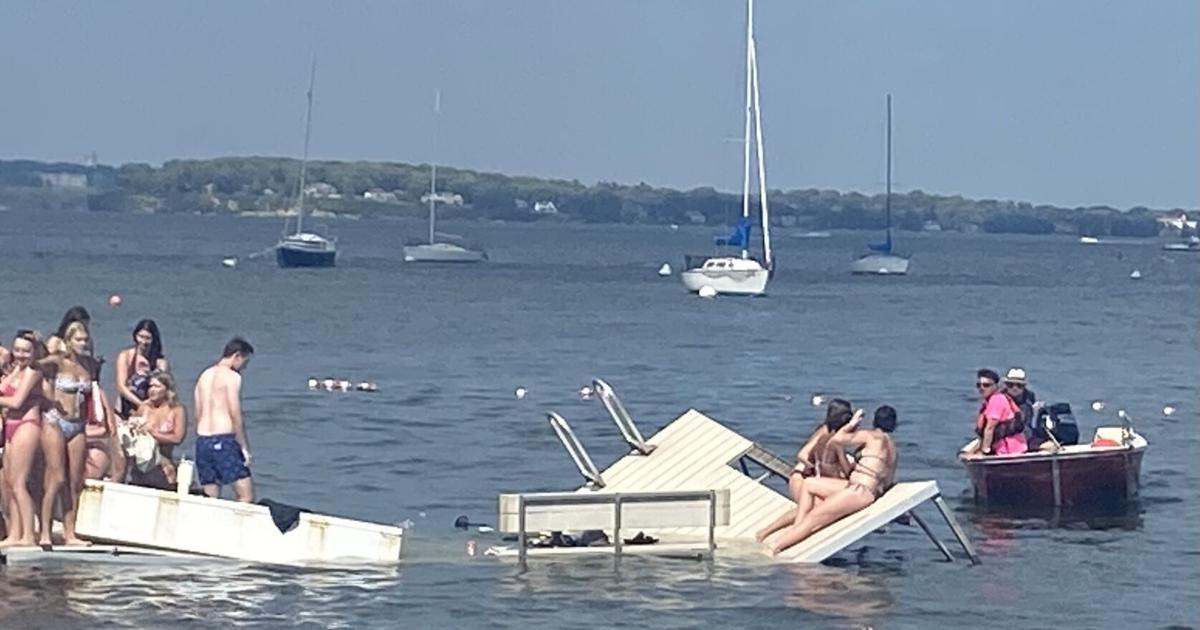
One person was hospitalized and around 20 others were injured when a metal pier collapsed at UW-Madison's Union Terrace. Witnesses reported that there were too many people on the pier, with no warning before it gave way and people fell into the water.
A pier at the Union Terrace in UW-Madison collapsed, injuring 20 people and sending one to the hospital. The incident occurred when a portion of the metal pier collapsed, causing several individuals to fall into Lake Mendota. The injured person was taken to the hospital with non-life-threatening injuries, while five others received minor injuries. Approximately 60 to 80 people were on the pier at the time of the collapse. The university will investigate the incident, and it was noted that the swimming area was not staffed by lifeguards.
The University of Wisconsin-Madison community has been informed about a violent attack that occurred off-campus, with the victim being a student. The suspect(s) are still at large, prompting increased police patrols and a call for vigilance. The City of Madison Police Department is conducting a thorough investigation, with assistance from the University Police. Students are encouraged to utilize safety resources such as the BadgerSAFE app and after-hours SAFEwalk. Support and community resources are available for students and employees, and any information about the case should be reported to the police.
The state legislative Joint Finance Committee has again withheld approval of a new College of Engineering building at the University of Wisconsin-Madison, despite it being the top priority on the UW Board of Regents list of building projects and included in a slate of projects proposed by Governor Tony Evers in the 2023-2025 state budget. The project, which was expected to produce hundreds of new graduates per year in fields in which Wisconsin employers face acute need for additional talent, was not included in a final list approved by the Joint Finance Committee on Thursday, June 1.