
"Breakthrough: 3D-Printed Human Brain Tissue Mimics Function and Growth"
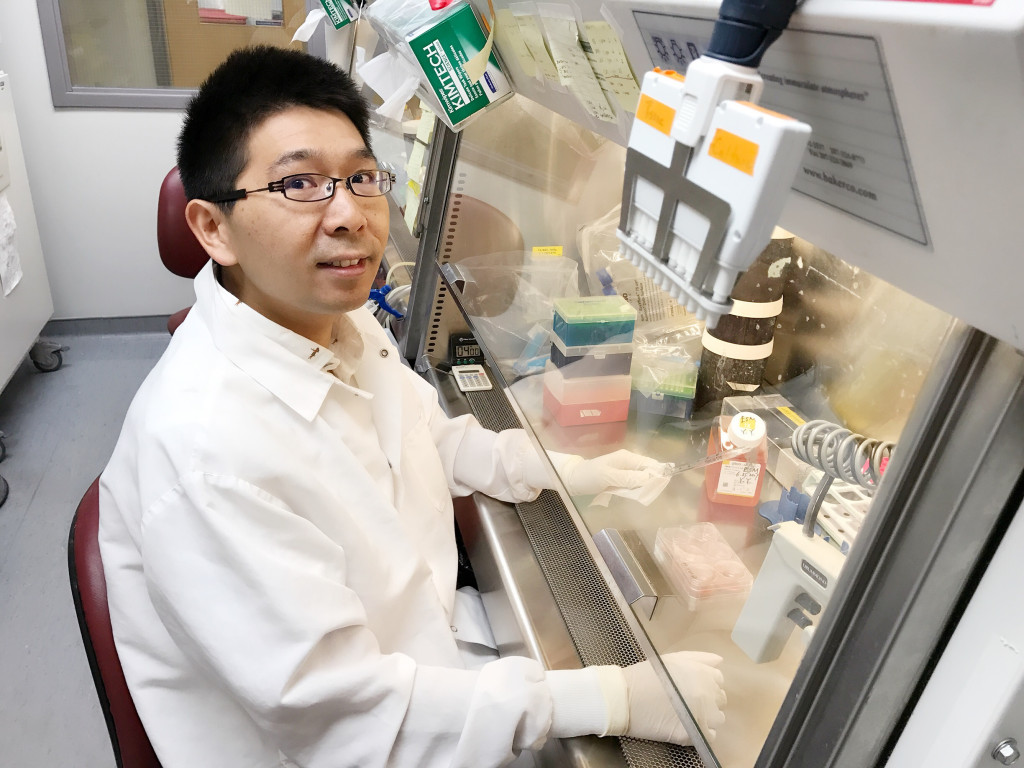
TL;DR Summary
Researchers at UW–Madison have developed a groundbreaking 3D-printing method to create functional human brain tissue, allowing for the study of neurological and neurodevelopmental disorders such as Alzheimer’s and Parkinson’s diseases. The new technique involves horizontally layering brain cells in a softer "bio-ink" gel, enabling the cells to grow and communicate with each other, forming networks comparable to human brains. This advancement offers precision and flexibility for studying brain development, neurodegenerative disorders, and more, and is accessible to many labs without requiring specialized equipment.
Topics:health#3d-printing#brain-tissue#neurodevelopmental-disorders#neuroscience#science-and-technology#uw-madison
- UW–Madison researchers first to 3D-print functional human brain tissue University of Wisconsin-Madison
- Revolutionary 3D-Printed Brain Tissue Mimics Human Function Neuroscience News
- First-ever growing, communicating brain tissue 3-D printed by UW-Madison research team Channel3000.com - WISC-TV3
- 3D-Printing of Brain Tissue: A Revolutionary Breakthrough in Neurological Research Medriva
- UW-Madison researchers unveil 3D-printed functional human brain tissue Australian Manufacturing
Reading Insights
Total Reads
0
Unique Readers
7
Time Saved
4 min
vs 5 min read
Condensed
90%
833 → 83 words
Want the full story? Read the original article
Read on University of Wisconsin-Madison