The U.S. has increased visa bond deposits to $15,000 for travelers from 13 countries, mainly in Africa, requiring them to post these bonds when applying for a visitor visa, while exempting those from countries in the visa waiver program.
Recent guidance from the Trump administration states that new H-1B visa applicants, as well as those requesting amendments, changes of status, or extensions within the US, will not be subject to the $100,000 fee introduced in a White House proclamation, though the fee still applies to petitions filed outside the US or requiring departure before adjudication. The guidance aims to clarify implementation amid legal challenges and concerns from various sectors about the impact of the fee on foreign workers and US industries.
The US has introduced new visa rules requiring foreign students to unlock their social media profiles for review by US diplomats, who will scrutinize online activity for hostility, support for terrorism, or antisemitism, as part of a broader effort to enhance national security and vetting processes.
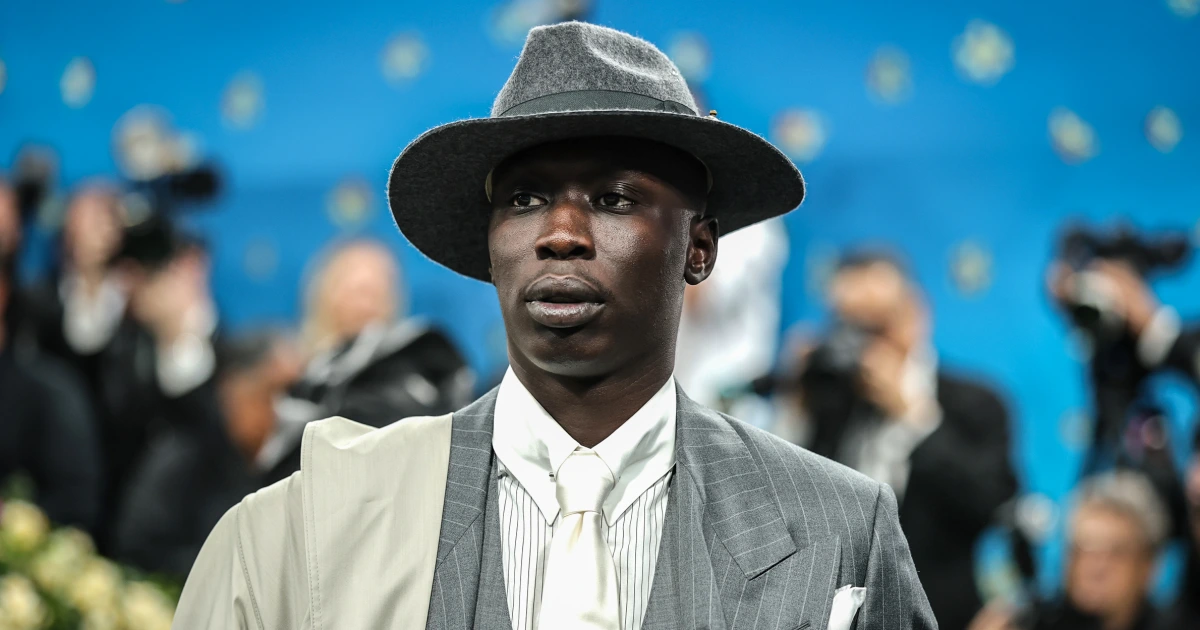
TikTok star Khaby Lame was detained by U.S. immigration officials for overstaying his visa and was told to leave the country, though his representatives deny he visited the U.S. recently. The incident occurs amid increased immigration enforcement in the U.S., with other high-profile cases highlighting heightened scrutiny at borders.
College coaches and international athletes are facing uncertainty due to a pause in U.S. student visa interviews, which could disrupt upcoming sports seasons and recruitment plans, especially if the delay extends into the summer, impacting athletes' ability to arrive on time for their college programs.
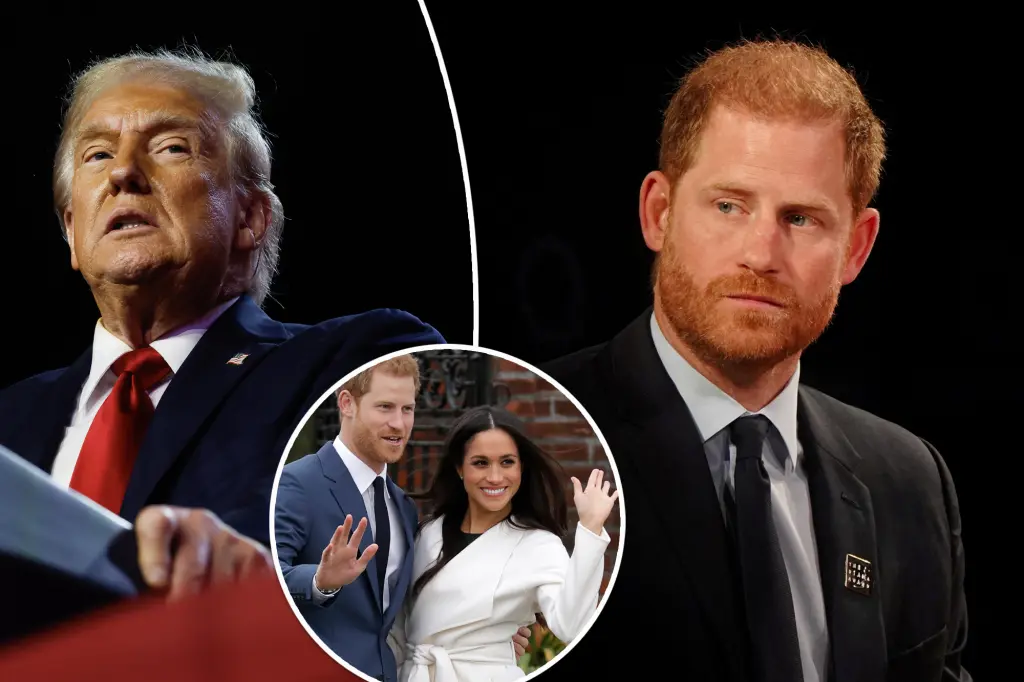
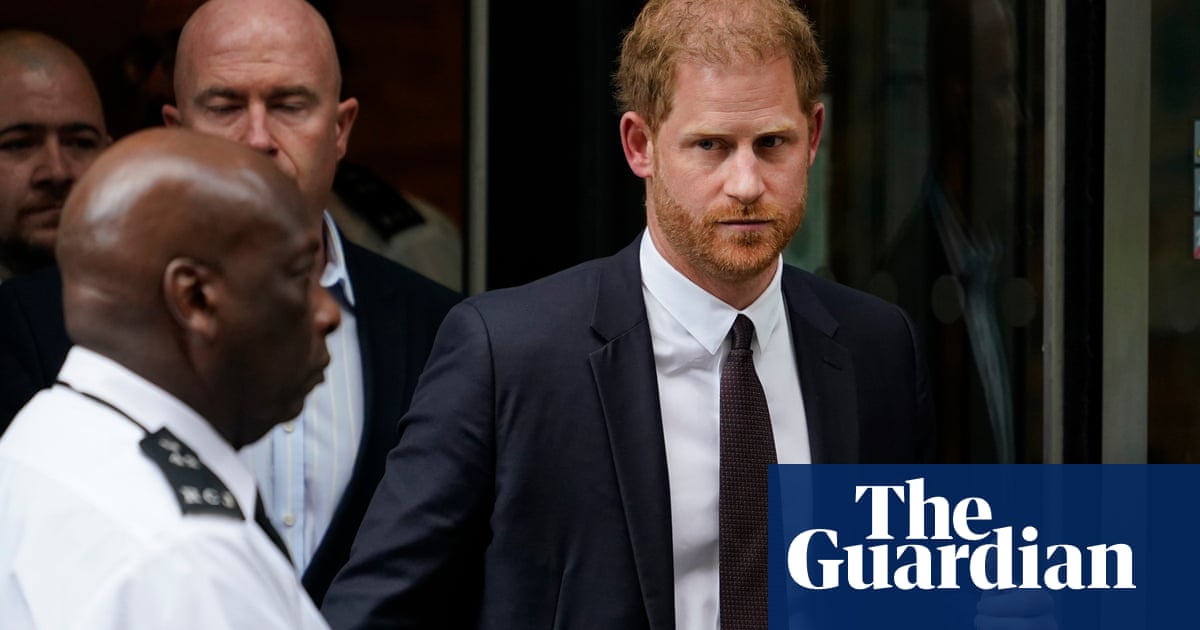
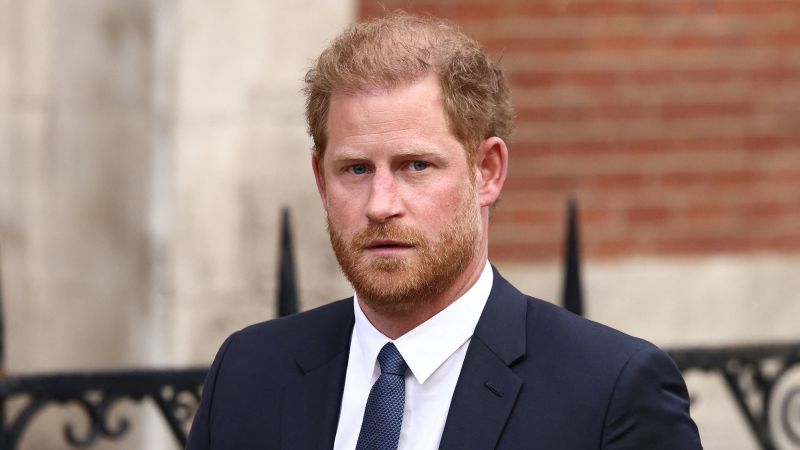
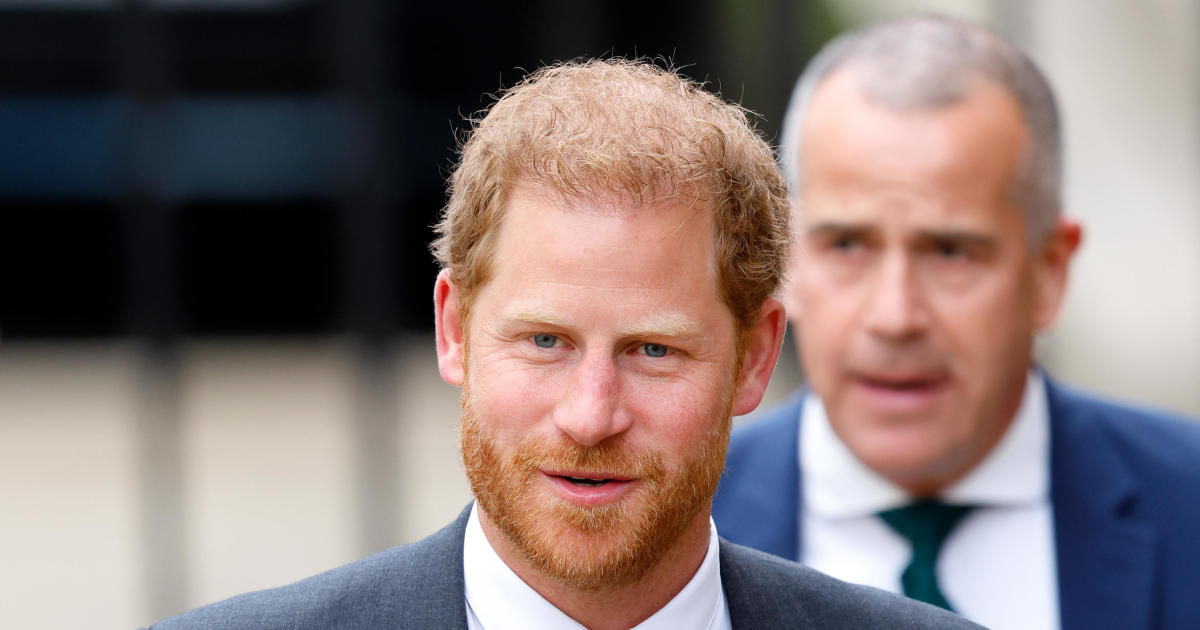
Donald Trump's presidency could impact Prince Harry and Meghan Markle, as Trump has expressed intentions to deport Harry due to his past drug use, which could affect his US visa status. Harry is currently in a legal battle to keep his visa application private, complicating Trump's potential actions. Trump has criticized the Biden administration for being lenient towards the Sussexes and has previously expressed disdain for Harry's perceived betrayal of the British monarchy.
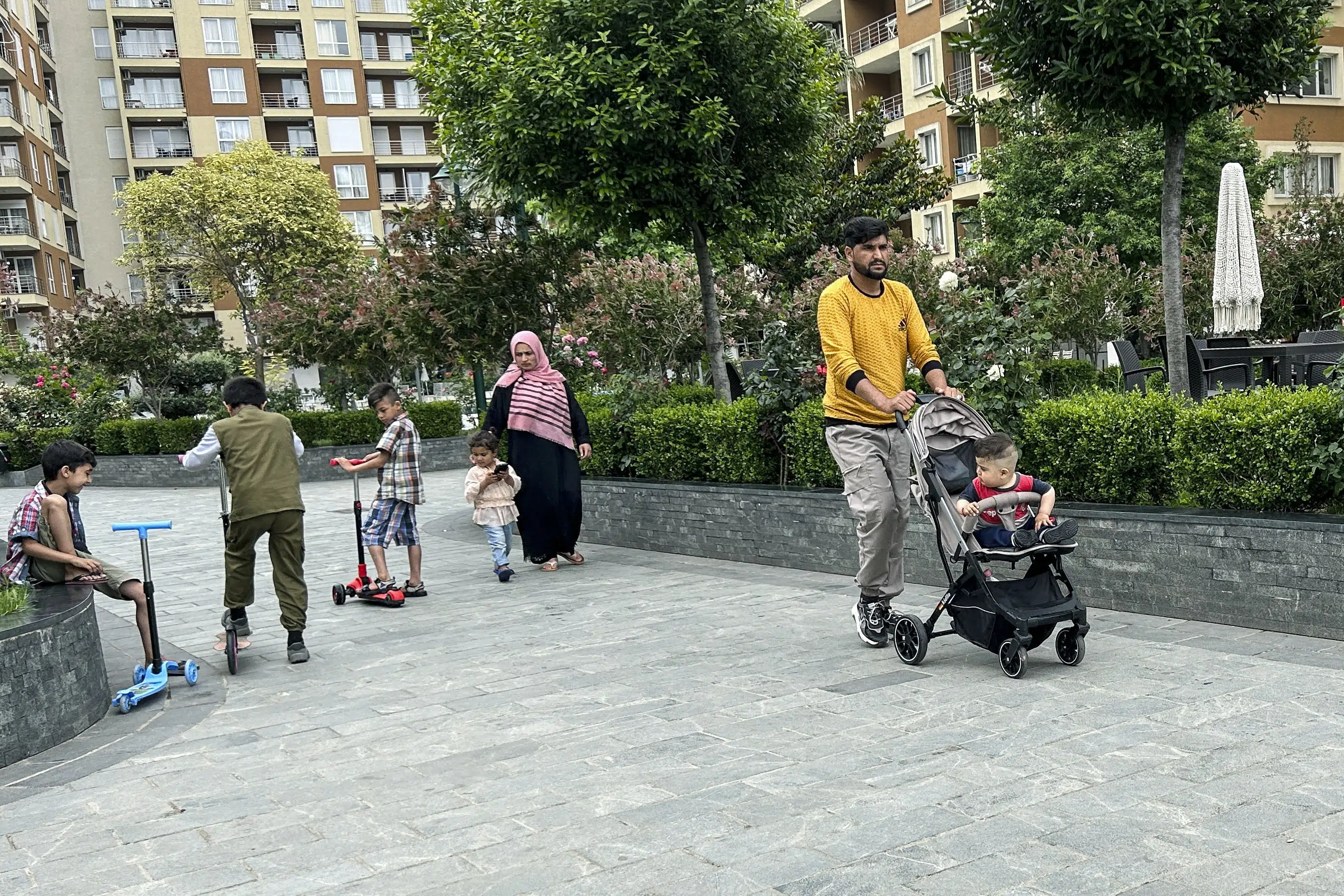
Hundreds of Afghans who fled the Taliban takeover are stuck in Albania, waiting for their promised US visas. Despite finding work and trying to live a normal life, they are haunted by the fear and concern for their families back home. The prolonged visa process has left them in limbo, with some staging protests last year. Albania has agreed to house them for longer if their visas are delayed, but finding jobs is a challenge. The Taliban's hard-line path has prompted an international outcry, and efforts to permanently resolve the immigration status of Afghans in the US have stalled.
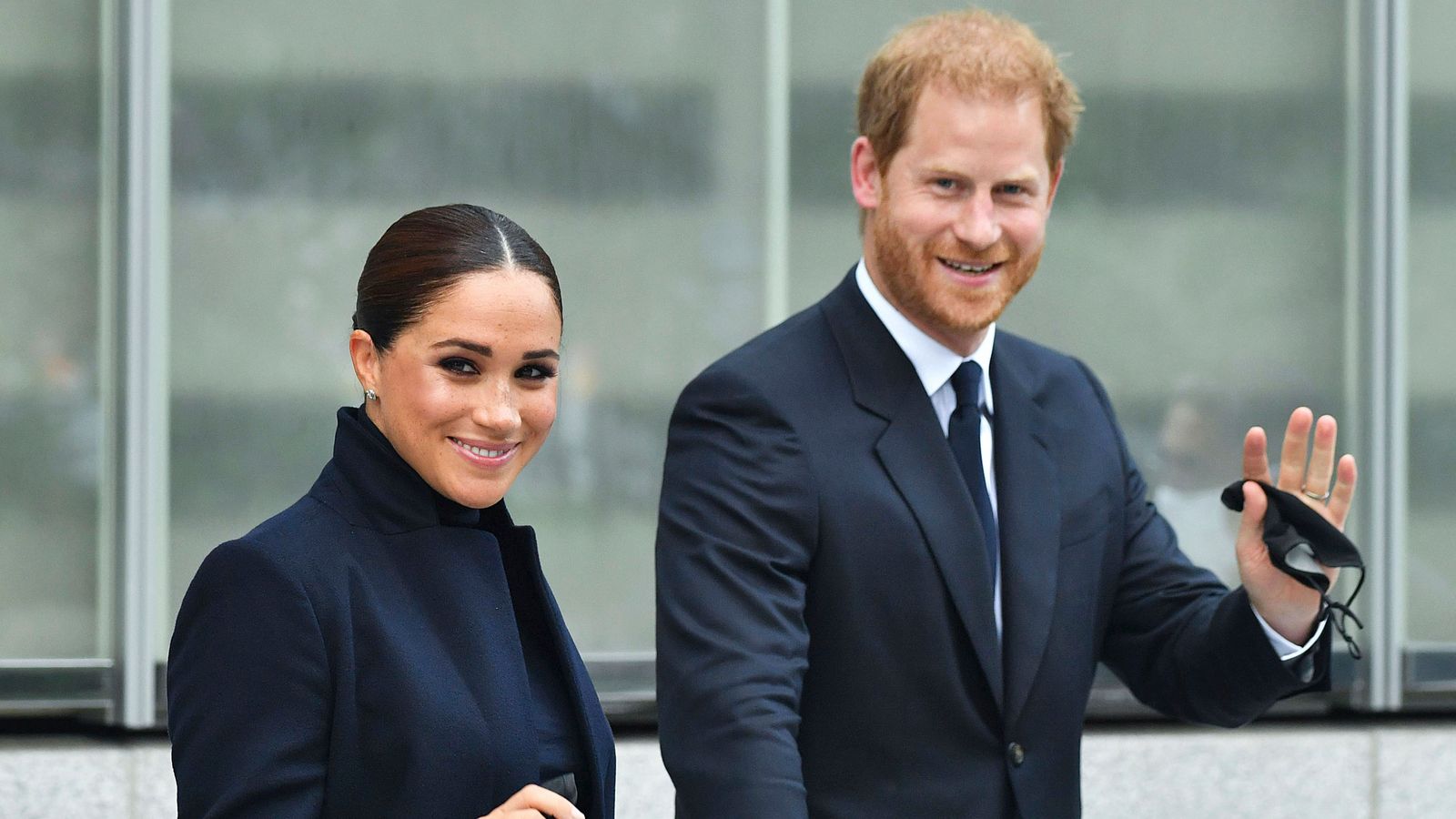
Prince Harry's US visa application is under scrutiny in a US Federal Court case brought by the Heritage Foundation, a conservative US-based think tank, which alleges that the Department for Homeland Security (DHS) operates double standards and preferential treatment. The case hinges on two questions in the visa application related to drug use and violation of controlled substance laws. The Heritage Foundation wants a judge to instruct the DHS to unseal Prince Harry's visa application to determine if he answered truthfully, which could lead to perjury charges if he lied. The case will be subject to further legal argument before a judge decides whether or not to release the prince's visa application.
A rightwing thinktank, the Heritage Foundation, has alleged that Prince Harry may have lied about past drug use on his US visa application and has asked the Department of Homeland Security (DHS) to release his application via the Freedom of Information Act. The DHS has denied the Foia requests, arguing that a person’s visa status is confidential. The Heritage Foundation argues that “widespread” coverage of Harry’s admitted drug use calls into question whether the government properly followed immigration law when it admitted him into the US and whether he was given preferential treatment. The DHS has until 13 June to decide whether or not it will expedite or respond to a request for the records.
The Heritage Foundation, a conservative think tank, is suing the US government to unseal Prince Harry's immigration records following revelations of drug use in his recent book. The foundation argues that evidence of past drug use can be grounds to reject a US visa application. The case will be heard in a federal court on June 6. The foundation filed a complaint under the Freedom of Information Act to compel the government to release Harry's immigration file, which was initially rejected due to lack of consent from Harry. The foundation argues that the public deserves answers to the serious questions raised by the evidence.
The Heritage Foundation has filed a lawsuit against the Department of Homeland Security (DHS) to obtain records related to Prince Harry's U.S. visa application, questioning whether DHS acted properly after the Duke of Sussex admitted to using drugs on U.S. and foreign soil. The think tank seeks to "compel the production of information" related to DHS' decision to admit the duke into the United States "and to allow him to remain to date." The hearing will be held Tuesday in federal court in Washington, D.C.