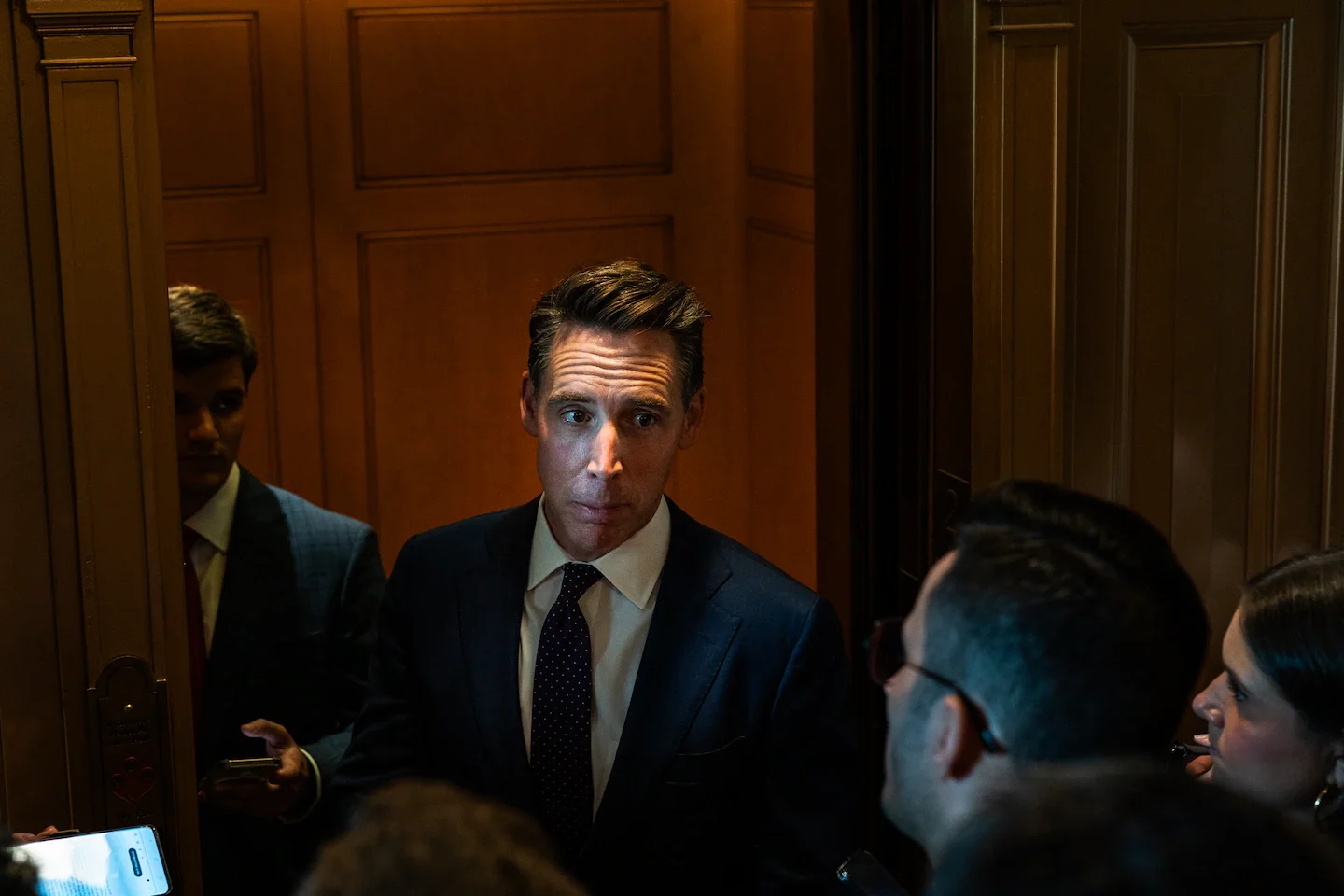
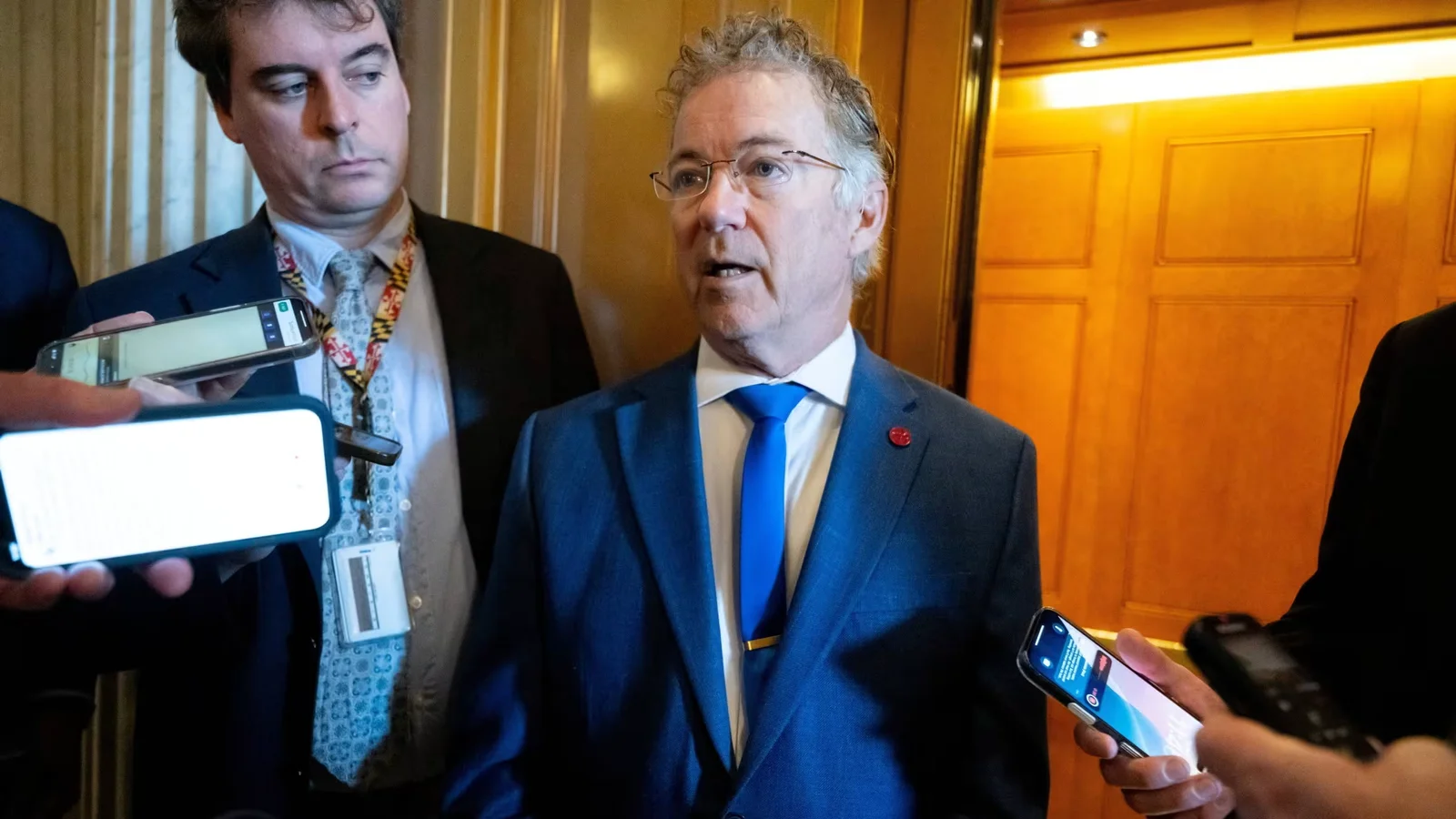
Two U.S. senators visited Kyiv and a key Ukrainian port city to urge fresh sanctions on Russia, meeting President Volodymyr Zelensky and signaling bipartisan congressional pressure on Moscow amid ongoing Western efforts.
In battleground Michigan, Rep. Haley Stevens, state Senator Mallory McMorrow, and Abdul El-Sayed are competing for the Democratic U.S. Senate nomination, each promoting a different approach to tackling rising costs and making life more affordable for Michiganders as they eye likely Republican challengers.
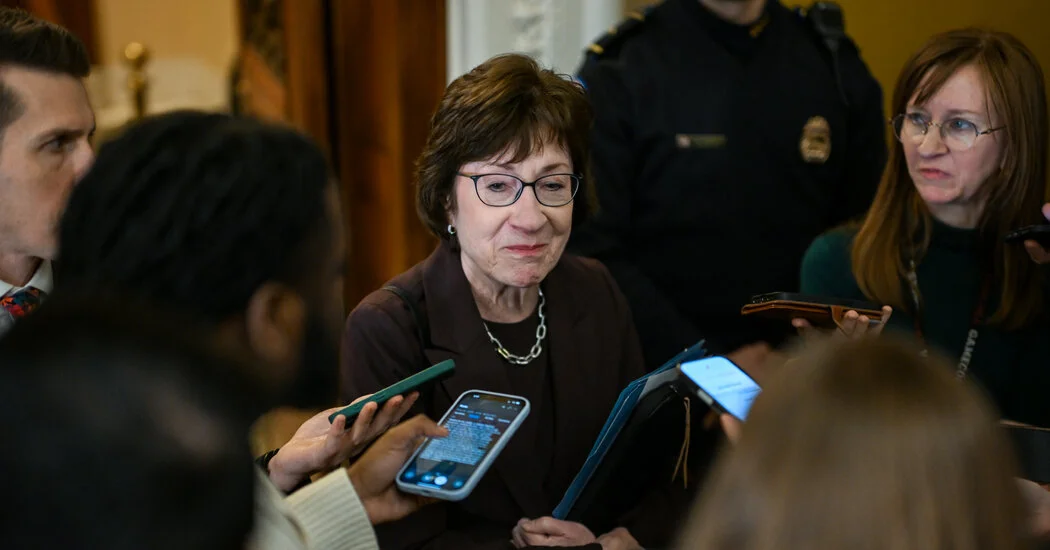
Senator Susan Collins of Maine announced a bid for a sixth term, positioning herself as a centrist in a race Democrats consider essential to flipping the Senate. Despite being a reliable vote for Trump-era policies, Collins faces a tough, well-funded challenge from Democrats in Maine, including Gov. Janet Mills and progressive challenger Graham Platner, who has outraised Mills. The race is expected to be among the costliest in 2026, with substantial outside spending and Collins currently holding a fundraising edge over both Democrats. Trump criticized Collins after she voted to begin debate on Venezuela policy.
President Donald Trump and Senate Democrats said they’d strike a deal to fund most of the federal government, keeping Department of Homeland Security spending at existing levels for two more weeks while parties negotiate new immigration‑enforcement restrictions, a plan announced less than 30 hours before a possible shutdown and framed by the killing of Alex Pretti in Minneapolis.
Senate Democrats released a formal list of changes they want attached to funding for the Department of Homeland Security after federal agents shot and killed Alex Pretti in Minneapolis, signaling they will block a broad DHS funding package as a partial government shutdown looms.
Senate Democrats plan to block a sweeping government funding package after a Border Patrol shooting in Minneapolis, signaling a possible partial government shutdown next weekend; lawmakers may consider separating Homeland Security funding from other agencies to avert a broader impasse.
Senate Banking Chair Tim Scott postponed a markup of a sweeping cryptocurrency bill after Coinbase opposed the latest version, underscoring a key impasse over whether exchanges can offer yield-bearing stablecoin rewards. Lawmakers vow to keep negotiating a compromise palatable to both banks and crypto firms, aiming to provide regulatory clarity on token securities and commodities; leaders like Mark Warner and Cynthia Lummis say there is a path forward, though negotiations are expected to stretch into February.
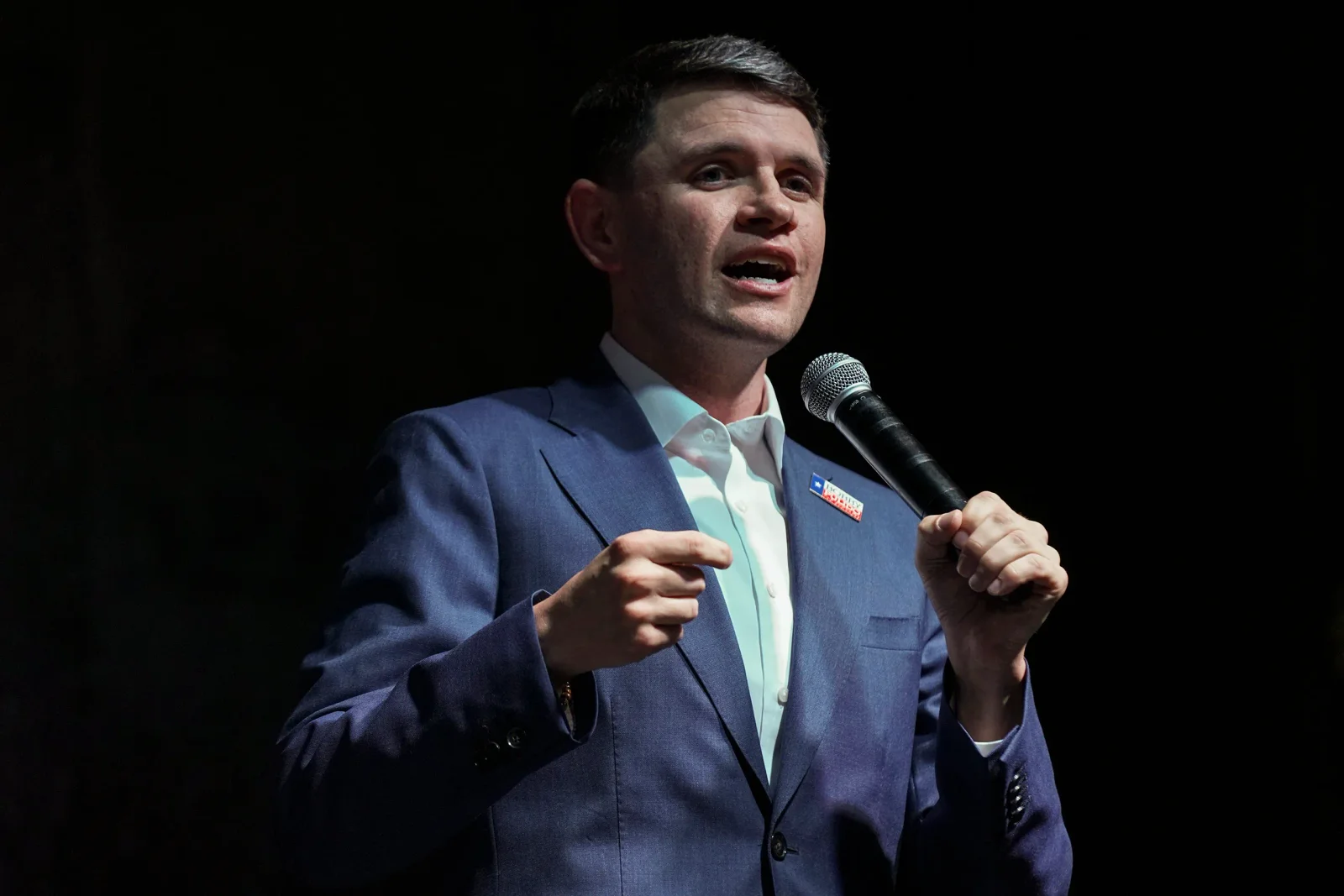
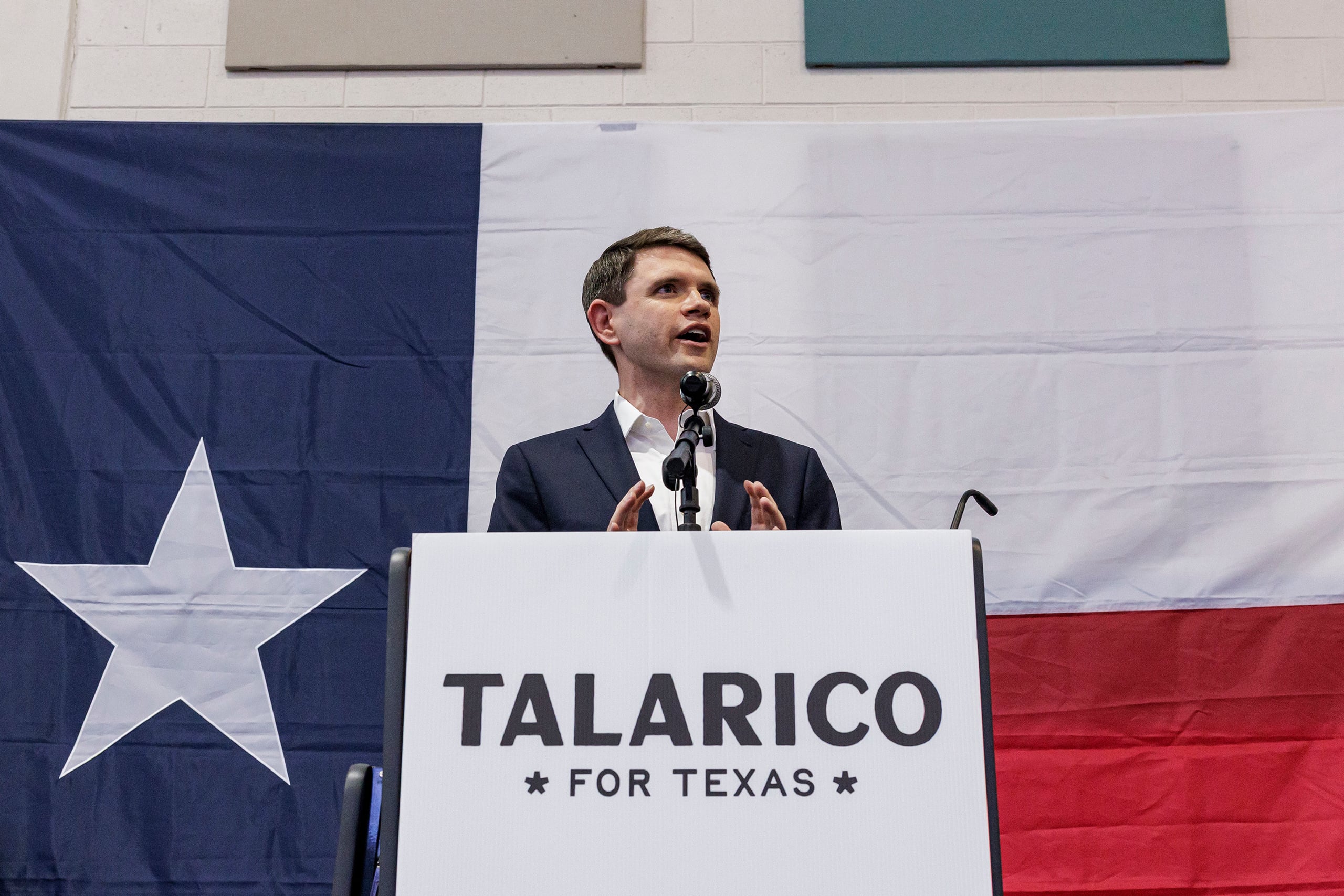
Emerson College’s poll of 413 likely Texas voters shows state Rep. James Talarico leading U.S. Rep. Jasmine Crockett by 9 points in the Democratic Senate primary (47% to 38%), with 15% undecided, marking a shift from a December TSU poll that put Crockett ahead. Talarico leads among Latino and white voters, while Crockett has strong backing from Black voters; Crockett’s Black-voter support stands around 80%. On the GOP side, Ken Paxton and John Cornyn are in a near dead heat (27% vs. 26%) with Wesley Hunt at 16%, suggesting a May runoff if no candidate clears 50% in March. The Emerson poll also finds head-to-head matchups that favor Cornyn or Hunt over Crockett but show Talarico narrowly ahead of the Republican field; Texas voters’ top concerns remain the economy, with immigration dropping to No. 2 and threats to democracy rising. Trump’s Texas approval rating has slipped to a net +2.
The U.S. Senate Banking Committee postponed a discussion of a draft cryptocurrency regulation bill hours after Coinbase CEO Brian Armstrong opposed it, arguing the plan would define tokens as securities or commodities and could curb tokenized equities and stablecoin rewards; with Coinbase’s backing in doubt, the bill’s fate remains uncertain.
The Senate blocked a bipartisan measure intended to prevent further military action by the president in Venezuela after two Republicans withdrew support due to pressure from the Trump administration, causing the war-powers bill to fail and leaving U.S. policy in Venezuela unresolved.
Louisiana Senator John Kennedy’s book, How to Test Negative for Stupid: And Why Washington Never Will, has become a surprising hit, selling nearly half a million copies and spending 13 weeks on The New York Times bestseller list. The memoir offers an insider, tongue-in-cheek tour of Congress and Capitol Hill, mixing Kennedy’s sharp one-liners with candid portraits of colleagues and the Senate’s quirks, and it has outpaced more traditional policy-focused political tomes.
The US Senate has voted to prevent President Trump from taking further military action in Venezuela, signaling a move to limit executive power in foreign interventions.
Texas State Rep. James Talarico has raised nearly $7 million in the latest quarter, bringing his total to $13 million for his U.S. Senate bid, demonstrating strong fundraising momentum despite a competitive primary and a poll showing his opponent leading. Most donations are small and from individuals, with no corporate PAC contributions, and his campaign aims to win both the primary and general elections.
Former US Senator Ben Nighthorse Campbell of Colorado, a Native American and Olympic judo gold medalist, known for his distinctive political career and advocacy for tribal rights, has died at age 92. He served in the military, was a prominent politician who switched from Democrat to Republican, and was the only Native American in the Senate at the time of his service.
Former U.S. Senator Ben Nighthorse Campbell, a prominent Native American figure and Colorado politician who served in both the House and Senate, has died at age 92. Known for his bipartisanship, advocacy for Native American issues, and diverse career including Olympic judo participation, Campbell's life was marked by significant contributions to politics, sports, and Native American heritage.