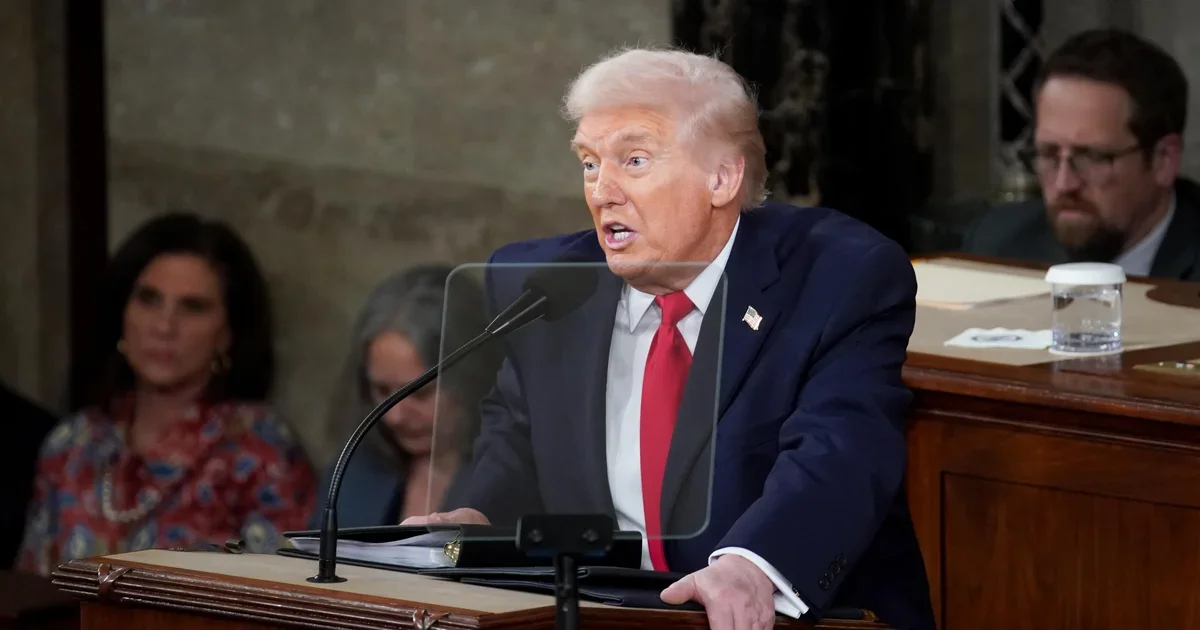
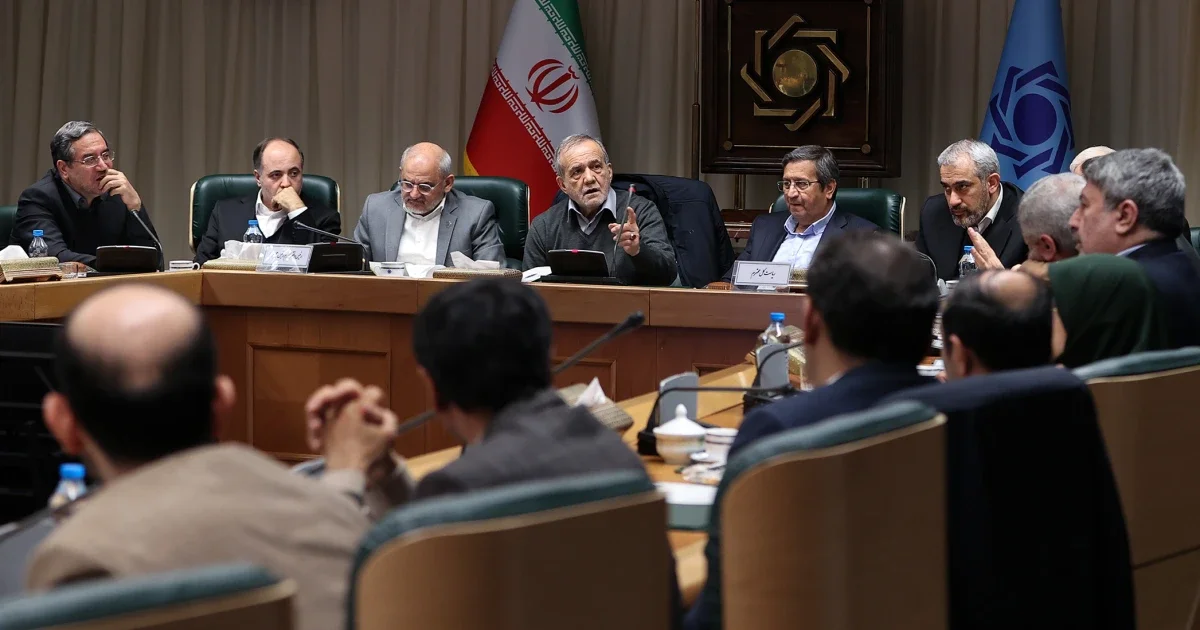
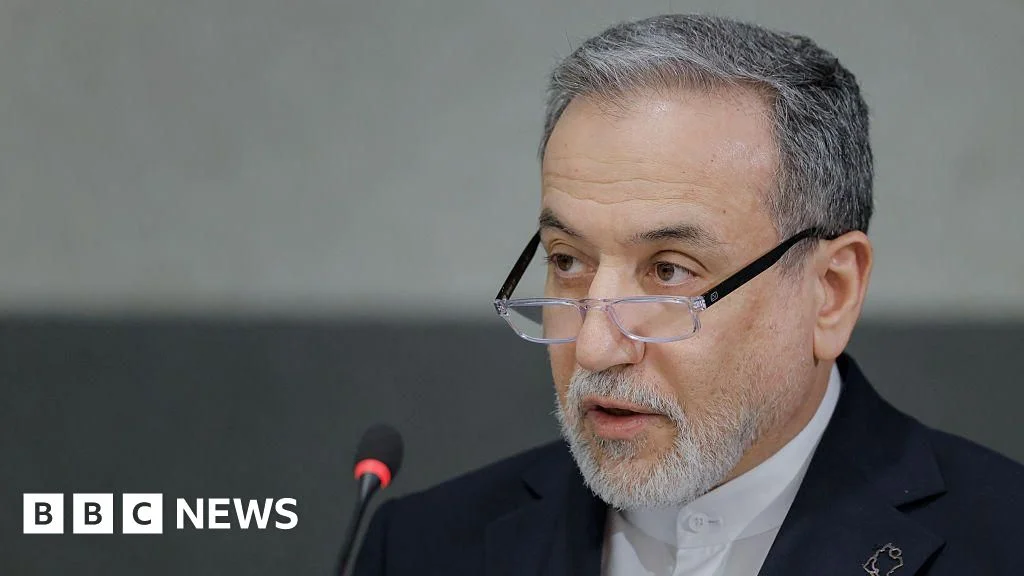
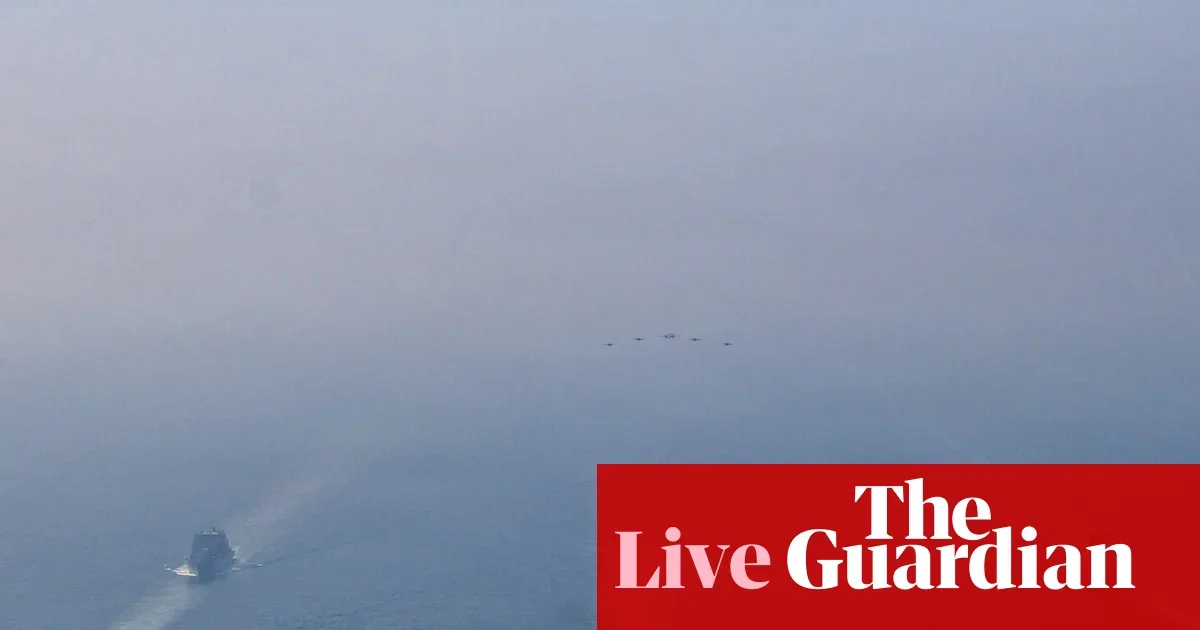
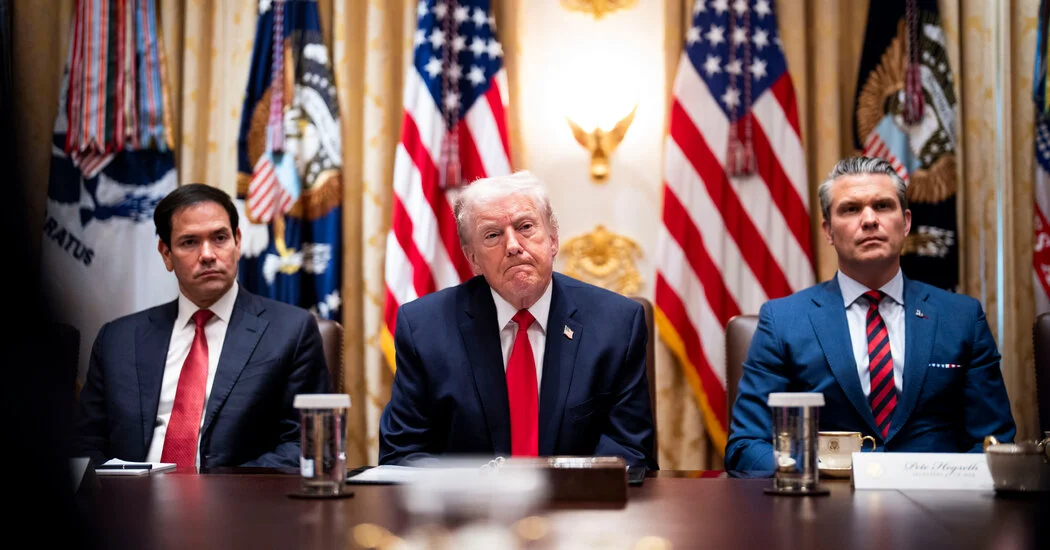
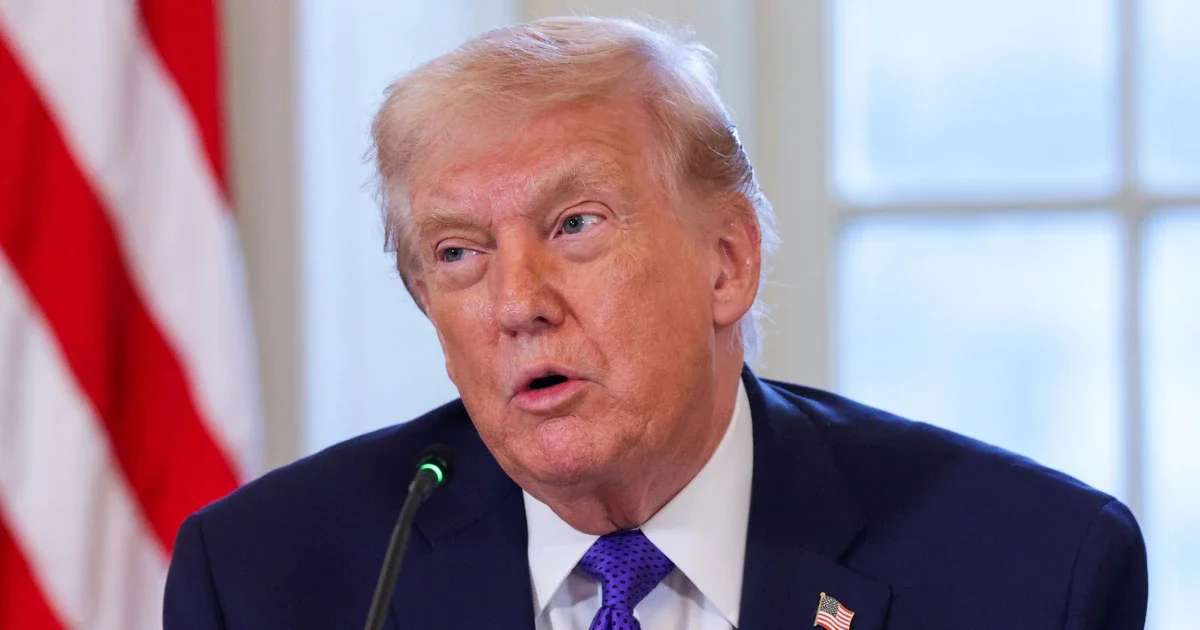
In his State of the Union address, President Trump urged Iran to publicly promise it will never develop a nuclear weapon, signaling a preference for diplomacy while hinting at possible military action if Tehran refuses; the U.S. continues indirect talks and has deployed naval forces to the Middle East.
As Trump prepared to deliver the State of the Union, Democrats pressed for the White House to publicly outline its Iran strategy after a classified briefing on potential military action, with lawmakers urging the president to make the case to the American people and detail goals and safeguards. The briefing was part of a broader set of Capitol Hill actions around security and funding, including ongoing tensions over Homeland Security funding and partisan disagreements on how to proceed with aviation safety and other policy priorities.
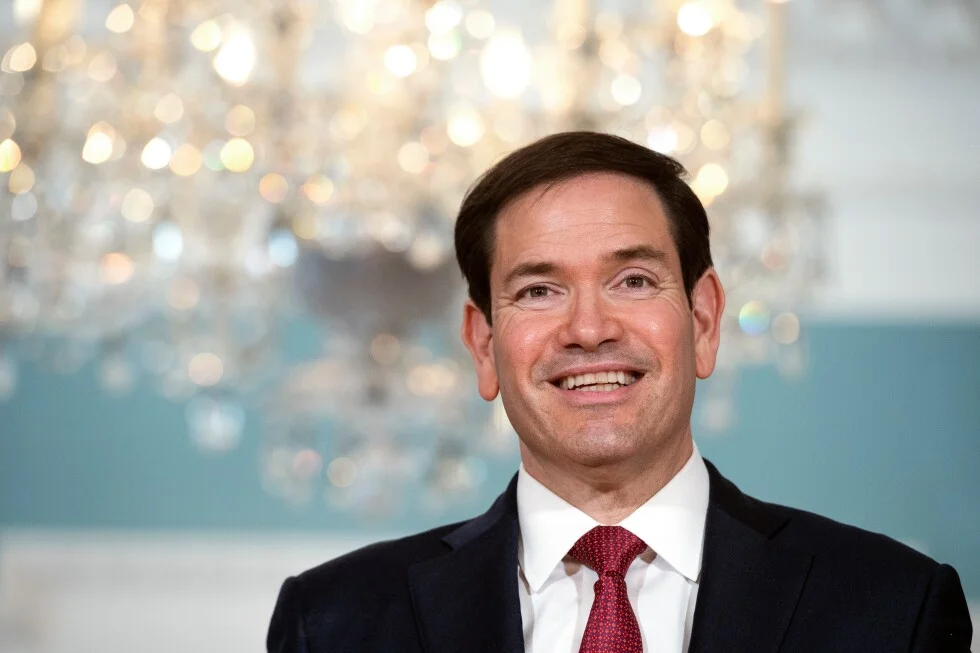
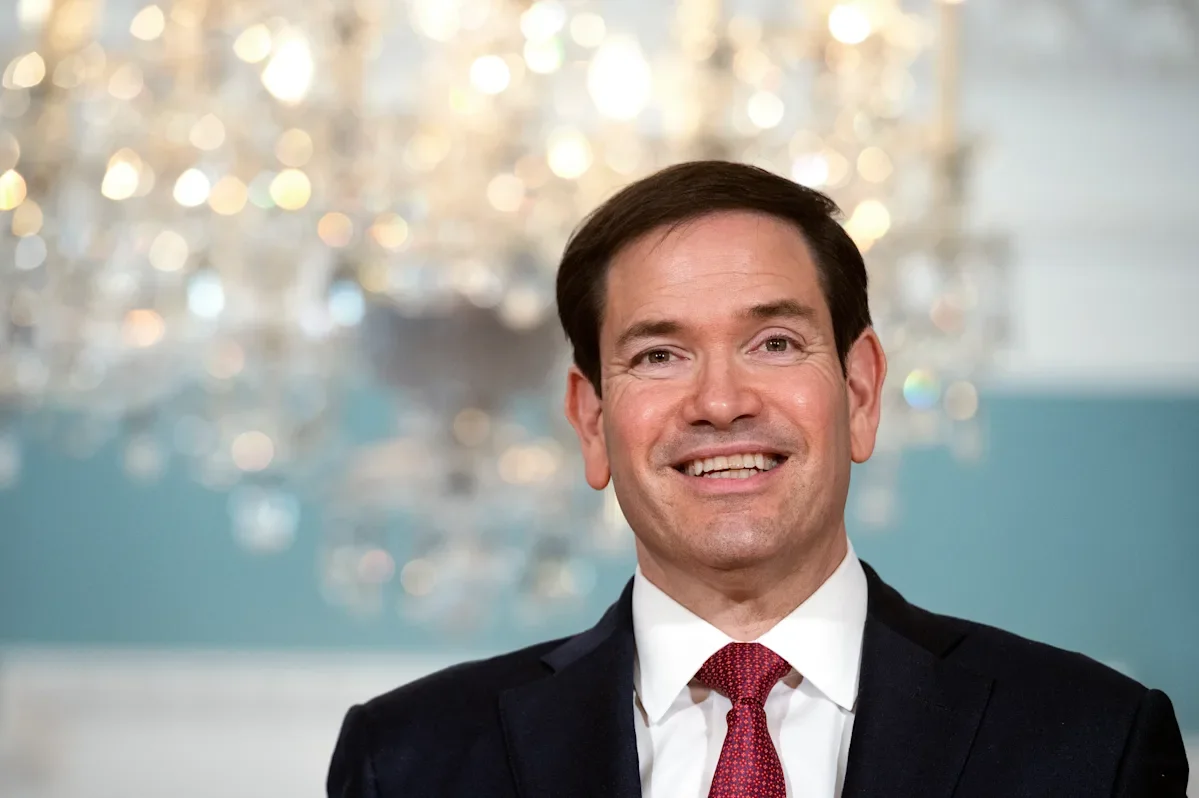
Secretary of State Marco Rubio will privately brief House and Senate leadership and the top members of the intelligence committees at the White House on Iran as the administration weighs possible military action, ahead of President Trump’s State of the Union. The meeting, not on Trump’s public schedule, underscores ongoing debates over authorization for any use of force while the U.S. builds up forces in the Middle East and Iran’s nuclear program remains a flashpoint.
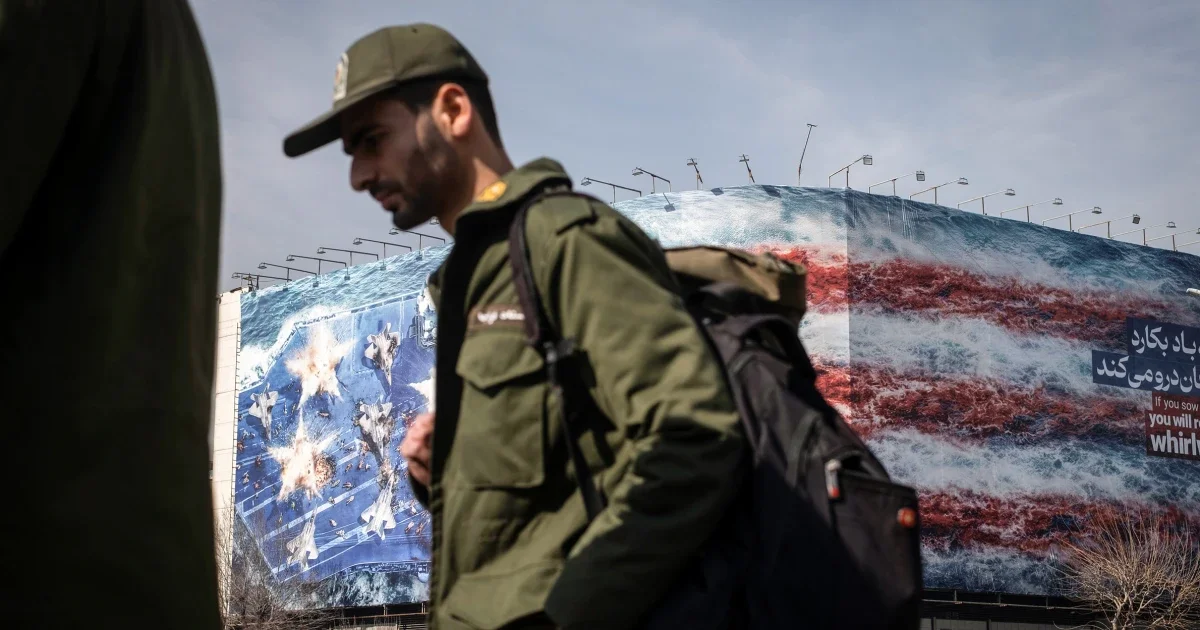
Analysts warn that even as Iran appears weakened, a U.S. strike could provoke a regionally broad and protracted conflict, with Tehran potentially targeting oil facilities, bases, and proxies across the Middle East. Washington has bolstered defenses in the region and is weighing options from limited strikes to wider action, while diplomacy with Tehran continues amid concerns about protecting U.S. troops and allies from escalation.
President Donald Trump said he is weighing a limited military strike on Iran to pressure Tehran into accepting a deal to curb its nuclear program, with officials saying the outcome could be revealed in about 10 days. The US has intensified its naval presence near Iran while talks in Geneva proceed and Iran says it is drafting a possible agreement, as tensions rise and Iran’s leaders threaten U.S. action amid domestic political pressures.
President Trump is weighing an early, limited strike on Iran to pressure a nuclear deal, citing a 10–15 day deadline as the U.S. bolsters its forces in the region with carrier strike groups; aides reportedly discussed broader operations if negotiations fail.
The U.S. military says it carried out another deadly strike against a vessel accused of trafficking drugs in the eastern Pacific, continuing its efforts to disrupt narcotics smuggling at sea.
U.S. officials say the Trump administration has not settled on concrete objectives for any potential strike on Iran as negotiations with Tehran are planned in Oman, leaving questions about whether regime change, limiting the nuclear/missile programs, or other aims would drive action; meanwhile, Washington has deployed significant forces to the region to deter escalation while pursuing diplomacy.
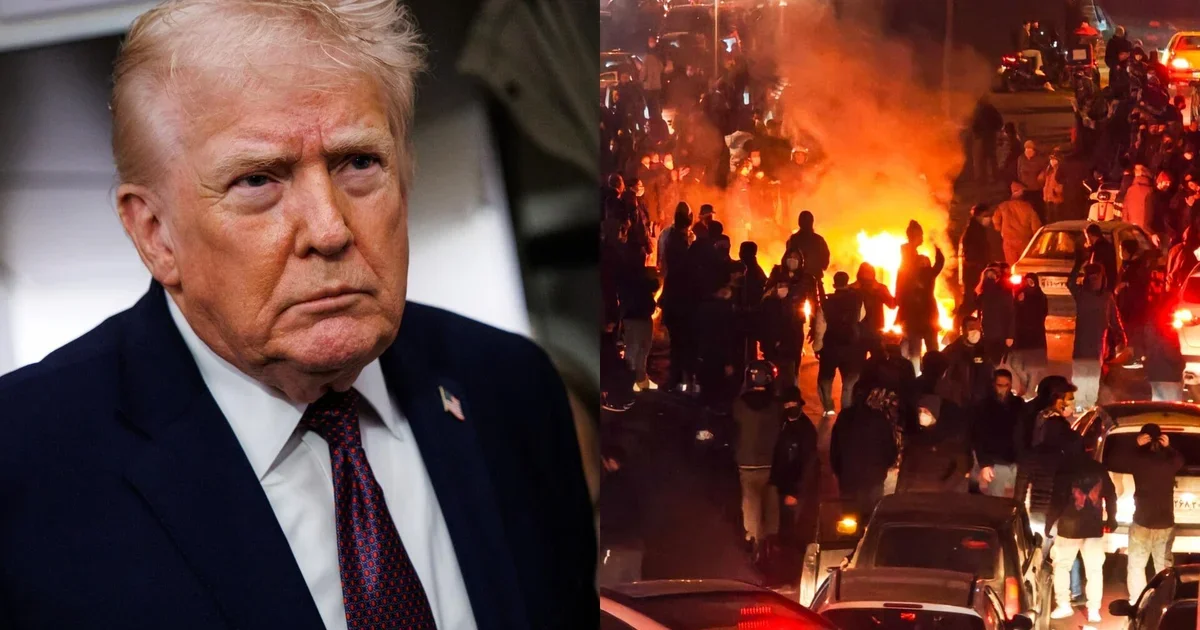
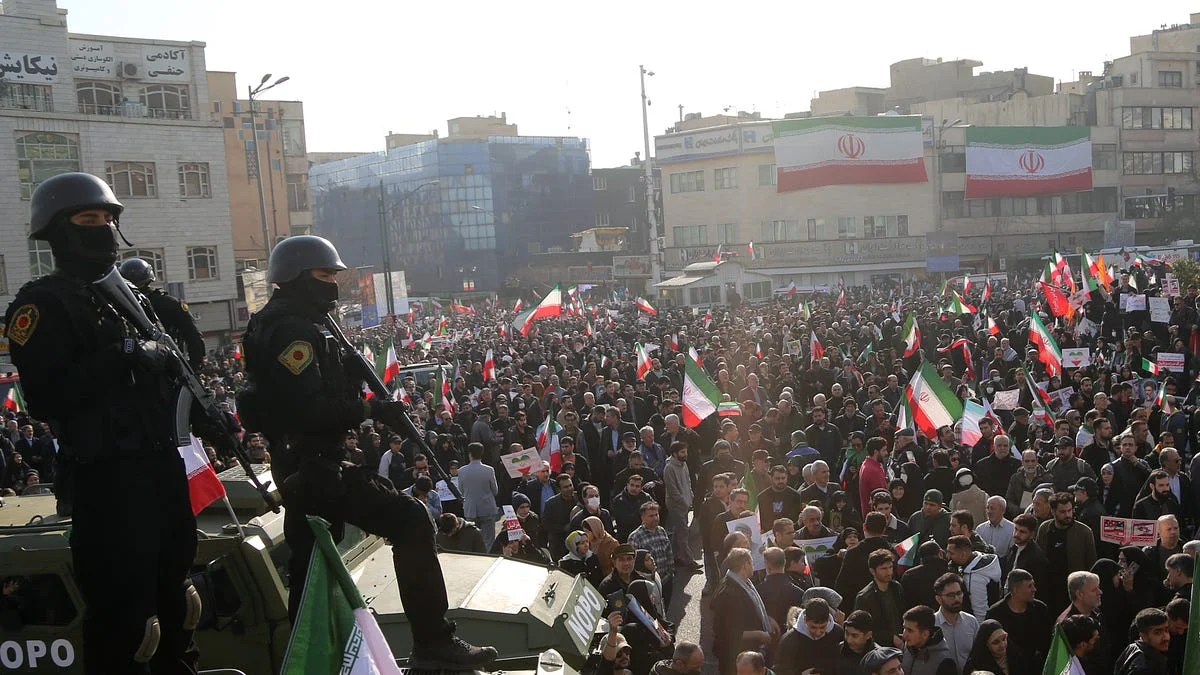
President Trump is weighing an expanded set of military options against Iran, beyond proposals from two weeks ago, including possible raids inside Iran to disrupt nuclear and missile facilities and weaken the supreme leader, in a context where protests against the Iranian government have been brutally quashed.
Sen. Marco Rubio testifies before Congress, warning that Venezuela's leadership could face future U.S. military action if it strays from Washington's goals, reflecting escalating U.S. pressure amid tensions following a U.S. operation against Maduro.
At a forthcoming Senate Foreign Relations Committee hearing, Secretary of State Marco Rubio will warn that the Trump administration is prepared to use force against Venezuela if its interim leadership strays from U.S. goals, stressing that there are no U.S. troops on the ground. He defends actions like Maduro’s removal and oil-tanker seizures, while pressing to open Venezuela’s energy sector to U.S. firms and to keep pressure on Caracas, even as Democrats accuse the administration of overreach. The move comes as Washington works to normalize ties, reopen the Caracas embassy, and coordinate with Venezuelan acting President Delcy Rodríguez, with Rubio set to meet opposition leader María Corina Machado during the visit.
Trump has told his national security team he wants any U.S. military action in Iran to be swift and decisive and not lead to a prolonged war, potentially starting with a limited strike while keeping escalation options open; advisers say there’s no guarantee Tehran would collapse quickly and no decision has been made as officials refine options and assess regional risks.
A CBS News briefing outlines potential U.S. responses to Iran's crackdown on anti-government protesters, including conventional military strikes on Iran's security forces or leadership targets, cyber and psychological operations to disrupt communications and influence loyalty, and other pressure tactics, while warnings and precautions—such as a State Department alert urging Americans to leave Iran and a precautionary drawdown at Al-Udeid Air Base—signal the White House is weighing options but has yet to commit to a course of action.
A national Quinnipiac poll shows 70% of voters oppose U.S. military action against Iran over the killing of protesters, with 18% in favor and 12% undecided; 70% also say presidents should obtain congressional approval before taking military action, with Democrats and independents largely supporting Congress as a backstop and Republicans more divided.
This Bulwark analysis argues that Iran’s current unrest is driven by economic collapse and that U.S. airstrikes would likely backfire, strengthening hardliners and worsening civilian suffering. A prudent response should prioritize diplomacy with allies, coordinated sanctions, information and influence campaigns, and intelligence to assess regime cohesion, with military options reserved as a last resort after thorough analysis and war-gaming toward a concrete end state.