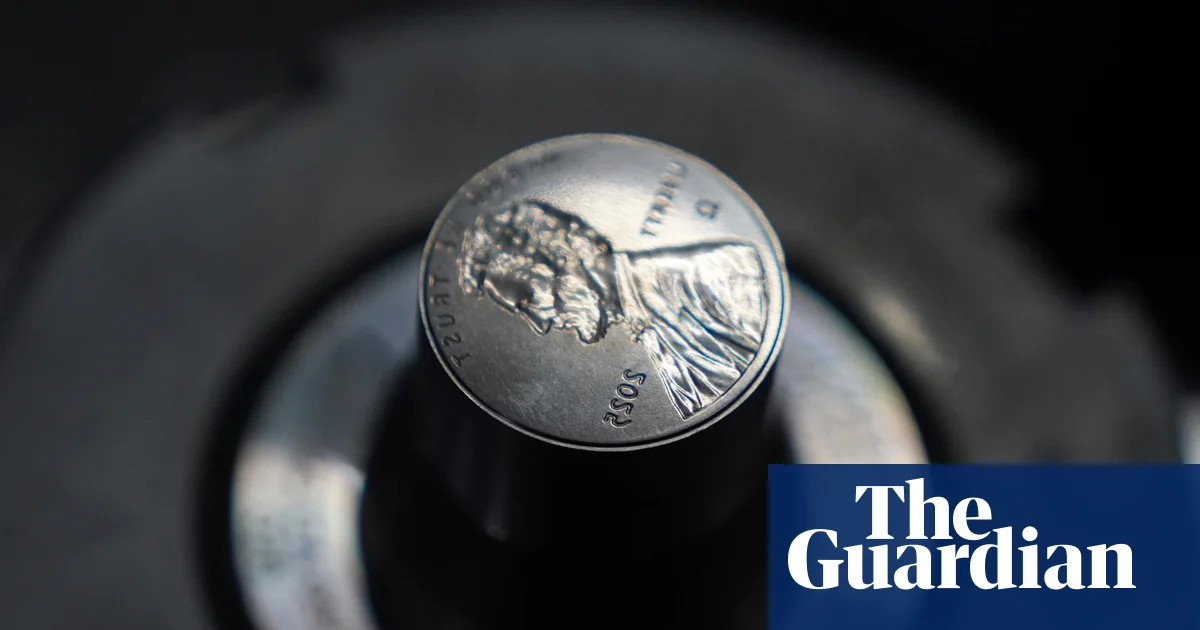
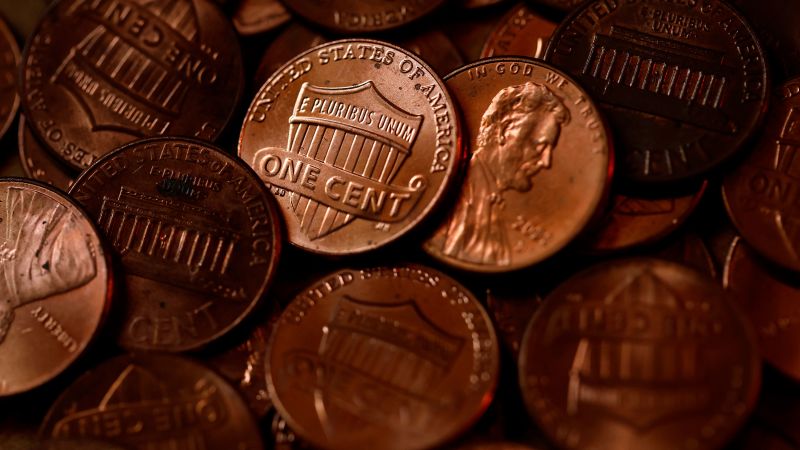
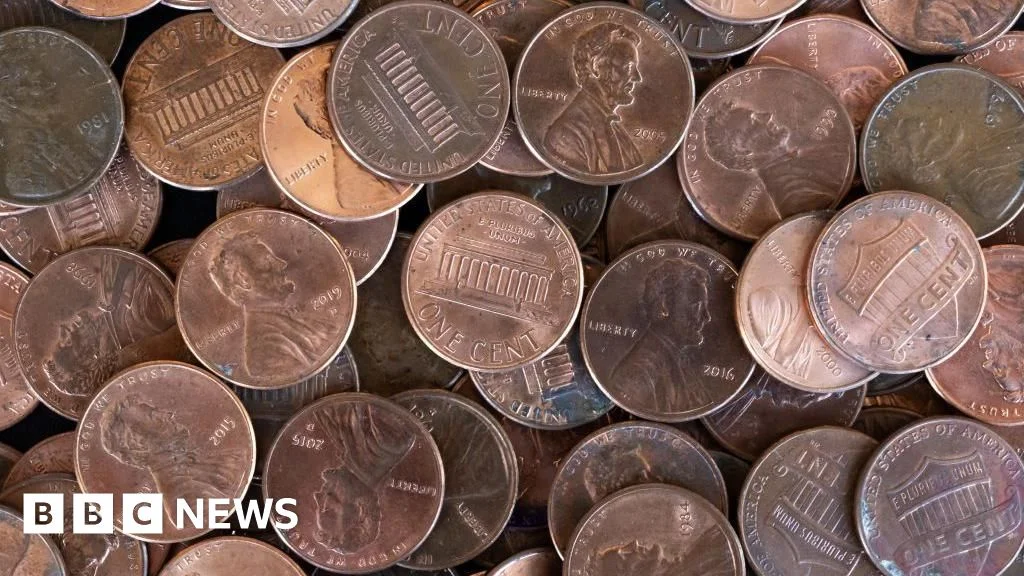
The US government stopped minting pennies in 2025 due to high production costs, leading to a surge in public interest and speculative buying of new pennies, which experts warn is driven by scams and hype rather than genuine value, as the coins are produced in large quantities and are not rare.
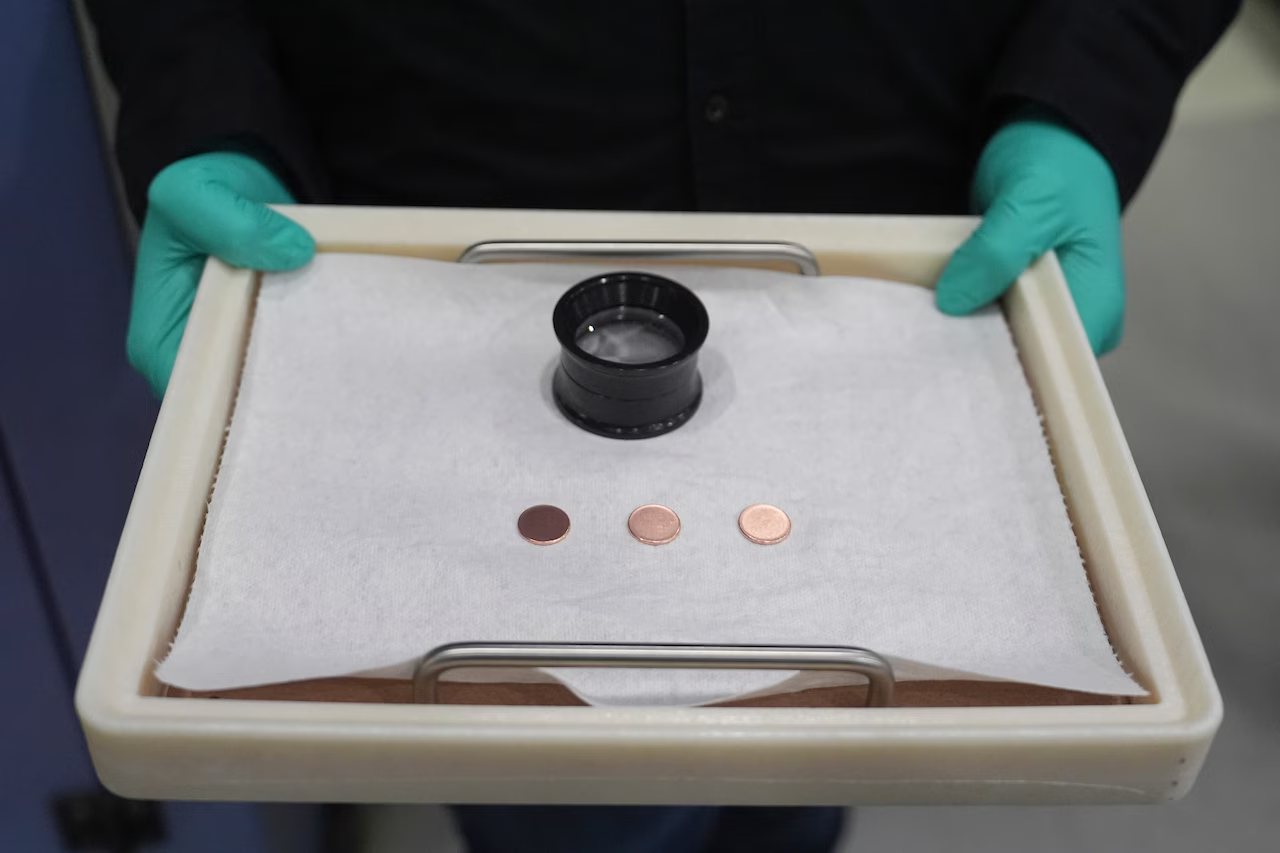
The last U.S. pennies ever produced were sold at auction for a total of $16.76 million, with the final set fetching $800,000, marking the end of an era in American coinage and sparking significant interest among collectors.
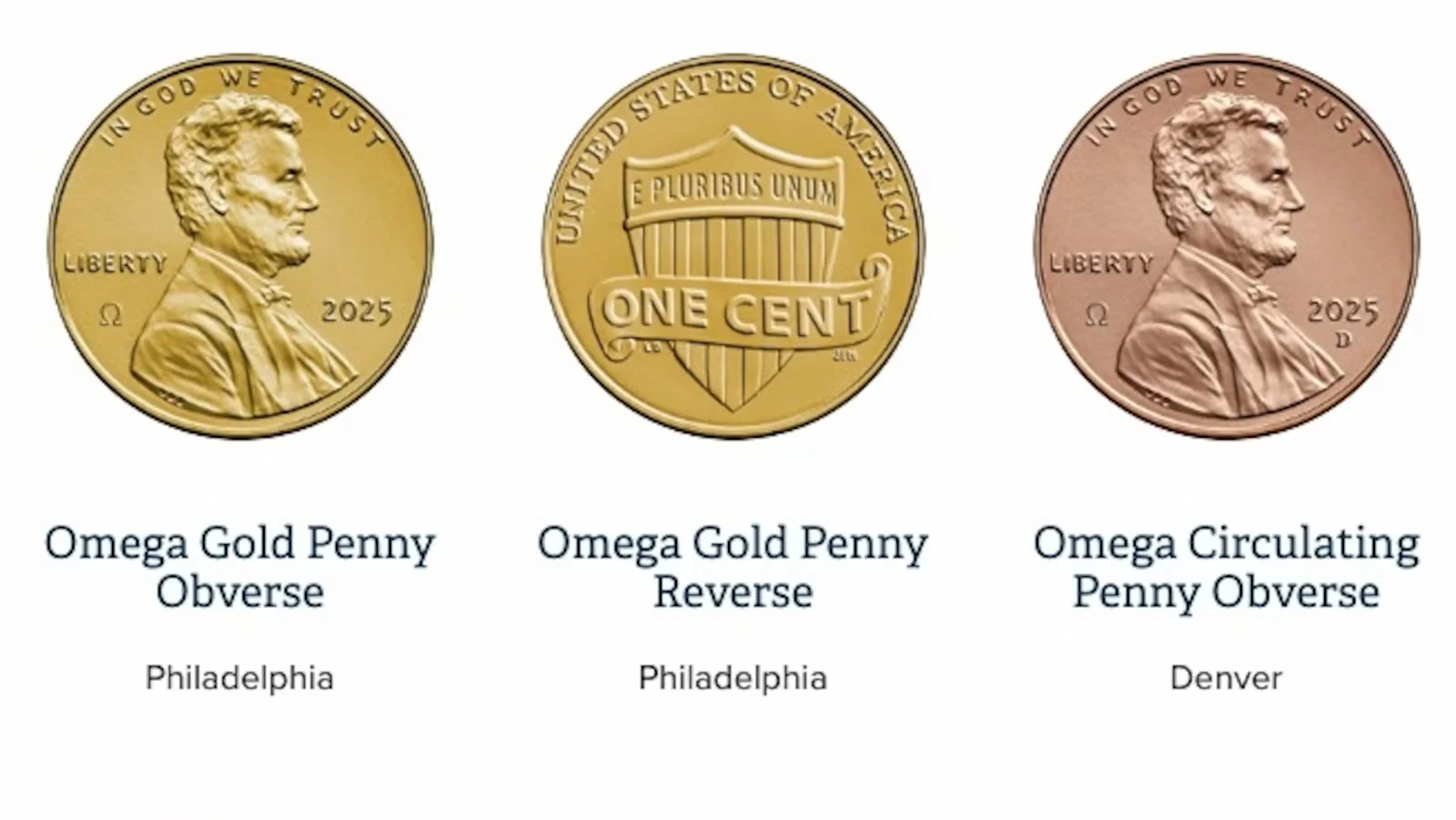
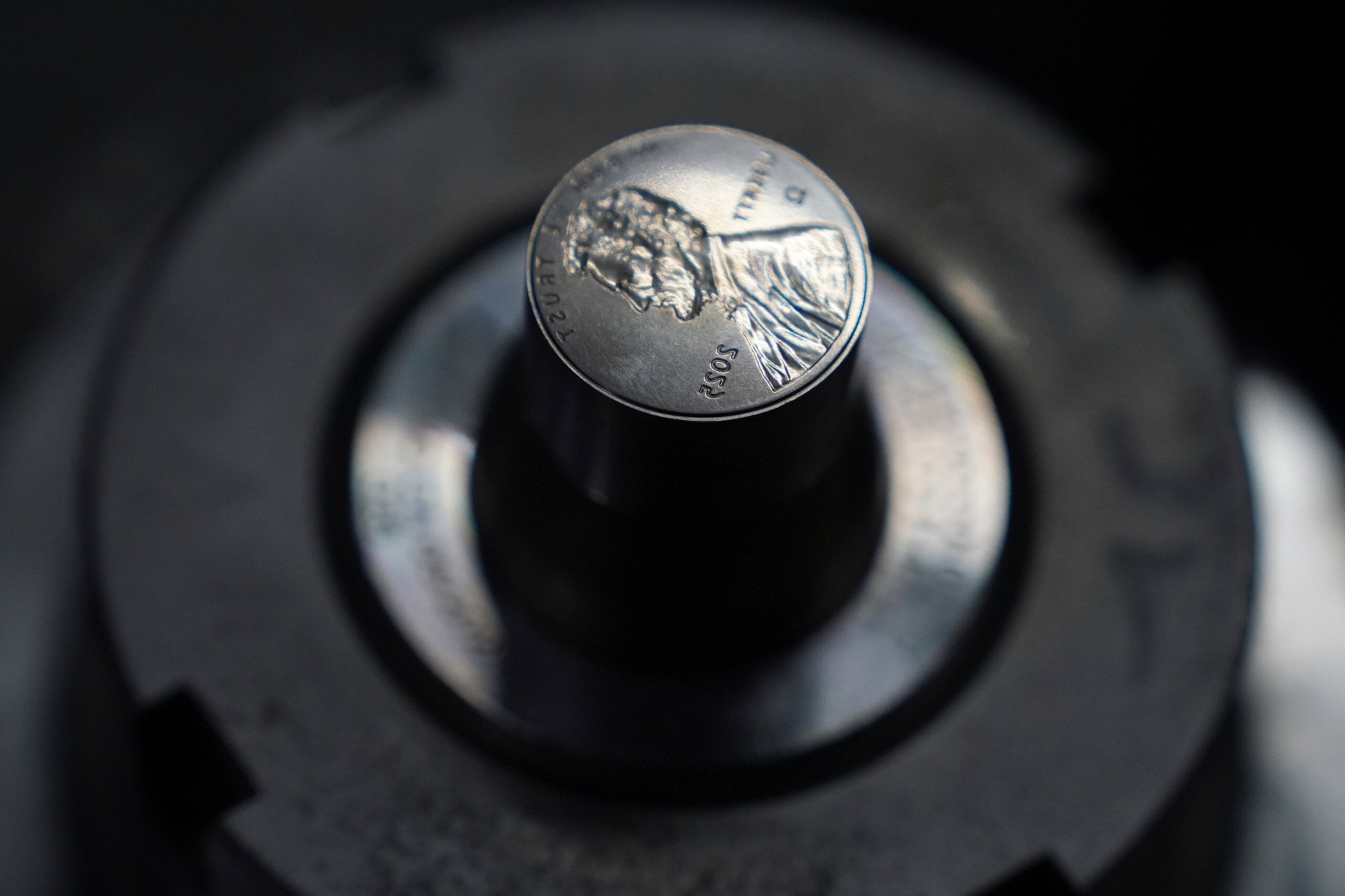
The last US pennies minted in 2025, featuring a Greek omega symbol, sold for over $16.76 million at auction, with the final set fetching $800,000, marking a significant numismatic event amid the halt in penny production due to cost concerns.
The US Mint has stopped producing the 1-cent coin after over 230 years, citing financial inefficiency and modernization, with the final coins minted in 2025 and set to be auctioned off, marking the end of an era for the penny.
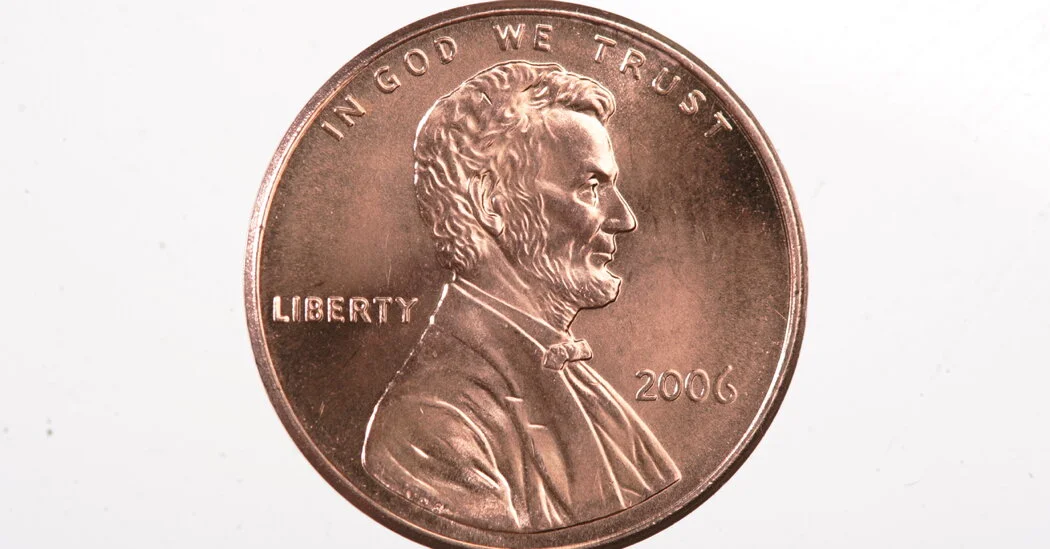
The US has officially stopped minting pennies after a production that began in 1793, citing cost inefficiencies as pennies cost more to produce than their face value. While still legal tender, pennies will no longer be produced, and transactions may be rounded to the nearest five cents. Other countries have also phased out low-denomination coins, citing similar reasons.
The US Mint has stopped producing the penny as legal tender, citing its high production costs exceeding its value, with the final coin struck and set for auction, though pennies remain legal tender and in circulation.
The US Mint in Philadelphia is set to produce its last circulating penny as President Trump ordered its discontinuation due to high production costs exceeding its value, leading to a phase-out that has caused some logistical challenges and nostalgic sentiments.
The US Mint in Philadelphia has ceased production of the penny, citing cost inefficiencies and the coin's decreasing relevance, with the final coins struck and auctioned off, marking the end of a 200-year tradition despite nostalgic and practical concerns.
The US Mint in Philadelphia has ceased production of the penny to save costs and due to its decreasing relevance, with the final coins struck and auctioned off. While still legal tender, pennies are no longer being made, marking the end of a coin that has been part of American history since 1793, despite some nostalgia and concerns from retailers and collectors.
The US Mint will stop producing pennies due to rising costs and a legal conclusion that the coin is no longer necessary, while ongoing legislative and logistical issues, including a government shutdown, complicate the transition and impact coin circulation and banking practices.
The US Mint in Philadelphia is producing its last circulating penny due to the cost of production exceeding its value, with the phase-out expected to save the government $56 million annually, reflecting changing economic and technological landscapes.
The US Mint has stopped producing pennies after 238 years, with the last coins minted in Philadelphia, leading to challenges in retail rounding practices and legal considerations, though the coin remains legal tender and its removal has sparked debate about the future of low-denomination coins in the US.
The US Mint has stopped producing pennies, leading to a coin shortage that is affecting cash transactions in stores, complicating legal and operational issues, especially around SNAP benefits, with retailers seeking guidance from the government on handling exact change and rounding policies.
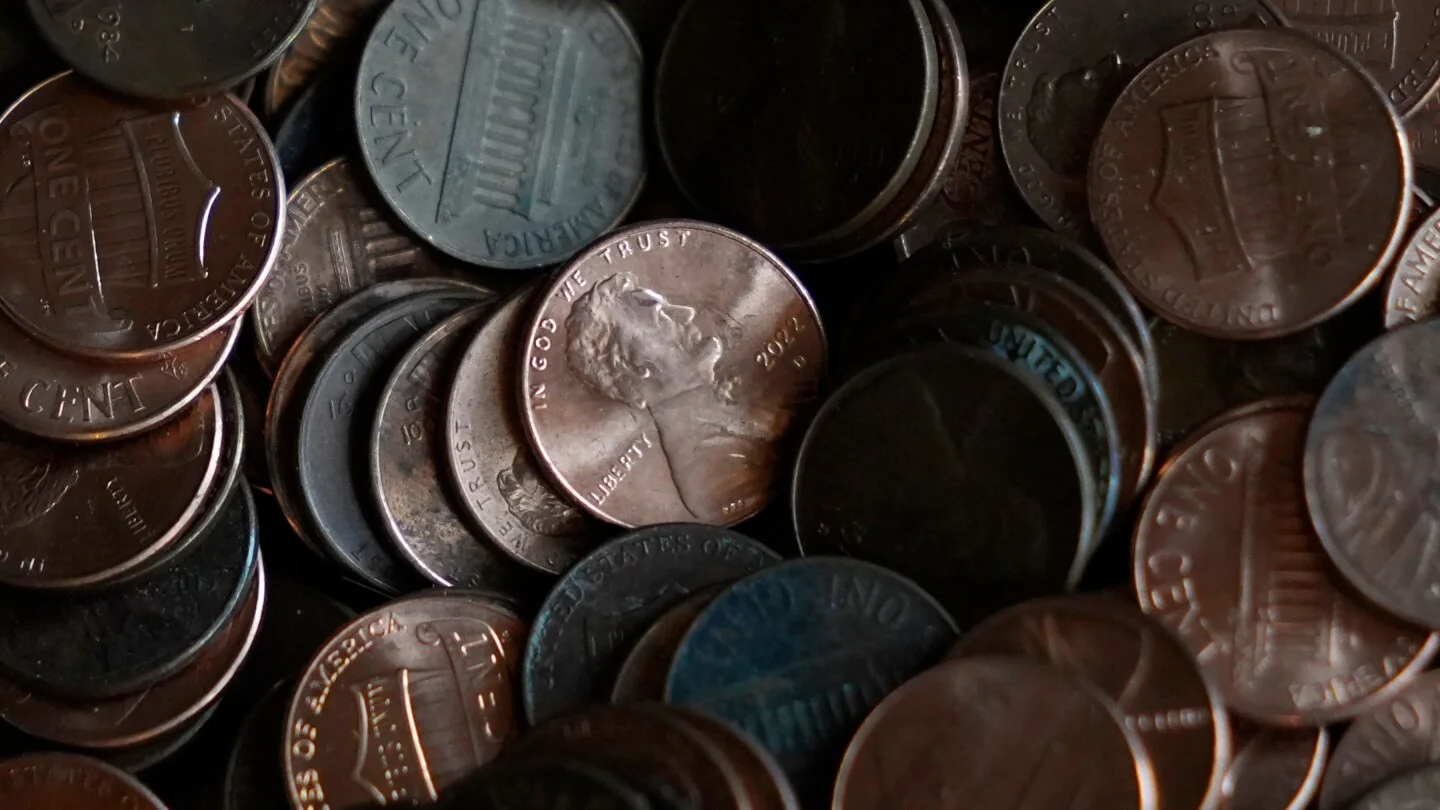
US retailers are facing a shortage of pennies after the US Mint stopped producing them, leading to rounding cash transactions to the nearest five cents and causing financial and logistical challenges for businesses, especially those dealing with cash payments and lower-income customers.