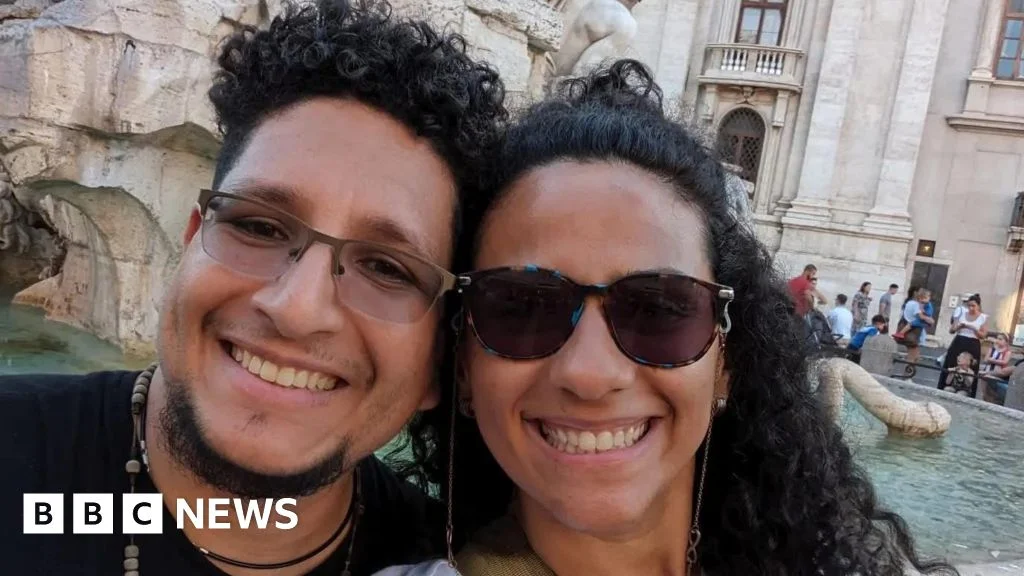
Venezuelans living in Salford, Manchester, and elsewhere in the UK greet reports that Maduro was seized by a US‑led operation with cautious optimism, recalling decades of poverty and fear at home; they hope for real change as political prisoners are released and the diaspora presses for international support, while acknowledging it will be a slow process.
The US's capture of Nicolás Maduro raises concerns about the erosion of international legal norms and the potential for increased unilateral military actions by powerful nations, threatening global stability and the post-World War II international order.
The UN Security Council is divided over the US-led operation in Venezuela, with some viewing it as lawful law enforcement and others condemning it as illegal aggression, highlighting deep international divisions on sovereignty, legality, and regional stability.
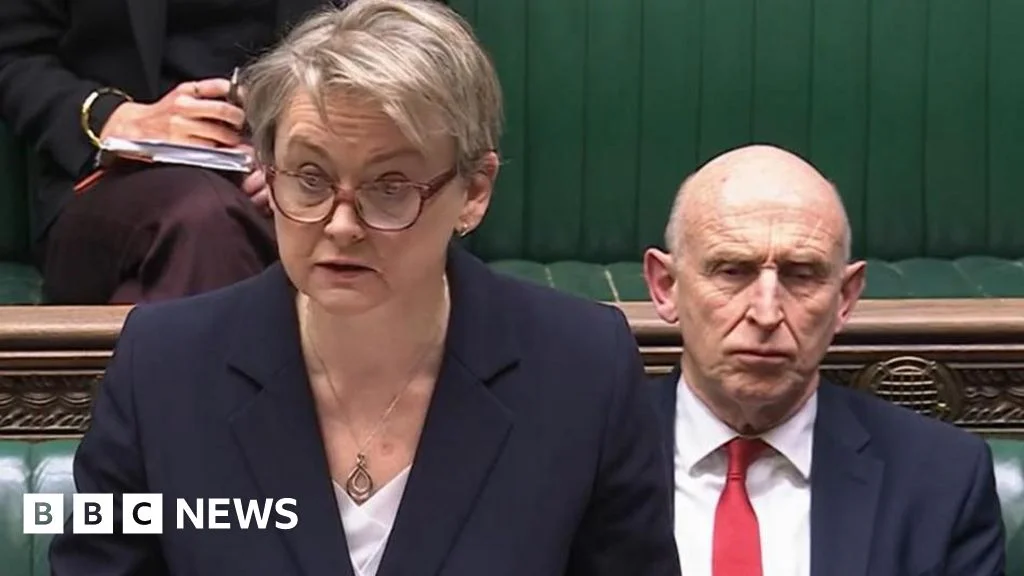
UK Foreign Secretary Yvette Cooper reminded the US of its international legal obligations following US military action in Venezuela that resulted in the capture of President Maduro, emphasizing the importance of adhering to international law and supporting a peaceful democratic transition, while also addressing concerns about US plans for Greenland and the broader implications for international norms.
The UN Secretary-General condemns the US military strike on Venezuela, highlights concerns over international law violations, calls for dialogue and respect for sovereignty, and urges the international community to support peaceful solutions amid ongoing instability in Venezuela.
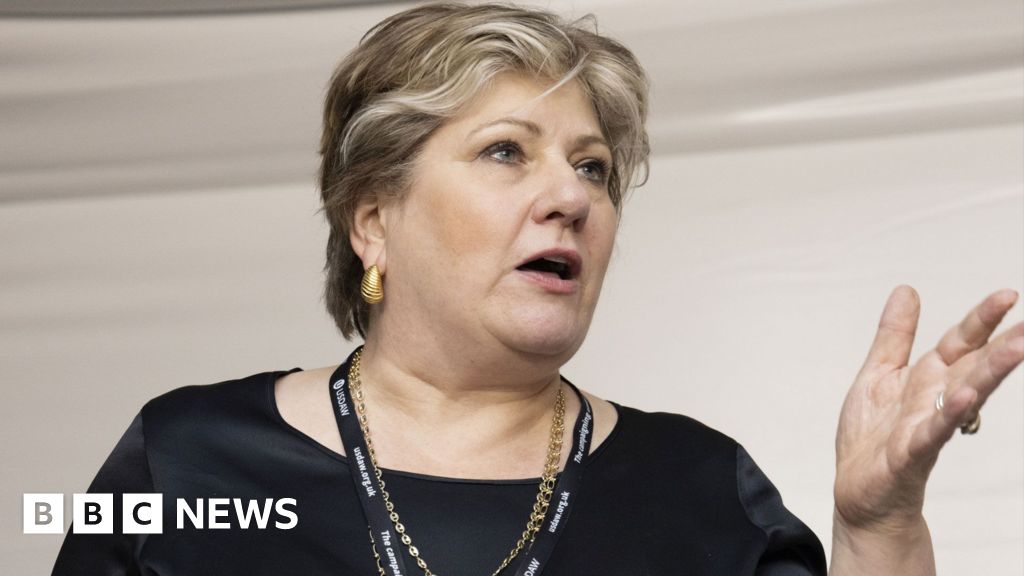
Senior UK Labour MP Dame Emily Thornberry criticized the US military strikes in Venezuela, calling them illegal under international law and urging the UK to condemn such actions to prevent international anarchy. The UK government has not officially condemned the strikes, and various political parties have expressed differing views on the legality and implications of the US intervention.
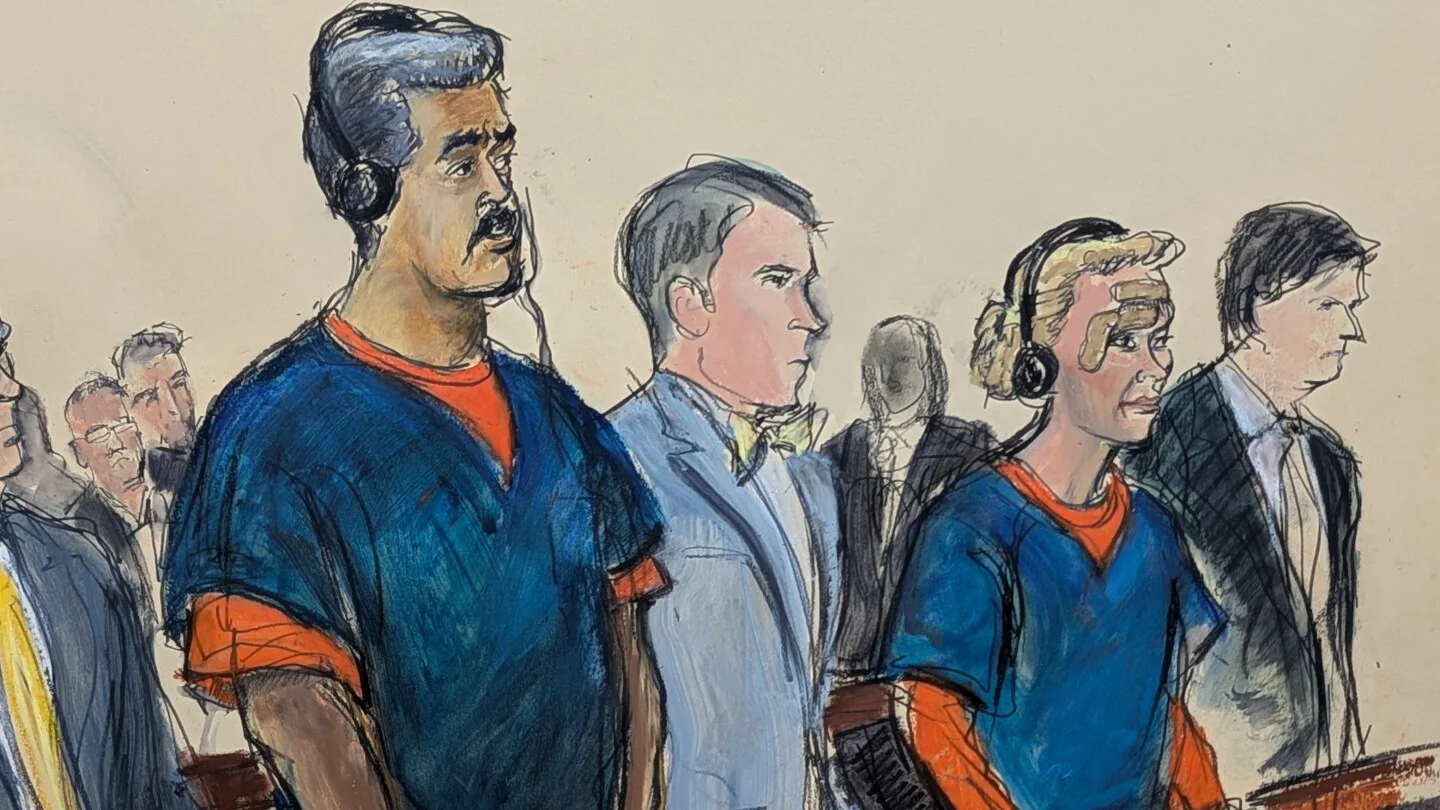
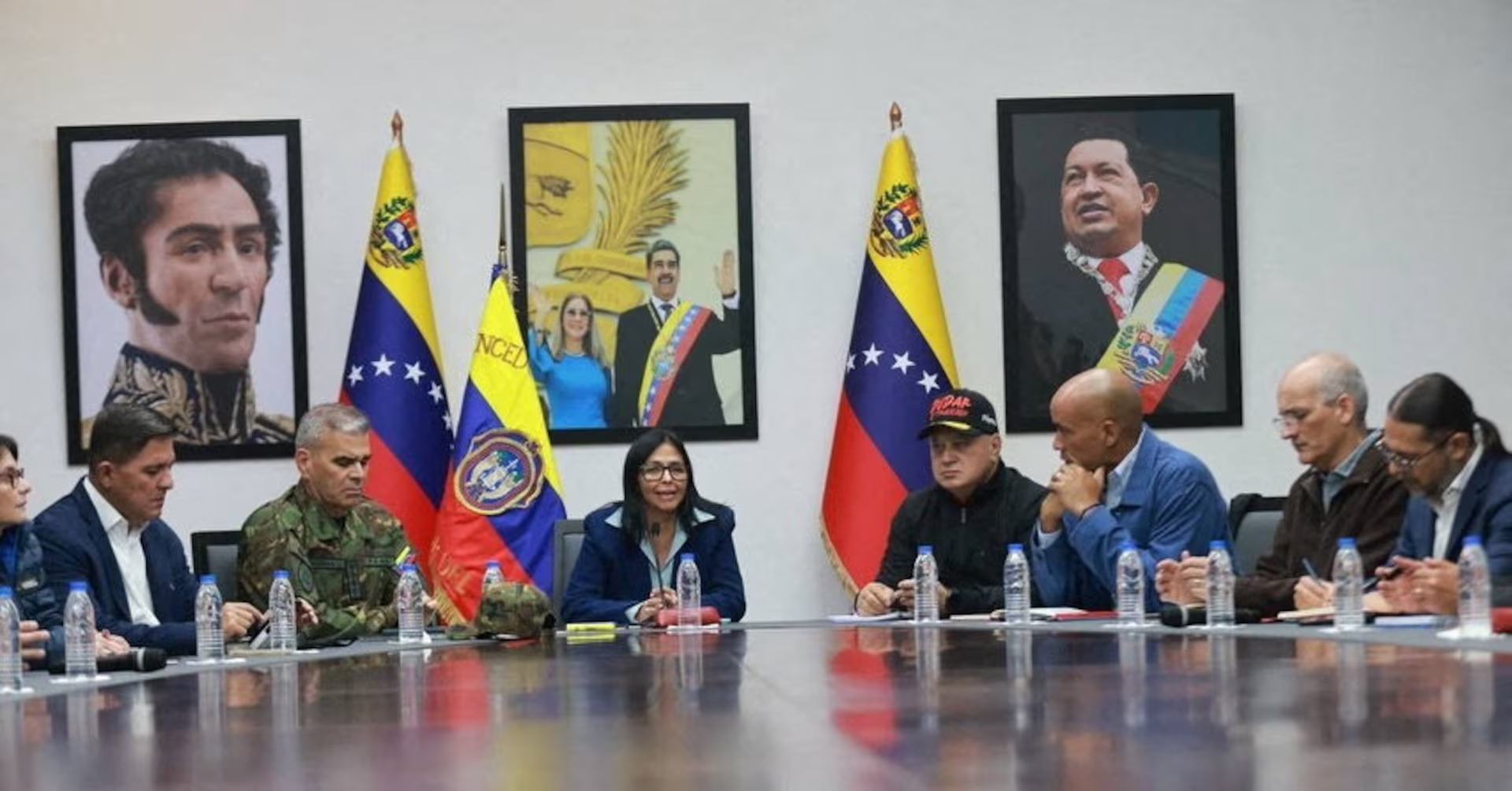
Venezuela's interim president, Delcy Rodriguez, has offered to cooperate with the US on shared development and dialogue, amid US threats of further military action and legal charges against Maduro for narco-terrorism. Maduro faces US court, and the US has seized Venezuelan assets, prompting international criticism and concerns over legality, as Venezuela's political crisis deepens.
The US forces captured Nicolás Maduro in Caracas, prompting polarized reactions: some officials celebrate the indictment and operation, while Democrats criticize it as an unconstitutional regime change attempt, raising concerns about escalation and regional stability.
The US claimed to have conducted a large-scale strike on Venezuela and captured President Maduro, but legal experts widely agree that the operation likely violated international law, specifically the UN Charter's prohibition on the use of force and the requirement for Security Council approval, setting a concerning precedent for global military interventions.
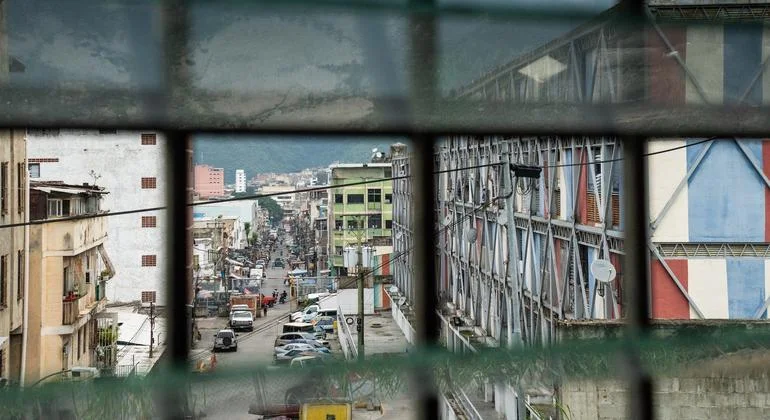
U.S. President Donald Trump claimed that the U.S. targeted a dock in Venezuela involved in drug loading, describing it as a response to drug trafficking activities, but provided few details.
President Trump authorized a US military strike on Iran's nuclear sites, escalating tensions in the Middle East and risking a broader conflict, with international warnings of chaos and domestic political repercussions.
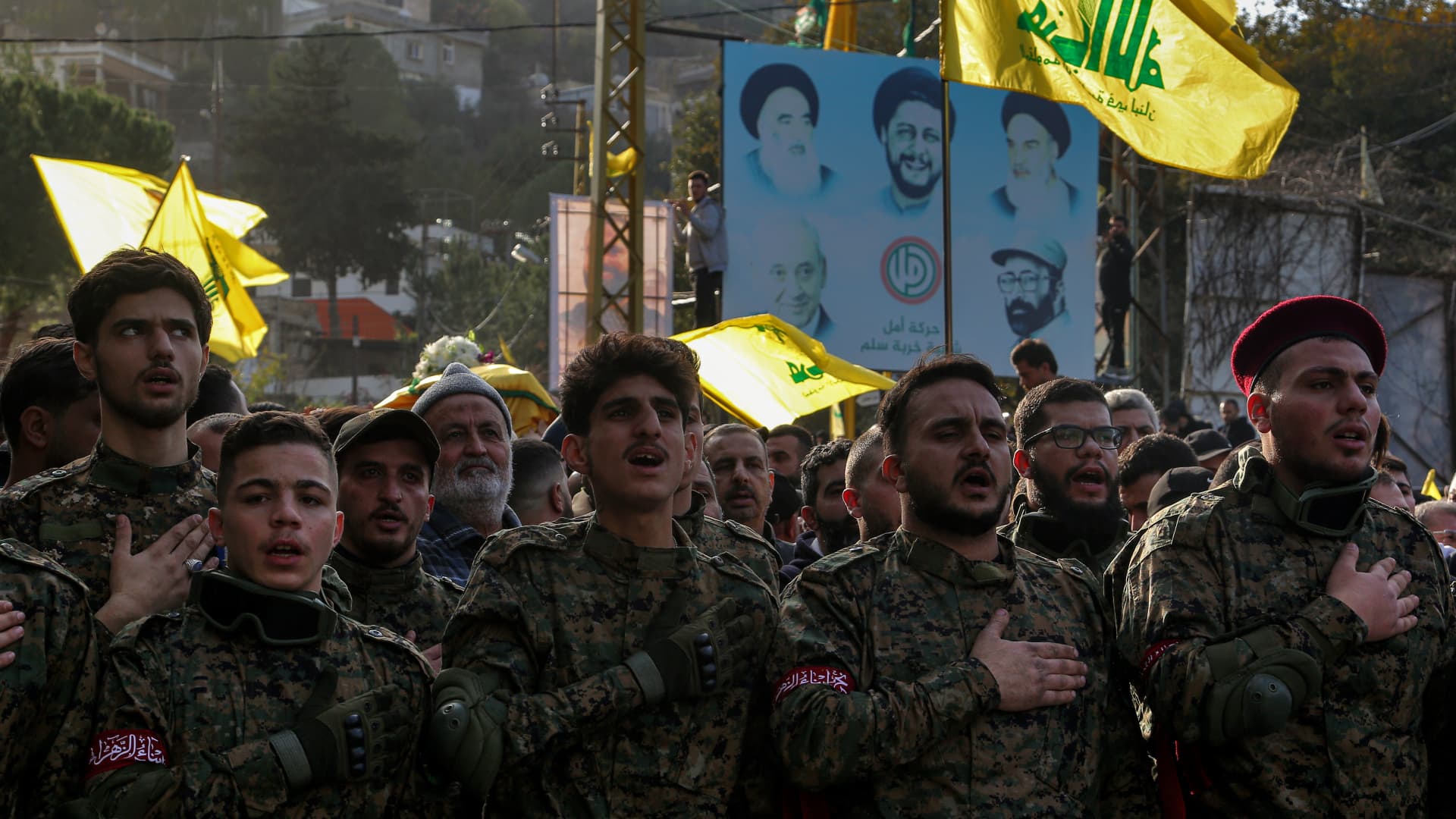
Tensions in the Middle East have escalated with targeted killings of Hamas and Hezbollah commanders, a Hezbollah attack on an Israeli Air Force command post, and U.S. and U.K. airstrikes on Houthi targets in Yemen. The possibility of a war between Israel and Hezbollah looms large, with concerns about devastating consequences for both sides and the region. U.S. diplomats are engaging in high-stakes meetings to prevent further escalation and find diplomatic solutions, as the risk of a wider conflict grows with every passing hour.
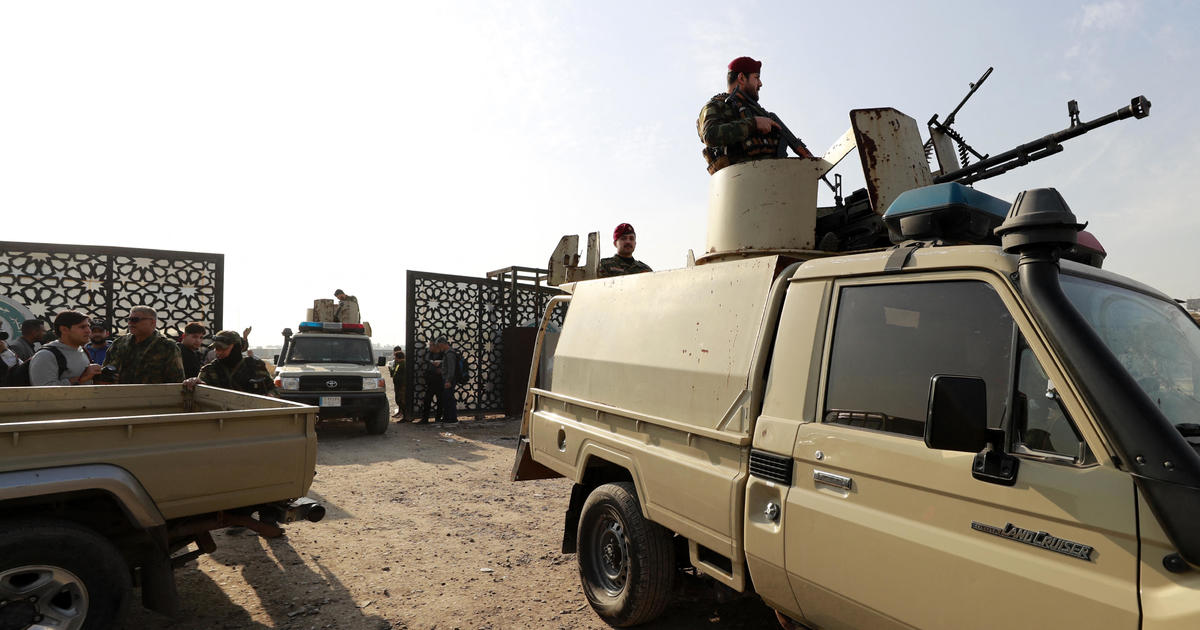
A U.S. airstrike in Baghdad killed Mushtaq Taleb al-Saidi, a commander of an Iran-backed militia, escalating regional tensions amidst the Israel-Hamas conflict. The strike, which resulted in two deaths and five injuries, has been condemned by Iraqi officials as an "unprovoked attack" and a "dangerous escalation," with Iraq reserving the right to respond. The incident adds pressure on U.S. forces to withdraw from Iraq, aligning with recent attacks by Iranian-backed militias and the Iraqi Prime Minister's intent to end the presence of international coalition forces.
Houthi rebels, backed by Iran, have escalated tensions in the Middle East by attacking Israeli and American targets, including commercial shipping in the Red Sea. The US retaliated by destroying three Houthi boats, marking a significant turn in the crisis. Analysts suggest that the Houthis are Iran's preferred proxy due to their strategic position near key shipping routes and their lack of domestic political constraints. The situation has been further complicated by recent bomb blasts in Kerman, Iran, which killed nearly 100 people, amid increasing confrontations between Iranian-backed groups and Israel, backed by the US. The incidents highlight the volatile nature of proxy warfare in the region and the potential for broader conflict.