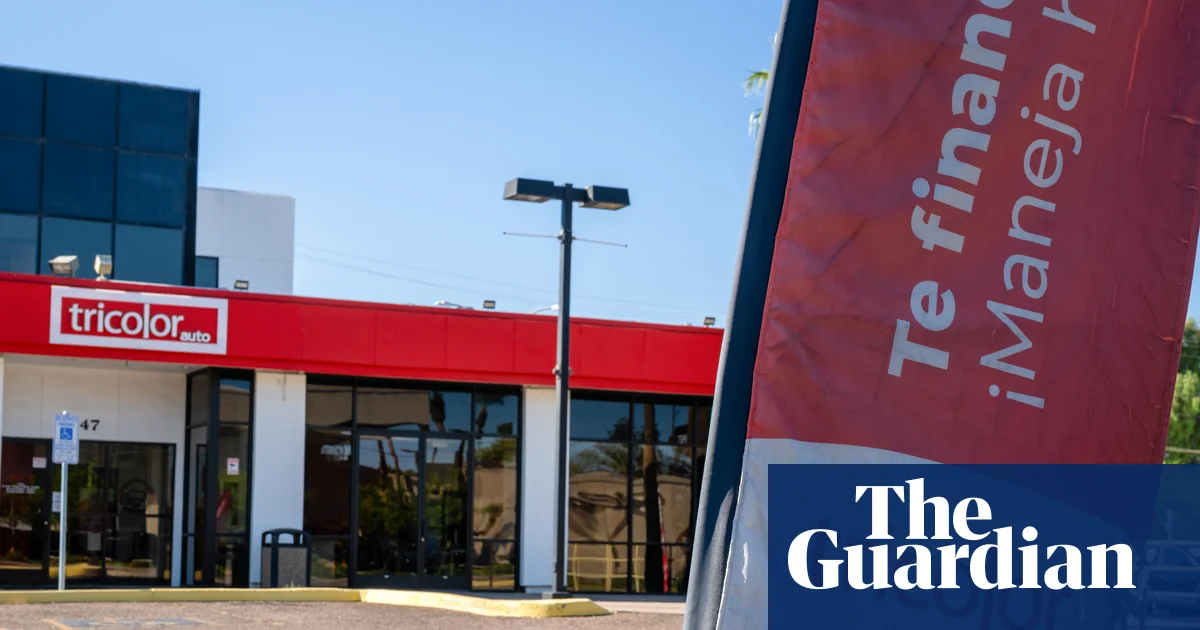
The collapse of two US private credit firms highlights the sector's rapid growth, risks, and regulatory challenges, raising concerns about financial stability and transparency in an industry that has become a significant part of the global economy.
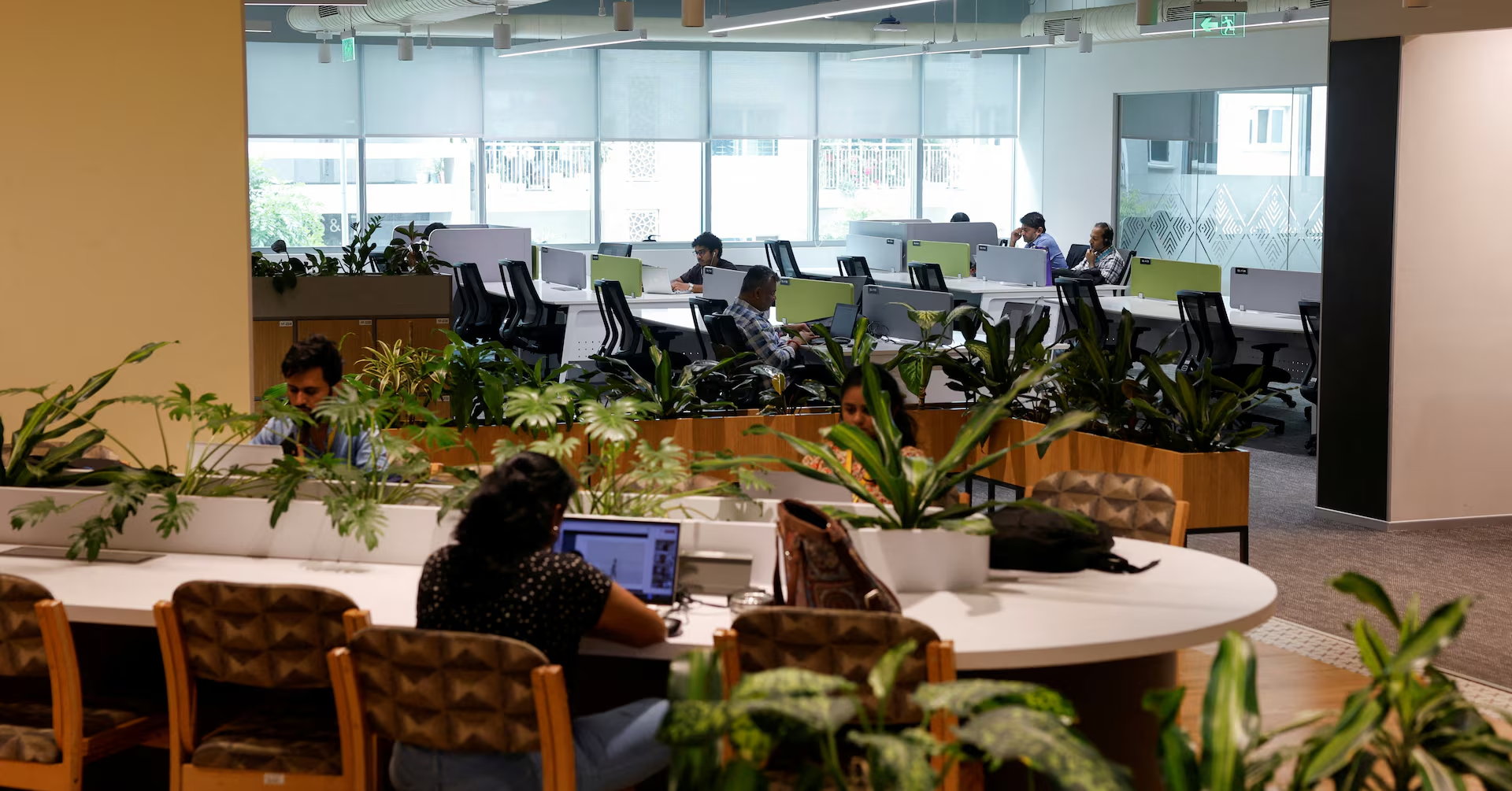
U.S. visa restrictions under Trump are accelerating the shift of high-value work to India, boosting the growth of global capability centers (GCCs) in the country, which are increasingly handling strategic and innovation-led functions, despite potential risks from proposed outsourcing taxes and trade tensions.
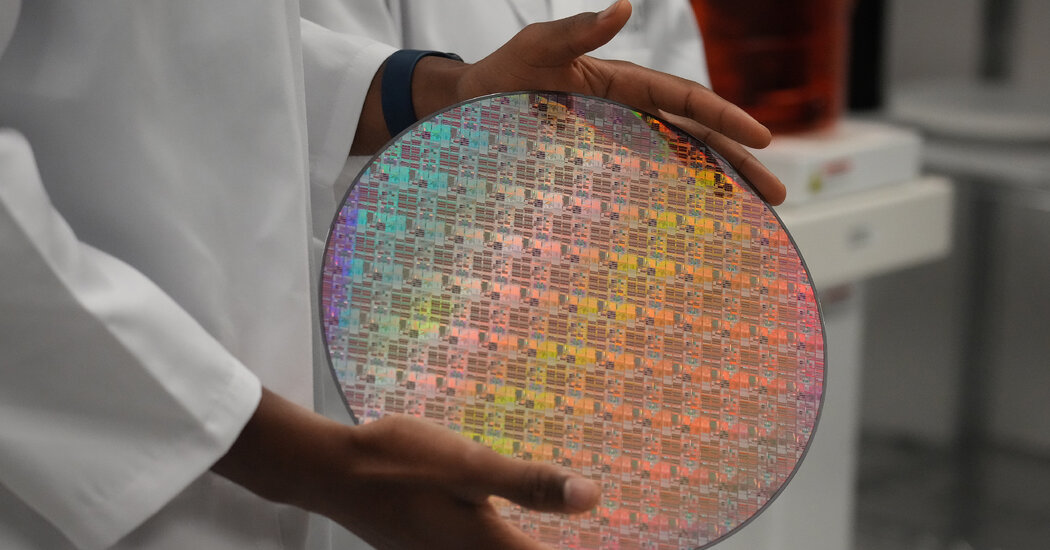
U.S. companies have been navigating a challenging landscape as they attempt to maintain technology sales to China amidst increased government restrictions. These firms are employing various strategies to comply with regulations while still accessing the lucrative Chinese market, highlighting the complex interplay between business interests and geopolitical tensions.
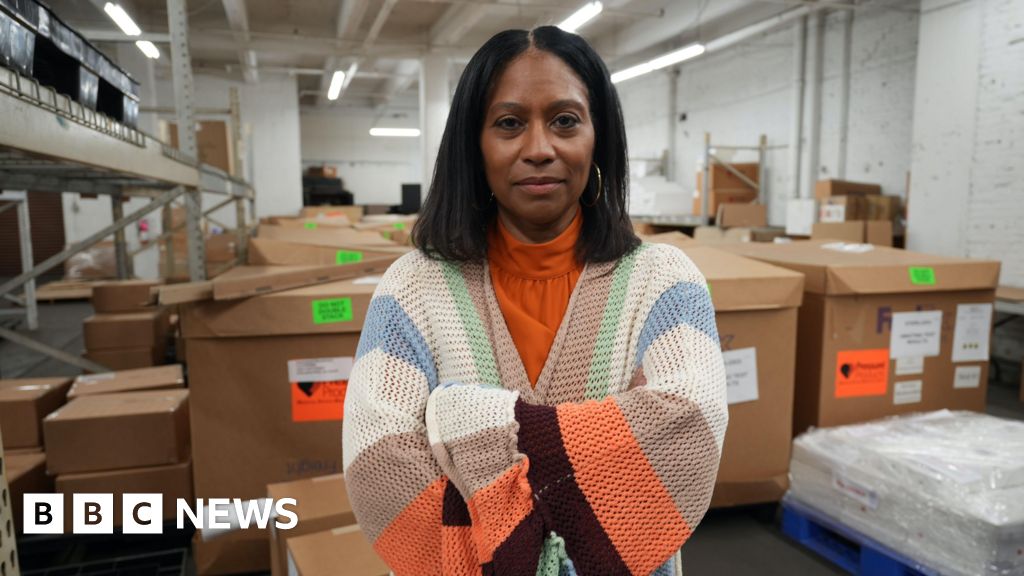
US firms are bracing for the impact of President Trump's proposed tariffs on imports from China, Mexico, and Canada, which could significantly affect supply chains and prices. Businesses like handbag designer MinkeeBlue are stockpiling goods and seeking alternative suppliers to mitigate potential costs. While some experts believe Trump's tariff threats may be negotiation tactics, the uncertainty is already causing economic disruptions, with companies like Steve Madden and Stanley Black & Decker adjusting their strategies. The National Retail Federation warns that these tariffs could increase consumer costs by billions annually.
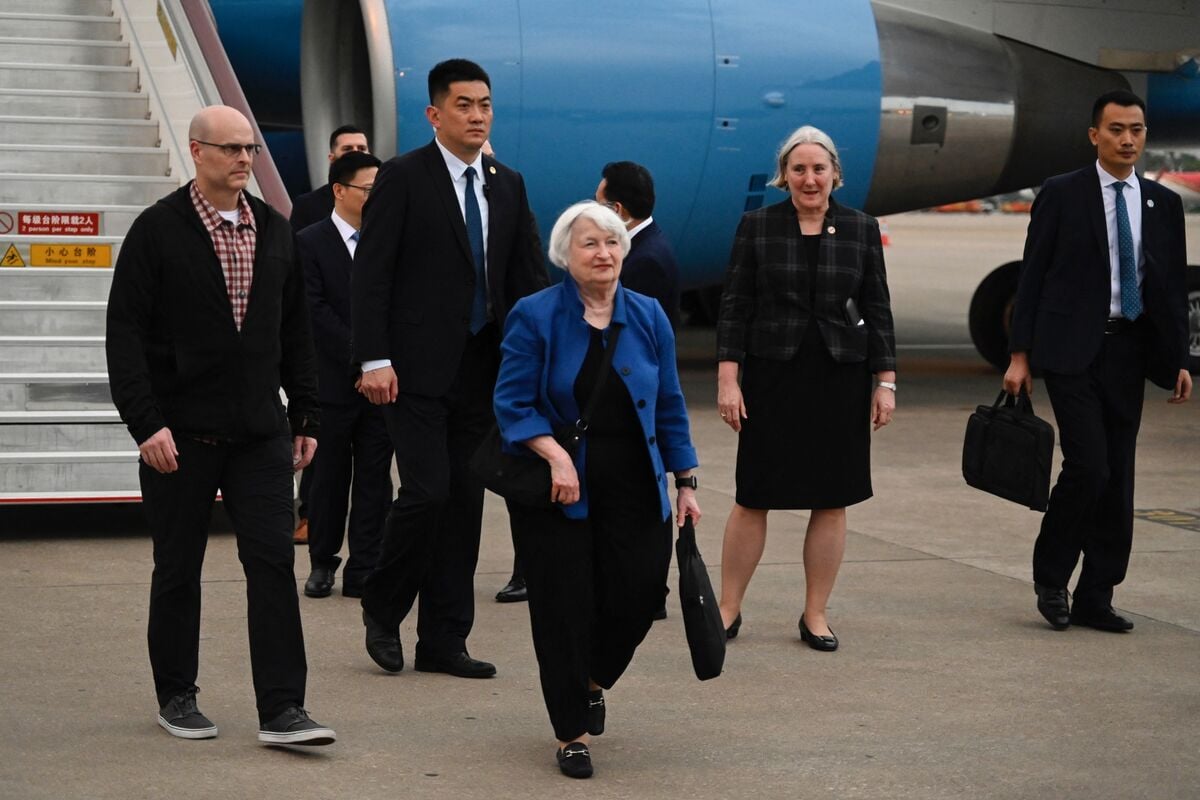
Treasury Secretary Janet Yellen criticized China for its "unfair" treatment of American and other foreign companies, citing barriers to access for foreign firms and coercive actions against American companies. Yellen's comments came at the start of her four-day visit to China, where she intends to raise these issues in meetings with Chinese officials.