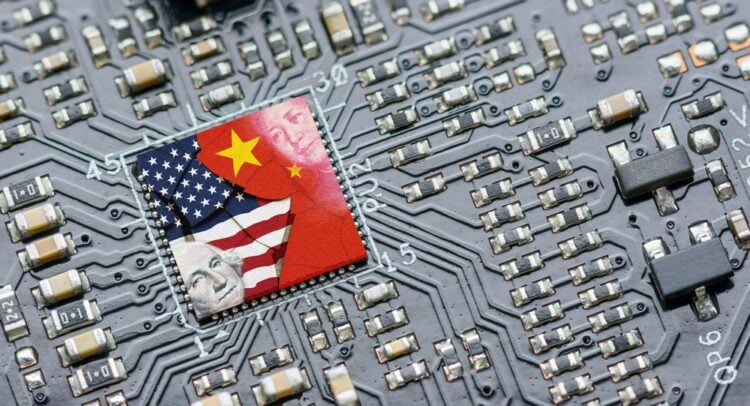
The US is considering a new approval system for exports of chipmaking supplies to Samsung and SK Hynix factories in China, requiring annual approval for restricted items, which aims to increase oversight while allowing continued operations but poses planning challenges and geopolitical tensions.
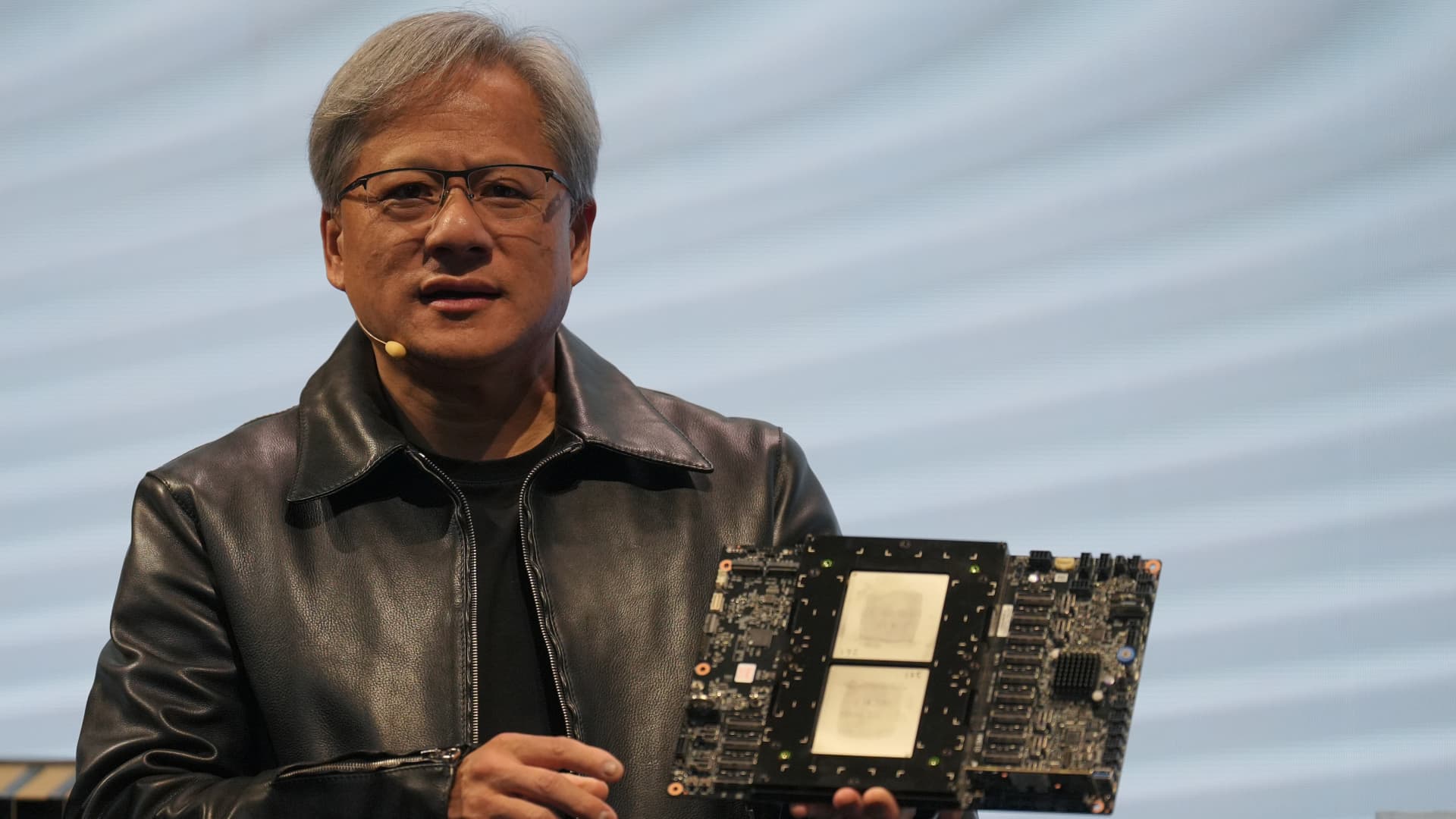
Nvidia plans to begin mass production in Q2 2024 of an AI chip designed for China to comply with US export rules, following delays due to integration issues. The H20 chip, the most powerful of three China-focused chips, will have limited initial production volume and is aimed at major customers. Chinese companies are reportedly hesitant to buy the downgraded H20 and are exploring domestic alternatives, while Nvidia is also developing the L20 and L2 chips to meet the new restrictions.
Nvidia, facing U.S. export restrictions, designed lower-powered AI chips to comply with regulations, but Chinese cloud companies, some of its major clients, are hesitant to purchase the downgraded chips, posing a significant challenge for the tech company.
Nvidia is developing chips to comply with higher restrictions on chip exports to China, following recent curbs imposed by the US government citing security concerns. The restrictions have put approximately $5 billion worth of Nvidia chips in limbo, leading to an expected steep drop in sales to China in the short term. Despite this, Nvidia shares have seen significant gains this year.
Nvidia's shares fell as the company reportedly delays the launch of an AI chip designed for China to comply with U.S. export restrictions. The new chip, called the H20, is now expected to be launched in the first quarter of next year due to integration issues faced by server manufacturers. This delay could pose a setback for Nvidia, which generates a significant portion of its revenue from China and faces competition from local players like Huawei. The company also warned of a significant decline in sales in regions affected by export restrictions in the current quarter.
Rumors suggest that the U.S. has loosened its export rules to allow Qualcomm to ship 5G chips to Huawei, potentially allowing the upcoming Mate 60 line to use 5G chipsets. However, Huawei denies these reports, and until there is an official announcement, it remains speculation. If true, this could make Huawei more competitive in the Chinese smartphone market, which is still the largest in the world.