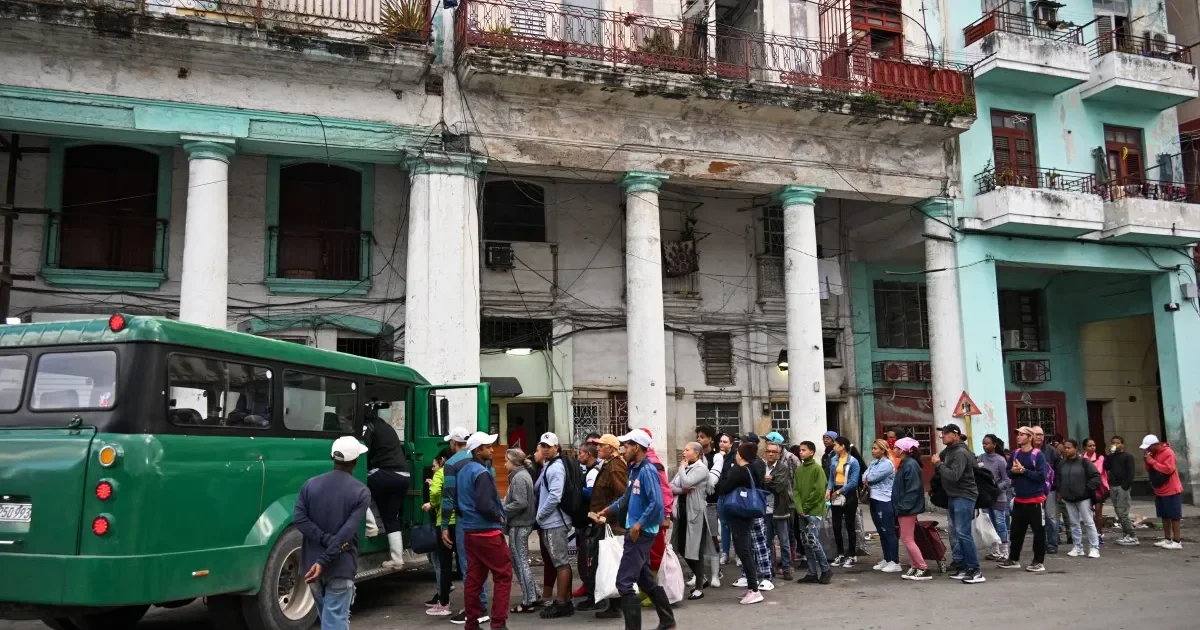
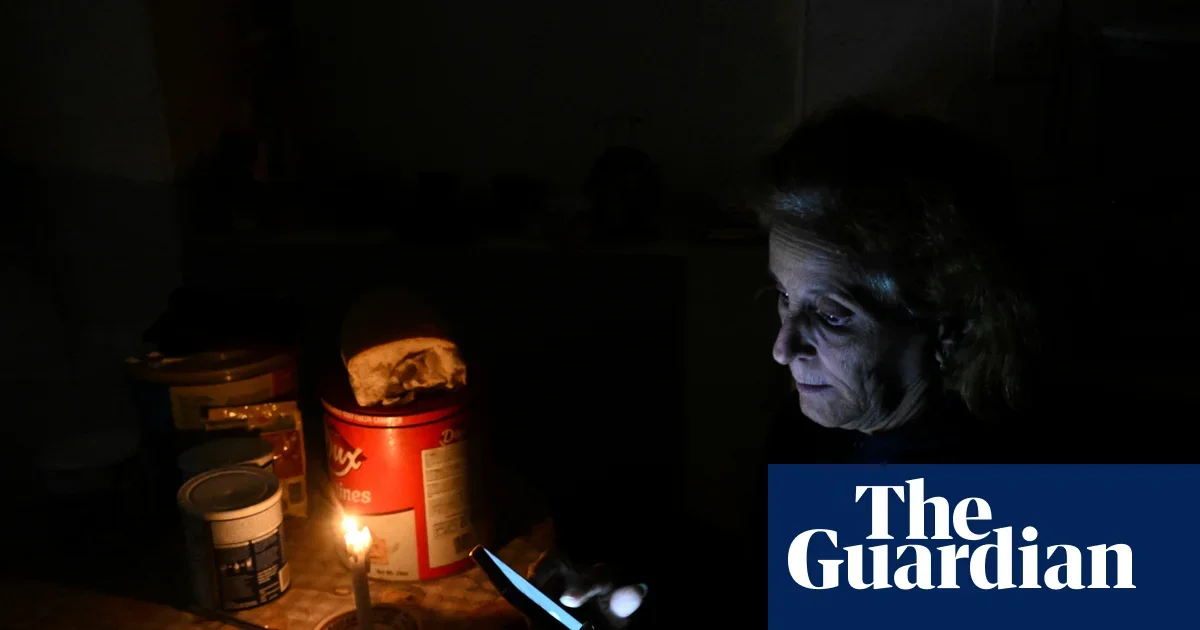
Millions of Cubans faced widespread blackouts after an unexpected shutdown at a major power plant highlighted Cuba's precarious fuel supply, worsened by a US embargo and limited Venezuelan oil, with western regions and Havana affected and services like air travel disrupted.
A US-led oil blockade has slashed Cuba’s fuel supply, triggering rolling blackouts and a raft of emergency measures: a four‑day workweek, reduced interprovincial transport, closed major tourism facilities, shorter schooldays, and a shift to prioritizing health, food production, and defense while expanding renewable energy. The crisis follows tightened sanctions and regional tensions, with the UN warning the humanitarian situation could worsen if oil imports do not resume.
Washington’s move to tariff oil to Cuba and hints of a blockade, combined with Mexico halting shipments and dwindling reserves, could leave Cuba short of fuel within weeks, risking deeper blackouts, disrupted transport and a worsening economy for ordinary Cubans.
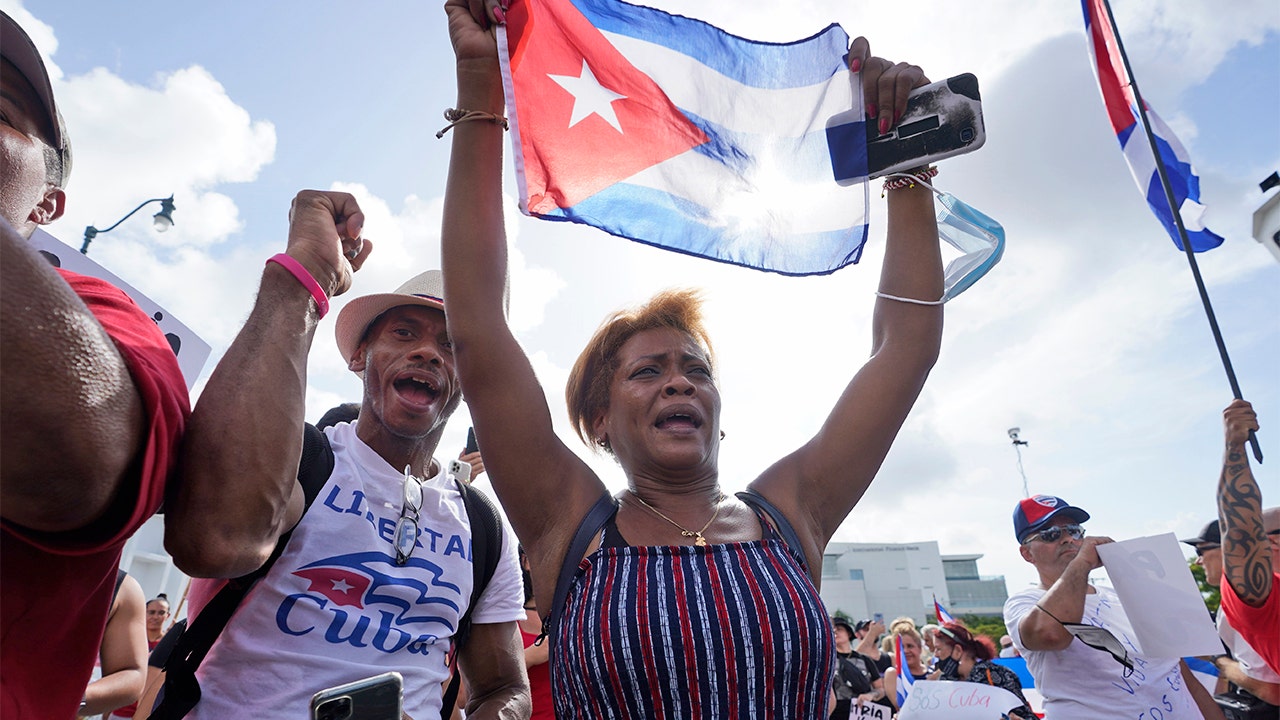
Protests in Cuba continue over severe food and electricity shortages, with Senator Marco Rubio attributing the crisis to the country's Marxist policies. Cuban officials blame the US embargo for the shortages, while the US denies a food embargo and calls for the Cuban government to respect protesters' rights. The ongoing embargoes, soaring food prices, and travel restrictions are seen as exacerbating the situation, with the State Department urging the Cuban government to refrain from violence and unjust detentions and to respect citizens' rights for peaceful assembly.
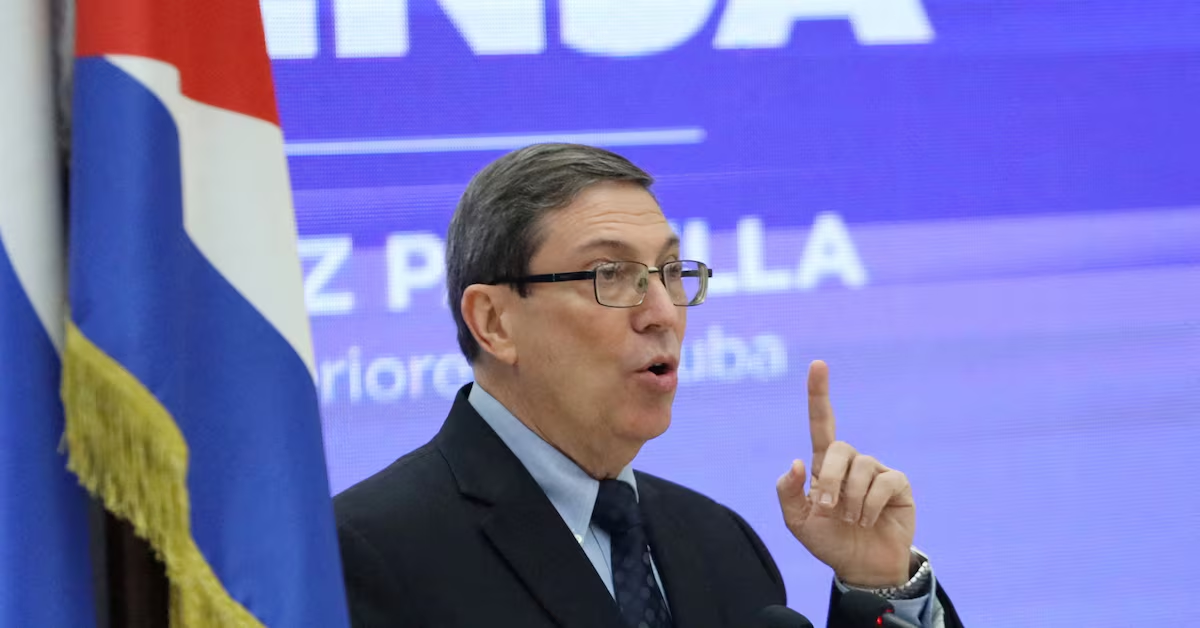
The United Nations General Assembly has voted for the 31st time to end the United States' long-standing trade embargo against Cuba, as the country faces its worst economic crisis in decades. The non-binding resolution was supported by 187 countries, with only the United States and Israel opposing it, and Ukraine abstaining. Cuba's Foreign Minister, Bruno Rodriguez, argued that the embargo prevents the country from accessing essential goods and technology, while also limiting its ability to export to the US market. The US diplomat countered that the embargo is aimed at promoting human rights and fundamental liberties in Cuba, and that the US remains a significant source of humanitarian goods for the Cuban people. Despite some small gestures of goodwill, the dispute between Cuba and the US shows little sign of detente.