The U.S. Department of the Treasury and IRS have released proposed guidance on the Clean Electricity Production Credit and Clean Electricity Investment Credit under the Inflation Reduction Act. These credits, effective from 2025, aim to incentivize net-zero greenhouse gas emissions technologies, providing long-term clarity for clean energy developers and investors. The guidance identifies eligible technologies and seeks public comments to refine the rules, aiming to bolster clean energy production, reduce consumer energy costs, and support American jobs.
The U.S. Department of the Treasury has released a report on managing artificial intelligence-specific cybersecurity risks in the financial services sector, addressing challenges and opportunities presented by AI. The report outlines next steps to address operational risk, cybersecurity, and fraud challenges, including narrowing the fraud data divide, regulatory coordination, and expanding the NIST AI Risk Management Framework. It also emphasizes the need for best practices, explainability for AI solutions, and a common AI lexicon, while highlighting the importance of international coordination and engagement with the private sector and regulators.
The U.S. Department of the Treasury and IRS have released guidance under President Biden’s Inflation Reduction Act to provide clarity on incentives for installing electric vehicle charging stations and alternative fuel refueling stations, aiming to lower energy bills. The Alternative Fuel Vehicle Refueling Property Credit (30C) offers a 30% credit for the cost of qualified refueling property, with limits for personal and business property. The guidance also specifies that the qualified property must be placed in service in eligible census tracts, defined as low-income communities or non-urban areas. This move is part of efforts to encourage clean vehicle adoption and drive progress in building new charging infrastructure.
The U.S. Department of the Treasury and IRS have released guidance on the Investment Tax Credit (ITC) to drive clean energy investments. The guidance provides clarity and certainty for companies planning clean energy projects, including offshore wind, battery storage, and small-scale projects connecting to the grid. The proposed rules also address eligibility for power conditioning equipment, interconnection-related property costs, and technical definitions. The Treasury and IRS will accept comments on the proposed rules for 60 days.
The U.S. Department of the Treasury plans to offer $112 billion of Treasury securities to refund maturing notes and raise new cash from private investors. The securities include a 3-year note, a 10-year note, and a 30-year bond, which will be auctioned on specific dates in November. The Treasury intends to gradually increase coupon auction sizes in the upcoming quarter and continue evaluating adjustments based on borrowing needs. They also plan to increase auction sizes for 2-year, 5-year, 7-year, 10-year, and 30-year securities. Additionally, the Treasury plans to maintain TIPS auction sizes and implement modest reductions to short-dated bill auction sizes. They are actively evaluating the implementation of a regular buyback program in 2024.
The U.S. Department of the Treasury and the Internal Revenue Service (IRS) have released proposed rules and FAQs on key provisions in the Inflation Reduction Act to ensure that clean energy jobs are well-paying and to expand the clean energy workforce. The prevailing wage and registered apprenticeship requirements of the Act apply to various clean energy deployment tax incentives, and if these requirements are met, taxpayers can claim enhanced credits or deductions. The proposed rules provide clarity and direction on compliance, incentivize worker-centric practices, and introduce new rules on correcting failures to meet the requirements. The guidance marks the completion of Phase 1 of the Treasury Department's implementation of the Act's clean energy provisions.
The U.S. Department of the Treasury plans to offer $103 billion of Treasury securities to refund maturing notes and bonds, raising approximately $19 billion in new cash. Auctions for a 3-year note, 10-year note, and 30-year bond will take place in August, settling on August 15. The Treasury intends to gradually increase coupon auction sizes over the next quarter to align with borrowing needs. They also plan to increase auction sizes for 2-year, 5-year, 7-year, 10-year, and 30-year securities. Additionally, the Treasury plans to increase TIPS auction sizes and implement a regular buyback program in 2024. A small-value test auction will be conducted to test contingency auction infrastructure.
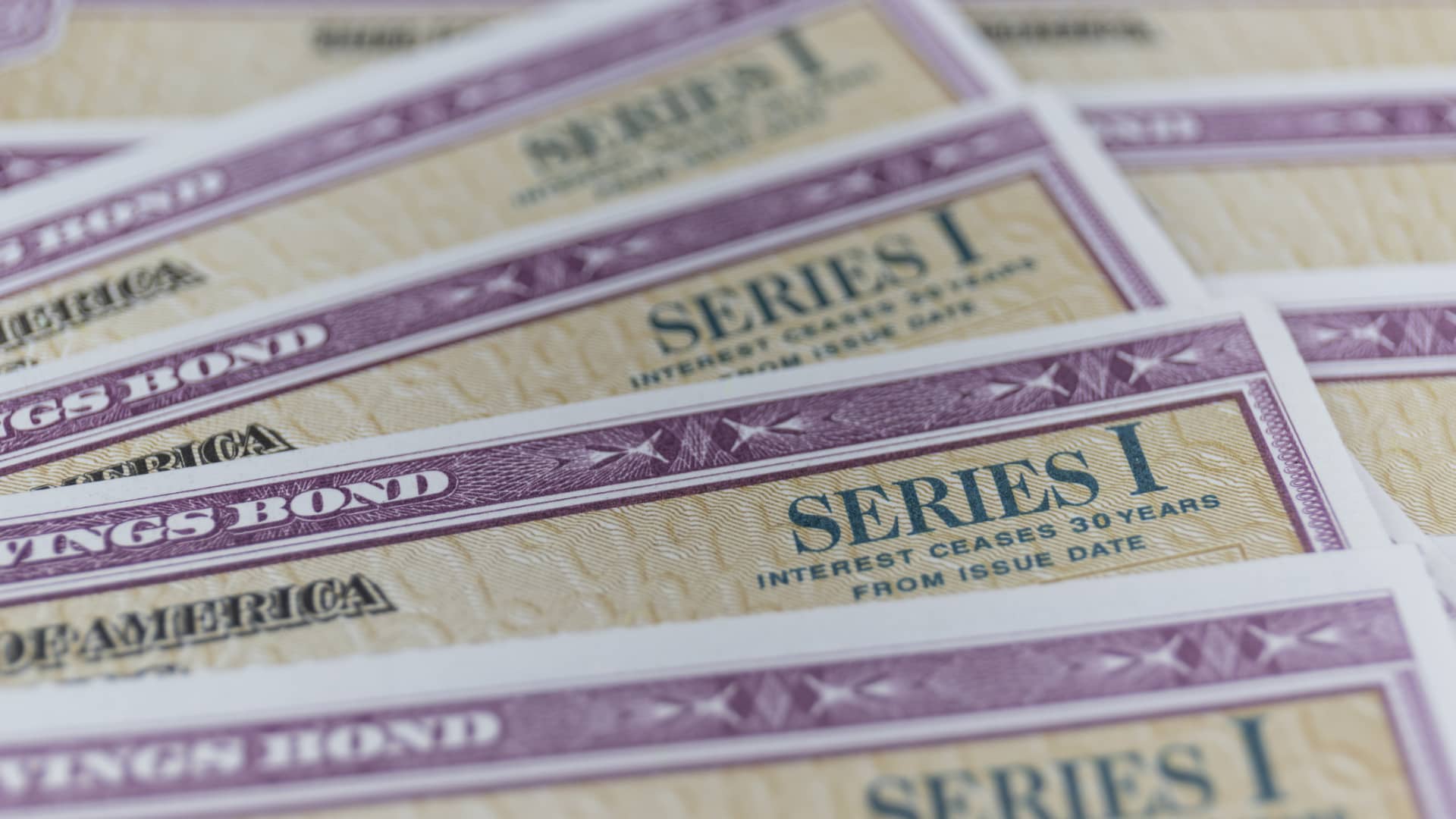
The U.S. Department of the Treasury has announced that Series I bonds will pay 4.3% annual interest through October, a drop from 6.89% in November amid falling inflation. The new variable rate is 3.38% and the fixed rate is 0.9%. While I bonds may still appeal to longer-term investors, the 4.3% annual rate may be less attractive to those with shorter-term goals. Experts say I bonds are now more of a "strategy investment" for those who want to know how much they're earning above inflation for the long run.
The Federal Reserve Board has fined Wells Fargo $67.8 million for inadequate oversight of sanctions compliance risks at its subsidiary bank, Wells Fargo Bank, N.A. The bank violated U.S. sanctions regulations by providing a trade finance platform to a foreign bank that used the platform to process approximately $532 million in prohibited transactions between 2010 and 2015. The U.S. Department of the Treasury's Office of Foreign Assets Control is also imposing a separate penalty on Wells Fargo Bank for these violations, bringing the total penalty to approximately $97.8 million.