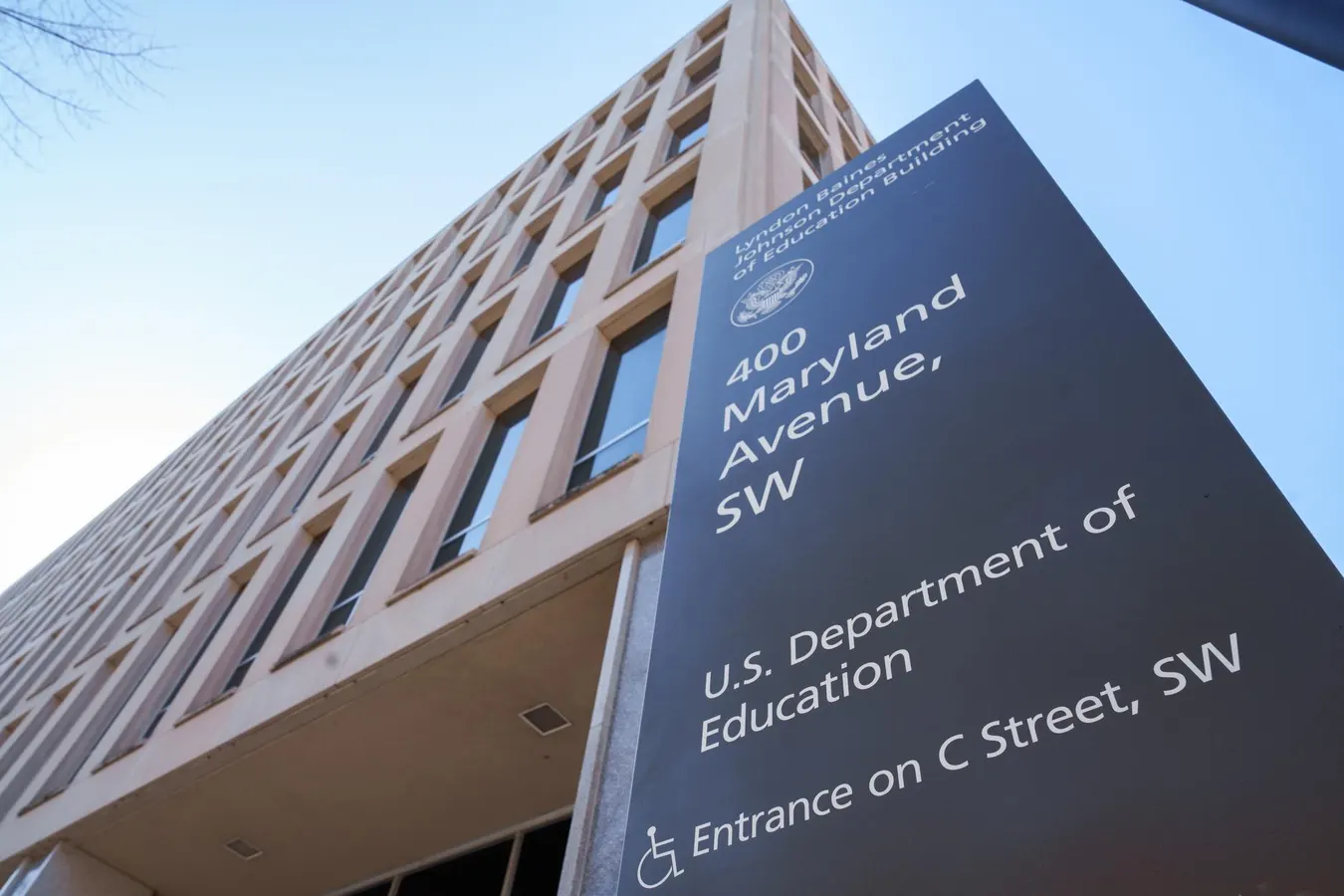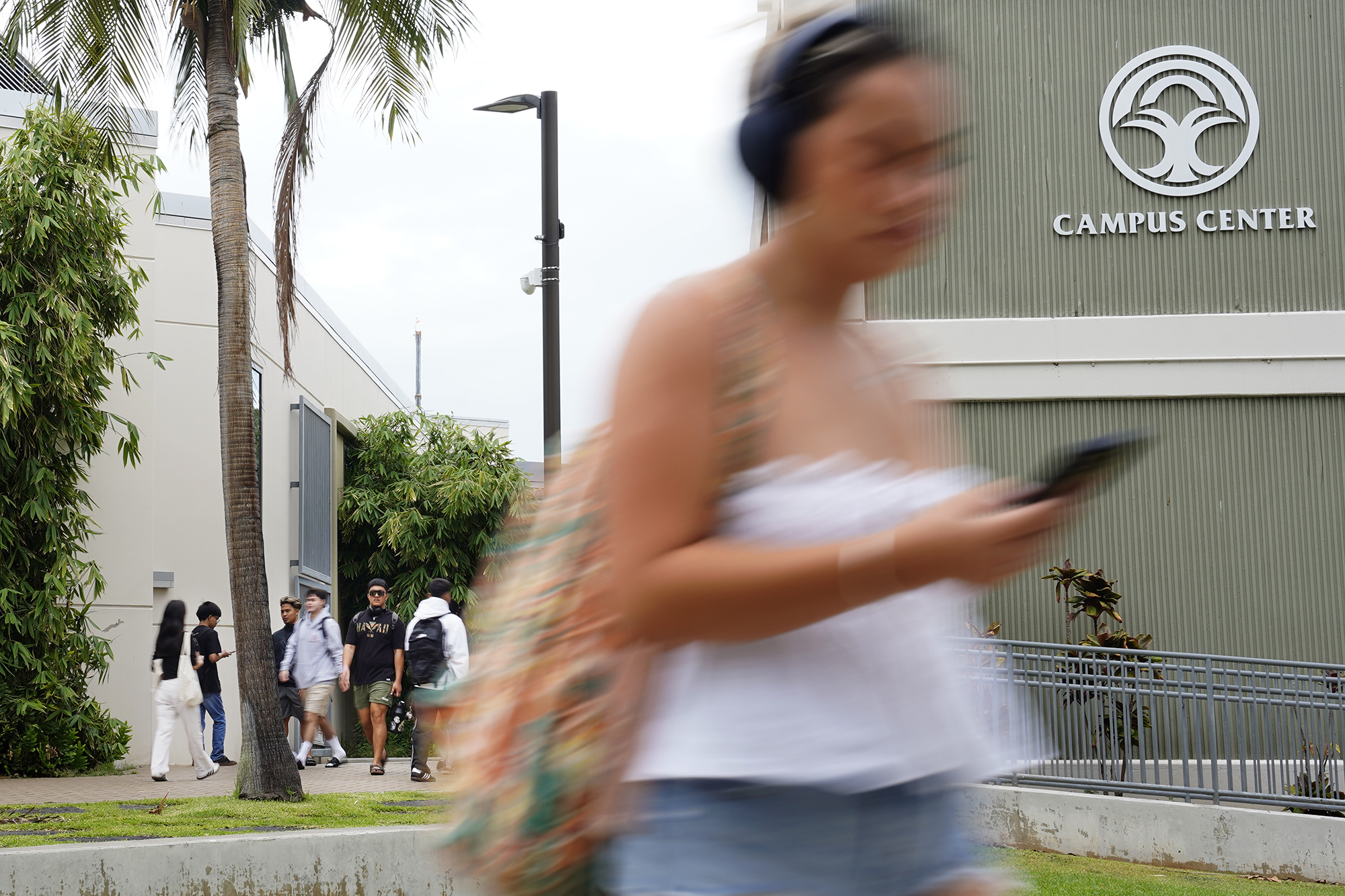
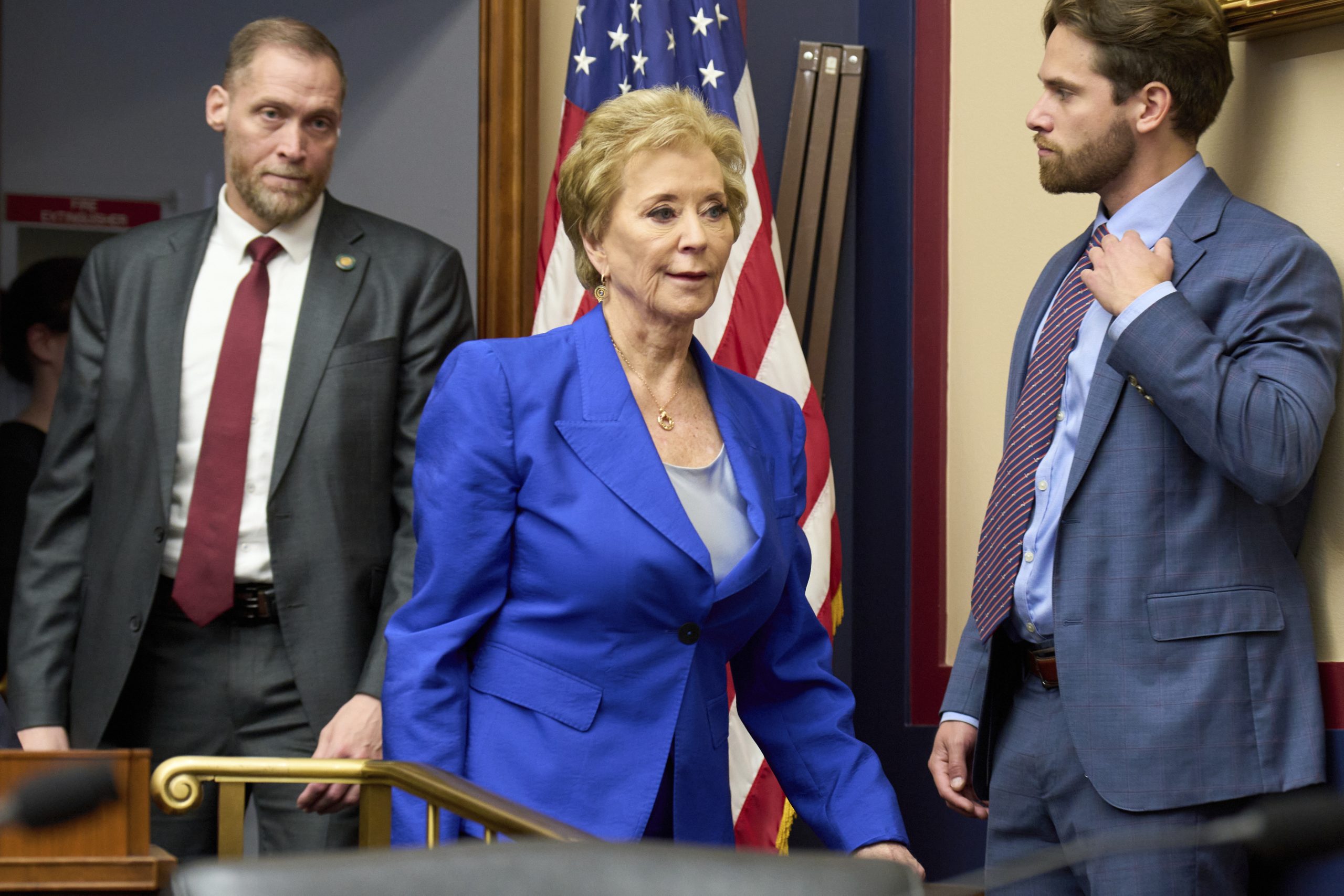
The U.S. Department of Education, led by Secretary Linda McMahon, is reviewing and potentially ending federal programs serving Native Hawaiians and other minority groups, citing constitutional concerns about race-based funding, which could threaten over $12 million in funding for Hawaii's Native Hawaiian initiatives. This move has been condemned by Hawaii's congressional delegation as an attack on minority-serving institutions.
The US Department of Education has withheld $26 million in federal funds from Vermont's public schools, affecting multiple programs including support for migrant children, English language learners, and mental health services, disrupting local school operations and creating uncertainty for the upcoming school year.
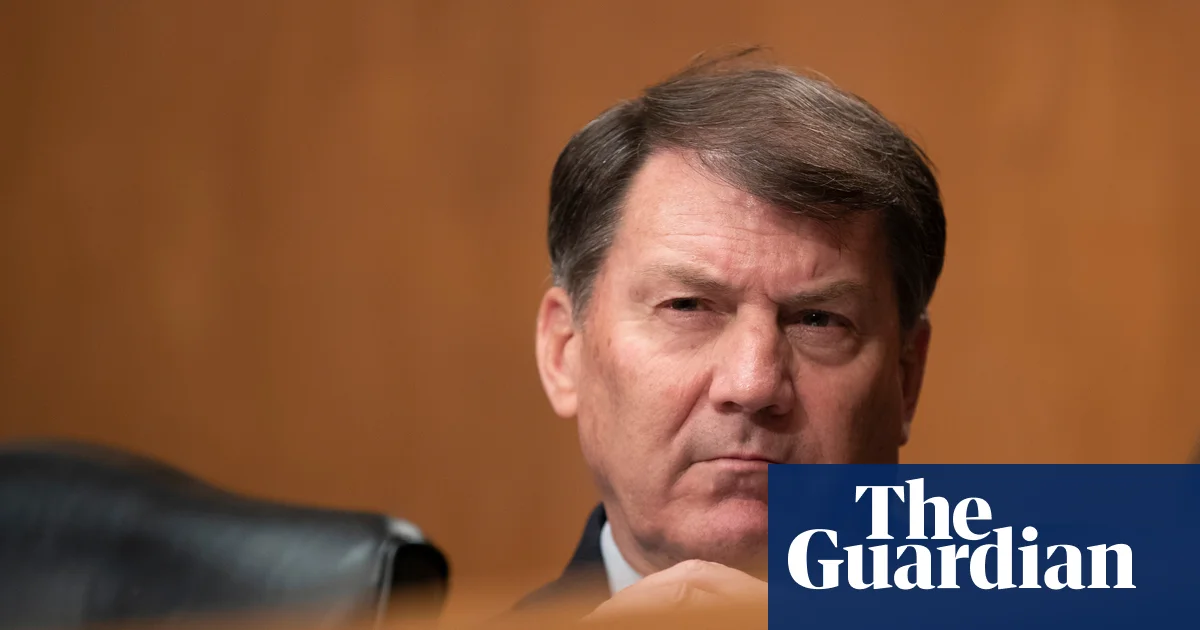
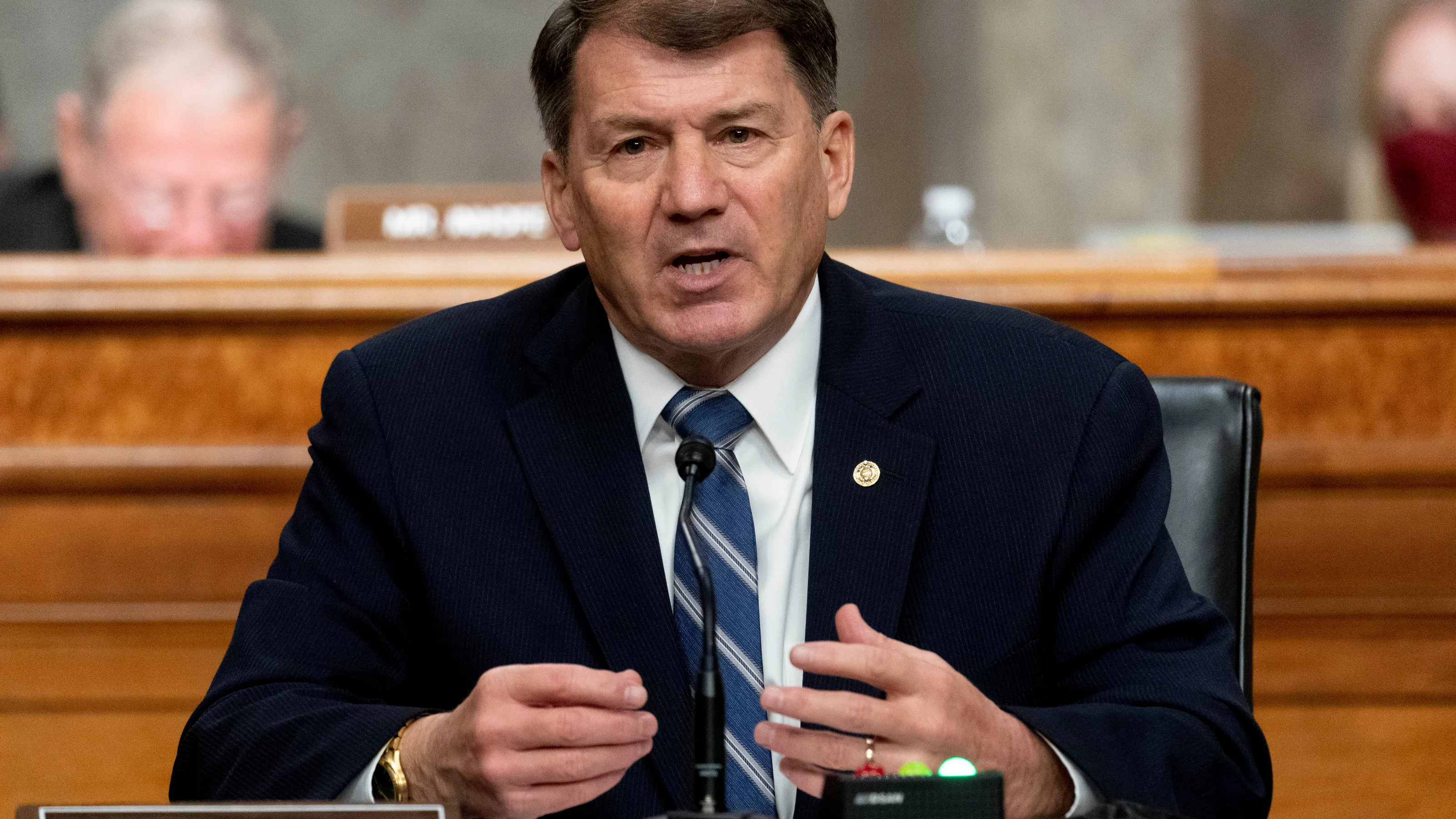
Republican Senator Mike Rounds has introduced a bill to abolish the US Department of Education, redistributing its $200 billion budget and responsibilities to other federal agencies and states. The bill aligns with Donald Trump's goal of eliminating the department, arguing it causes more harm than good. However, it faces significant hurdles, requiring a supermajority in the Senate to pass. Education experts express concern over the potential impact on programs like the Individuals with Disabilities Education Act, which are currently managed by the department.
Senator Mike Rounds has introduced a bill to abolish the U.S. Department of Education, proposing to redistribute its functions across various federal departments. The bill, named the "Returning Education to Our States Act," aims to enhance local control over education and reduce federal bureaucracy. Despite criticism from education groups and political opponents, Rounds believes he can pass the bill with a simple majority through reconciliation, although it faces significant opposition in the Democrat-controlled Senate and White House.
A bill to dismantle the U.S. Department of Education has been introduced by Sen. Mike Rounds, aligning with Donald Trump's campaign promise. The bill proposes redistributing the department's functions to other federal agencies, such as moving special education programs to the Department of Health and Human Services and student loans to the Treasury. While the bill faces significant legislative hurdles, it reflects a long-standing Republican goal to reduce federal involvement in education. Critics argue that abolishing the department could complicate education policy and reduce focus on national education issues.
The article discusses the growing call to abolish the US Department of Education, a sentiment rooted in conservative beliefs that education should be managed at the state level, as per the 10th Amendment. It highlights historical and current criticisms of the Department, including its perceived inefficiency and overreach, and suggests reforms such as promoting school choice, reallocating postsecondary education funding to the Treasury, and redistributing Title 1 funds directly to schools. The piece argues for a significant restructuring of federal education oversight to better serve students and empower parents.
Northwestern University faces scrutiny for its handling of antisemitism on campus, with investigations revealing significant Qatari financial influence linked to antisemitic and anti-democratic ideologies. The U.S. Department of Education and House Education Committee are probing the university's response to harassment of Jewish students, while calls grow to sever ties with Qatari institutions and Al Jazeera to protect academic freedom and democratic values.
The U.S. Department of Education has released final Title IX regulations aimed at preventing sex discrimination in education programs receiving federal financial assistance. The regulations protect against all forms of sex-based harassment and discrimination, promote accountability and fairness, and empower and support students and families. These regulations are effective from August 1, 2024, and apply to complaints of sex discrimination regarding alleged conduct occurring on or after that date.
The Biden administration has announced the forgiveness of $5.8 billion in student debt for 77,700 borrowers through the Public Service Loan Forgiveness program, with plans to notify an additional 380,000 public service workers about their eligibility for debt cancellation. This move is part of the administration's efforts to address issues with the program and provide relief to public servants, with nearly 4 million people having already received $143.6 billion in debt relief.
The U.S. Department of Education is investigating the Owasso Public Schools in Oklahoma following the death of Nex Benedict, a teenager who died after a high-school bathroom fight, with advocates highlighting the consequences of anti-transgender rhetoric. The Human Rights Campaign filed a complaint alleging gender-based harassment, prompting the investigation. The school district disputes the claims, but questions surrounding Benedict's death have sparked national scrutiny over LGBTQ protections in Oklahoma schools, particularly in light of recent laws and policies restricting LGBTQ rights. Friends and former students have shared experiences of bullying and harassment over gender identity and sexuality, while the school district has expressed condolences and stated its commitment to addressing bullying.
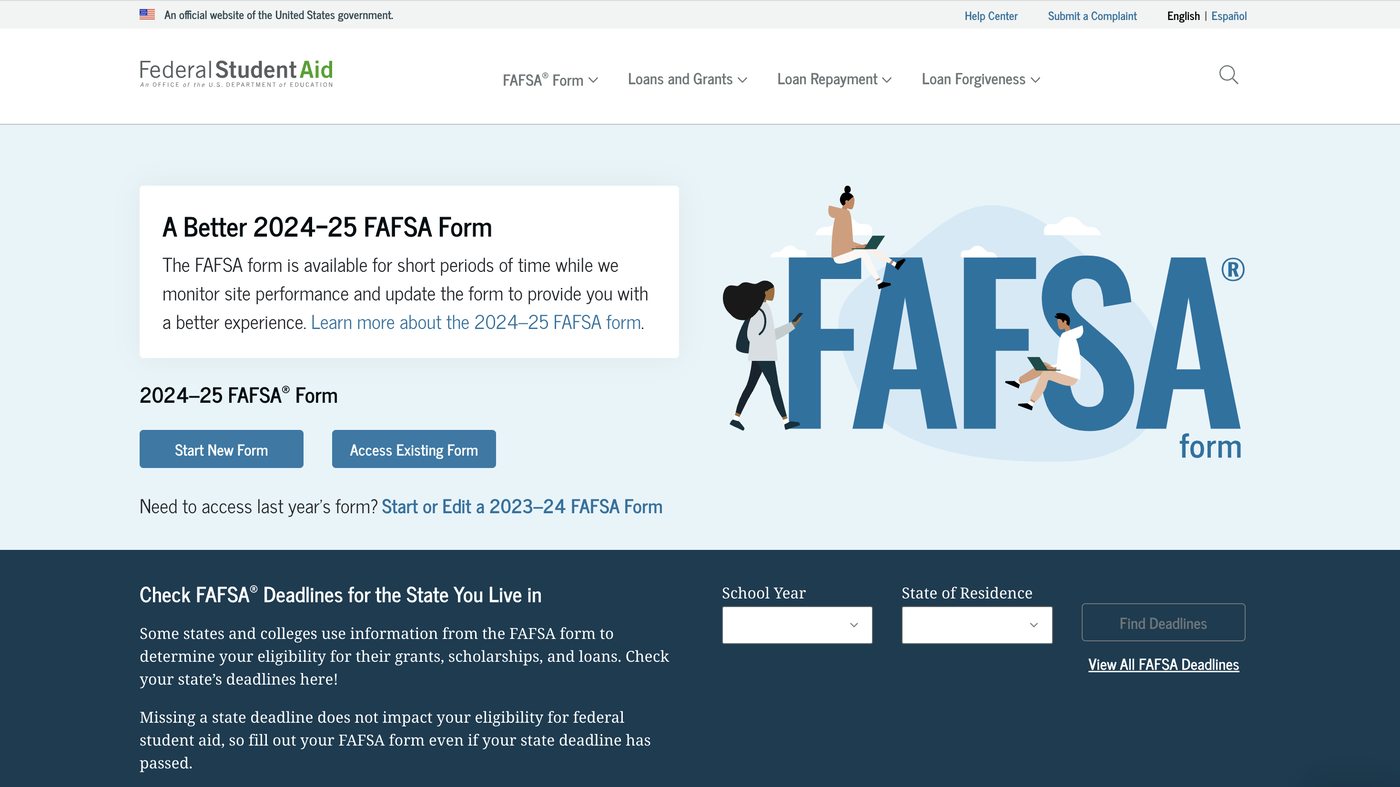
The U.S. Department of Education is taking additional steps to support colleges and students with the FAFSA process, aiming to make it easier for schools to process student financial aid forms and provide maximum aid to students. These steps include reducing verification requirements, suspending routine school compliance reviews, and providing flexibility on recertification. The Department is also deploying federal personnel to support under-resourced colleges, allocating $50 million in funding for technical assistance, and releasing test versions of Institutional Student Information Records (ISIRs) to help institutions prepare their systems. U.S. Secretary of Education Miguel Cardona emphasized the goal of simplifying the FAFSA process for colleges, universities, and students.
The U.S. Department of Education reports over 3.1 million FAFSA forms successfully submitted since the launch of the redesigned 2024–25 application, and announces an update to the Student Aid Index calculation to account for inflation, potentially providing an additional $1.8 billion in aid. The Better FAFSA aims to simplify the financial aid process, with 610,000 more low-income students expected to receive Federal Pell Grants and nearly 1.5 million more students receiving the maximum Pell Grant. The Department is committed to supporting a better FAFSA experience for all users and will begin transmitting FAFSA information to schools and state agencies in March.
The rollout of the new FAFSA has been problematic, with the form only intermittently available since its Dec. 30 launch. A significant mistake in the form, related to failing to adjust for inflation, could reduce federal financial aid for many students unless remedied. The U.S. Department of Education is considering whether to fix this issue, which could further delay aid offers. The potential remedies come with complications, as making the inflation adjustment would pose significant challenges for the department and potentially delay aid offers from schools to families.
The U.S. Department of Education has extended the deadline for income-driven and public student loan forgiveness applications to April 2024, providing at least three years of additional credit toward loan forgiveness. This move is part of the Biden administration's efforts to alleviate financial pressures faced by students and graduates, particularly those affected by past bureaucratic challenges. The extension aims to accurately reflect borrowers' payment histories and includes periods of forbearance or deferment that were previously excluded from forgiveness calculations. The adjustment predominantly benefits borrowers enrolled in Income-Driven Repayment (IDR) plans and those participating in the Public Service Loan Forgiveness (PSLF) program. The change is expected to bring financial relief and stability to a significant portion of the student borrower population.
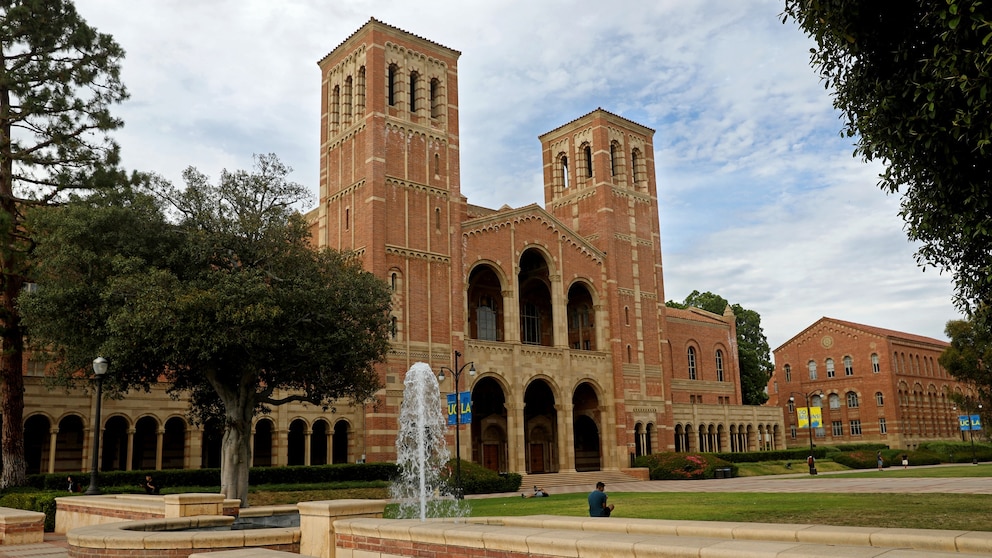
The U.S. Department of Education (DOE) has opened investigations into six more schools, including Rutgers University, Stanford University, and the University of California campuses, for alleged discrimination on their campuses. The investigations are part of the Biden administration's response to the rise in reports of antisemitism, anti-Muslim, anti-Arab, and other forms of discrimination since the start of the Israel-Hamas war. The DOE's Office for Civil Rights (OCR) clarified that opening an investigation does not imply any finding of responsibility. The schools have stated their commitment to combating discrimination and are cooperating with the investigations. These schools join at least 15 others already under investigation for potential violations of the Civil Rights Act.