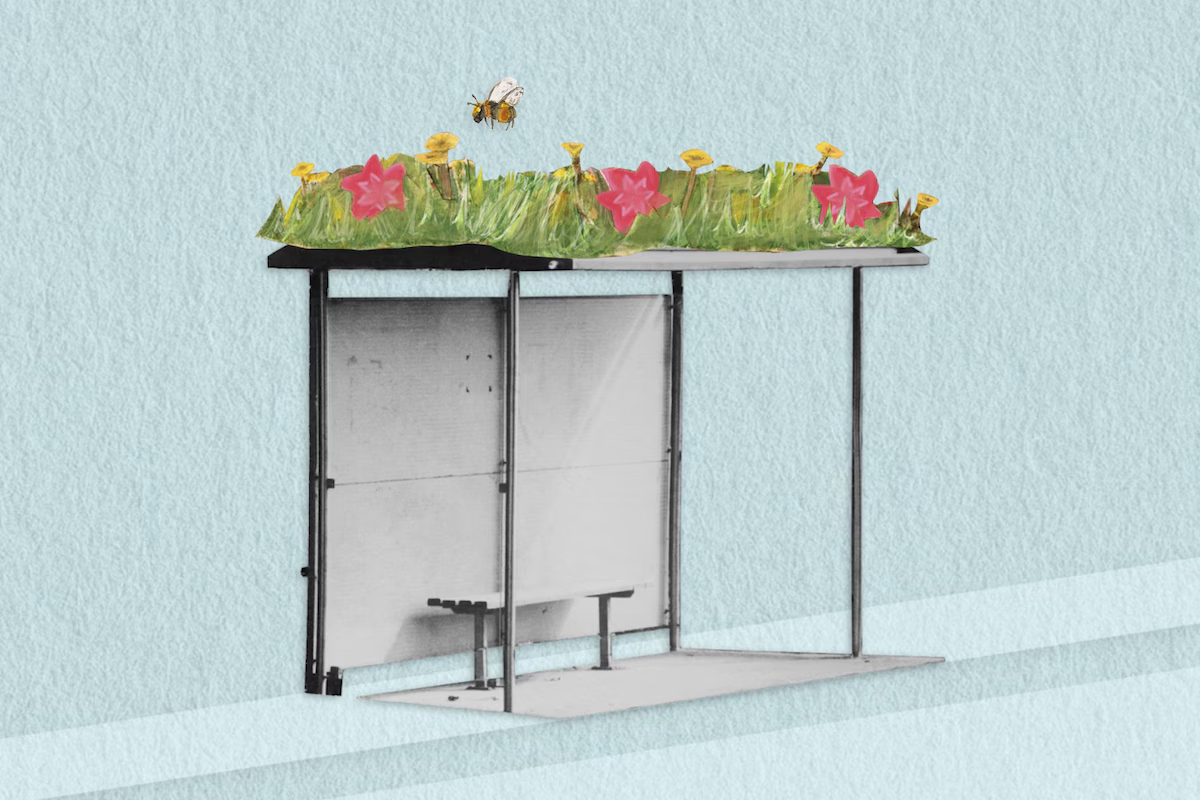
Green bus stops with living roofs are being implemented worldwide to combat urban heat, support pollinators, and integrate nature into cities, with potential to significantly increase urban green space and improve environmental health.
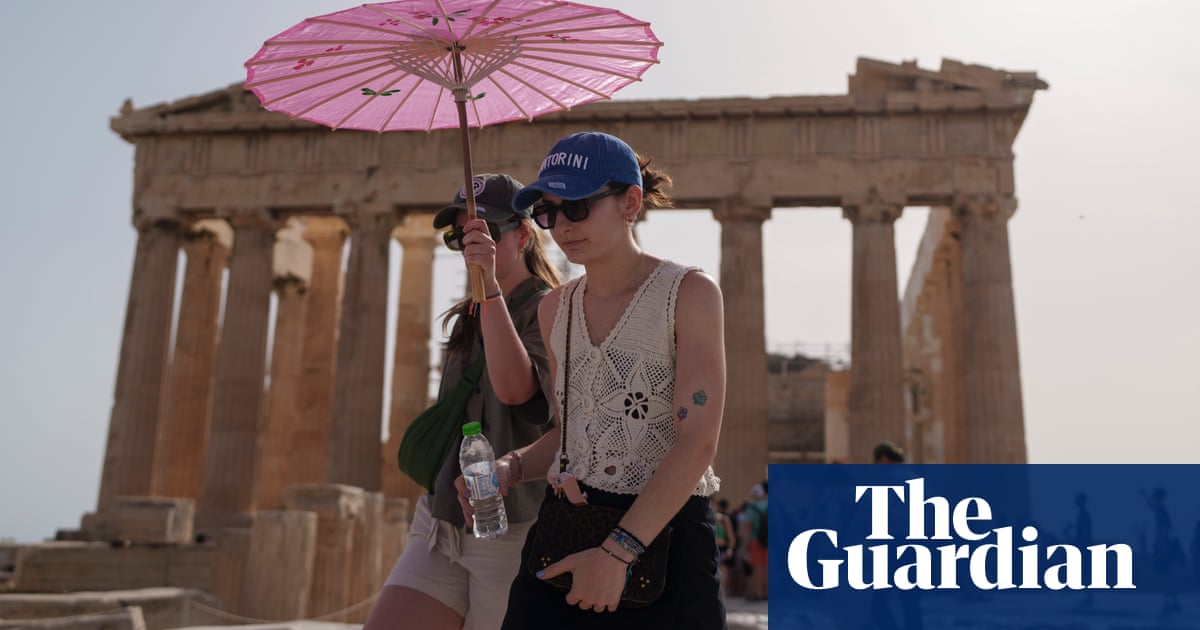
Southern and eastern Europe are enduring a severe heatwave with temperatures significantly above seasonal norms, exacerbated by the urban heat island effect in cities like Athens. Night-time temperatures remain high, increasing health risks and energy demands. Several countries have issued heat warnings, and the heat is expected to subside by the weekend with thunderstorms. The prolonged dry conditions have heightened wildfire risks, with significant fires reported in Greece and Albania. Additionally, water reservoirs are at low levels, potentially leading to water restrictions during the peak tourism season.
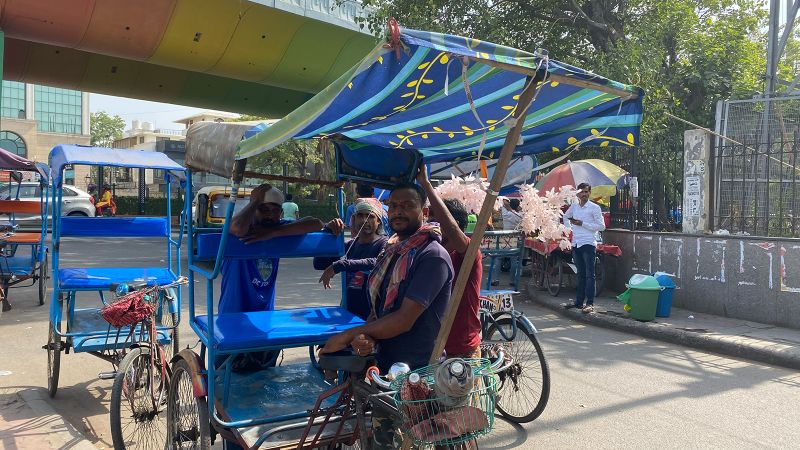
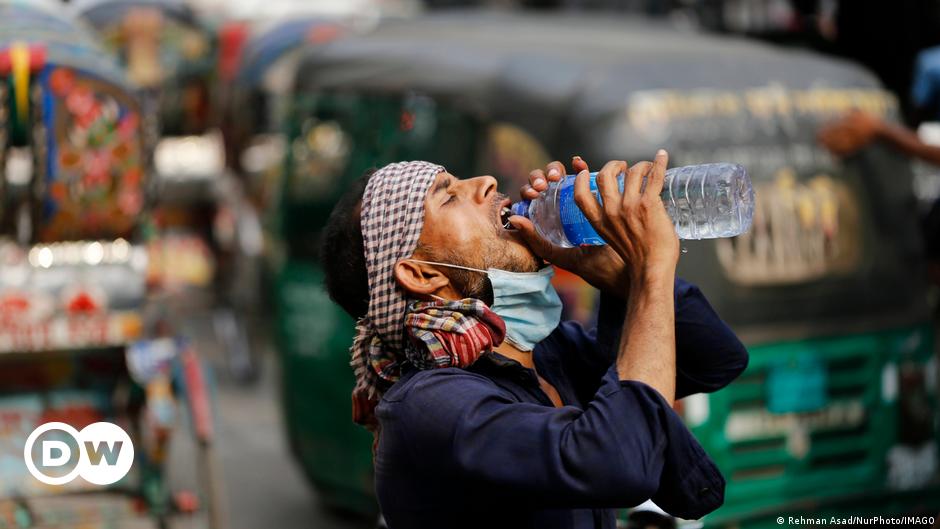
Delhi residents are suffering from dangerously high nighttime temperatures amid a severe heatwave, exacerbated by the urban heat island effect. The relentless heat is causing health issues, straining resources, and making it difficult for people, especially those without air conditioning, to rest and recover. The situation highlights the broader impacts of the climate crisis, with significant health risks and increased mortality rates, particularly among vulnerable populations like the homeless and outdoor workers.
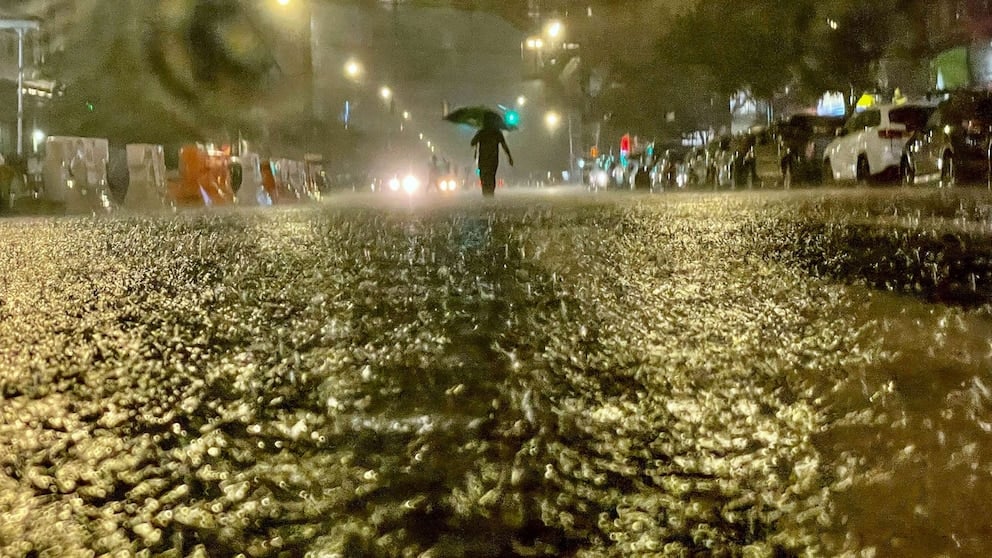
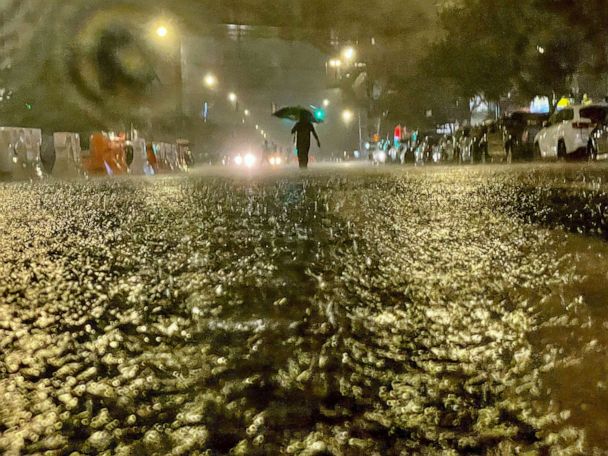
Large cities, including New York City, are at the forefront of climate change, with urban populations being particularly vulnerable to the impacts of extreme heat and flooding. Heat waves pose a threat to city dwellers, especially those in disadvantaged communities without access to air conditioning. Flooding, exacerbated by rising sea levels and changing storm patterns, is becoming increasingly common in coastal cities. Both heat waves and flooding have significant impacts on public health, infrastructure, and the economy. Cities need to implement climate resiliency strategies to protect their residents, but many face challenges in terms of resources and funding. Climate migration may become more prevalent as people seek housing in safer areas further inland.
Large cities, such as New York City, are at the forefront of climate change, with about 80% of the U.S. population living in urban settings. These cities are experiencing the impacts of climate change, including extreme heat and increased flooding. Vulnerable populations, particularly those in disadvantaged communities, are most affected by heat waves due to lack of access to air conditioning. Flooding is becoming more frequent in coastal cities, threatening homes and infrastructure. Cities need to prioritize climate resiliency strategies, such as improving infrastructure and implementing regulations, to protect their residents from future climate threats. However, more funding and resources are needed to address the scale of investments required.
About 2 billion people will live in hazardous heat conditions by the end of the century if climate policies continue on their current trajectory, according to new research. Extreme heat can result in a range of illnesses and death, and the elderly, infants and children, pregnant women, outdoor and manual workers, athletes and the poor are particularly vulnerable. Cities around the world are introducing the new role of chief heat officer to deal with inevitable temperature increases, and strategies include preparedness, awareness, and adaptation, such as creating more green spaces in the city.