A study by the University of California, San Diego suggests that prolonged sitting can lead to a 57% higher risk of early death, even with moderate-to-vigorous exercise. Sitting for over 30 minutes at a time can increase blood sugar levels and blood pressure, and some suggest that sitting for 11 or seven hours per day is too much. To combat this, using a sit-stand desk, taking breaks during TV ads or household tasks, and incorporating small bursts of arm exercise can help reduce the health risks associated with prolonged sitting.

A study from the University of California San Diego has found that older women who sit for 11.7 hours or more each day have a 30% increased risk of dying, regardless of their level of physical activity. The study, which used a machine-learned algorithm to analyze sitting and daily activity data, also revealed that even brief periods of moderate activity throughout the day did not seem to negate the harmful effects of prolonged sitting. Experts recommend getting up every 30 minutes to walk and move around for four to five minutes to counteract the negative impact of sedentary behavior on health.
A study from the University of California-San Diego suggests that prolonged sitting, regardless of exercise, is linked to a 30% increase in the risk of premature death for older women. The research, based on data from over 6,000 women, found that sedentary behavior negatively impacts glucose metabolism and blood flow, with exercise unable to reverse these effects. The study recommends breaking up long periods of sitting with short standing breaks, as sitting for more than 11 hours a day and in longer sessions is associated with higher risk.
A new study, led by researchers at the University of California San Diego, has found a surprising link between body temperature and depression. The study, which included data from over 20,000 participants, revealed that individuals with higher levels of depression symptoms also had higher skin temperatures. This discovery may open up new avenues for treating depression, potentially through methods that involve regulating body temperature. The findings shed light on the potential benefits of tracking body temperature in individuals with depression to time heat-based treatments effectively.
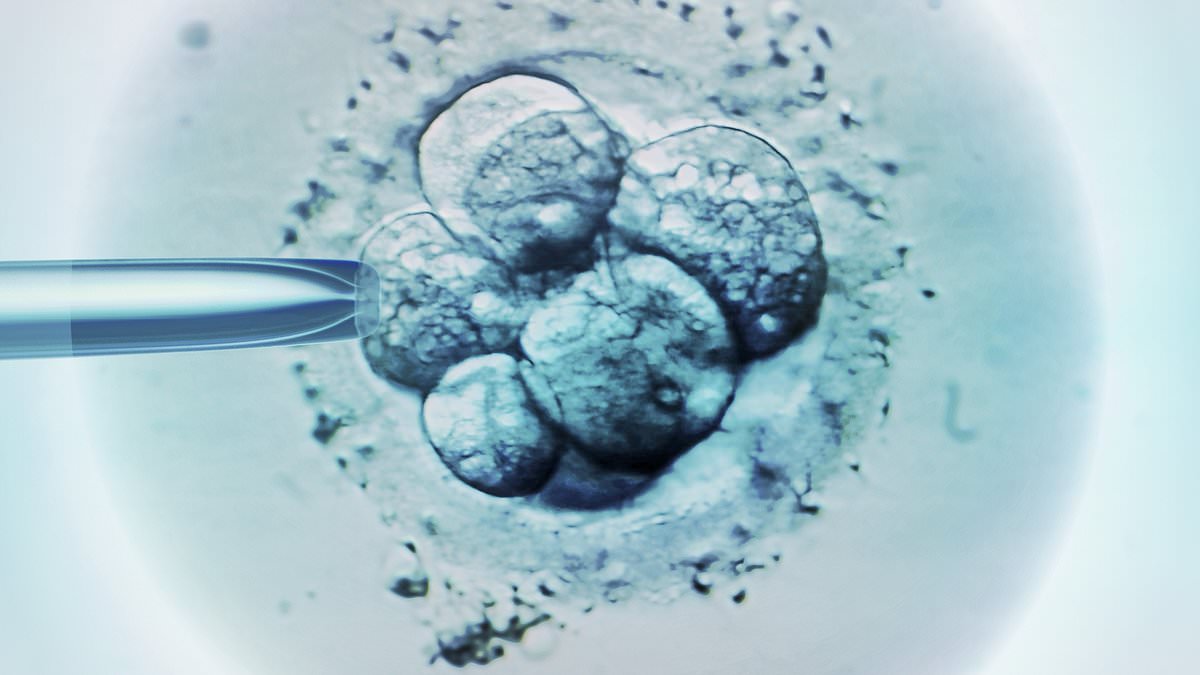
Scientists at the University of California San Diego have developed a non-invasive test that can assess the quality of lab-grown embryos, potentially reducing the element of chance in IVF. The test analyzes particles of genetic material left behind in petri dishes used to grow fertilized eggs, providing insights into embryo development without the need for biopsies or visual assessments. This breakthrough could lead to more accurate predictions of IVF outcomes and potentially improve success rates, offering hope to couples struggling with fertility issues.
Researchers from the University of California San Diego have developed a method to repurpose electronic devices, such as cell phones, into processors, aiming to tackle the growing problem of e-waste. With billions of mobile phones ending up in landfills each year, this innovative solution could help reduce toxic waste and promote recycling.