Tag

University Of California Riverside

All articles tagged with #university of california riverside

technology1 year ago

"Revolutionary Method Doubles Computer Speed Without Hardware Upgrades"

Researchers at the University of California, Riverside, have developed a new technology called simultaneous and heterogeneous multithreading (SHMT) that can potentially double the performance of existing PCs by enabling a single task to be carried out across multiple processors simultaneously, reducing workload per processor and energy usage. However, challenges remain in ensuring compatibility with different processor architectures before the technology can be brought to market.


technology1 year ago

"Revolutionary Breakthrough Doubles Computer Speed Without Hardware Upgrades"

Researchers from the University of California, Riverside have developed a system called simultaneous and heterogeneous multithreading (SHMT) that could potentially double the speed of existing computers without requiring hardware upgrades. By allowing tasks to run simultaneously across multiple processors, SHMT could significantly improve processing speed and reduce energy usage. However, the technology faces challenges in ensuring quality and precision in processor architectures before it can be widely implemented.

technology1 year ago

"Breakthrough Discovery Doubles Computer Speed"

Researchers at the University of California, Riverside have developed simultaneous and heterogeneous multithreading (SHMT), a new process that could potentially double the speed of existing computers by taking advantage of multiple processors in modern devices. The innovative approach aims to increase efficiency and reduce energy use, with promising test results showing a 1.95 times faster execution of sample code and a 51 percent reduction in energy use. While still in the early stages, the research presents a new direction for improving processor efficiency and performance in smartphones, computers, and other gadgets.

health-and-technology1 year ago

"Revolutionizing Spinal Surgery: Real-Time HD Imaging for Enhanced Treatment"

Researchers at the University of California, Riverside, have developed functional ultrasound imaging (fUSI) technology, which provides real-time high-resolution images of the human spinal cord during surgery. This innovation aims to enhance surgical procedures and improve medical treatments by allowing surgeons to view the spinal cord in detail while operating.

health-and-science1 year ago

"Harnessing Scents to Halt Cancer and Brain Diseases"

Researchers at the University of California-Riverside have discovered that inhaling certain scents, such as diacetyl, could potentially delay the onset of cancer, inflammation, and neurodegenerative diseases by altering gene expression. This groundbreaking research suggests that environmental odorants absorbed through the skin, nose, lungs, and potentially the brain can have therapeutic benefits, potentially serving as "tiny drugs" that can be simply inhaled to deliver therapeutic effects. The study also has promising applications in agriculture, offering a low-cost, non-invasive method for enhancing plant growth.

health-medical-research1 year ago

"Targeting a Key Protein to Halt Cancer Spread"

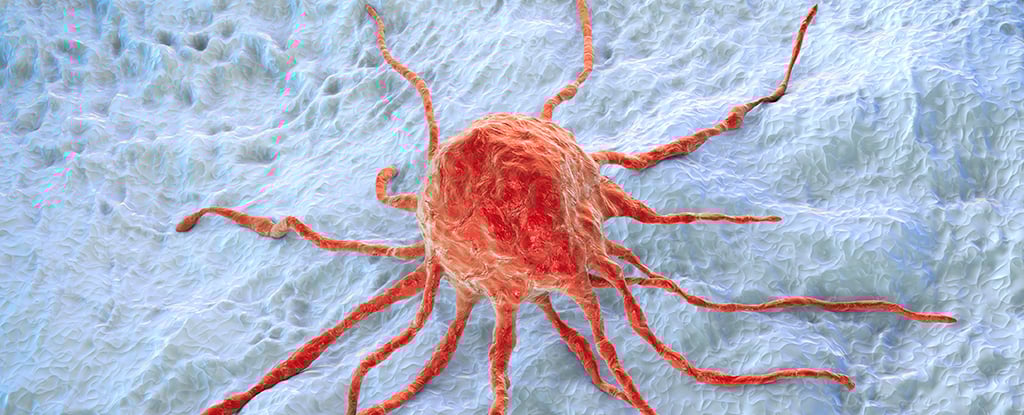
Scientists at the University of California, Riverside have developed a peptide compound that can bind to the shapeless protein MYC, which is implicated in 75% of human cancer cases, and help control its overactivity. This breakthrough could potentially lead to a way to stop cancer cells from spreading. The peptide, NT-B2R, was shown to successfully bind to MYC in tests using human brain cancer cells, ultimately decreasing the metabolism and proliferation of the cancer cells. While more research and testing are needed, this discovery offers promising potential for cancer drug development.

education2 years ago

"Professor's False Claims of Native American Roots Lead to Resignation and Controversy"

Ethnic studies professor Andrea Smith has agreed to resign from the University of California, Riverside, following years of controversy over her false claims of Indigenous American heritage. Smith, who faced criticism since 2008 for claiming she was Cherokee, reached a settlement agreement with the university, allowing her to retire in August 2024 without investigation. The agreement also grants her retirement benefits and an honorary emeritus title, while the university will cover up to $5,000 of her legal expenses. Smith's case is one of several high-profile instances of academics falsely claiming Indigenous heritage, sparking concerns about the misrepresentation of identity and colonization within academia.