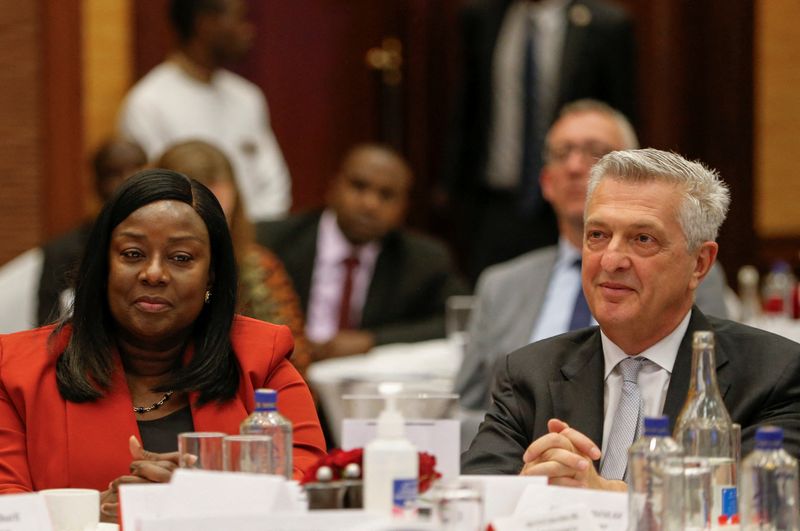
The UN General Assembly elected former Iraqi President Barham Salih as the new UN High Commissioner for Refugees, succeeding Filippo Grandi, who will conclude his tenure at the end of 2025. Salih's extensive public service and personal experience with conflict and displacement make him well-suited to lead UNHCR during a time of significant global humanitarian challenges. Salih is expected to assume office on January 1, 2026, and will be based in Geneva.
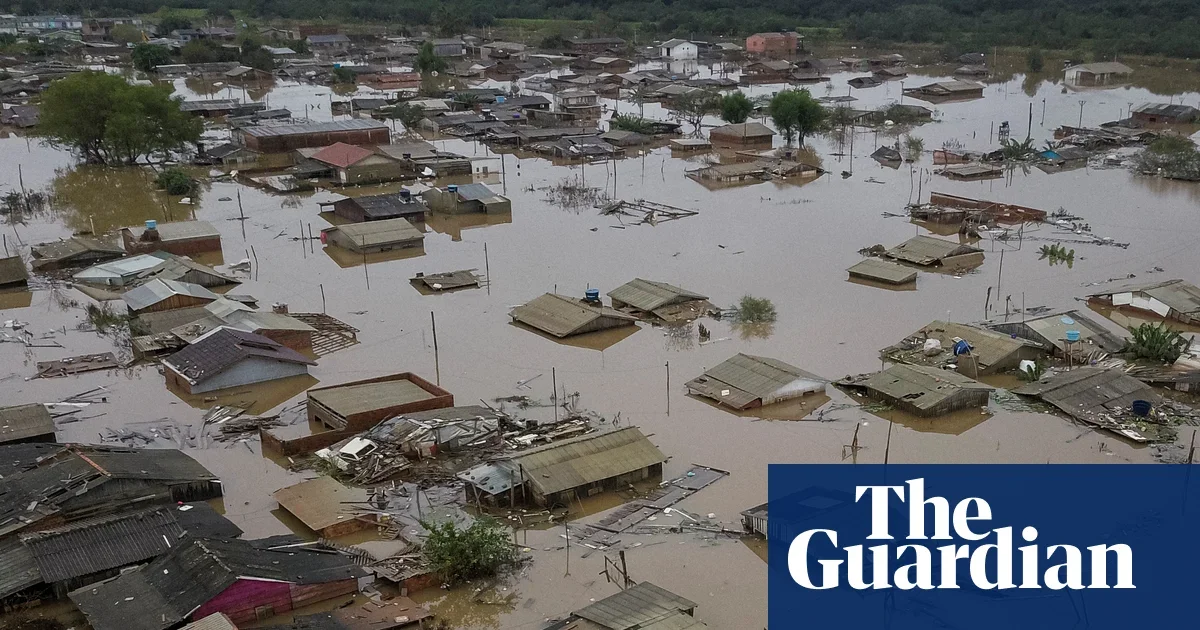
A UN report reveals that climate-related disasters have displaced 250 million people over the past decade, with floods, storms, droughts, and heatwaves driving conflict and displacement, especially in fragile countries that receive limited climate finance. The situation is expected to worsen, with climate change intensifying human rights crises and threatening the habitability of refugee camps by 2050. The UN calls for urgent climate action and funding at COP30 to protect vulnerable populations.
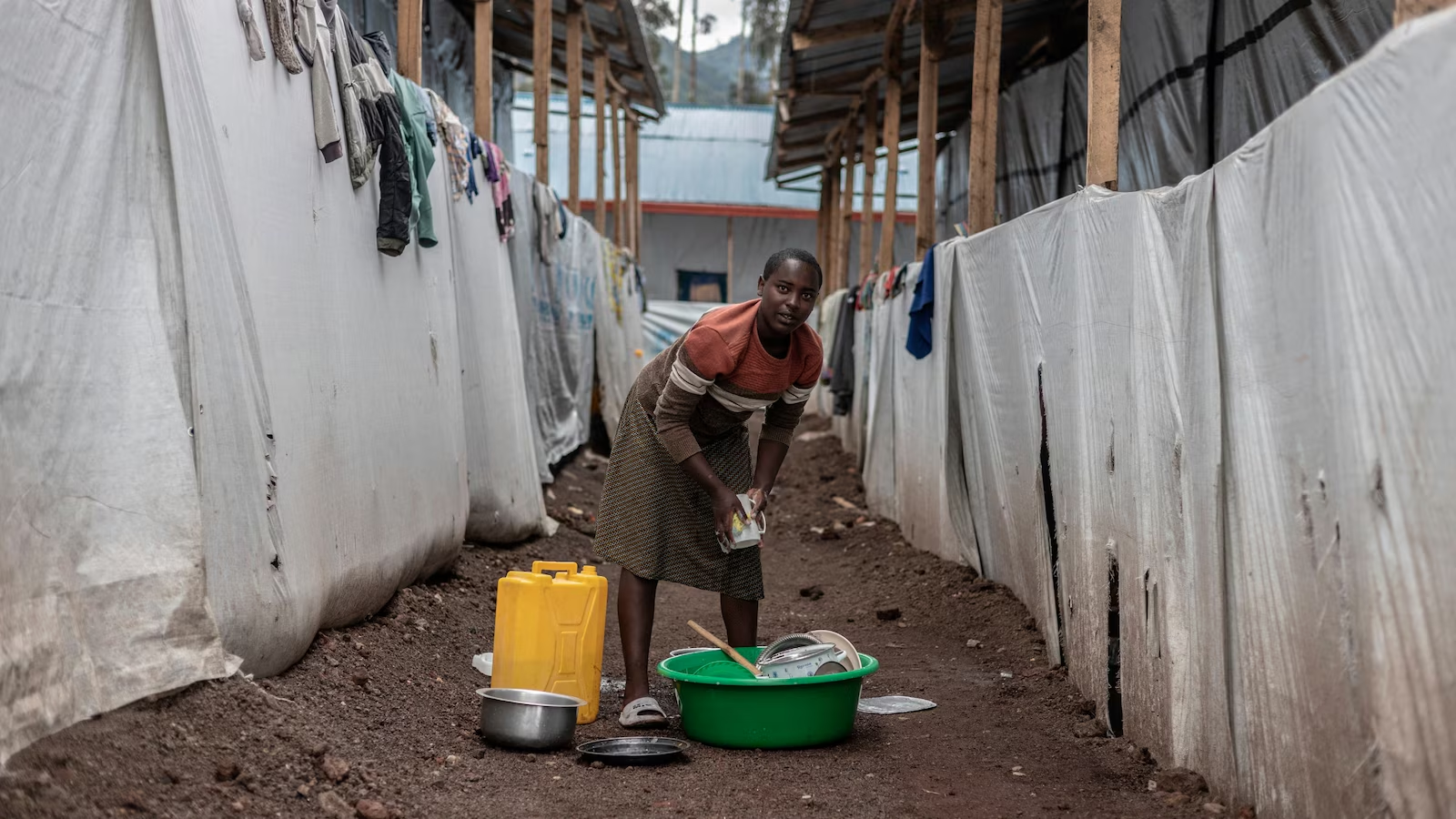
Nearly a million people have been displaced in the Democratic Republic of Congo due to escalating violence, with the UNHCR warning of a "devastating level" of displacement and a humanitarian catastrophe. The March 23 Movement armed rebel group's expansion has led to intense fighting, forcing civilians to flee and overwhelming hospitals with weapon-wounded individuals. The conflict has also led to a hunger crisis, with a quarter of the population facing food insecurity, and has closed over 500 schools, putting children at risk. The U.S. has called for a peaceful resolution through the Luanda Process.
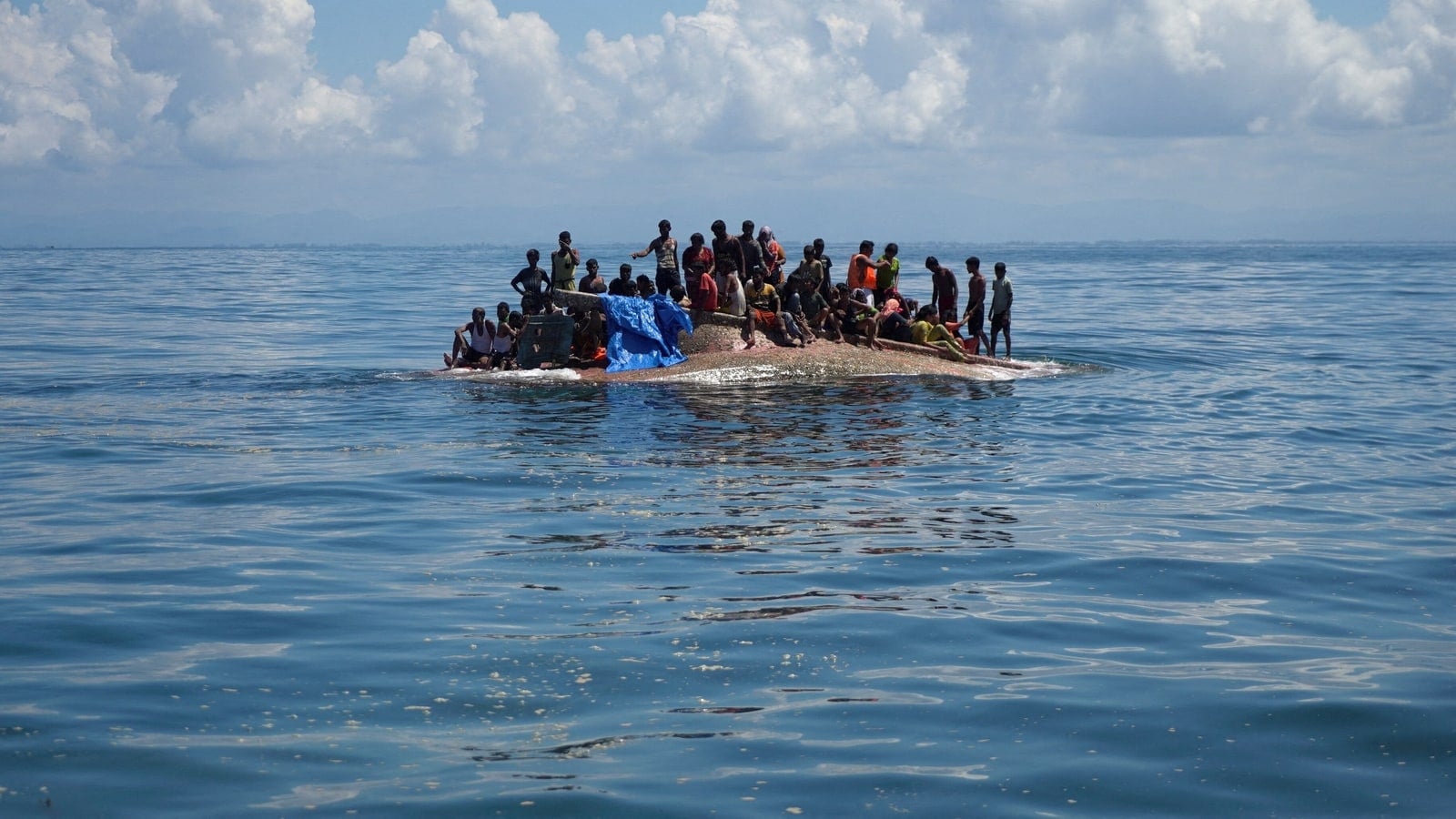
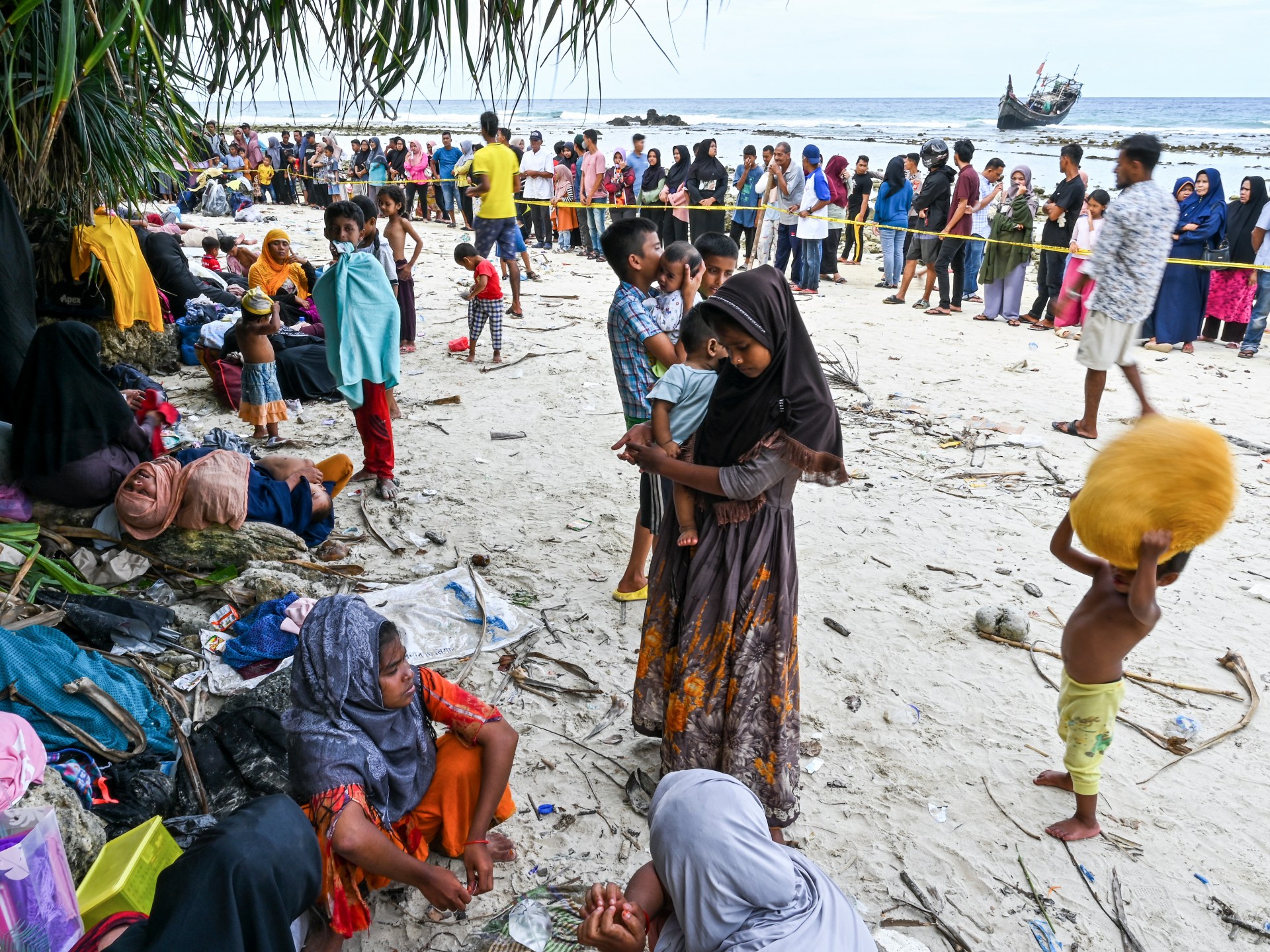
Dozens of Rohingya refugees are feared dead or missing after a boat carrying around 150 people capsized off the coast of West Aceh, Indonesia. Indonesian rescuers have called off the search for any remaining refugees, despite survivors' reports of dozens of people being swept away. The UNHCR and IOM expressed shock and deep concern over the situation, stating that if confirmed, this would be the biggest loss of life so far this year. This incident follows a recent influx of Rohingya refugees into Indonesia, with 1,752 refugees arriving between mid-November and late January, marking the largest influx since 2015.
Representatives from UNHCR, UNDP, ICRC, and WHO provided updates on various issues, including the prolonged uncertainty and exile for millions displaced by the third year of the Ukraine war, the socio-economic impact of the war and a new UNDP report on MSMEs, ICRC's work with missing persons in the international armed conflict between Russia and Ukraine, and updates on the global measles situation and Gaza from WHO.
Over 100 Rohingya refugees, including women and children, have arrived in Indonesia's Aceh province, while hundreds more are stranded on two unseaworthy vessels in the Andaman Sea. The latest arrivals join the more than 1,000 Rohingya refugees who landed in Aceh province last month. Although Indonesia is not a signatory to the UN Convention on Refugees, it has a history of accepting refugees. The UNHCR has called for immediate search and rescue efforts to find the stranded boats, warning of the risk of fatalities if they are not rescued soon. The Rohingya, considered one of the most persecuted minority groups, have been fleeing Myanmar since a military-led crackdown in 2017.
Pakistan has faced criticism from western diplomats and the UN for imposing an exit fee of approximately $830 on Afghan refugees who fled persecution by the Taliban. The move targets refugees waiting to leave Pakistan for resettlement in western countries and comes after a crackdown on undocumented foreigners. Thousands of Afghans without proper documents have been in Pakistan since the fall of Kabul, and most of them are eligible for resettlement on humanitarian grounds. Western diplomats have called the exit permit fee unprecedented and frustrating, while the UNHCR is advocating for the exemption of refugees from these requirements.
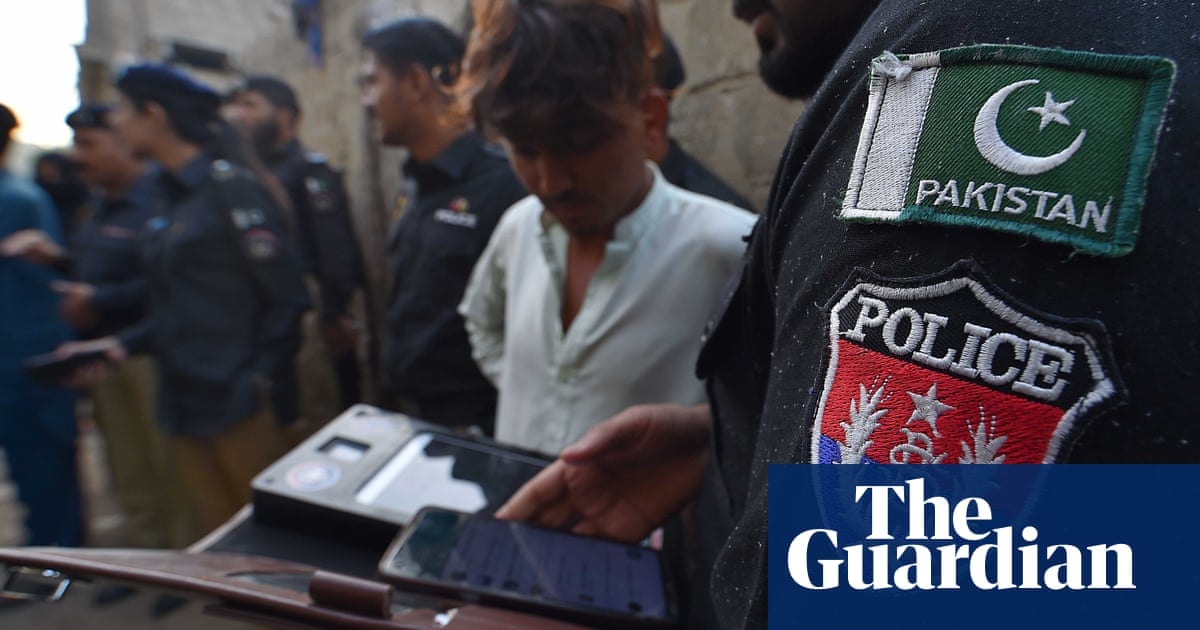
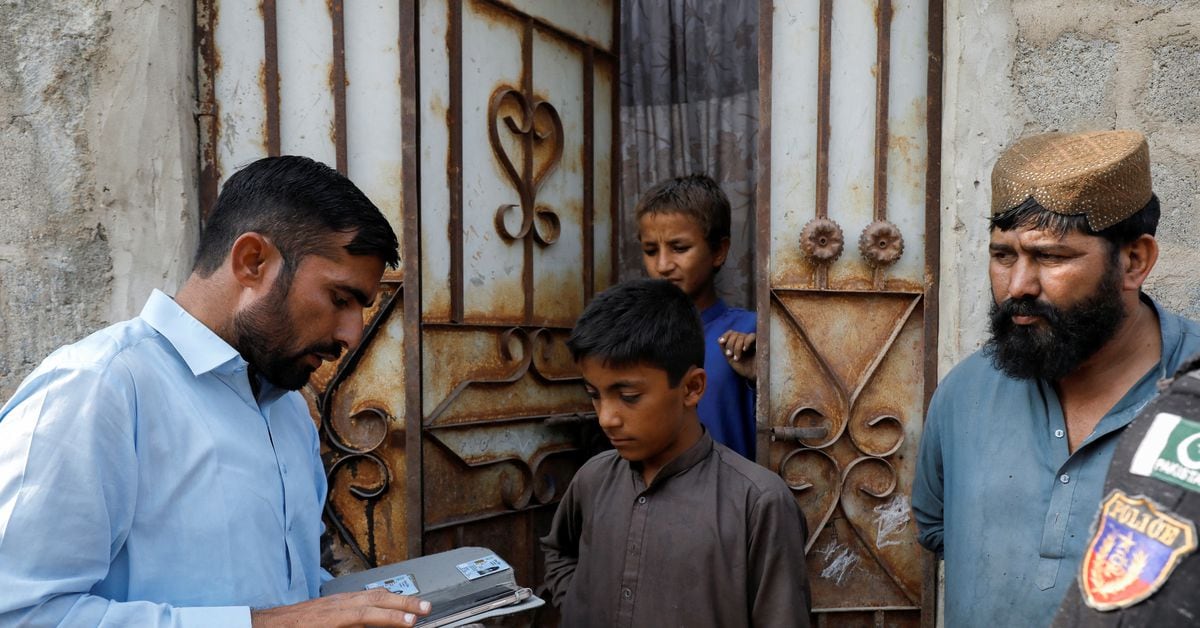
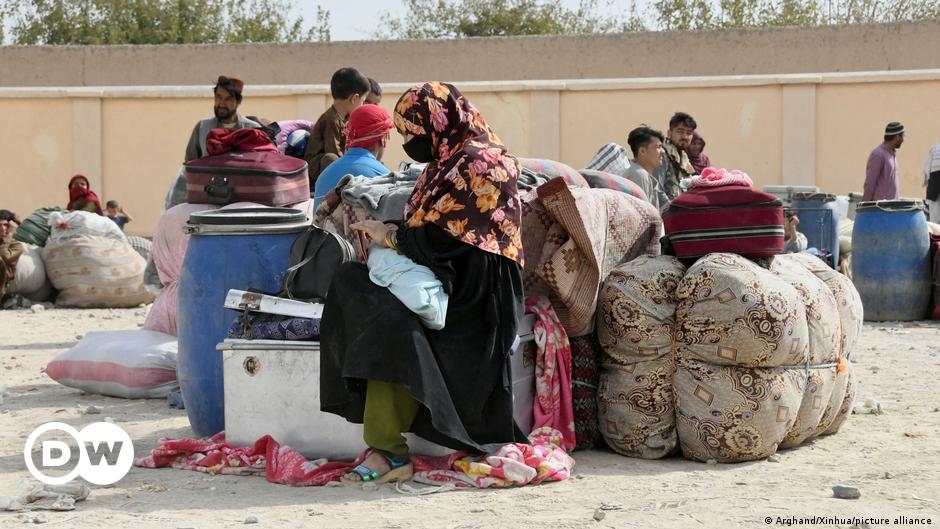
The UN refugee agency has expressed concern over the distress caused by Pakistan's deportation drive targeting Afghan refugees. Pakistan announced plans to expel over a million undocumented refugees, mostly Afghans, leading to the departure of over 370,000 Afghans since October 1. The UNHCR stated that even documented refugees were being targeted, creating a sense of panic. Pakistan claims that harassment of documented refugees is rare and that it is taking action against perpetrators. However, the search operation to verify refugee status continues. Many Afghans fear deportation and have gone underground, citing concerns for their safety in Taliban-controlled Afghanistan. The International Organization for Migration highlighted the need for aid and shelter for returnees facing an uncertain future in Afghanistan.
The United Nations refugee agency has expressed concern over a potential "human rights catastrophe" as thousands of Afghans living in Pakistan are being forced to return home before the October 31 deadline set by the government. The UNHCR and International Organization for Migration have called on Pakistan to suspend the forcible returns, warning that many of those facing deportation could be at risk of human rights violations if returned to Afghanistan. Pakistani Nobel Prize laureate Malala Yousafzai has also criticized the policy, urging the government to reconsider its mass deportation approach.
Over 1,200 children under the age of 5 have died in Sudan in the past five months due to a combination of measles and malnutrition, according to the UNHCR. The deaths occurred in nine camps in the war-torn White Nile province, where thousands of Sudanese have sought refuge amid ongoing conflict. The country's healthcare system has been severely impacted, with many hospitals and medical facilities out of service. The UN warns that the conflict, coupled with hunger, disease, displacement, and destruction of livelihoods, threatens the entire country, with around 25 million people in need of humanitarian assistance.
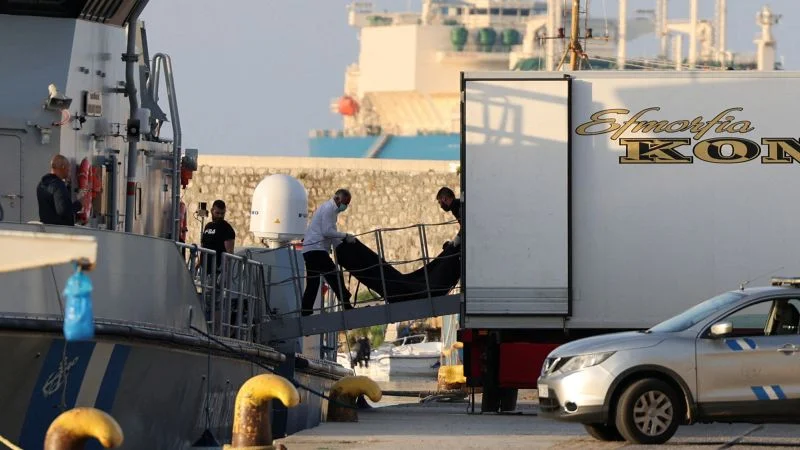
The sinking of an overloaded fishing trawler filled with hundreds of migrants off the southwest coast of Greece has left hundreds unaccounted for and renewed criticism of Greece's hard-line anti-migrant policy. The death rate among those trying to reach Europe is rising, and the UNHCR is calling for a joined-up European and North African approach to manage criminal elements, trafficking, and ultimately redistribute people in need of international protection. The European Union has pledged more than $15 billion to bolster its migration policy.
The head of the United Nations Refugee Agency (UNHCR), Filippo Grandi, has called for a return to peacemaking to curb the growing flow of refugees, as there are now 110 million displaced people around the world. Grandi said that the UN Security Council is broken and needs to restore its capacity to lead and drive peace. He also highlighted the conflict in Sudan, where rival military factions are battling each other, and called for a more sustainable solution like a meaningful ceasefire. Additionally, challenges emanating from climate change are also forcing people to move, and Grandi called for a multilateral approach to tackling the climate crisis.
Nine crew members have been arrested for people smuggling after a packed vessel sank in the Mediterranean on Wednesday, killing dozens of people, as human rights campaigners accused Greek authorities of neglecting those on board. The NGO Alarm Phone denounced the Greek response to the tragedy, alleging that authorities failed to acknowledge an earlier alert that the vessel was in danger. Pushbacks are state measures aimed at forcing refugees and migrants out of their territory, while impeding access to legal and procedural frameworks, according to the Berlin-based European Center for Constitutional and Human Rights (ECCHR).
The UNHCR's Global Trends Report for 2022 reveals that a record-breaking 110 million people have been forcibly displaced due to conflict, persecution, or human rights violations. The war in Sudan has displaced nearly 2 million people since April, while the Russian invasion of Ukraine led to the fastest and largest displacement of people since World War II. Most refugees are hosted by low to middle-income countries in Asia and Africa, with Turkey hosting the most refugees. The number of stateless people has also risen to 4.4 million, and the US has the largest backlog in its asylum system.
More than 1 million people have been displaced by five weeks of fighting in Sudan, including a quarter of a million refugees, according to the United Nations refugee agency. About 843,000 are displaced internally and 250,000 have fled across Sudan’s borders since fighting broke out a month ago. Half of Sudan’s population needs humanitarian aid and more than $3bn will be needed this year alone to provide urgent assistance inside the country and to those fleeing across its borders.