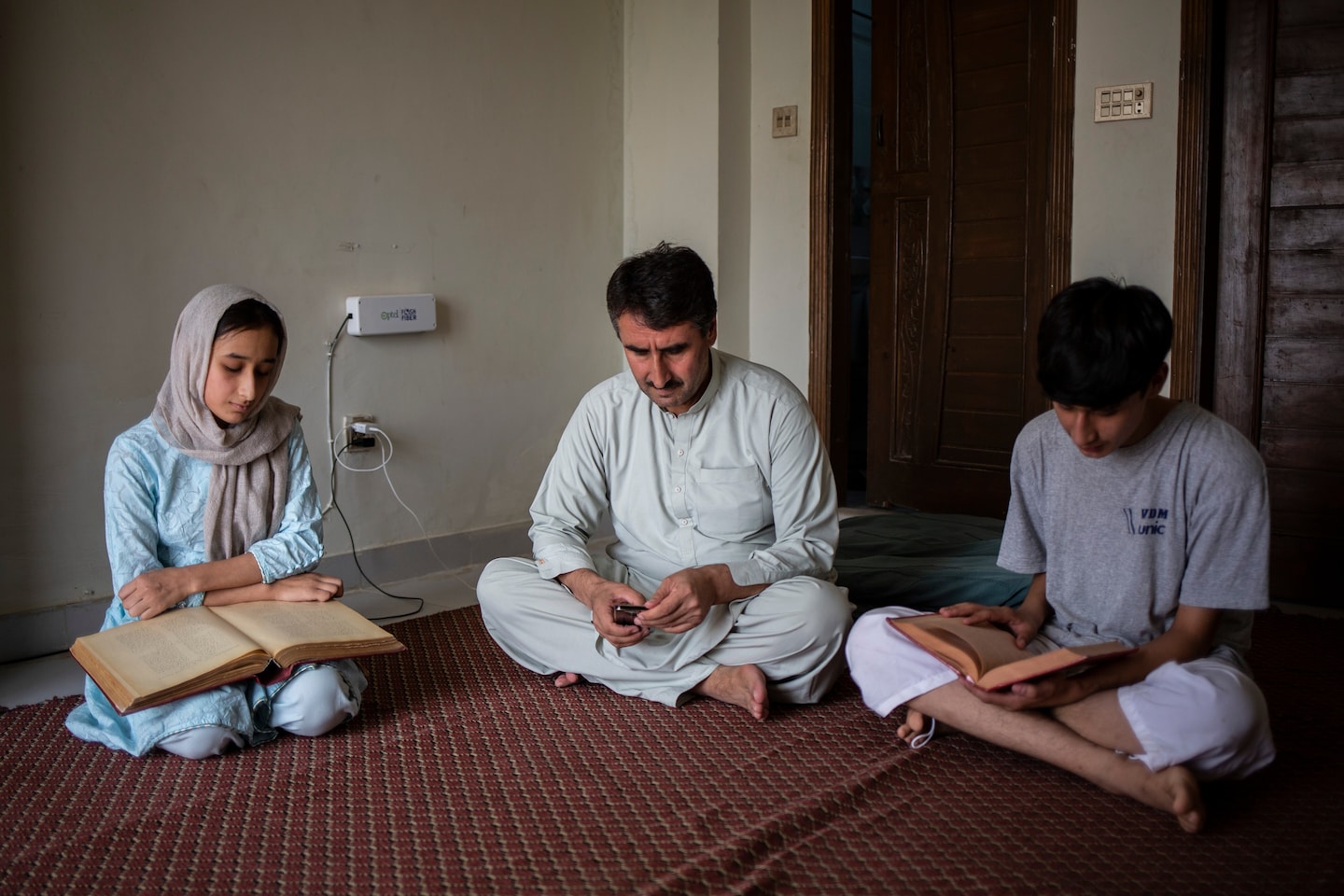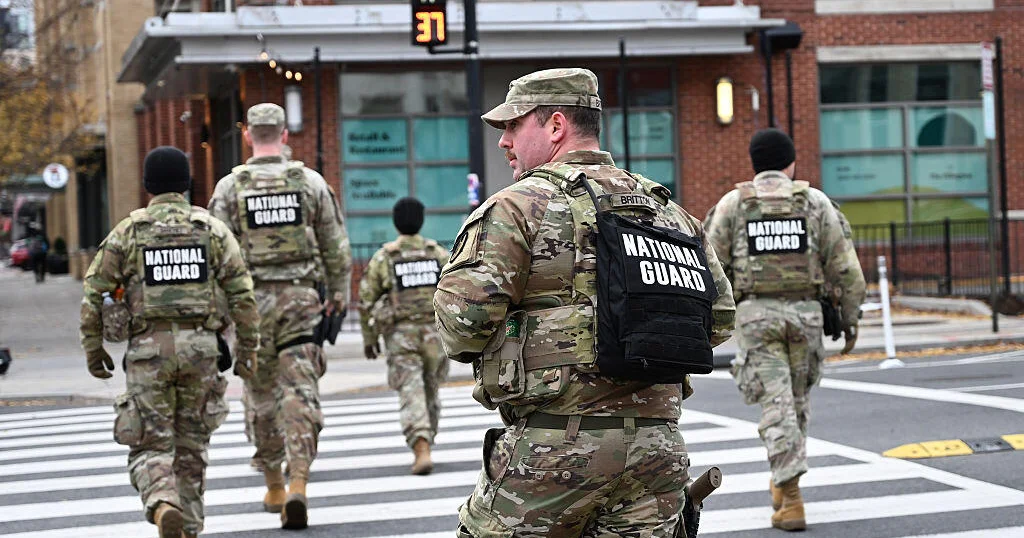
The suspect in the Washington D.C. National Guard shooting, Rahmanullah Lakanwal, struggled with mental health issues, including PTSD from his military service in Afghanistan, and had been isolating himself before the attack. Despite passing extensive vetting and being granted asylum in April 2025, authorities are investigating potential radicalization, though no links to extremist groups have been found. Lakanwal was shot and hospitalized after the incident, which resulted in the death of one victim and injuries to another.
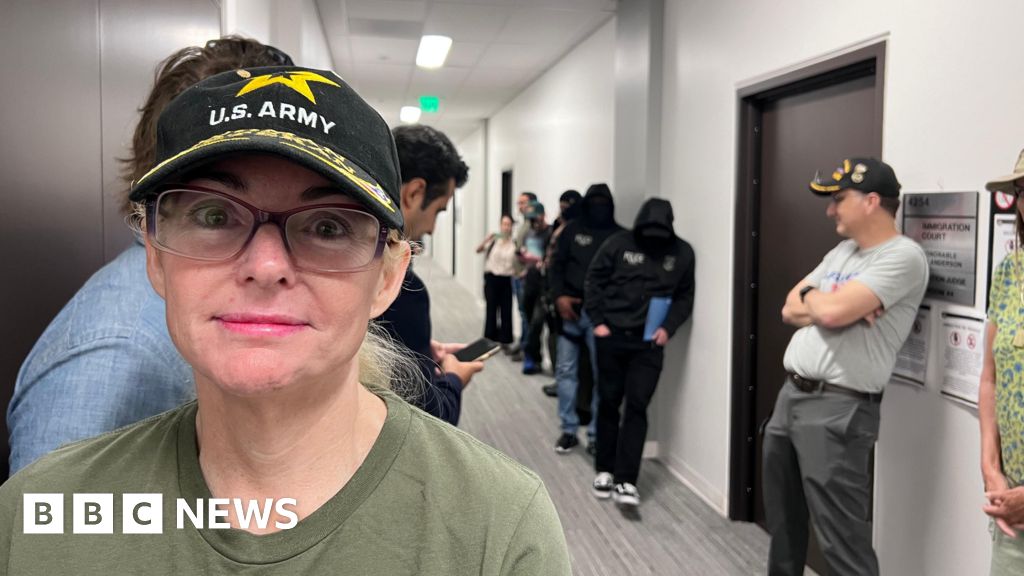
US military veterans, through the group Battle Buddies, are supporting Afghan refugees facing deportation in the US, highlighting concerns over the end of protective programs and the potential return of Afghans to Taliban-controlled Afghanistan, amid ongoing immigration challenges and advocacy for their safety and legal rights.
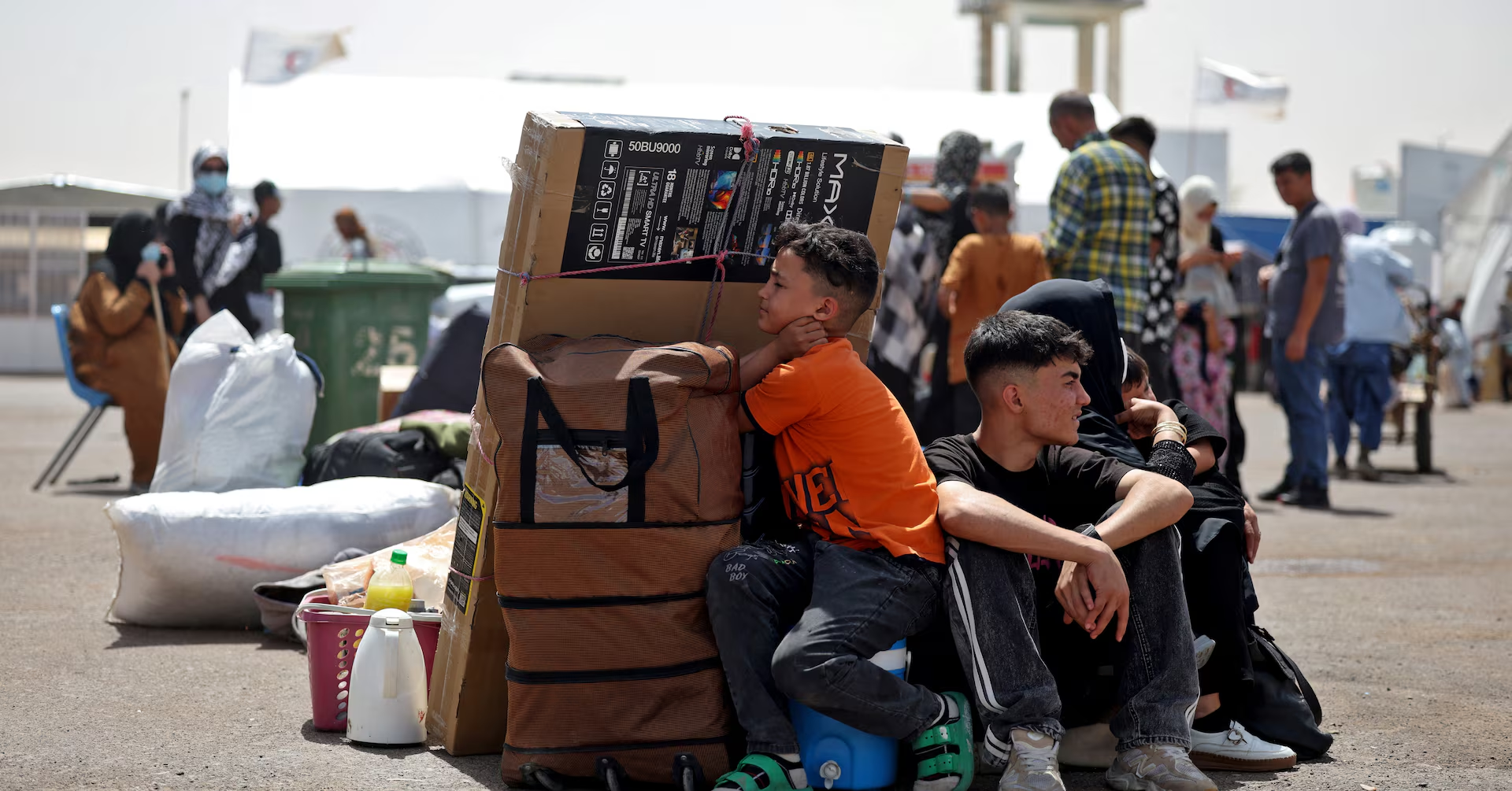
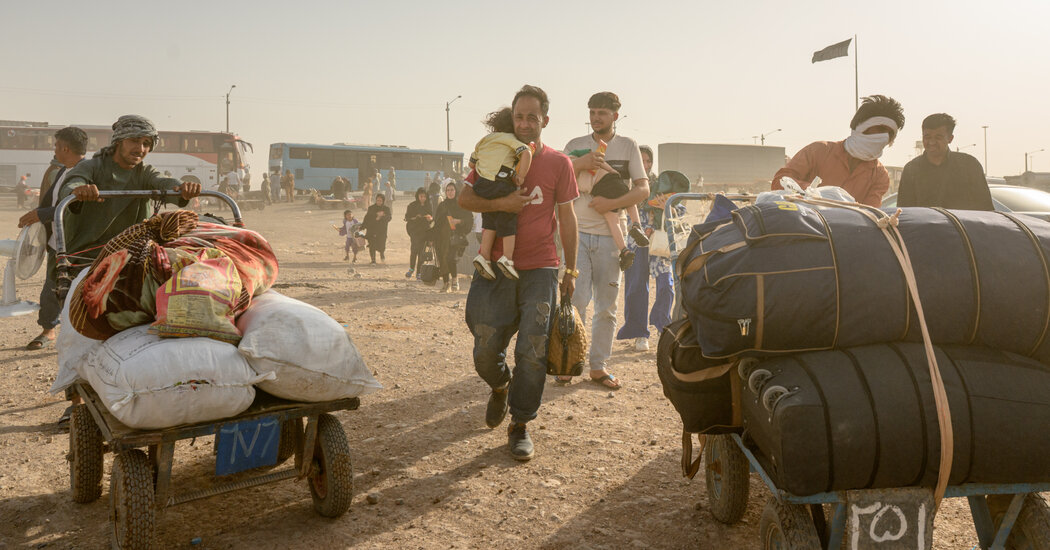
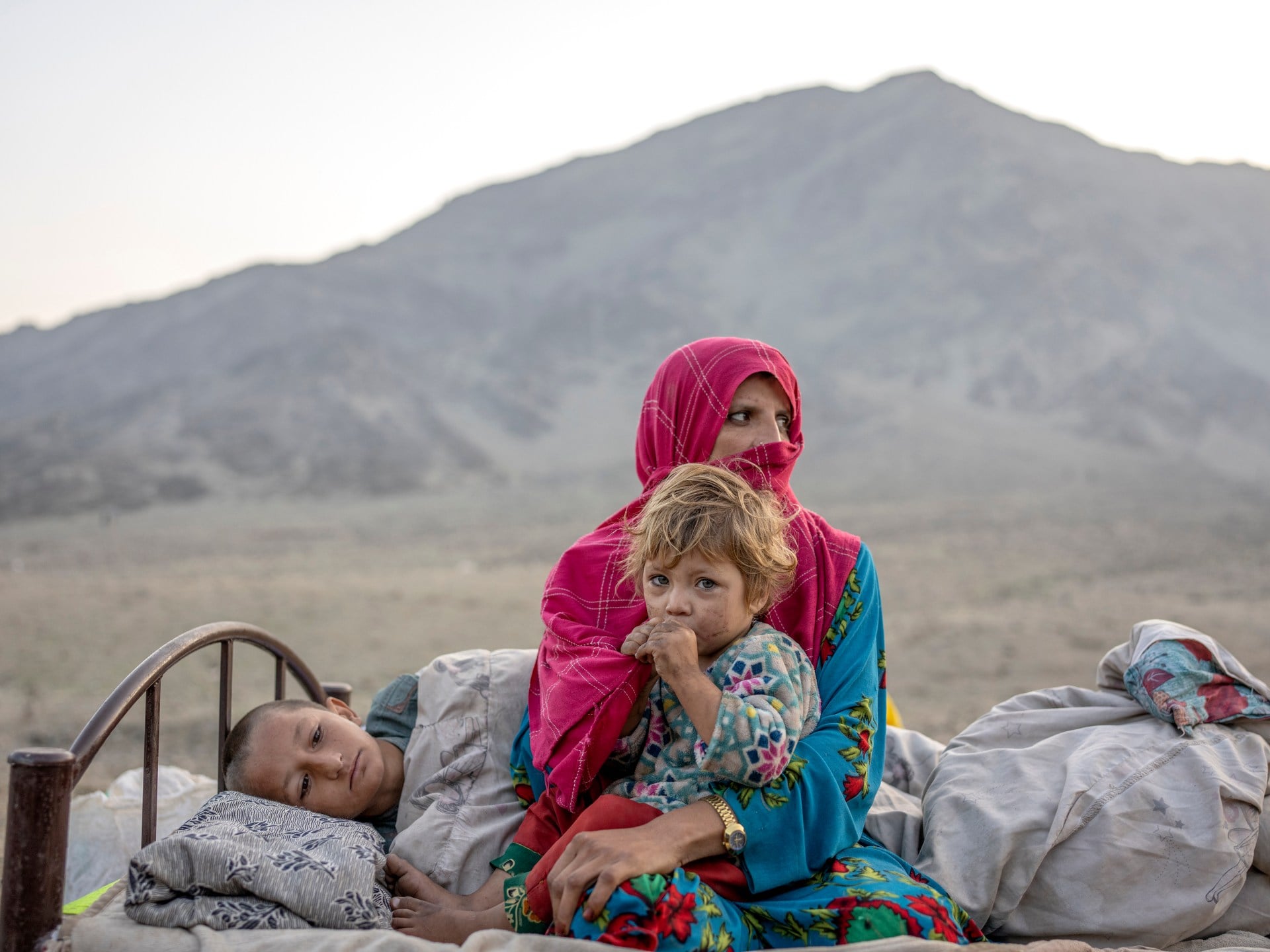
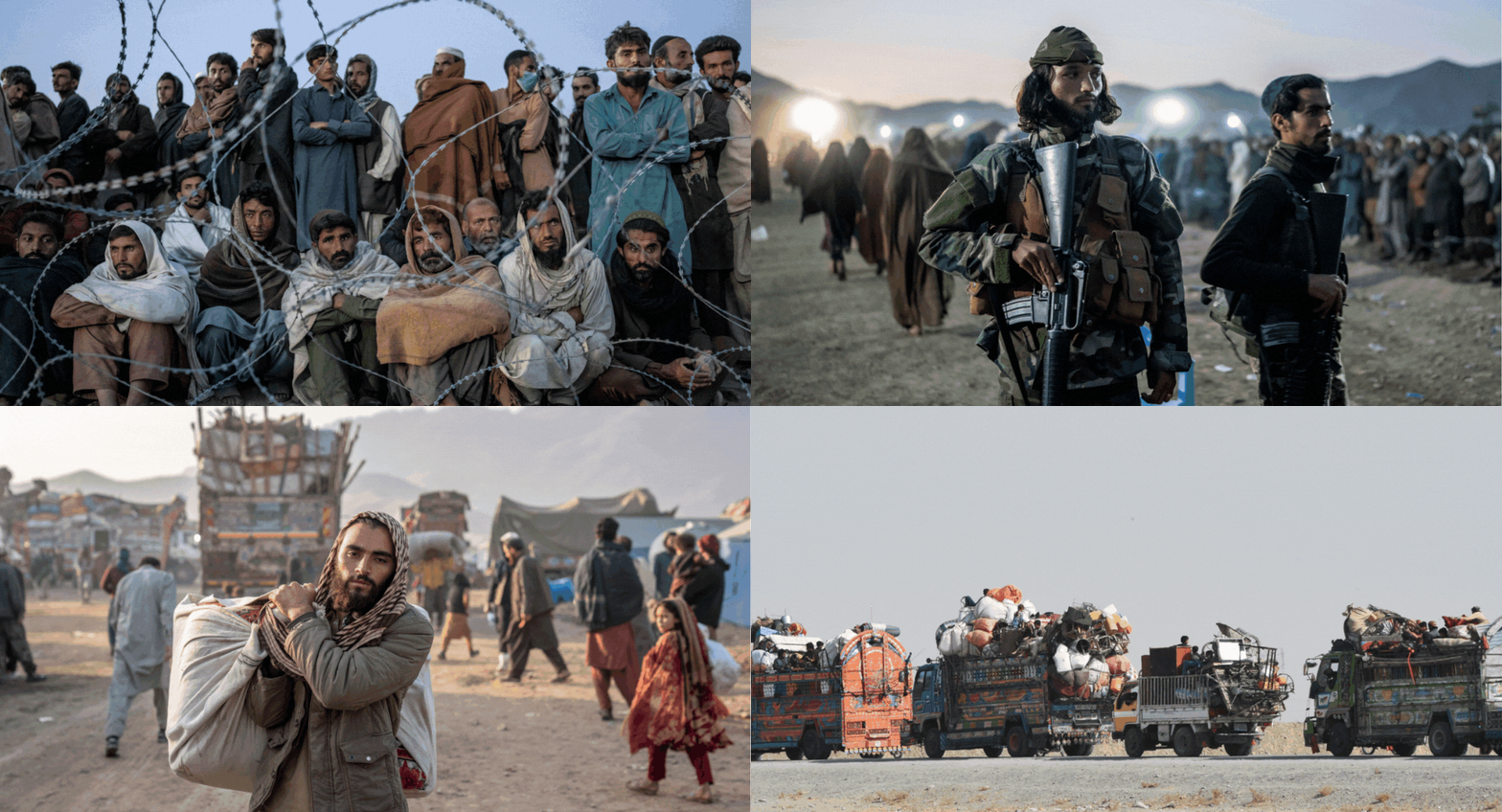
Nearly 700,000 Afghans have been expelled from Iran since June amid escalating tensions and security concerns, leaving many stranded and facing uncertain futures in Afghanistan, where women face severe restrictions and aid agencies are overwhelmed by the scale of the deportations.
President Donald Trump expressed support for helping Afghan refugees detained in the UAE, promising to take action to prevent their deportation to Taliban-controlled Afghanistan, amid ongoing concerns about refugee safety and U.S. immigration policies.
Iran has deported approximately 800,000 Afghan refugees since March, with a sharp increase in recent weeks, straining Afghanistan's resources and raising concerns about the treatment of those expelled, many of whom are undocumented or have lived in Iran for years.
Iran has intensified mass deportations of Afghan refugees, many forcibly returned amidst accusations of spying and amid a worsening humanitarian crisis in Afghanistan, with thousands risking perilous journeys back to a country under Taliban rule.
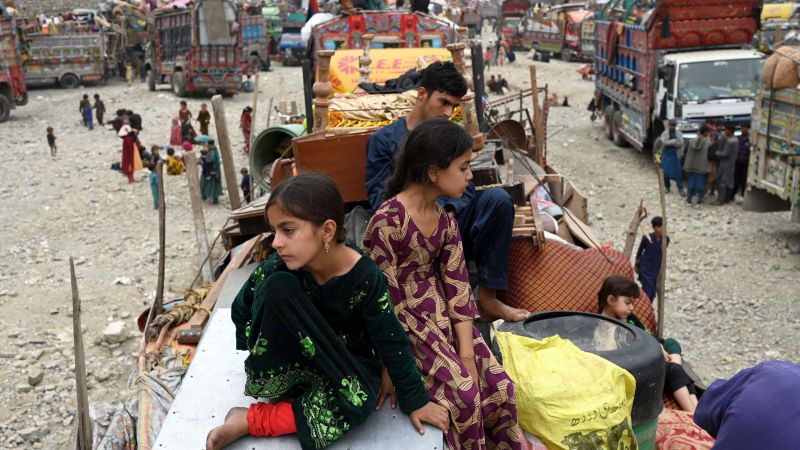
Human rights advocates warn that deporting Afghan refugees from Pakistan and Iran back to Afghanistan is occurring at a time when the country faces a severe humanitarian crisis, with millions in need of aid and limited international support, making the return potentially disastrous for those deported, many of whom have lived in these countries for decades.
Afghan refugees in Iran, many undocumented and vulnerable, are caught in the crossfire of Israel's conflict with Iran, facing danger, displacement, and lack of support, with some forced to return to Afghanistan despite the risks.
Three Afghan refugees, including the pilot, died in a small plane crash in Polk County, Oregon. The crash occurred during heavy fog, causing a power outage and a small brush fire. The Federal Aviation Administration and the National Transportation Safety Board are investigating the incident.
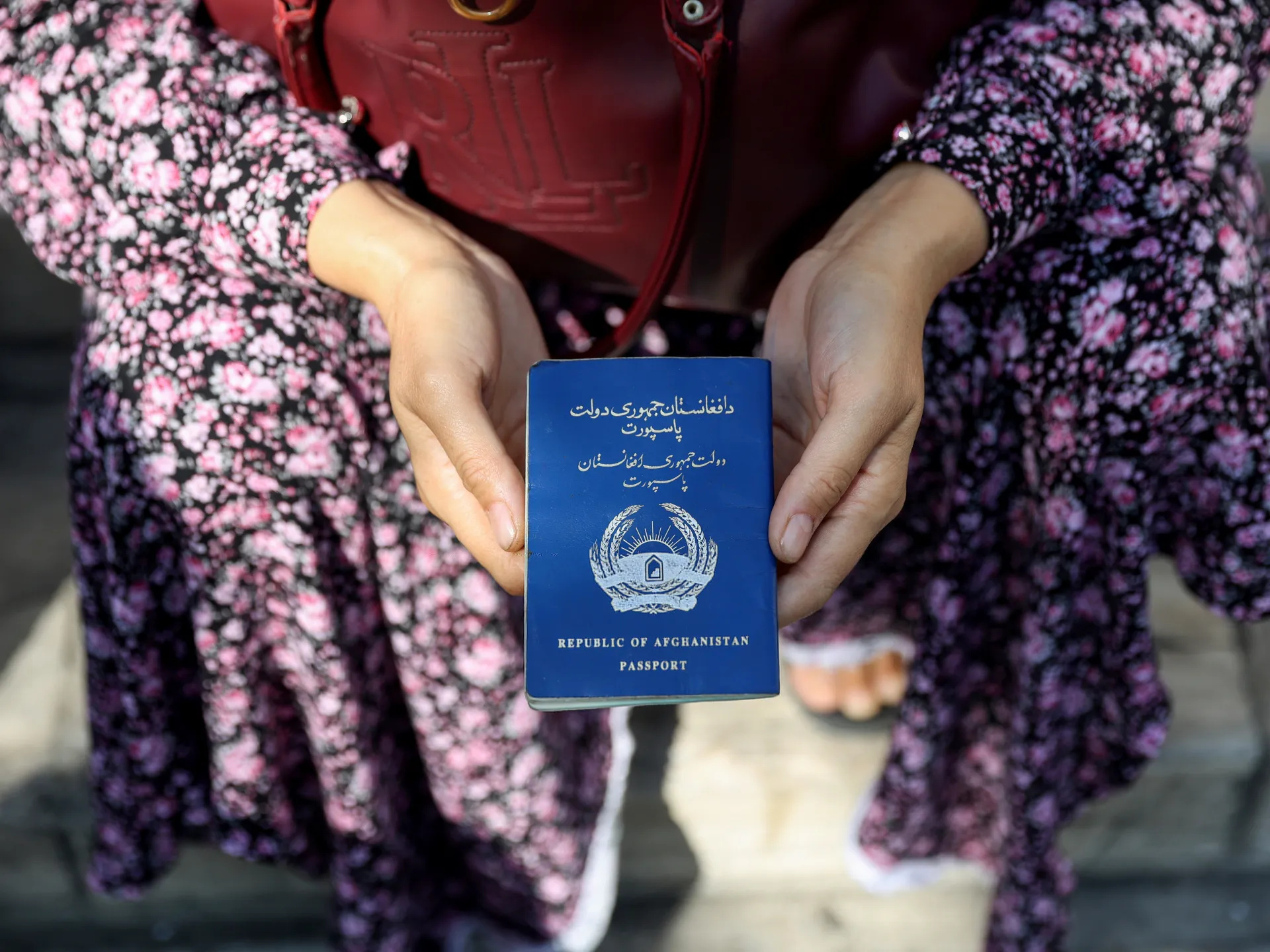
Pakistan has faced criticism from western diplomats and the UN for imposing an exit fee of approximately $830 on Afghan refugees who fled persecution by the Taliban. The move targets refugees waiting to leave Pakistan for resettlement in western countries and comes after a crackdown on undocumented foreigners. Thousands of Afghans without proper documents have been in Pakistan since the fall of Kabul, and most of them are eligible for resettlement on humanitarian grounds. Western diplomats have called the exit permit fee unprecedented and frustrating, while the UNHCR is advocating for the exemption of refugees from these requirements.
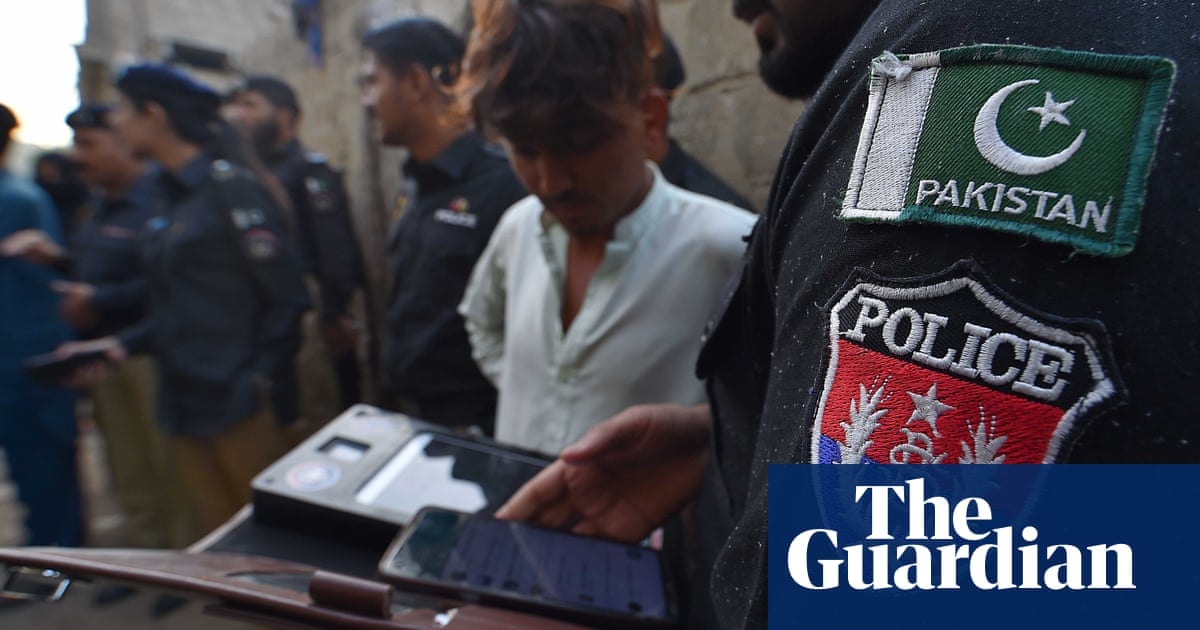
The Pakistani government's crackdown on undocumented Afghan refugees has been met with a muted response from the public, with many expressing support for the decision. The government claims that the refugees are responsible for a recent increase in attacks by armed groups. A survey conducted in November found that 84% of respondents approved of the expulsion, citing improved security as a result. However, experts argue that there is a deep-rooted racism against Afghans in Pakistan, fueled by state-sponsored narratives portraying them as terrorists. Civil society groups have expressed some resistance to the government's decision, calling for transparency and understanding of the reasons why Afghans fled their country.
The Taliban has warned Pakistan against its "cruel" treatment of Afghan refugees amid Islamabad's anti-migrant crackdown, urging the country not to seize their personal property and assets. Pakistan's decision to ask all undocumented refugees, including nearly 1.7 million Afghans, to leave has strained ties with the Taliban-led Afghanistan. The Taliban minister called on the United Nations to intervene and ensure the refugees' dignified return. As the October 31 deadline approaches, thousands of Afghans are fleeing Pakistan to avoid potential imprisonment, while Pakistani security forces conduct thorough searches for undocumented foreign residents.
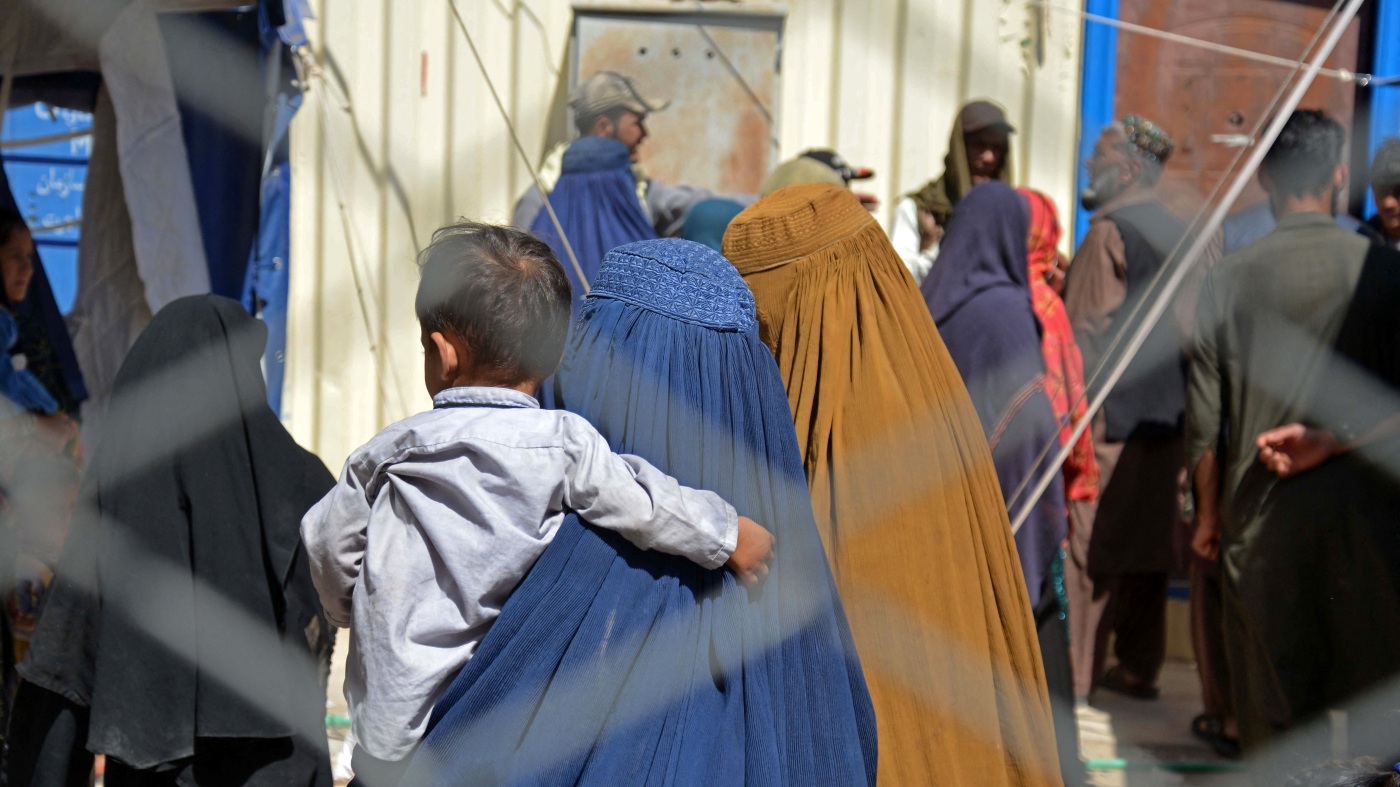
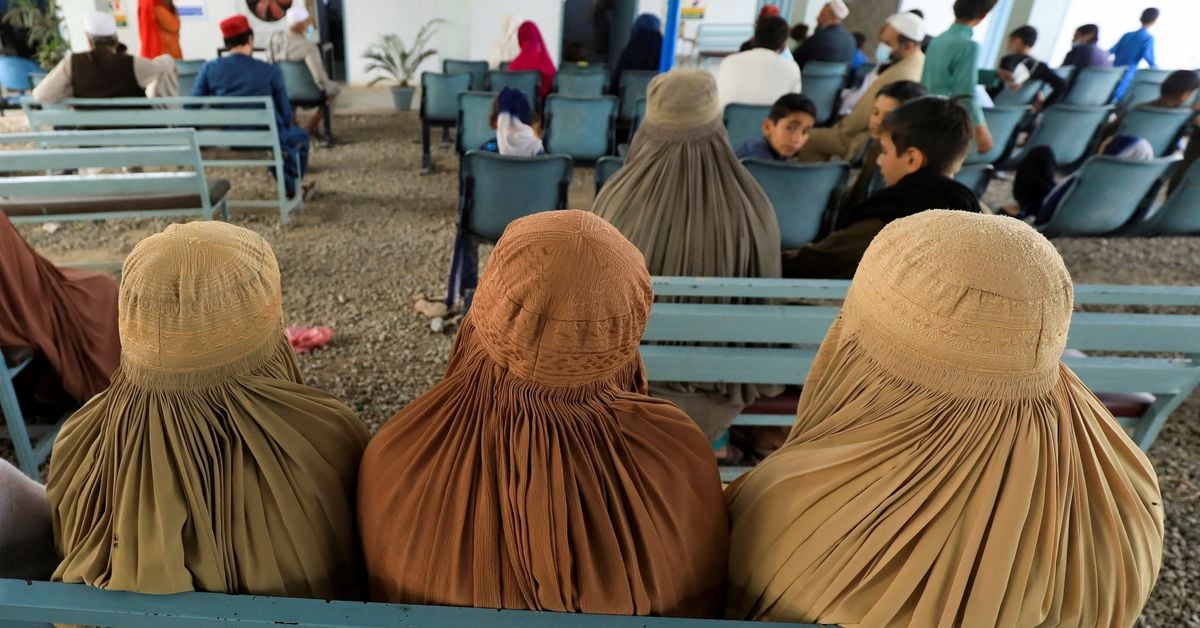
Pakistan has ordered all Afghan refugees and migrants without official identity documents to leave the country by November 1, leaving many facing the grim prospect of returning to Afghanistan under Taliban rule. The Taliban has cracked down on women's rights, closed schools for girls, banned women from attending university or entering public spaces, and prohibited them from working in most sectors. Pakistani authorities have begun rounding up those who remain, with over 100 arrested in Quetta. International rights groups have criticized the deportation order and warned of a humanitarian disaster as refugees return to Afghanistan.
Pakistan's caretaker interior minister has issued a final warning to all undocumented immigrants, including Afghan nationals, to leave the country voluntarily before the November 1 deadline. The move comes after Afghan nationals were found to be involved in crimes, smuggling, and attacks against the government and army. Law enforcement agencies will begin an operation to remove individuals after the deadline, and action will be taken against those facilitating or hiding immigrants. Temporary centers will be set up to process those leaving voluntarily, with assistance provided for their departure. Pakistan has received a large influx of Afghan refugees over the years, and this expulsion plan further strains relations between the two neighboring countries.
Pakistan's caretaker government has announced a 28-day deadline for the voluntary departure of the estimated 1.7 million Afghan refugees living in the country illegally, with a promise of a "reward" for information on their whereabouts starting in November. The decision comes amid growing frustration with the Taliban and the economic burden of hosting millions of Afghans. While the government claims it will prioritize the deportation of criminals, there are concerns that exiled critics of the Taliban may also be caught up in the crackdown. The UN refugee agency has urged Pakistan to prevent the deportation of Afghan refugees fleeing persecution.