The decline in employment among young men in America may be partly due to the unemployment-insurance system's "experience rating," which increases taxes for employers who lay off workers. This system makes employers hesitant to hire young men, who are often seen as riskier hires. The experience rating was implemented nationwide in the mid-1980s and has been linked to higher unemployment rates for young men, particularly in economically vulnerable industries. Addressing this issue may require policy changes to the unemployment insurance system.

The Wisconsin Supreme Court unanimously upheld a lower court ruling that Amazon delivery drivers in the Amazon Flex program are employees, not independent contractors, entitling them to unemployment benefits. The decision means Amazon Logistics may face a tax bill of over $200,000. This ruling has significant implications for the gig economy and worker classification, as courts across the country grapple with similar questions about the employment status of workers in the gig economy.
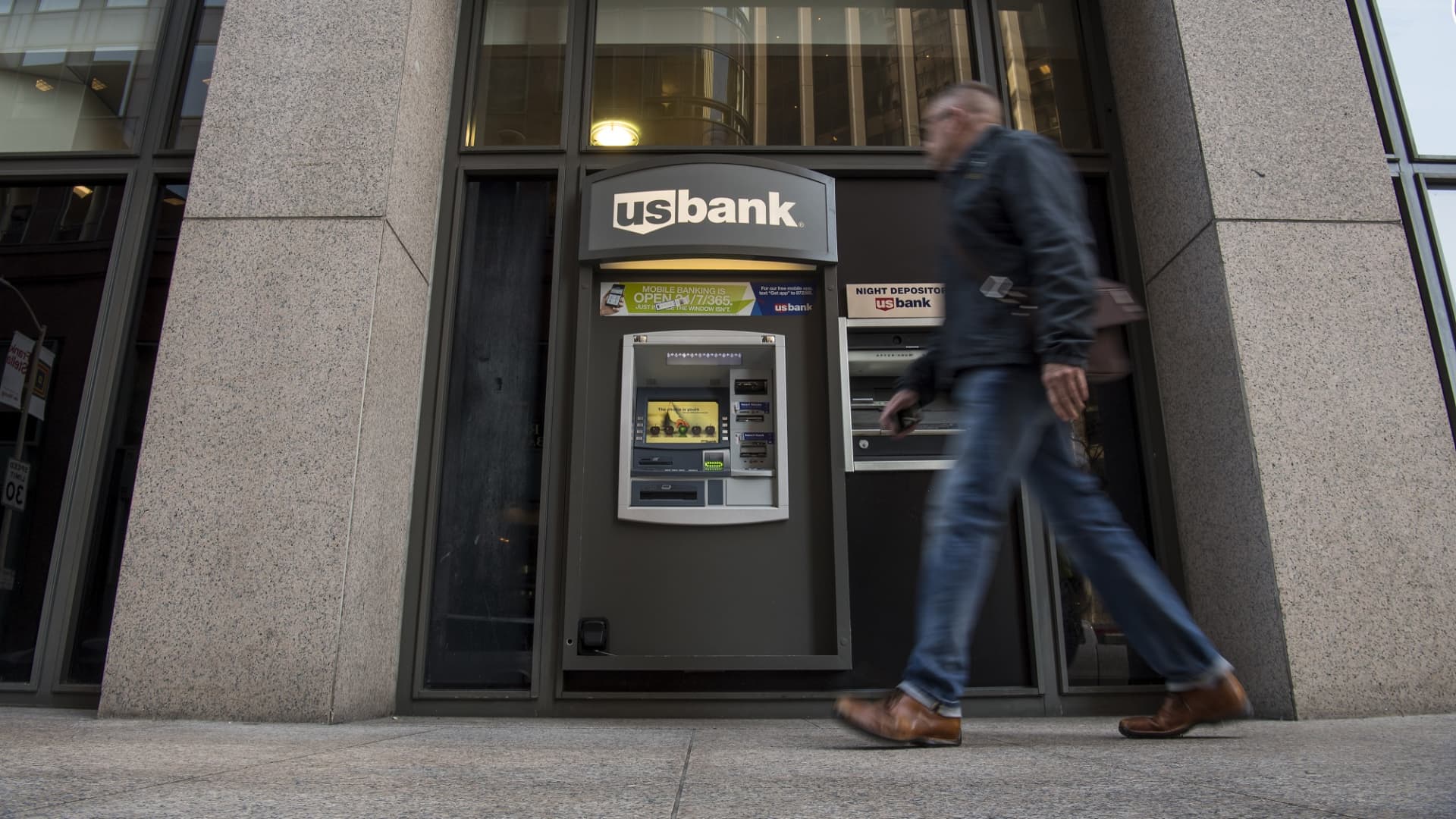
U.S. Bank has been fined a total of $36 million by the Consumer Financial Protection Bureau (CFPB) and the Office of the Comptroller of the Currency (OCC) for freezing access to unemployment insurance benefits during the Covid-19 pandemic. The bank blocked access to accounts and demanded excessive paperwork to regain access to frozen benefits, affecting thousands of consumers. While the bank prevented fraud amounting to over $375 million, it failed to provide a reliable method for consumers to access their funds. U.S. Bank will pay $5.7 million in redress to consumers and a $15 million civil money penalty, with the OCC penalty going to the U.S. Treasury.
The Bureau of Alcohol, Tobacco, Firearms, and Explosives clarifies that marijuana users cannot own guns in Minnesota due to a federal law that remains in place until marijuana legalization is recognized nationally. The University of Minnesota is updating the criteria for the summer research program following complaints of discrimination against white students. Minnesota becomes the first state to issue unemployment insurance benefits to hourly school workers laid off after the school year ends on a permanent basis. A newly signed law mandates adult changing tables in all public spaces in Minnesota starting January 1.
The Minnesota House of Representatives has passed an 18-week paid family and medical leave program that would take effect from 2025. Under the bill, Minnesota workers and employers would pay into a state program similar to Minnesota’s unemployment insurance fund. Workers would then be able to access partial wages from the program if they take leave to welcome a new child, get sick or need to care for a loved one. The Senate is set to vote on a similar bill soon.
Initial filings for unemployment insurance edged up to 198,000, slightly higher than expected, but still indicating that companies are slow to lay off workers despite expectations that the unemployment rate will rise through the year. Continuing claims edged up to 1.689 million, while the four-week moving average of weekly claims remained below 200,000 since mid-January. The relatively benign claims numbers come despite aggressive Federal Reserve efforts to slow down inflation. A separate economic report showed that growth was a bit less strong to closer 2022 than previously thought, with the final Commerce Department reading for gross domestic product showing the economy grew at a 2.6% annualized rate in the fourth quarter.