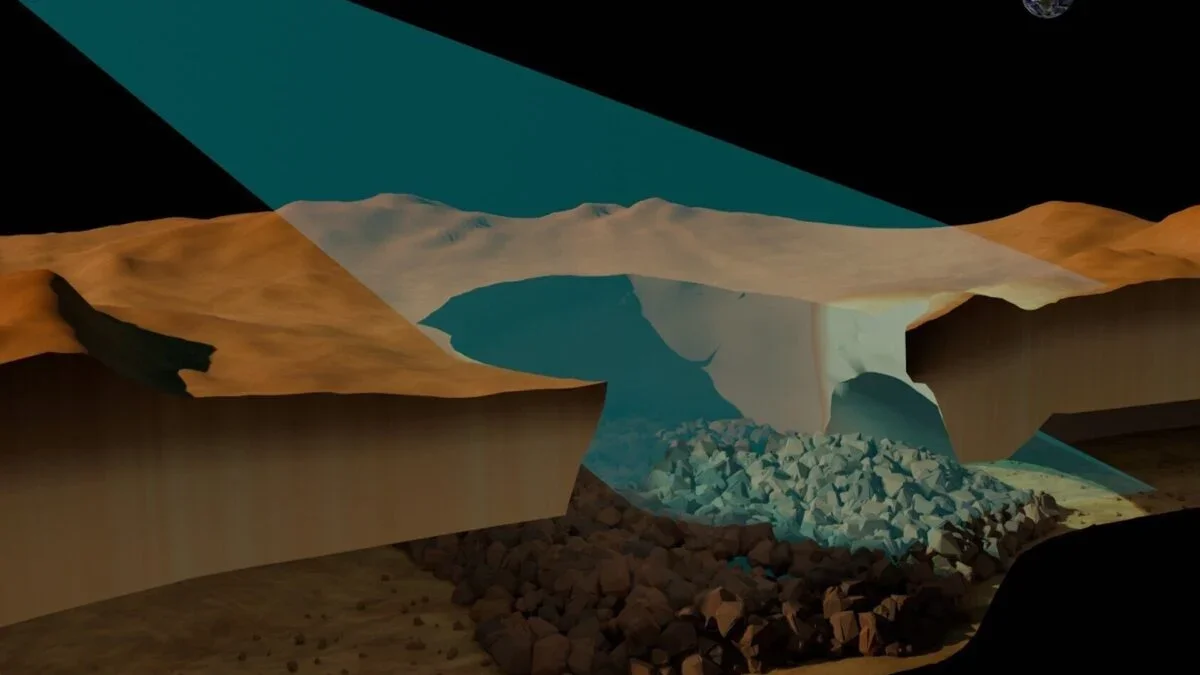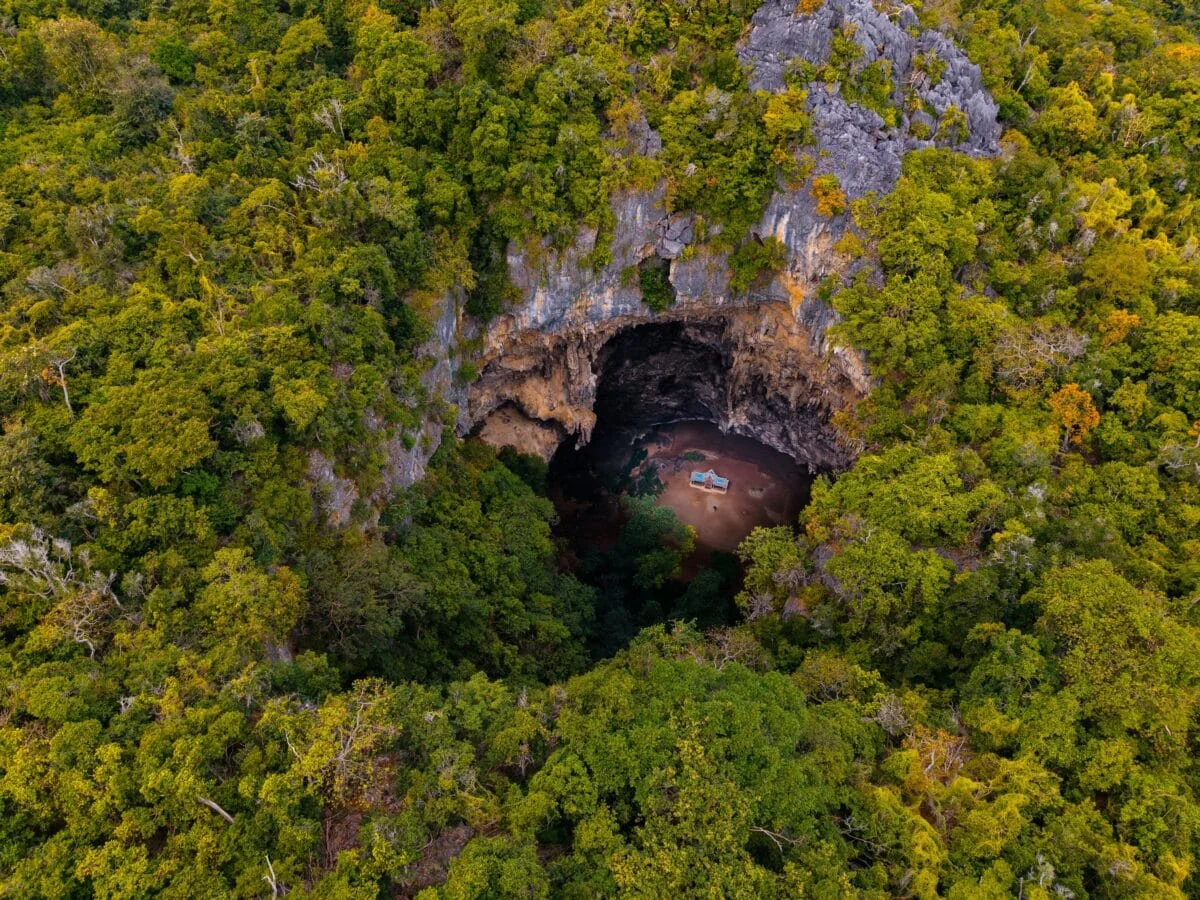
Scientists have discovered an enormous underground cave system inside a giant sinkhole called Hong Kong Haiting Hall in Guangxi, China. The sinkhole, one of the largest ever recorded, measures 100 meters wide, nearly 200 meters long, and 118 meters deep, featuring complex caverns, underground rivers, and geological formations shaped over millions of years by water erosion and collapse. This remarkable discovery provides valuable insights into karst topography and geological processes.
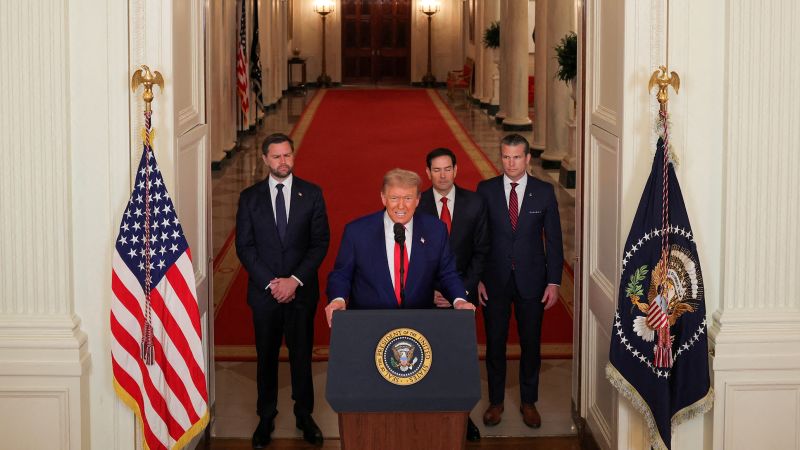
The US conducted air strikes on Iran's nuclear facilities, hitting some aboveground structures but possibly leaving underground enrichment sites, especially at Isfahan, largely intact, raising questions about the effectiveness of the operation in stopping Iran's nuclear capabilities.
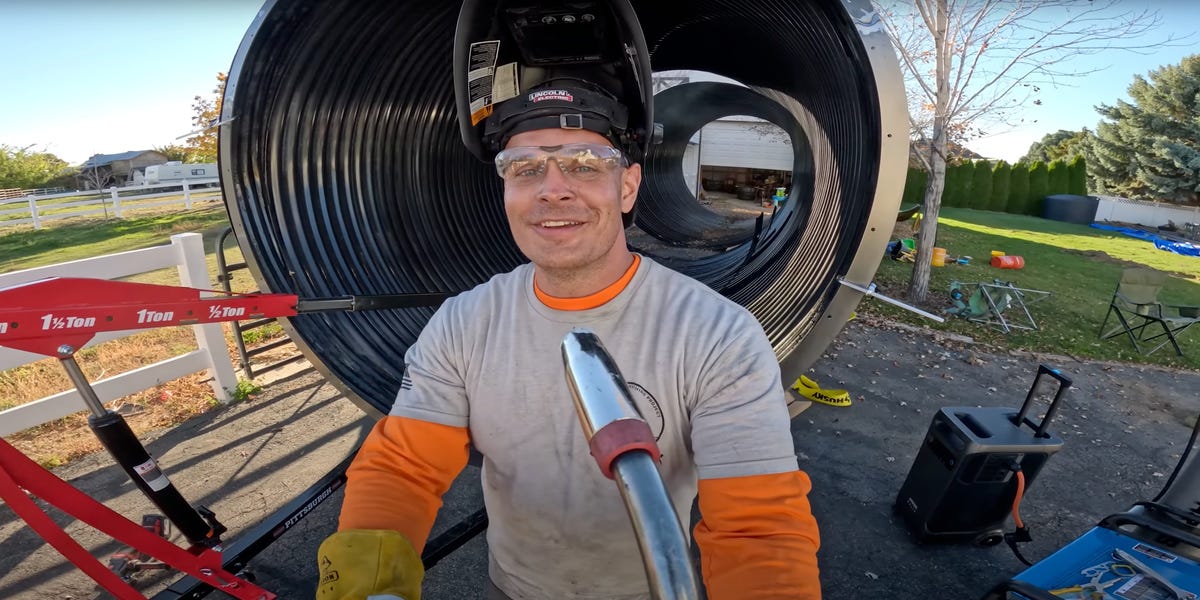
YouTuber Zack Nelson built an underground bunker in his backyard for under $100,000 in under three months, documenting the process in a series of videos. The bunker, designed to sleep six people and be between 400 to 500 square feet, is made from storm drainage pipes and will be battery-powered. Nelson's project required digging a hole over 18 feet deep and using cranes to deposit the pipes, with the total cost coming in at $98,265.
Fortnite Chapter 5: Underground introduces a new island, a train system, weapon mods, over 1,200 LEGO Style outfits, bosses including Peter Griffin, and more. Players must join "The Underground" to take down a group of bosses led by Valeria and rescue Peely. The update also includes new games within Fortnite, such as LEGO Fortnite, Rocket Racing, and Fortnite Festival, which offer unique experiences and earn XP in The Big Bang Battle Pass. Other additions include weapon mods, car customization, ballistic shields, and new weapons.
Hospitals in Israel, particularly in the north near the border with Lebanon, are moving underground or into fortified areas to continue providing medical care amid escalating tensions and rocket attacks. The Galilee Medical Center in Nahariya and Rambam Health Care Campus in Haifa have converted underground spaces into hospitals, with the former also fortifying its first floor. The move is in preparation for potential conflict with Hezbollah and other armed factions in Lebanon. Meanwhile, hospitals in the Gaza Strip are struggling due to attacks and fuel shortages.
Hospitals in Israel, particularly in the north near the border with Lebanon, are moving underground or into fortified areas to continue providing medical care amid escalating tensions and rocket attacks. Galilee Medical Center in Nahariya and Rambam Health Care Campus in Haifa have converted underground spaces into hospitals, with Galilee also fortifying its first floor. The move comes as Israel and Lebanese militants engage in daily rocket fire and artillery exchanges, with the threat of a larger conflict looming. Meanwhile, hospitals in the Gaza Strip are struggling due to attacks and lack of fuel.
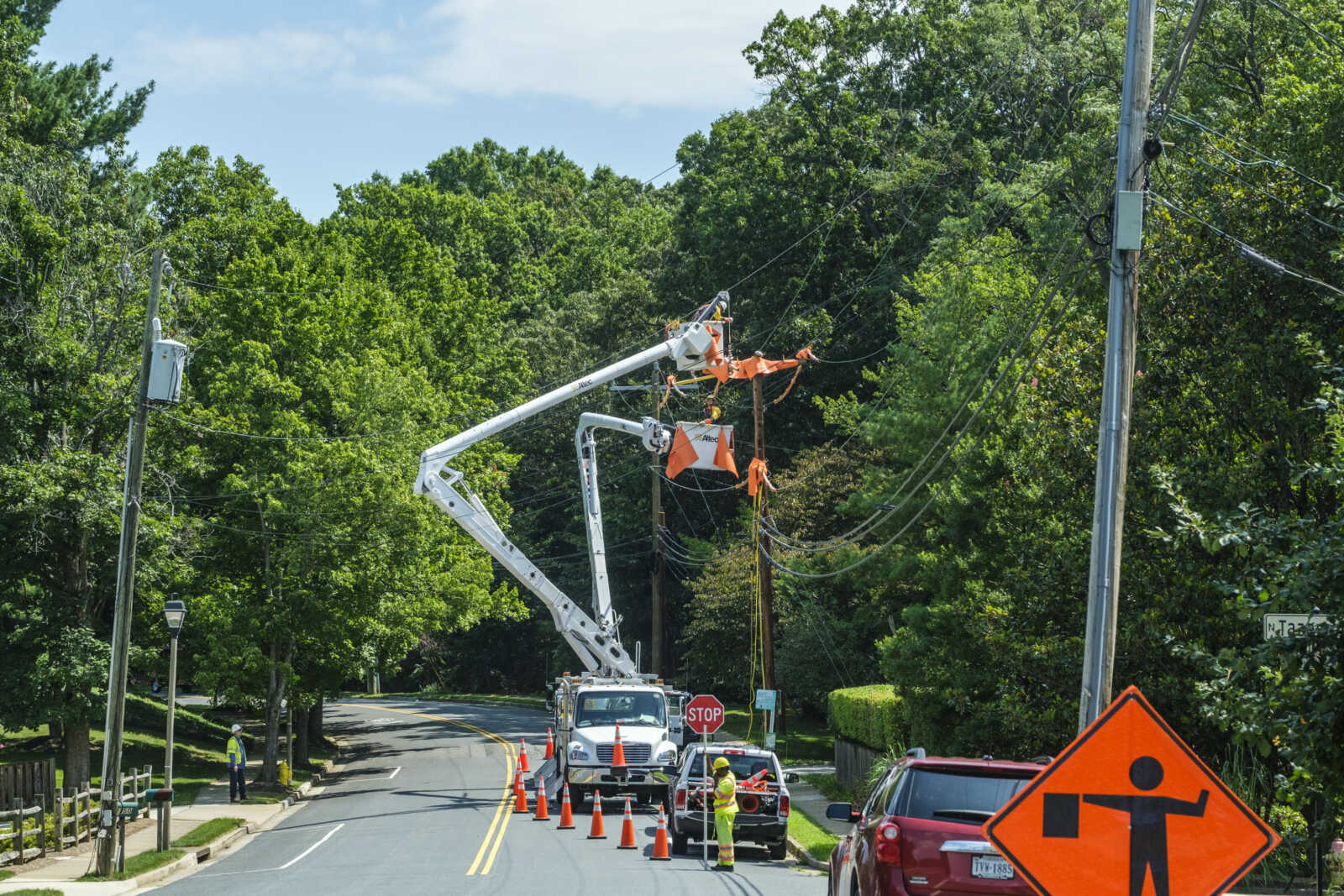
The question of burying power lines resurfaces after storms, but the cost and permissions make it infeasible to bury them across the state. Instead, targeted undergroundings have been conducted in high-density corridors and areas prone to storm damage, reducing power restoration time. However, outages will persist as long as storms and trees exist. Some argue that with climate change causing more severe storms, burying more lines should be seriously considered.

Scientists have developed a new kind of GPS called the muometric positioning system (muPS) that works underground, indoors, and underwater. The system uses cosmic ray muons to calculate an individual's position in a building's basement, where satellite global positioning systems don't work. Muons are subatomic particles created when cosmic rays from sources like distant supernovae or the Sun collide with particles in Earth's atmosphere, and they can penetrate deep underground. The muPS system has been wired, but the team has now taken the system wireless. The current accuracy of the muometric wireless navigation system (MuWNS) is between 2 meters and 25 meters, with a range of up to 100 meters, depending on the depth and speed of the person walking.
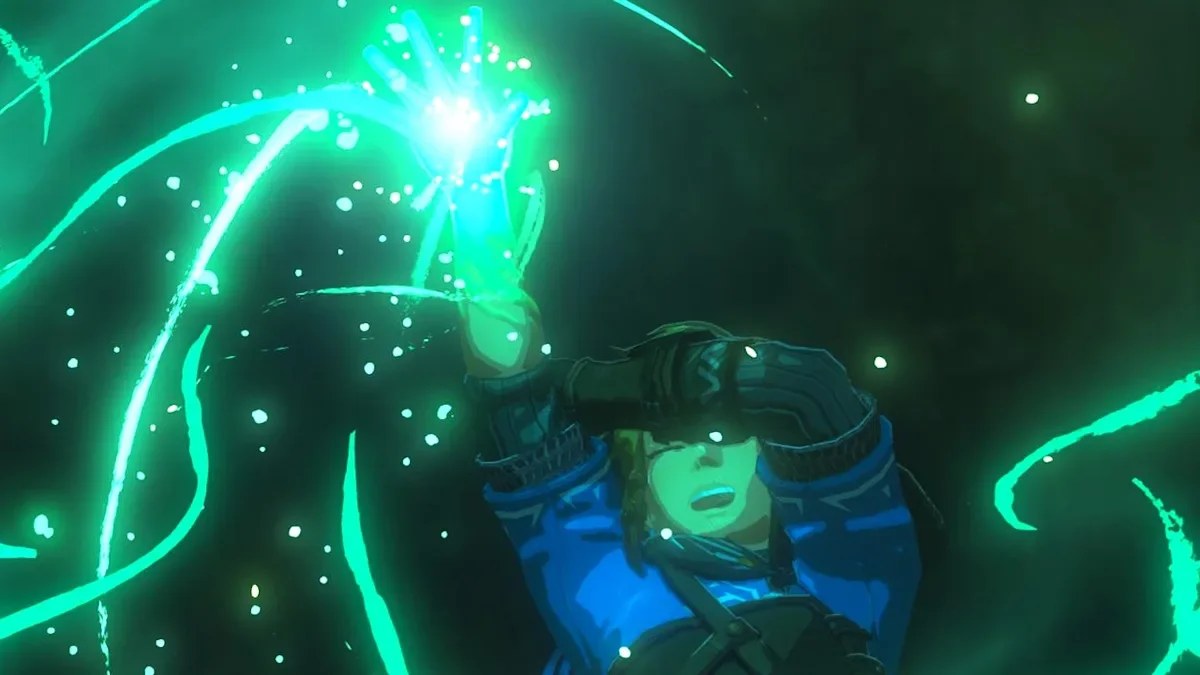
Players of The Legend of Zelda: Tears of the Kingdom have discovered that the topography of the underground regions is exactly the same as the overworld of Hyrule, but everything has been inverted. Shrines and Lightroots are in the exact same spots. Some players are surprised by this discovery, while others are stunned that it wasn't obvious to some in the first place.