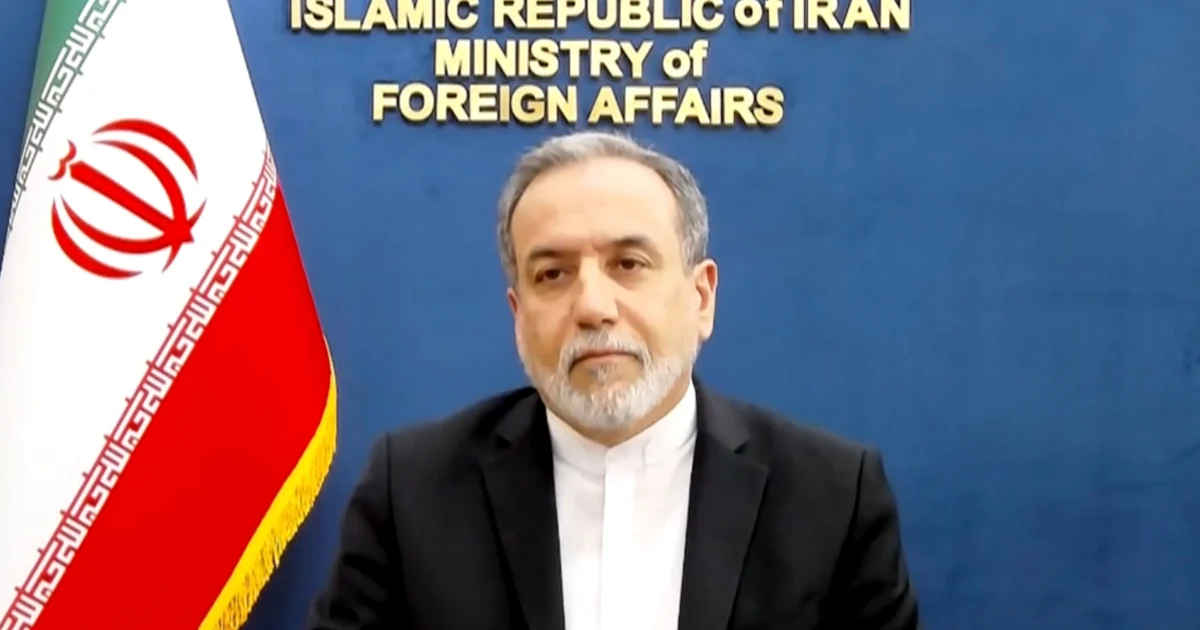
Iran's foreign minister says enrichment is a sovereign right and diplomacy with the U.S. in Geneva offers a path to a deal, warning against military pressure and vowing to defend Iran if attacked.
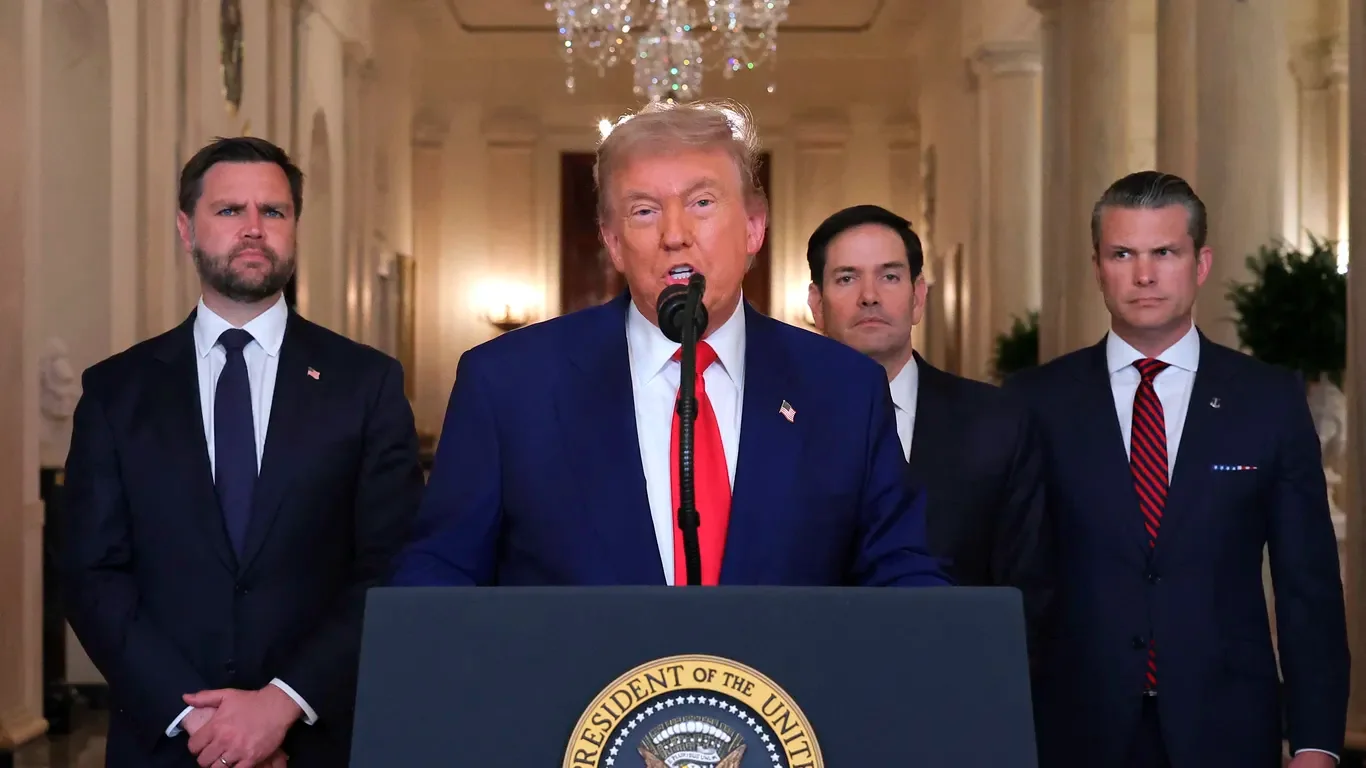
The Trump administration says it could accept a detailed deal allowing Iran limited, verifiable 'token' enrichment if it proves the program remains peaceful, signaling a narrow path between hard red lines and diplomacy. Some advisers warn Trump could still order military action, including strikes targeting Supreme Leader Ali Khamenei and his son. Iran insists enrichment rights are civilian and resists zero-enrichment demands, while Geneva talks focus on ‘technical measures’ and confidence-building steps. Any proposal would need thorough verification to win support at home and in the region, and the outcome remains uncertain.
The article discusses the complexities of reaching a nuclear agreement with Iran, highlighting the recent military strikes, Iran's refusal to give up domestic enrichment, and potential diplomatic solutions such as a limited, verified enrichment program or interim agreements. It emphasizes the importance of negotiations, monitoring, and verification to prevent Iran from developing nuclear weapons, while also considering the risks of military options and the obstacles to reaching a comprehensive deal.
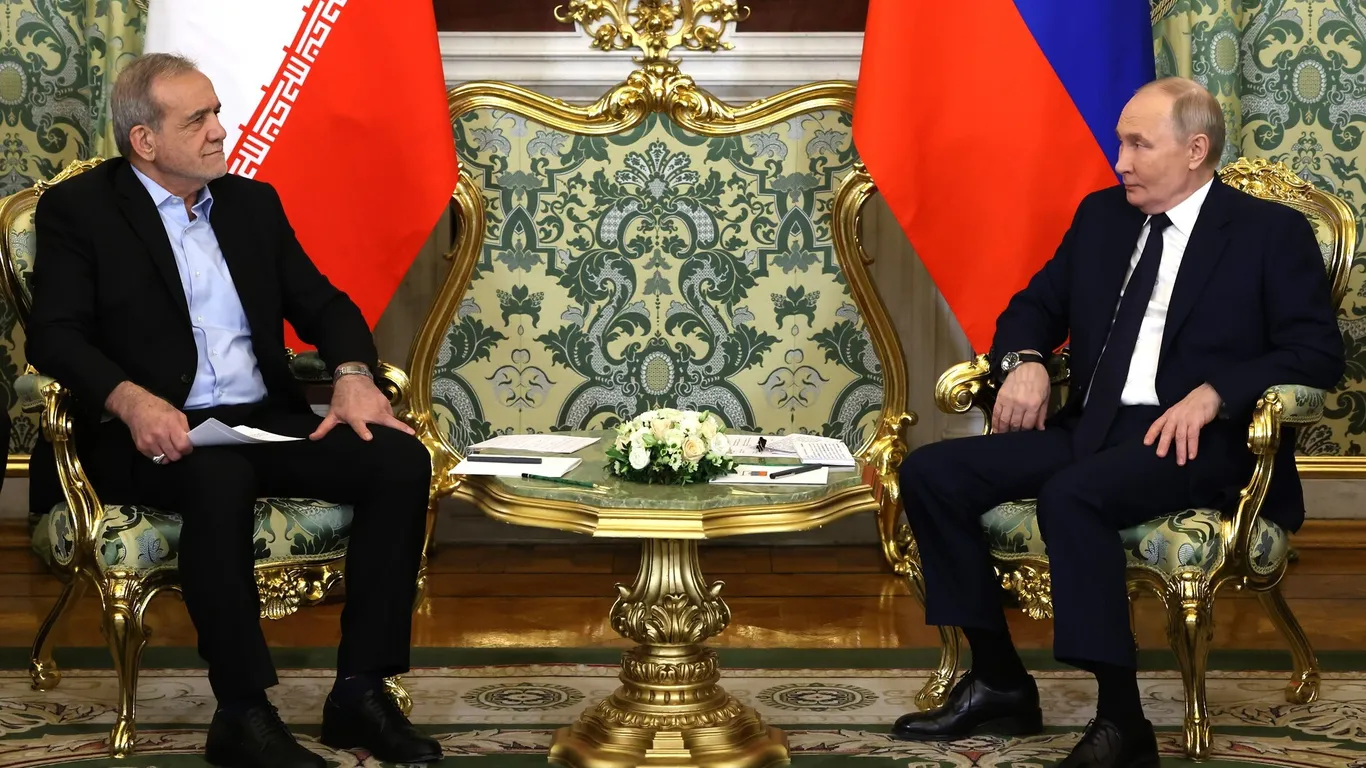
Russian President Vladimir Putin has expressed support for a 'zero enrichment' nuclear deal with Iran, encouraging Iran to agree to cease uranium enrichment to facilitate negotiations with the U.S., despite Iran's resistance and Russia's complex support for Iran amid ongoing conflicts and diplomatic tensions.
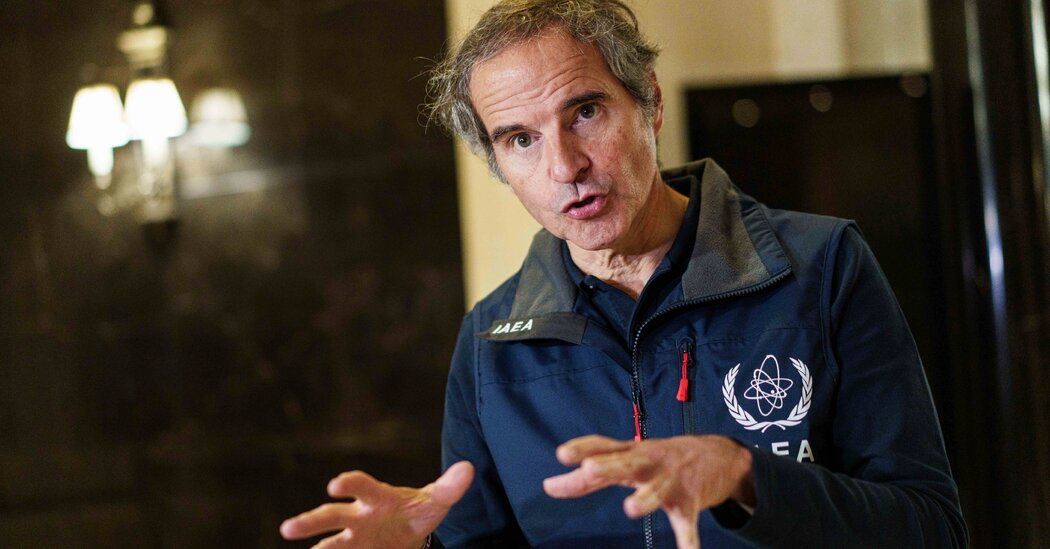
A U.N. nuclear inspector stated that Iran could resume uranium enrichment within months, contradicting President Trump's claim that Iran had abandoned its nuclear ambitions, and indicating that the damage from a U.S. attack on Iran's nuclear sites was significant but not total.
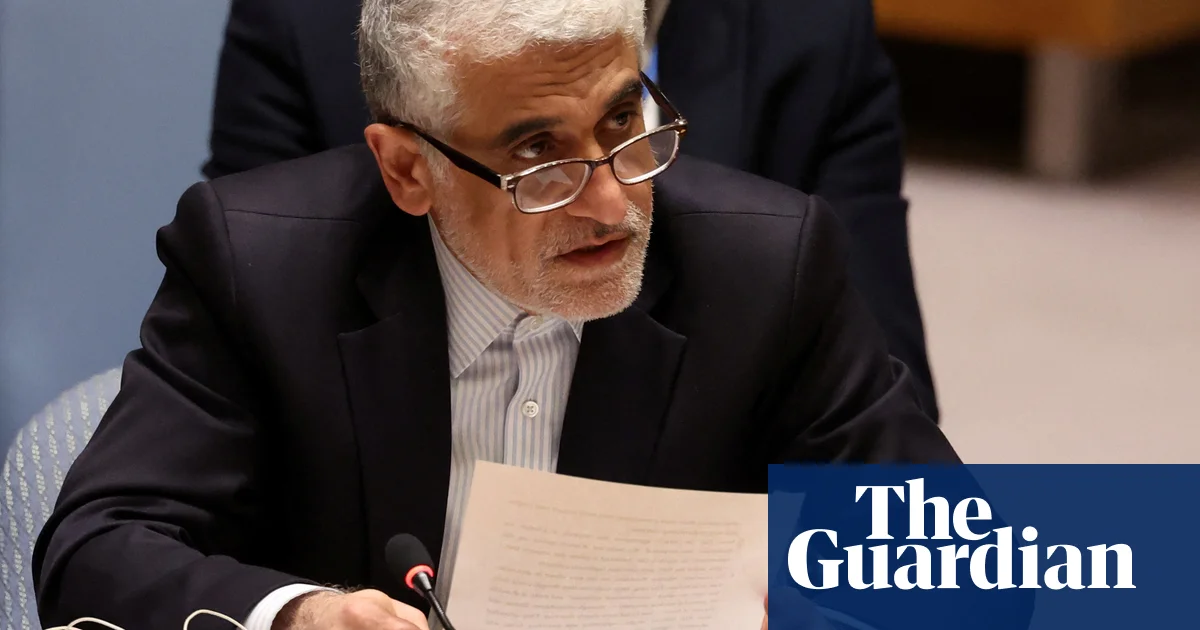
Iran's UN ambassador asserts that Iran's nuclear enrichment will never cease, citing its right under international law, and criticizes US and Western efforts for negotiations. Iran has suspended cooperation with the IAEA but denies threats against inspectors. Meanwhile, Iran considers transferring enriched uranium if an agreement is reached and dismisses claims of extensive damage from recent US strikes, while Iran's military warns of a tough response to potential future aggression.
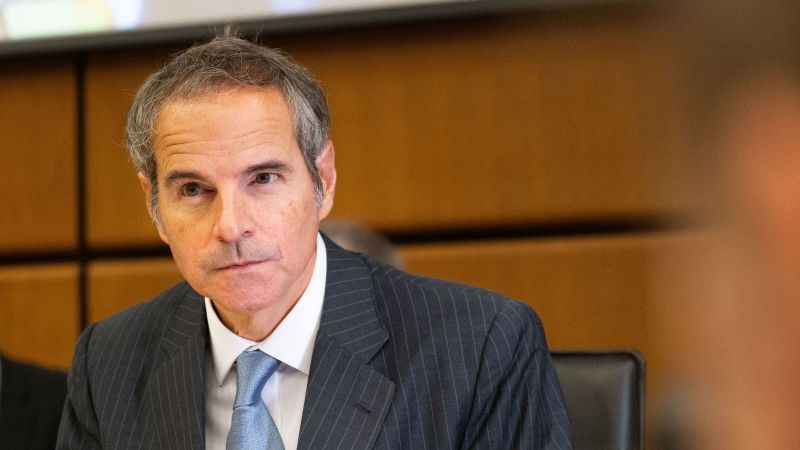
The head of the UN nuclear watchdog, Rafael Grossi, stated that Iran could resume uranium enrichment within months despite recent US strikes, which he says did not completely damage Iran's nuclear capabilities. This contradicts US claims of significantly setting back Iran's nuclear ambitions, and highlights ongoing concerns about Iran's nuclear activities and its potential move away from international oversight.
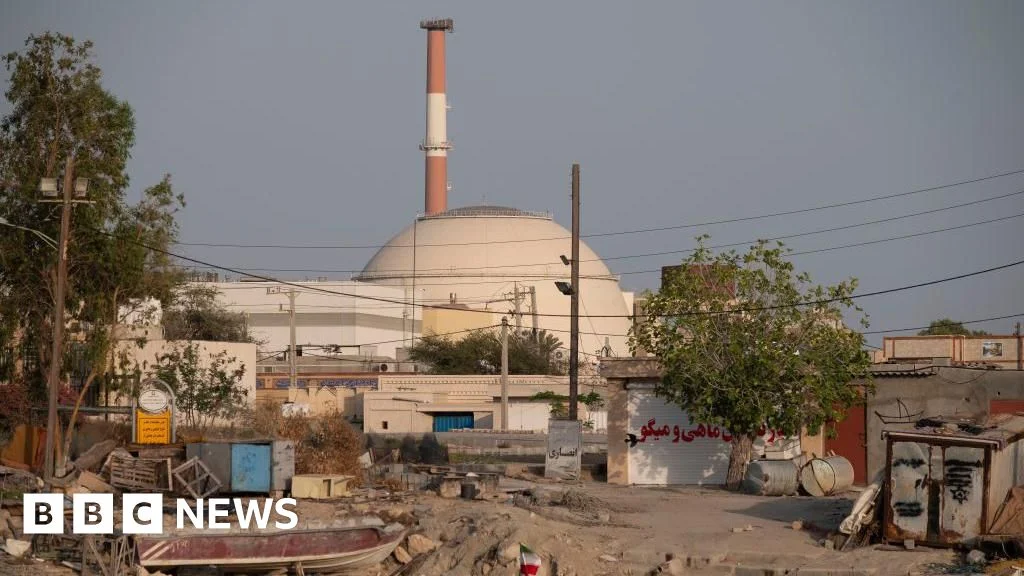
The US conducted air strikes on Iran's nuclear facilities, hitting some aboveground structures but possibly leaving underground enrichment sites, especially at Isfahan, largely intact, raising questions about the effectiveness of the operation in stopping Iran's nuclear capabilities.
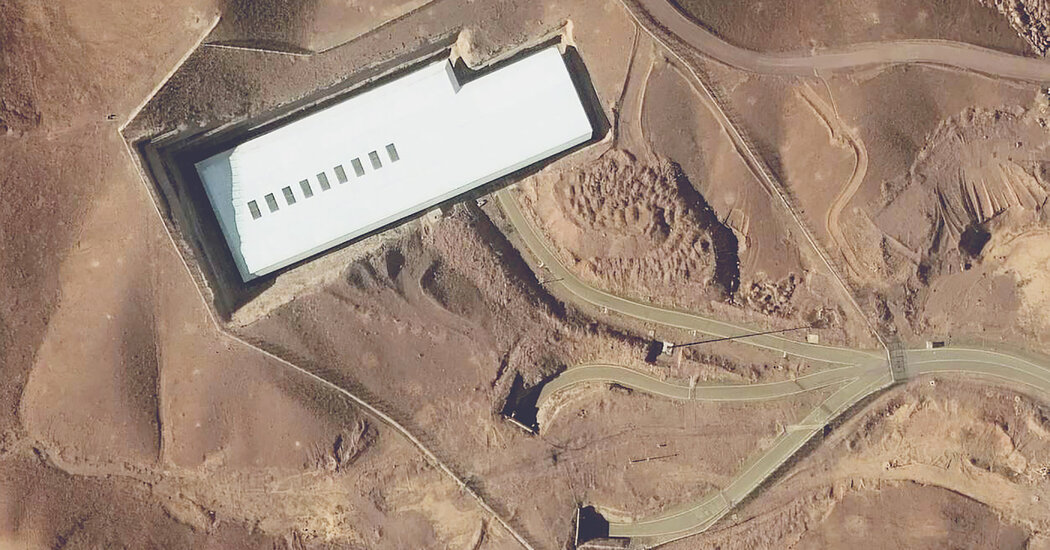
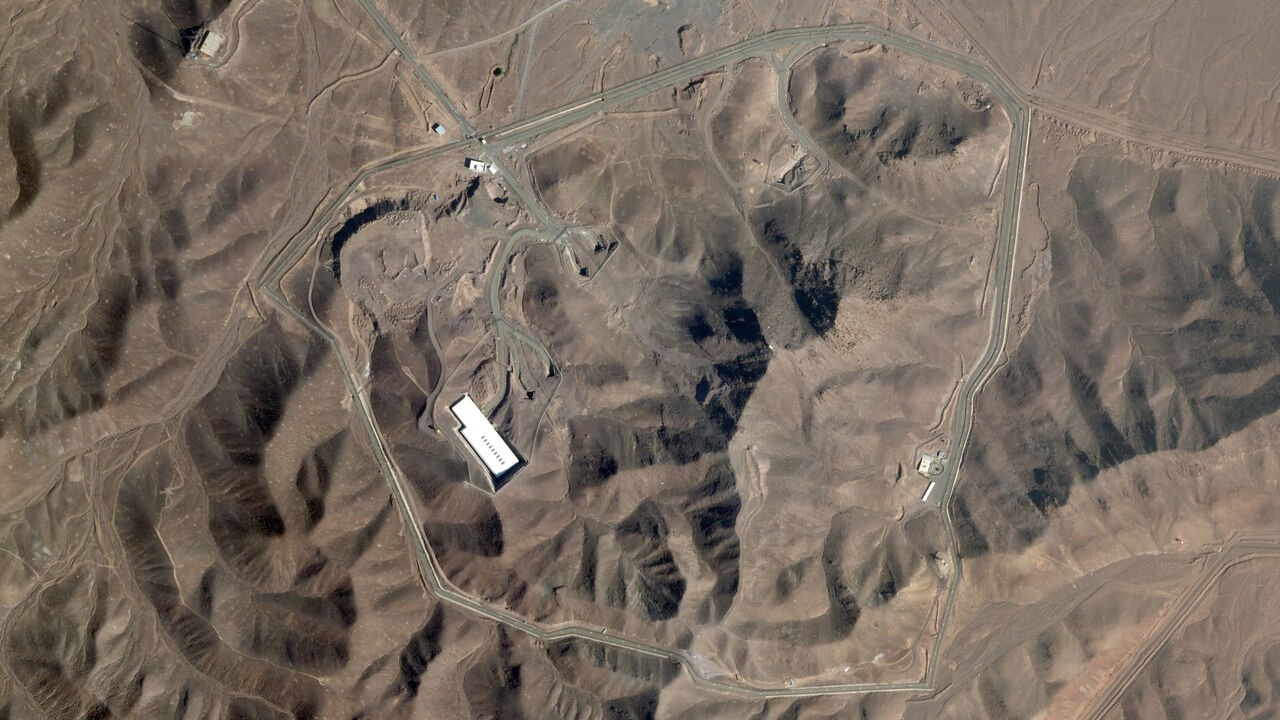
Iran's heavily fortified Fordo nuclear site, built inside a mountain to withstand attacks, was targeted by U.S. bunker buster bombs, with Iran and international agencies assessing the damage and ongoing concerns about Iran's nuclear capabilities and compliance.
Iran claims its nuclear program is peaceful, but recent Israeli strikes and intelligence suggest Iran may be close to developing nuclear weapons, with concerns over uranium enrichment levels and undeclared nuclear sites. The situation remains tense, with international monitoring and ongoing conflicts impacting Iran's nuclear activities.
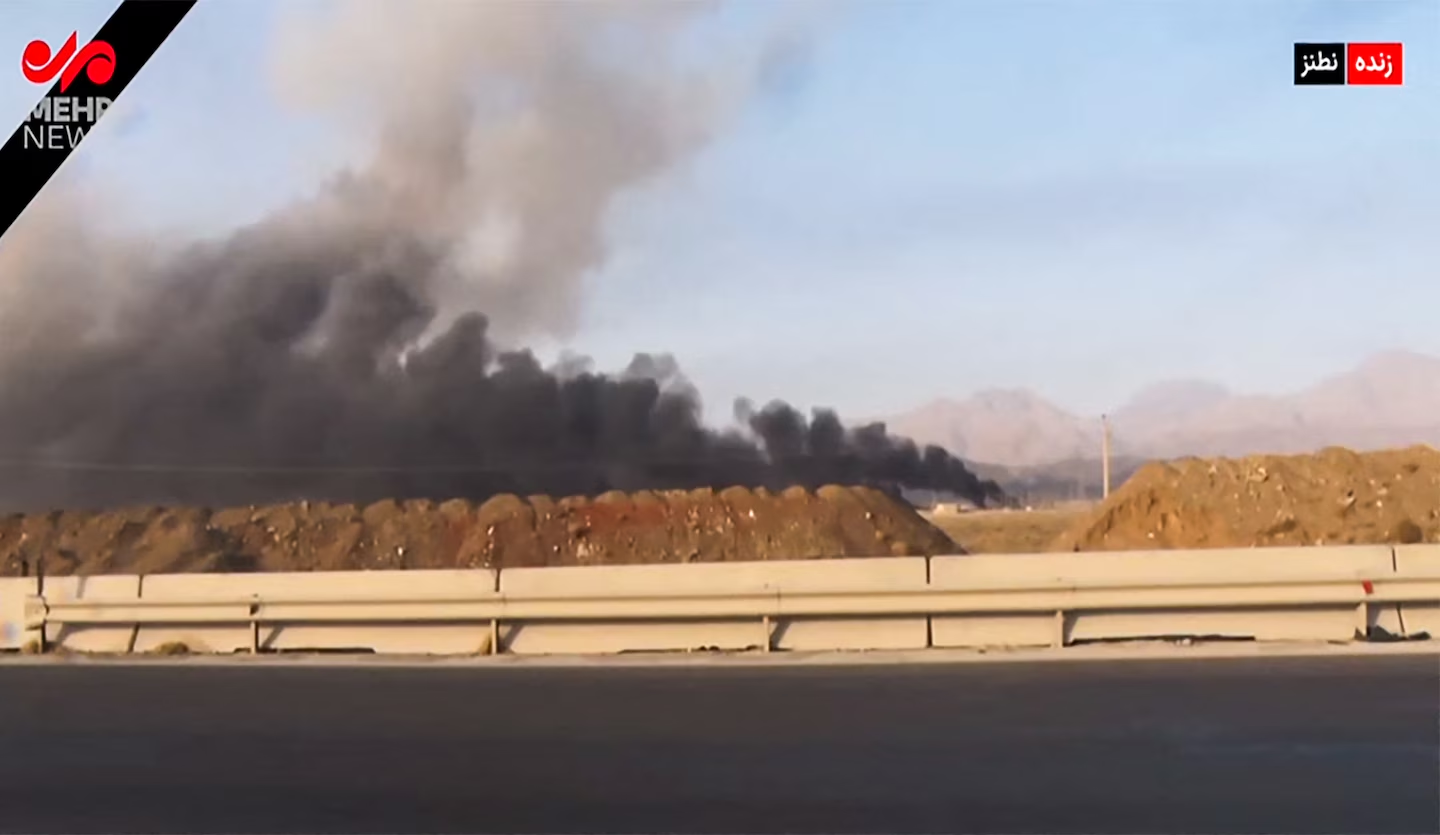
Israeli airstrikes on Iran's nuclear sites damaged some aboveground facilities but did not destroy the deeply buried underground enrichment sites like Fordow and Natanz, leaving Iran's nuclear capabilities largely intact. Experts suggest the strikes targeted military and scientific personnel rather than infrastructure, and the long-term impact on Iran's nuclear program remains uncertain. The attacks may also influence Iran's internal politics and future nuclear policy.
The article discusses Iran's nuclear activities, highlighting a 2002 revelation of a uranium enrichment facility near Natanz and recent Israeli bombings targeting Iran's nuclear infrastructure, raising questions about Iran's nuclear ambitions.
The IAEA board of governors found Iran non-compliant with nuclear obligations for the first time in 20 years, leading Iran to announce plans to establish a new uranium enrichment facility and take other measures, amid rising regional tensions and ongoing diplomatic negotiations.
The Trump administration proposes a temporary arrangement allowing Iran to continue low-level uranium enrichment while working towards a broader deal that would prevent Iran from developing nuclear weapons, including building nuclear power reactors and regional enrichment facilities, as a step towards potential compromise.
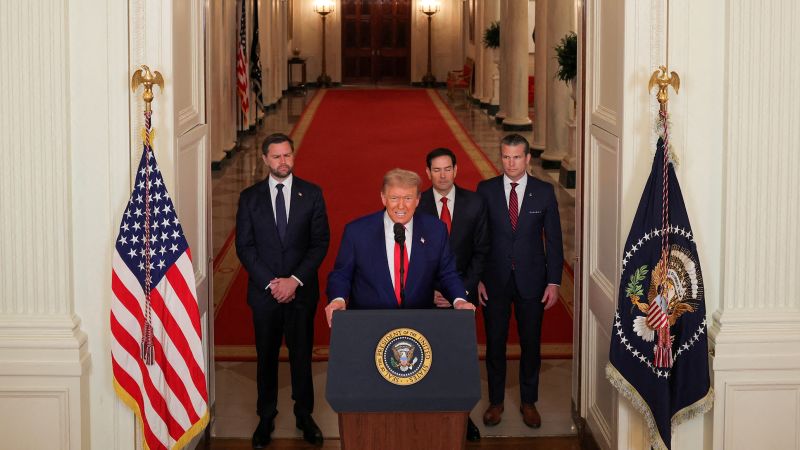
President Trump asserted that the U.S. will not allow Iran to enrich uranium under any nuclear deal, contradicting a recent proposal that suggested limited enrichment might be permitted, raising questions about the U.S. stance and the potential for negotiations with Iran.