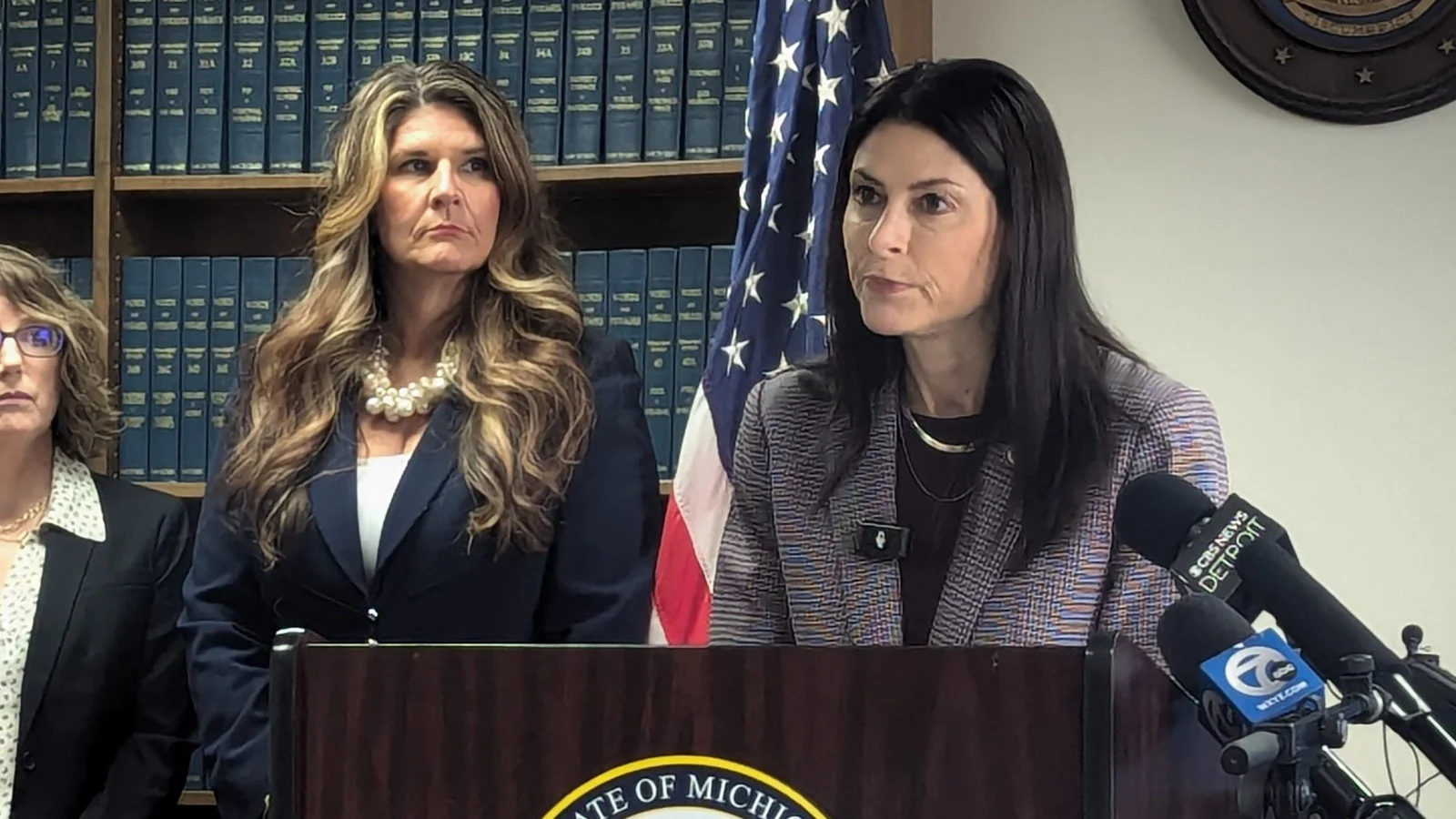
Michigan Attorney General Dana Nessel declared that the GOP-led House's $645 million spending cuts were unconstitutional, citing violations of separation of powers and bicameralism, and stated that funds would be restored, while House Republicans vowed to sue over what they called a political decision.
A federal judge has permanently blocked President Trump's executive order requiring proof of citizenship for voter registration, ruling it unconstitutional and stating that election regulation powers are reserved for states and Congress, not the President.
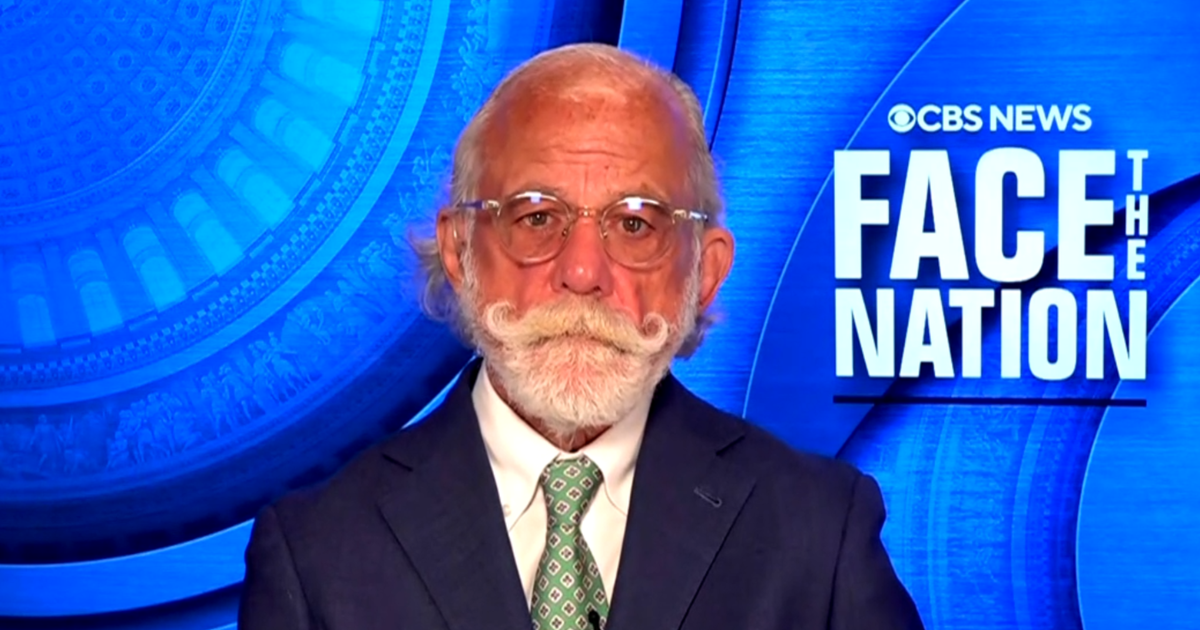
Ty Cobb, a former White House Special Counsel, criticizes the indictment of James Comey as unconstitutional and politically motivated, arguing that the case lacks substance and may be dismissed before trial, and discusses broader concerns about political influence on the justice system under President Trump.
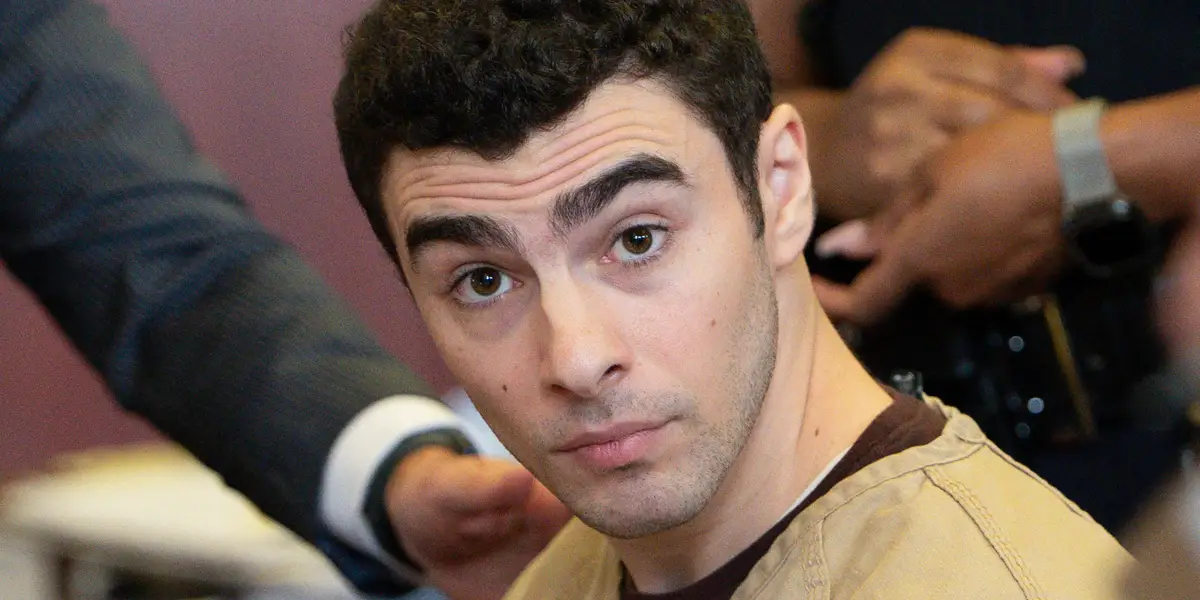
Luigi Mangione's lawyers filed a legal challenge against the death penalty in his murder case, arguing it violates constitutional rights and is applied arbitrarily, amid ongoing federal litigation and debates over capital punishment.
Judges have blocked several key actions by the Trump administration, criticizing them as unlawful and unconstitutional, including deportation methods, military deployment, and funding cuts to Harvard, marking a challenging week for Trump's legal efforts amidst ongoing court battles.
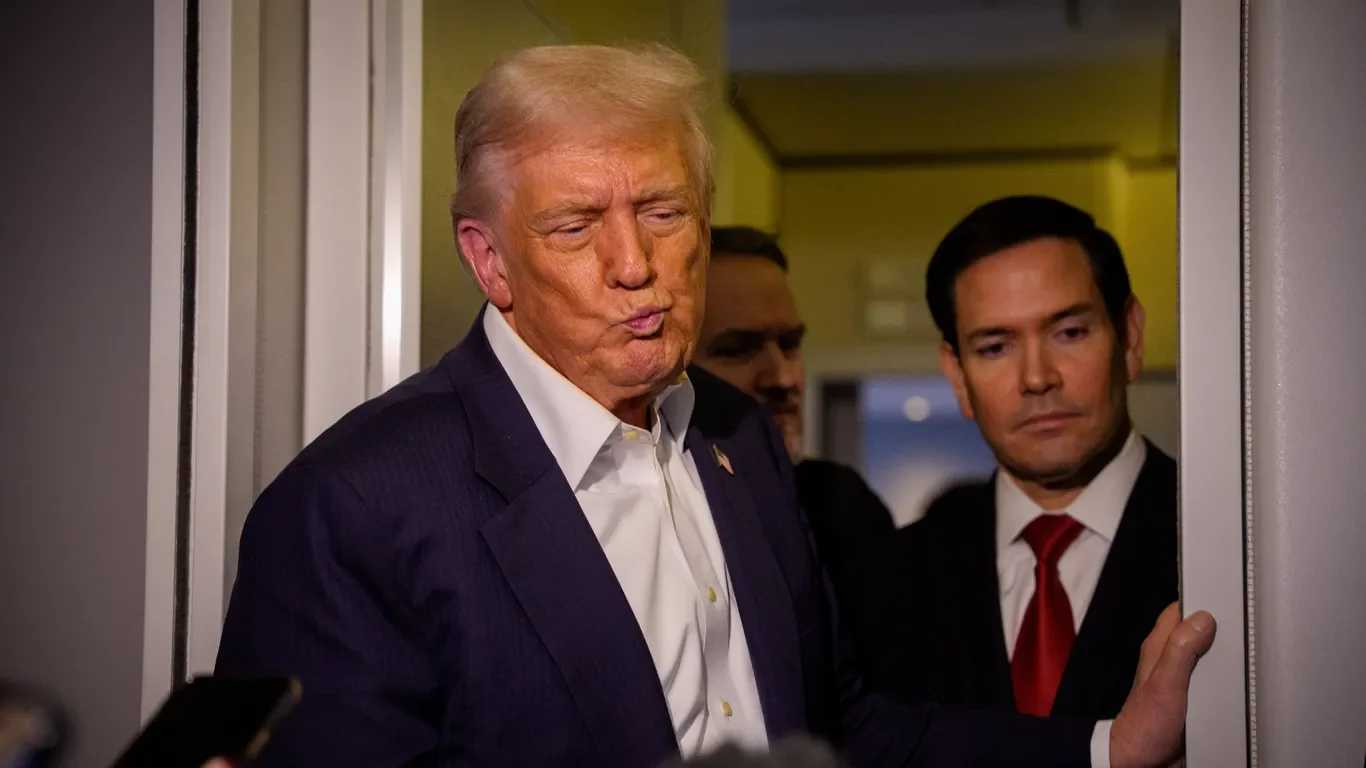
President Trump threatened to issue an executive order requiring voter ID and eliminating mail-in voting, actions widely condemned as unconstitutional and an overreach of presidential authority, with legal challenges expected from election advocates emphasizing that election regulation is primarily a state and congressional responsibility.
President Trump announced plans to issue an executive order requiring voter ID and banning mail-in ballots, despite lacking legal authority, with previous efforts already blocked by courts for being unconstitutional.
A US federal appeals court ruled that President Trump overstepped his legal authority in imposing broad tariffs, declaring them unconstitutional, though the tariffs remain in place until mid-October as the administration considers an appeal to the Supreme Court. The decision challenges Trump's use of emergency powers under the 1977 law to justify tariffs, raising questions about the future of his trade policies and the balance of power between the executive and Congress.
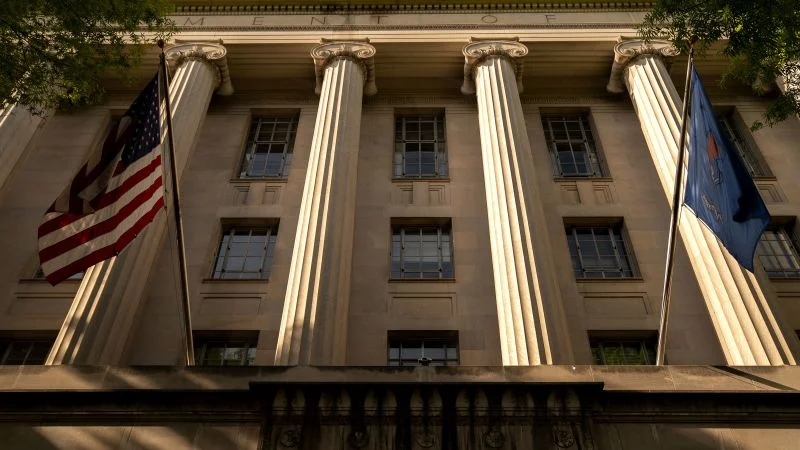
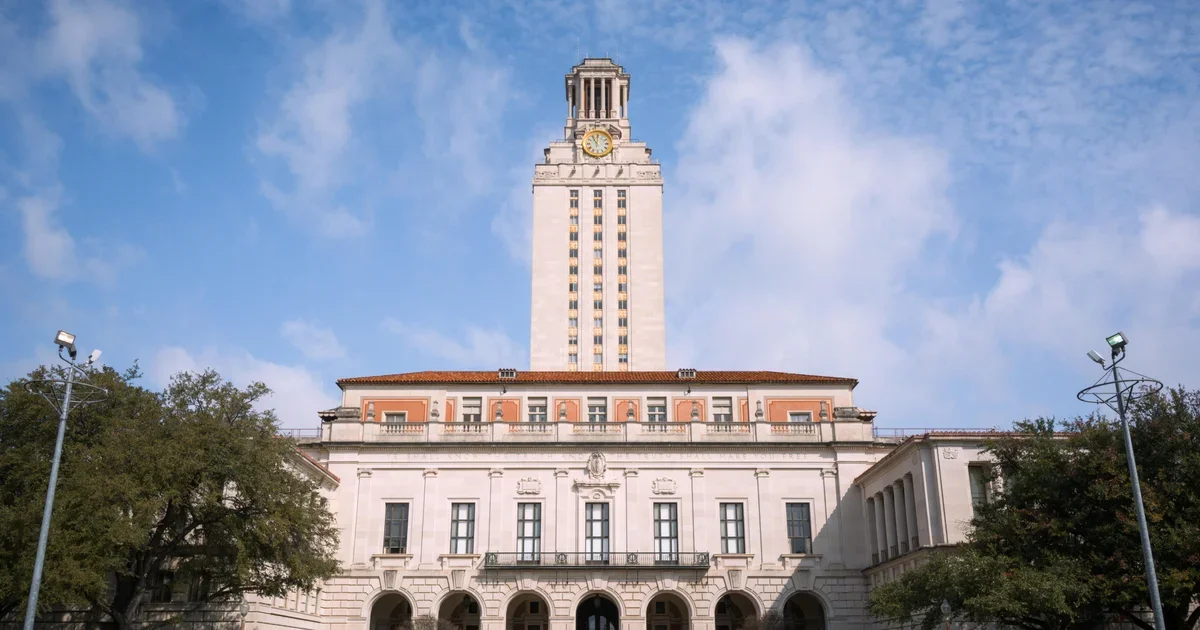
The Justice Department under the Trump administration announced it will not defend a longstanding grant program for Hispanic-serving colleges, claiming the program is unconstitutional as it provides racial advantages, leading to a legal challenge from Tennessee and a conservative group. The case questions the constitutionality of race-based funding for colleges with high Hispanic enrollment, amid broader debates over affirmative action and diversity policies.
The U.S. Justice Department announced it will not defend a longstanding grant program for Hispanic-serving colleges, claiming the program's race-based criteria are unconstitutional, amid a lawsuit from Tennessee and a conservative legal group. This move follows a Supreme Court decision against affirmative action, raising questions about the future of such diversity initiatives. The program, created in 1998, provides funding to colleges with at least 25% Hispanic students, but critics argue it offers an unconstitutional racial advantage.
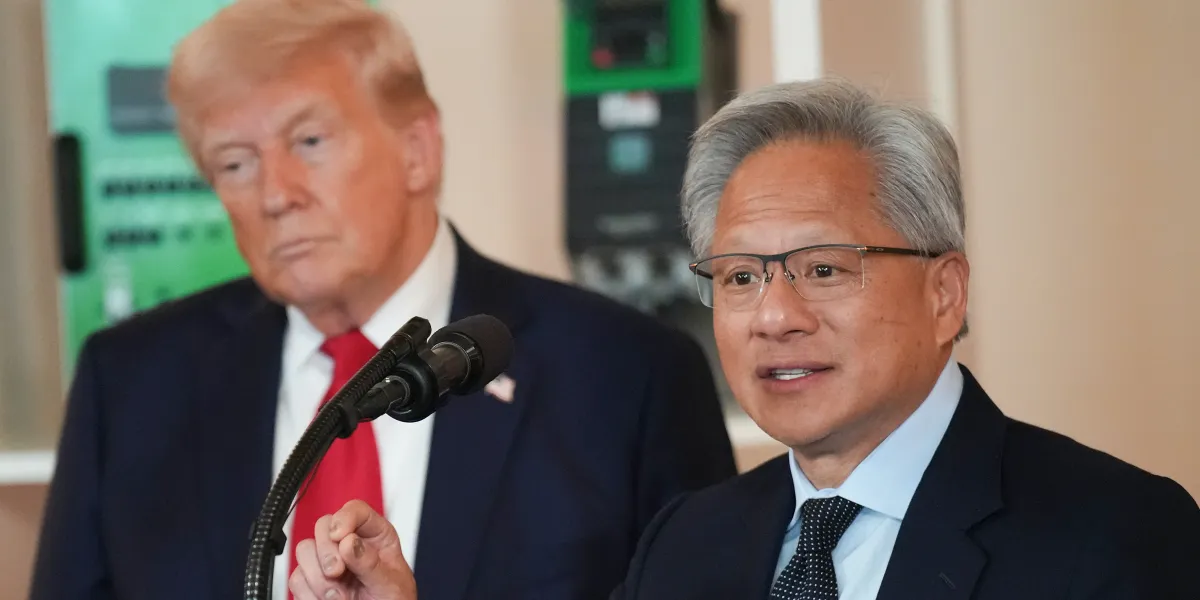
President Trump negotiated a unique and potentially unconstitutional deal with Nvidia and AMD to lift export bans on certain chips to China, involving a controversial revenue-sharing arrangement that resembles a tax or protection racket, raising legal and historical questions about its legality and precedent.
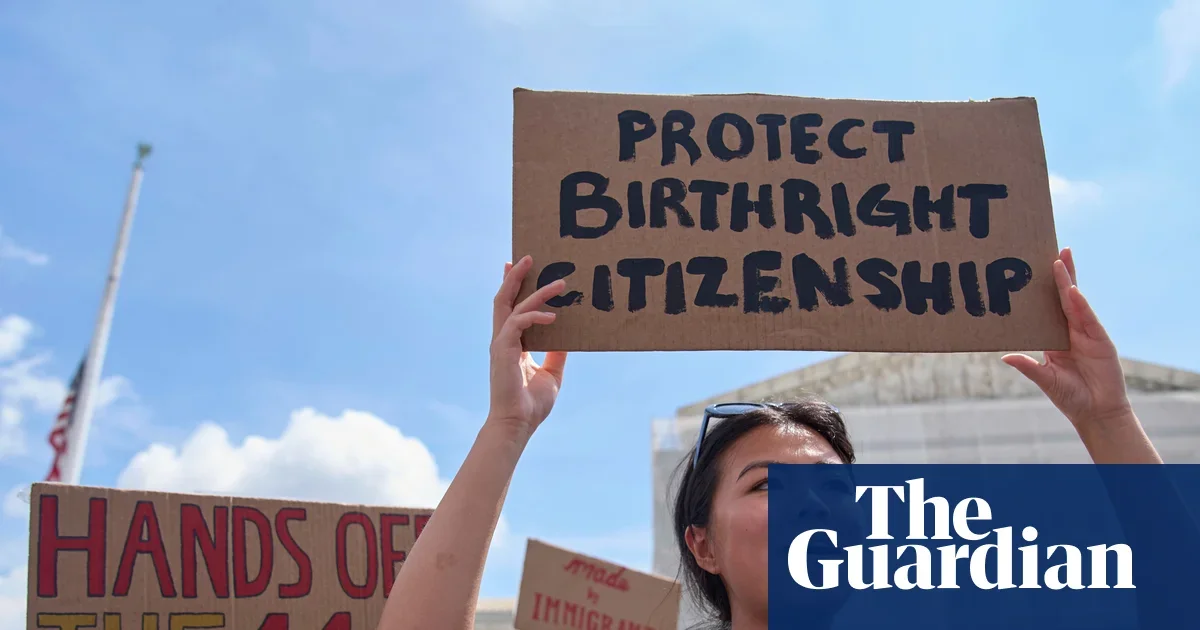
A federal appeals court in San Francisco ruled that President Trump's attempt to end birthright citizenship is unconstitutional, affirming a lower court decision that blocked its enforcement nationwide, bringing the case closer to the Supreme Court.
A US federal appeals court in San Francisco ruled that Donald Trump's attempt to revoke birthright citizenship via executive order is unconstitutional, continuing a series of legal challenges against the order which was signed shortly after his inauguration. The case now moves closer to the Supreme Court, with previous rulings blocking the order and debates over its legality rooted in the 14th Amendment.
An appeals court upheld a lower court ruling that President Trump's attempt to end birthright citizenship through an executive order is unconstitutional, affirming the decision to block the order and emphasizing the importance of constitutional protections.
A federal appeals court blocked Trump's order to restrict automatic birthright citizenship, ruling it unconstitutional, marking the first such assessment by an appeals court since a Supreme Court ruling limited lower courts' power to block federal policies nationwide. The case may be appealed further, with the Supreme Court expected to have the final say.