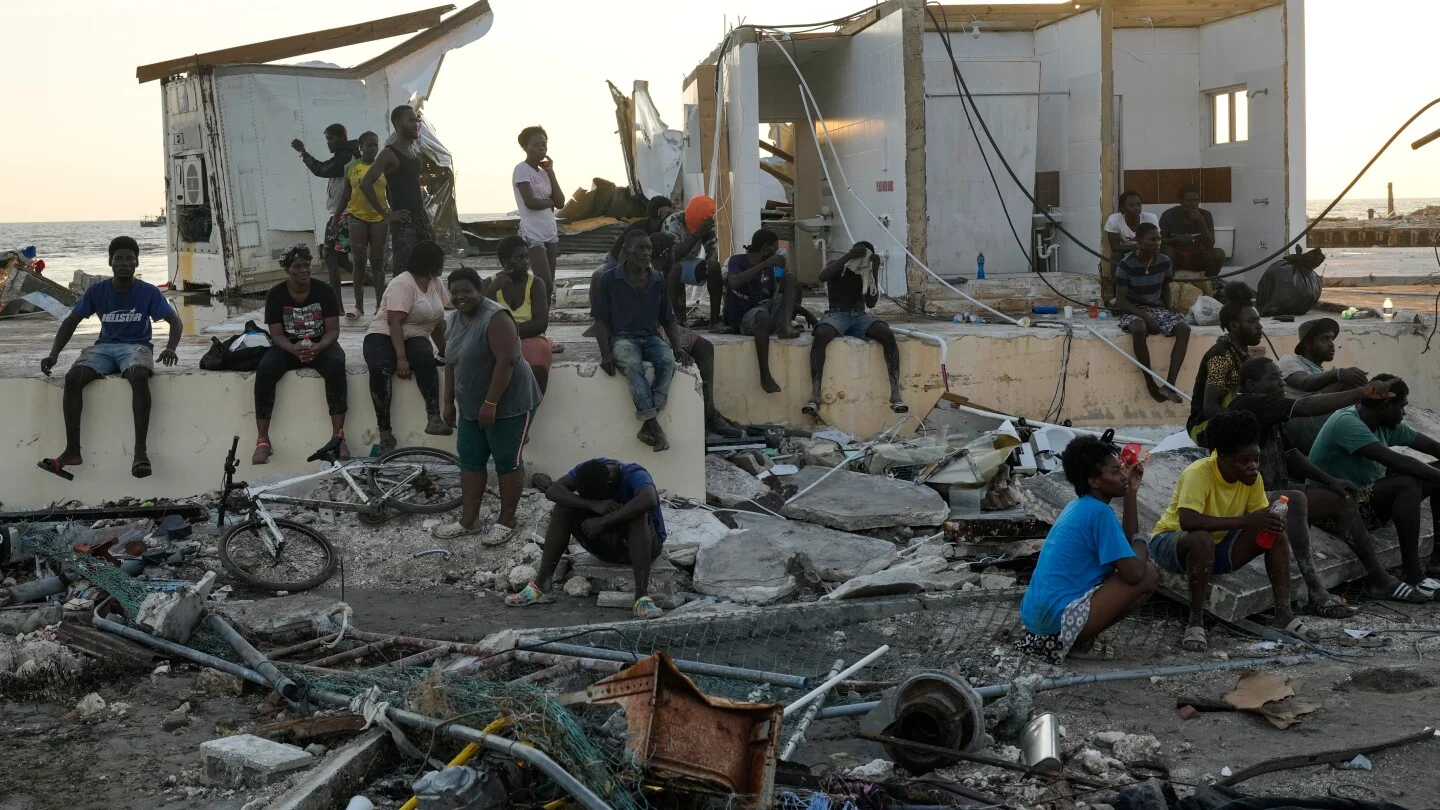
At the UN climate summit in Brazil, vulnerable nations shared urgent stories of climate impacts, while leaders discussed progress on forest protection funds and a global carbon market, amid notable absences and ongoing debates about climate justice and financial support for developing countries.
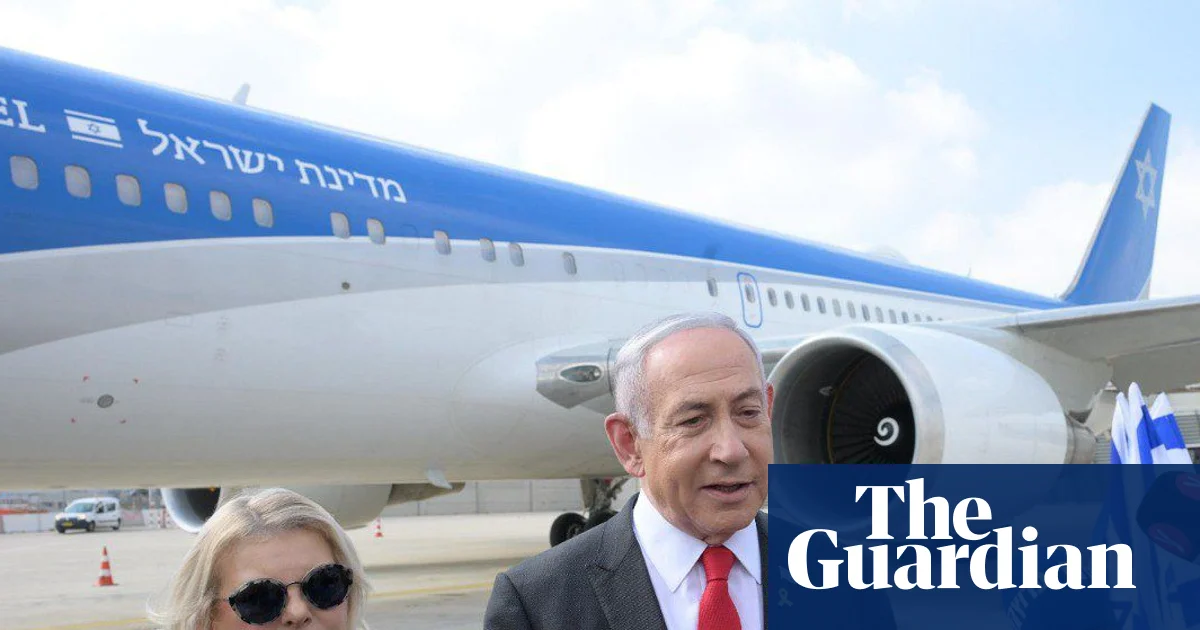
Israeli Prime Minister Benjamin Netanyahu took a circuitous flight route to the UN in New York to avoid European countries that would be obliged to arrest him due to an ICC warrant, reflecting tensions over his legal status and international relations.
Experts criticize China's announced plans to cut emissions by only 7-10% by 2035, arguing they are too weak to prevent global catastrophe, despite China's significant investments in clean energy and ongoing reliance on coal. The plans fall short of the 30% reduction deemed necessary, raising concerns about global climate leadership and the effectiveness of upcoming international climate negotiations.
France has officially recognized Palestinian statehood, defying opposition from U.S. Secretary of State Marco Rubio, who criticized the move as a 'gift to Hamas' ahead of the UN summit in New York.
France, led by Macron, has officially recognized the state of Palestine, framing it as a move towards peace and a defeat for Hamas, while calling for a two-state solution, humanitarian aid in Gaza, and a transitional administration involving the Palestinian Authority. Macron emphasized the importance of ending the ongoing war in Gaza and supporting peace negotiations, coinciding with a key UN summit on the Middle East crisis.
France and Saudi Arabia are convening a summit to rally support for a two-state solution, with several countries expected to recognize Palestine, amid escalating violence in Gaza and West Bank. Israel and the US will boycott the event, criticizing it as a publicity stunt, while Israel considers annexation of parts of the West Bank. The summit aims to push for tangible steps towards peace, but faces opposition from Israel and the US.
Ahead of the September 22 UN summit, international efforts focus on reviving the two-State solution amid ongoing violence in Gaza and regional tensions, with key countries considering recognizing Palestine and renewed diplomatic momentum for peace.
Keir Starmer is preparing to recognize a Palestinian state at the upcoming UN summit, signaling a significant stance in Middle Eastern diplomacy and UK foreign policy.
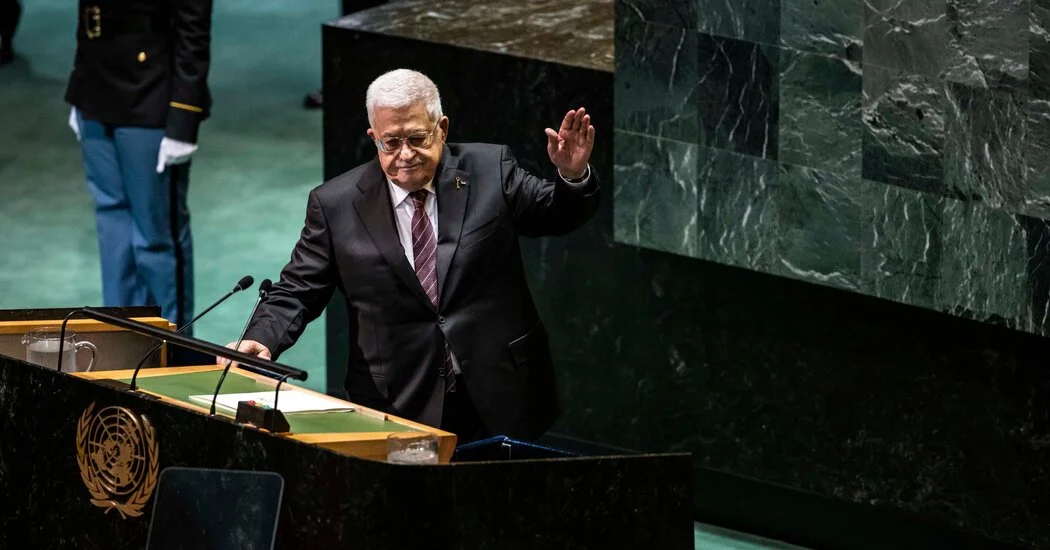
Palestinian leaders are urging the US to lift a visa ban that prevents them from attending the upcoming UN General Assembly, as tensions with the US and issues surrounding Palestinian statehood continue to impact their diplomatic efforts.
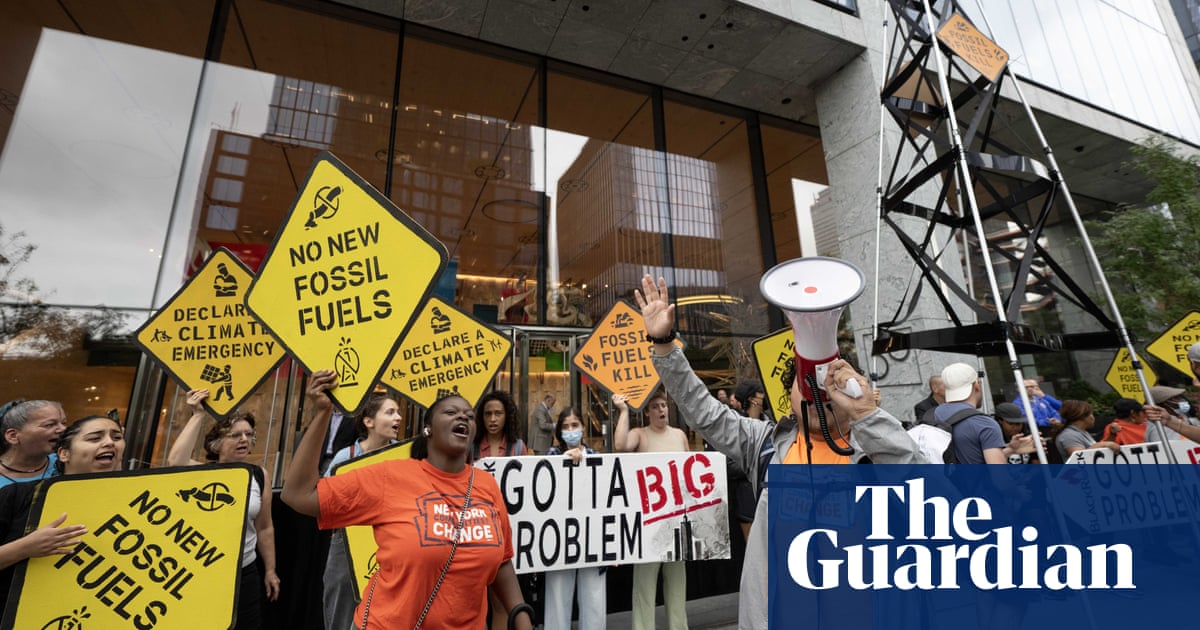
Alexandria Ocasio-Cortez will headline a climate protest and rally in New York on Sunday, demanding bold action from the Biden administration to phase out fossil fuels. The demonstration, organized by youth-led climate groups, will precede the United Nations Climate Ambition Summit. Protesters will call for an end to new oil and gas projects, a federal climate emergency declaration, and support for workers in polluting industries. Over 500 organizations, including the NAACP and Sierra Club, have endorsed these demands. The event is expected to be the largest climate march in the US in five years.
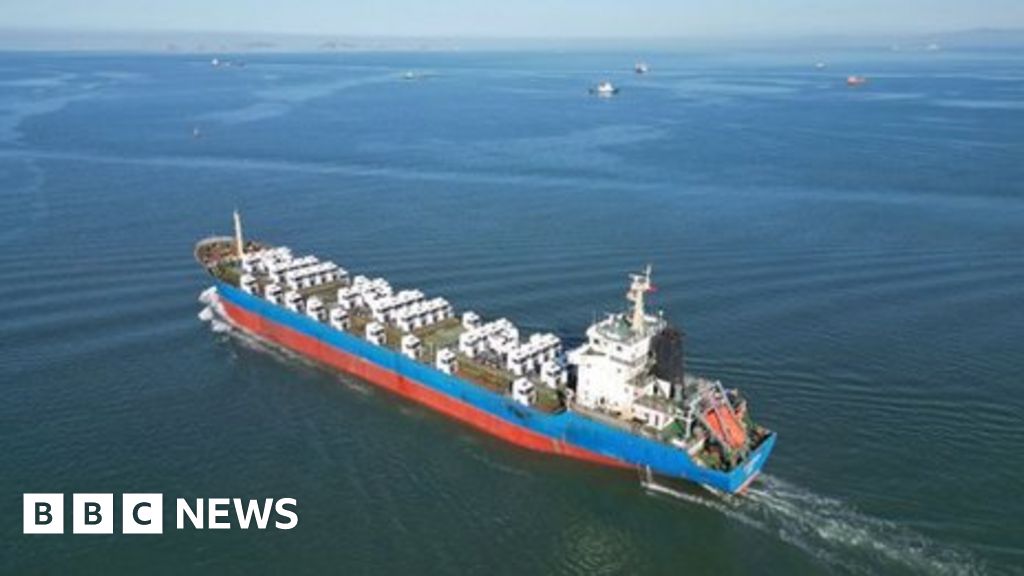
The shipping industry is facing increasing pressure to reduce its greenhouse gas emissions at a UN summit in London this week. Maritime transport currently emits as much CO2 as Germany but lacks a goal for cutting emissions to 'net zero'. Some delegates at the summit are pushing for 'net zero' emissions by 2050 and a 50% reduction by 2030. Campaigners argue that reaching these targets would be a significant climate achievement. Shipping is responsible for transporting around 90% of the world's goods, and its emissions could increase by 50% by mid-century if stronger action is not taken. The industry's current plans only aim for a halving of emissions by mid-century, which is out of line with the Paris climate agreement. The meeting in London aims to establish a new timeline for decarbonizing the shipping industry, with campaigners calling for a reduction of approximately half by 2030 and a net-zero goal for 2050.
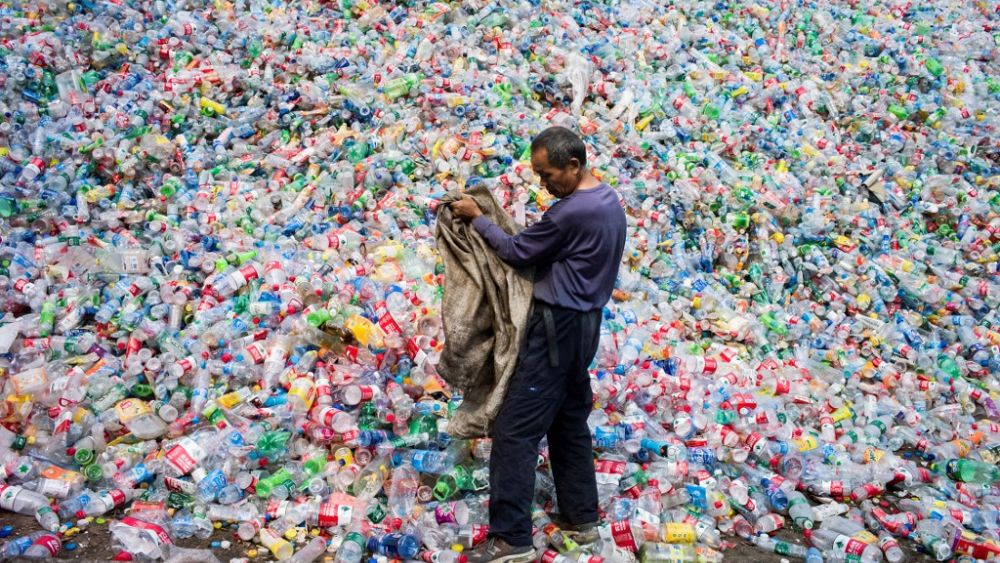
The UN-sponsored Paris summit on plastic pollution has agreed to aim for a first draft of a global treaty on the issue by November, with hopes for a final deal before the end of 2024. The annual production of plastic has more than doubled in 20 years to 460 million tonnes, and could triple by 2060 if nothing is done. Negotiations will continue in Kenya, Canada, and South Korea, despite diverging ambitions and opposing pressure from certain industries and oil-producing countries.