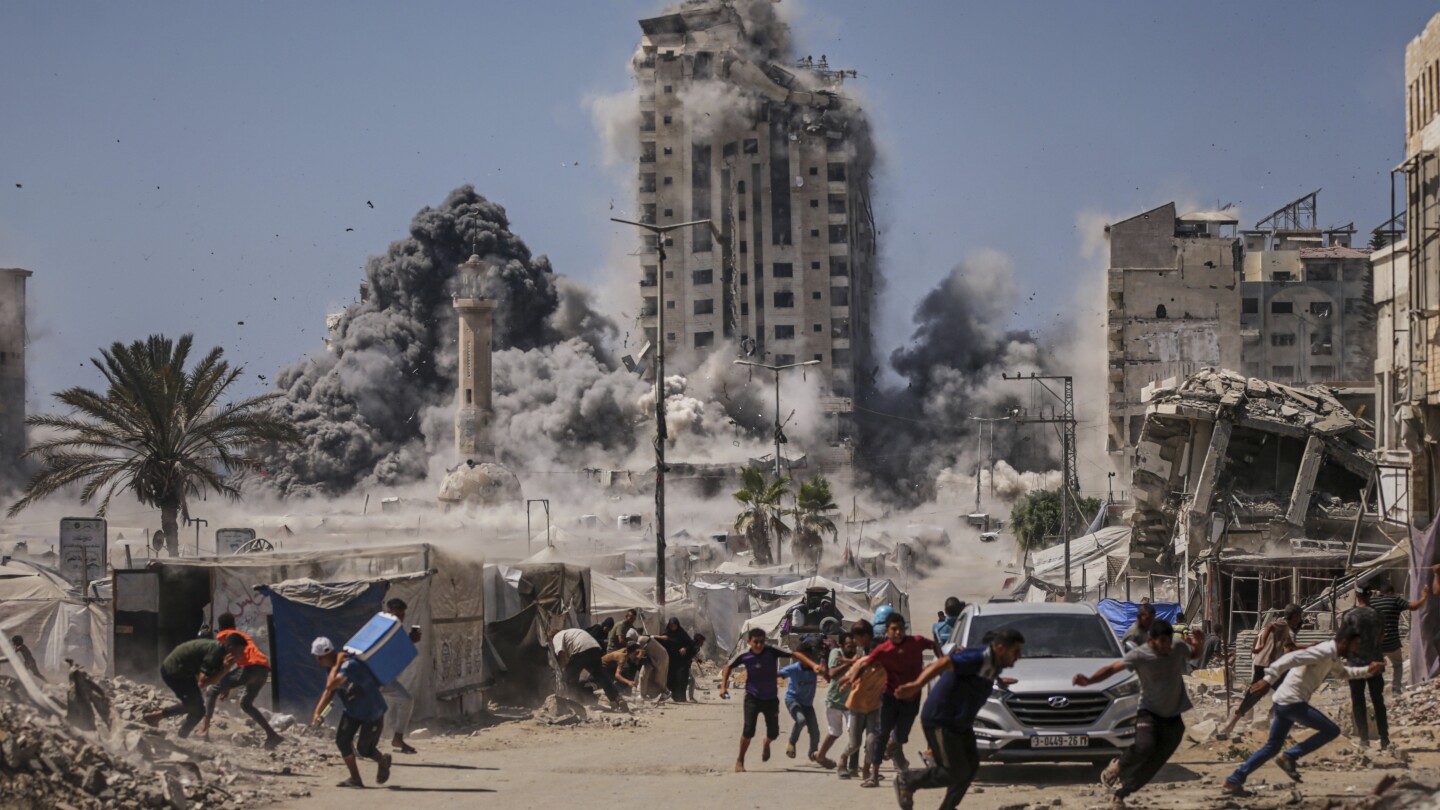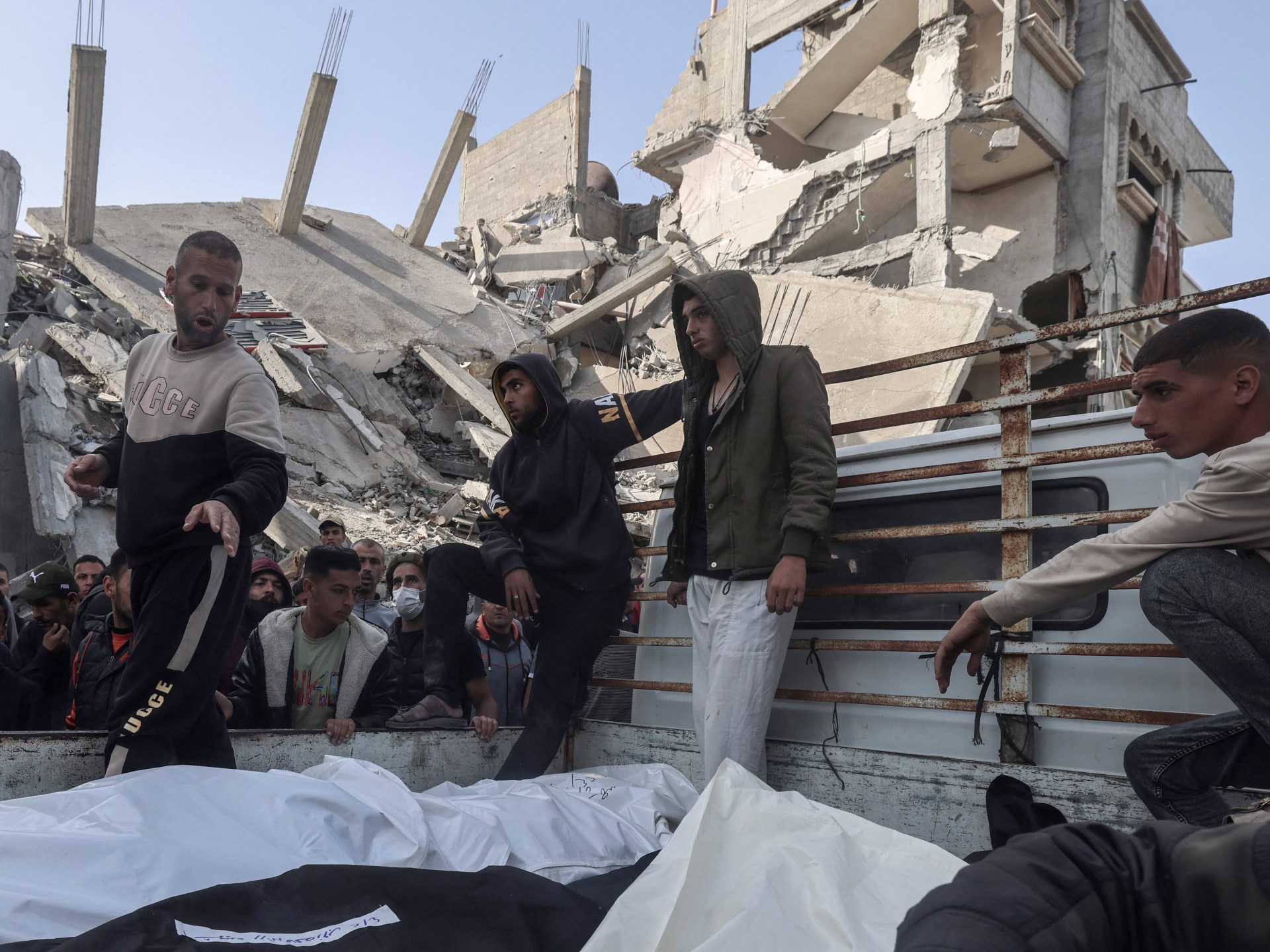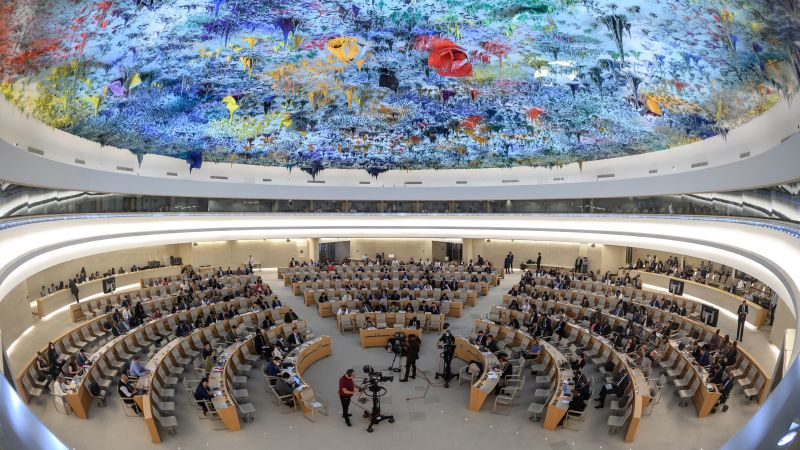
A UN Human Rights Council commission has accused Israel of committing genocide in Gaza, citing acts such as killing, causing harm, and imposing destructive measures, while Israel denies the allegations, calling them false and antisemitic. The report urges international action, but Israel rejects the findings, and the issue remains a contentious and complex international legal matter.
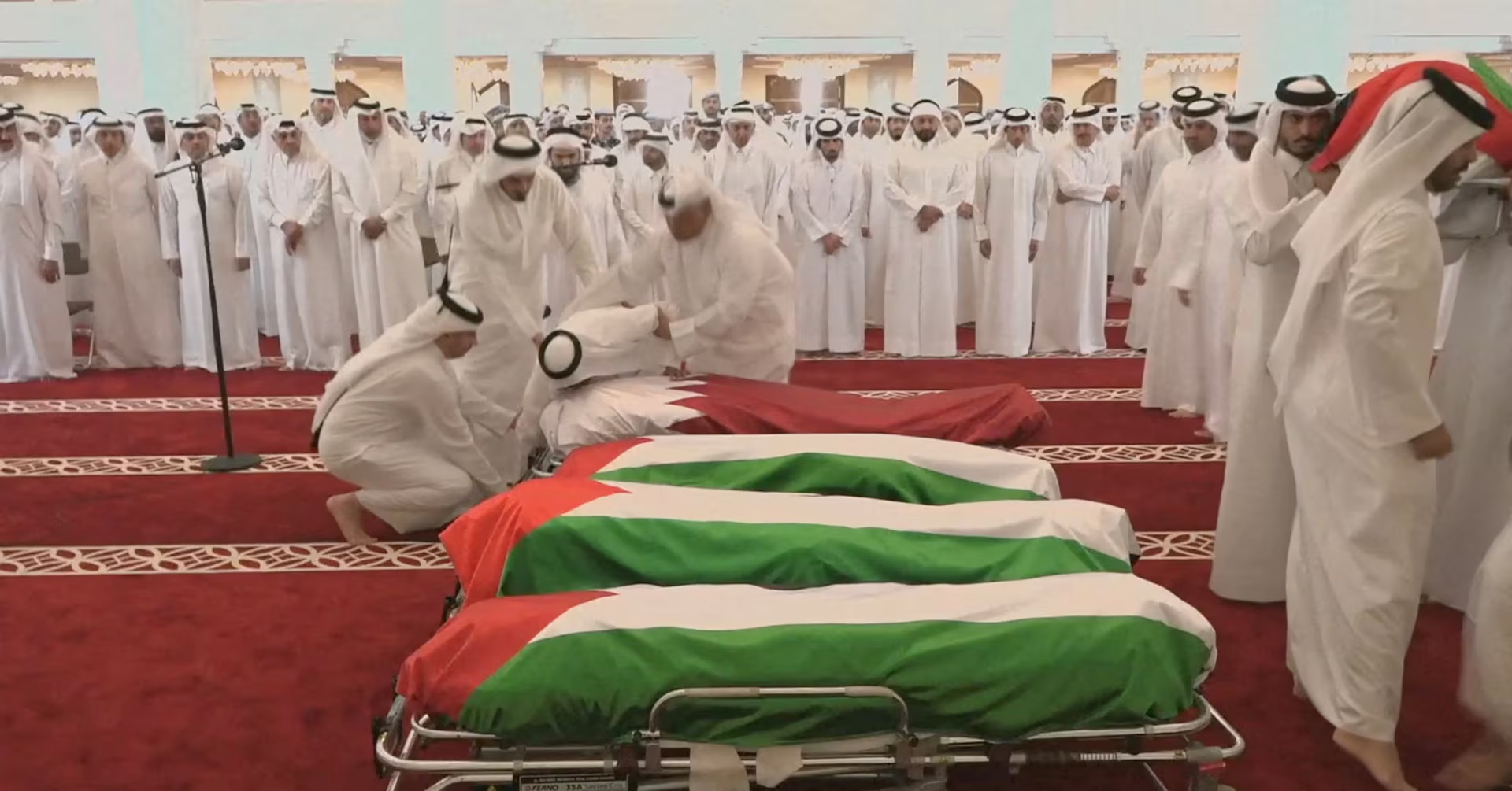
The UN Human Rights Council will hold an urgent debate on Tuesday regarding Israel's September 9 airstrike in Qatar targeting Hamas leaders, amid regional tensions and accusations of human rights violations, with the move prompted by requests from Islamic countries and reactions from Arab states.
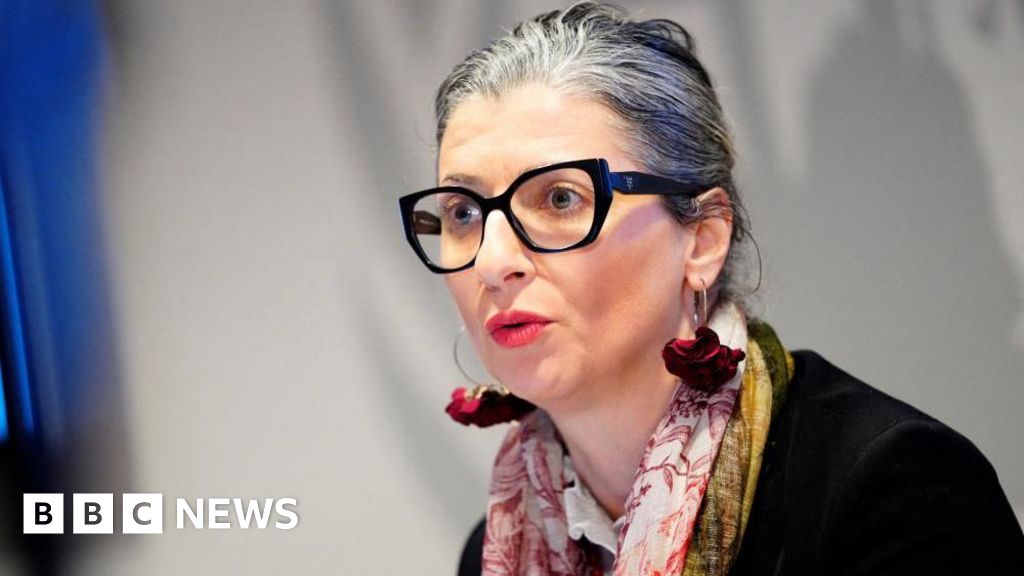
The US has imposed sanctions on UN expert Francesca Albanese, citing her criticism of Israel's Gaza offensive and her support for the ICC, amid ongoing tensions over her outspoken stance on Palestinian rights and US-Israeli policies.
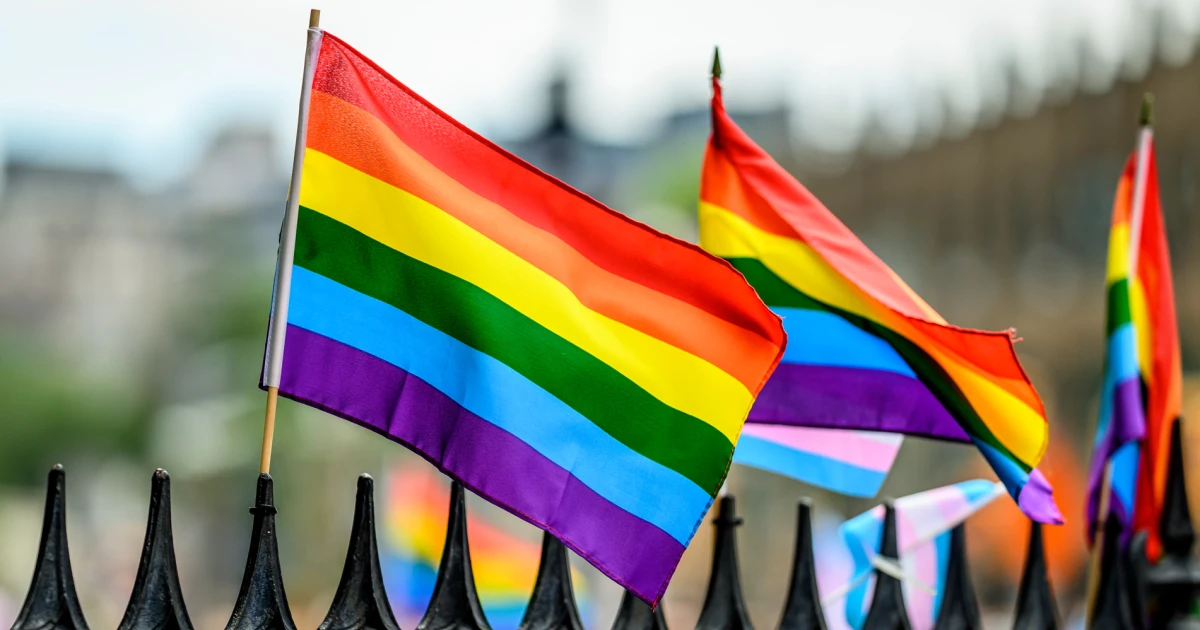
The UN Human Rights Council voted to renew the mandate of an LGBTQ rights expert for three years, despite opposition from several countries including the U.S., which has recently rolled back its support for such protections. The move was seen as a positive step for LGBTQ advocacy amid global challenges to progress.
The UN Human Rights Council has passed a resolution demanding accountability for possible war crimes and crimes against humanity in Gaza, as well as calling for a halt to all arms sales to Israel. The resolution, which marks the first time the council has taken a position on the conflict, received 28 in favor, 6 against, and 14 abstentions. The resolution also condemned the use of starvation of civilians as a method of warfare in Gaza and criticized Israel's refusal to cooperate with investigations.
Morocco has won a vote to lead the UN Human Rights Council despite South Africa's disapproval, with Ambassador Omar Zniber elected council president. The dispute stems from Morocco's sovereignty claim over Western Sahara, where the Algeria-backed Polisario Front seeks independence. Morocco has been accused of rights abuses, including repression of journalists and minorities, and use of Pegasus spyware, but denies the allegations. The UN Human Rights Council, established in 2006, rotates its presidency annually between regional groupings and is tasked with protecting and promoting human rights worldwide.
Russia is campaigning to be reinstated on the United Nations' Human Rights Council, despite being suspended last year for its invasion of Ukraine and accusations of human rights abuses. The vote, which takes place on Tuesday, will reveal how the international community views Russia's actions and whether they are willing to overlook them. The ballot is secret, allowing nations to send their own messages, and some may support Russia to signal their disapproval of US behavior or to secure Russian aid. Russia was previously removed from the council in 2022, with 93 nations supporting the move. Human rights organizations argue that Russia's human rights record, along with those of other candidates, is abysmal. The US is urging countries to reject Russia's candidacy, citing ongoing human rights violations in Ukraine.
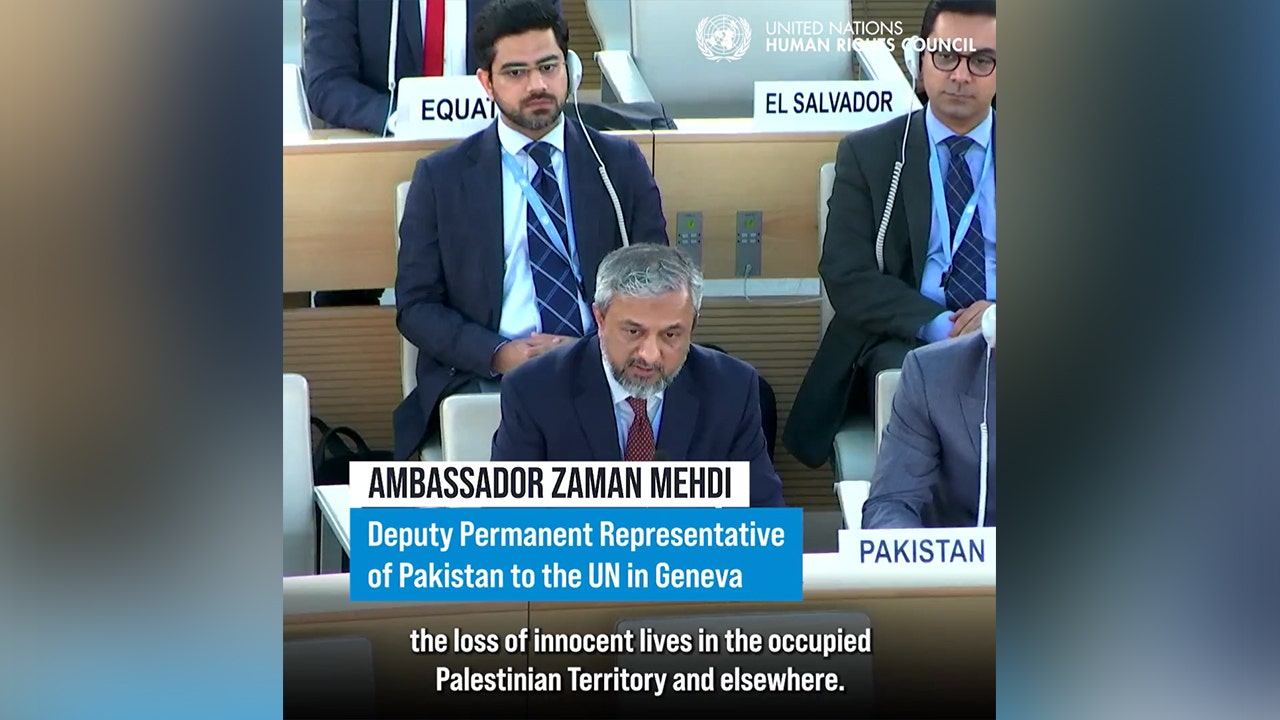
Pakistan's deputy permanent representative to the UN in Geneva, Ambassador Zaman Mehdi, failed to honor the Israelis who were murdered by Hamas during a moment of silence held by the United Nations Human Rights Council. Mehdi expressed concerns over the loss of innocent lives in the occupied Palestinian territory but omitted mentioning the lives lost in Israel due to the recent Hamas attack. In contrast, the US Permanent Representative to the Human Rights Council, Michèle Taylor, requested a moment of silence to commemorate the lives lost in the Hamas attack on Israel and condemned the acts of terrorism.
Russia is seeking to rejoin the United Nations' Human Rights Council, despite being suspended from the body for its invasion of Ukraine. The country is listed as a candidate for the 2024-2026 term, with a vote scheduled for October 10. Russia's bid is expected to face strong opposition from Western countries, who argue that its illegal invasion should disqualify it from international bodies. Russia has been accused of numerous human rights abuses during the war in Ukraine, including an alleged scheme to deport Ukrainian children to Russia. A Human Rights Council commission recently stated that there is continuous evidence of Russian war crimes in Ukraine.
The United Nations Human Rights Council has passed a resolution urging member states to prosecute acts of religious-based antagonism, despite opposition from the United States and European delegations. The measure, supported by the Organisation of Islamic Cooperation, calls for member states to review their national laws and policies to address gaps that hinder the prevention and prosecution of religious hatred. The resolution references the recent burning of the Quran in Sweden and calls for the perpetrators to be held accountable. The US and several Western nations opposed the resolution, arguing that limiting freedom of expression could amplify hateful ideas.
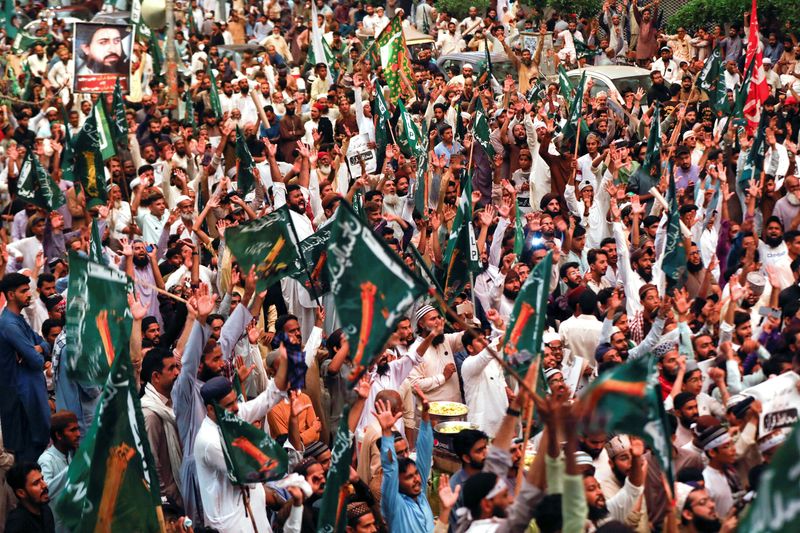
Muslim states, including Iran and Pakistan, are demanding accountability and action at the UN Human Rights Council after a Koran burning incident in Sweden, which they consider to be incitement of religious hatred. The motion brought by Pakistan seeks a report from the UN rights chief on the issue and calls on states to review their laws to prevent and prosecute acts of religious hatred. While Muslim states argue for stronger measures, Western members express concerns about the implications for free speech. Intense negotiations are ongoing, and a vote is expected, with the motion likely to pass due to the support of OIC countries.
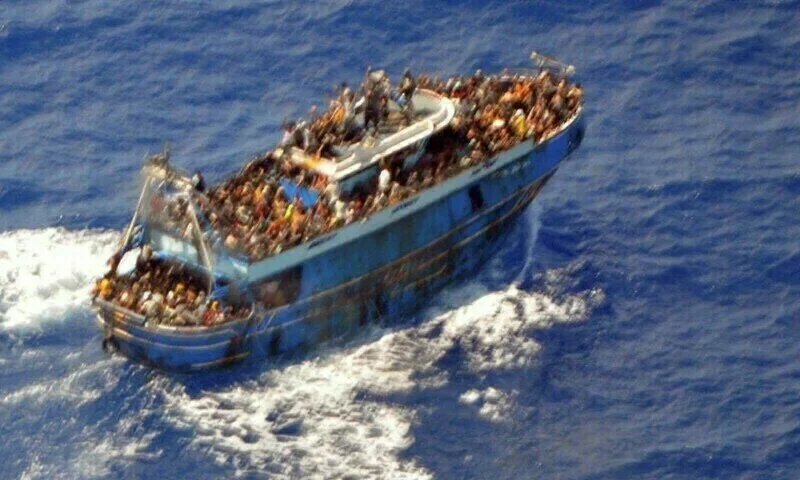
Pakistan and several African nations called for more protections for migrants at the UN Human Rights Council following the shipwreck off the Greek coast that killed at least 82 people. Pakistan, which had 350 of its nationals aboard the ship, criticised the "protection gaps" and called for accountability and responsibility sharing. The UN Special Rapporteur on Migration called on states to end the criminalisation of irregular migrants and find regular pathways for them. The idea of creating a new international investigative body to look at human rights abuses committed against migrants is being discussed at the ongoing council session in Geneva.