Tag

Ulxs

All articles tagged with #ulxs

Mystery Object 10 Million Times Brighter Than Sun Puzzles Scientists.
science2 years ago

Mystery Object 10 Million Times Brighter Than Sun Puzzles Scientists.

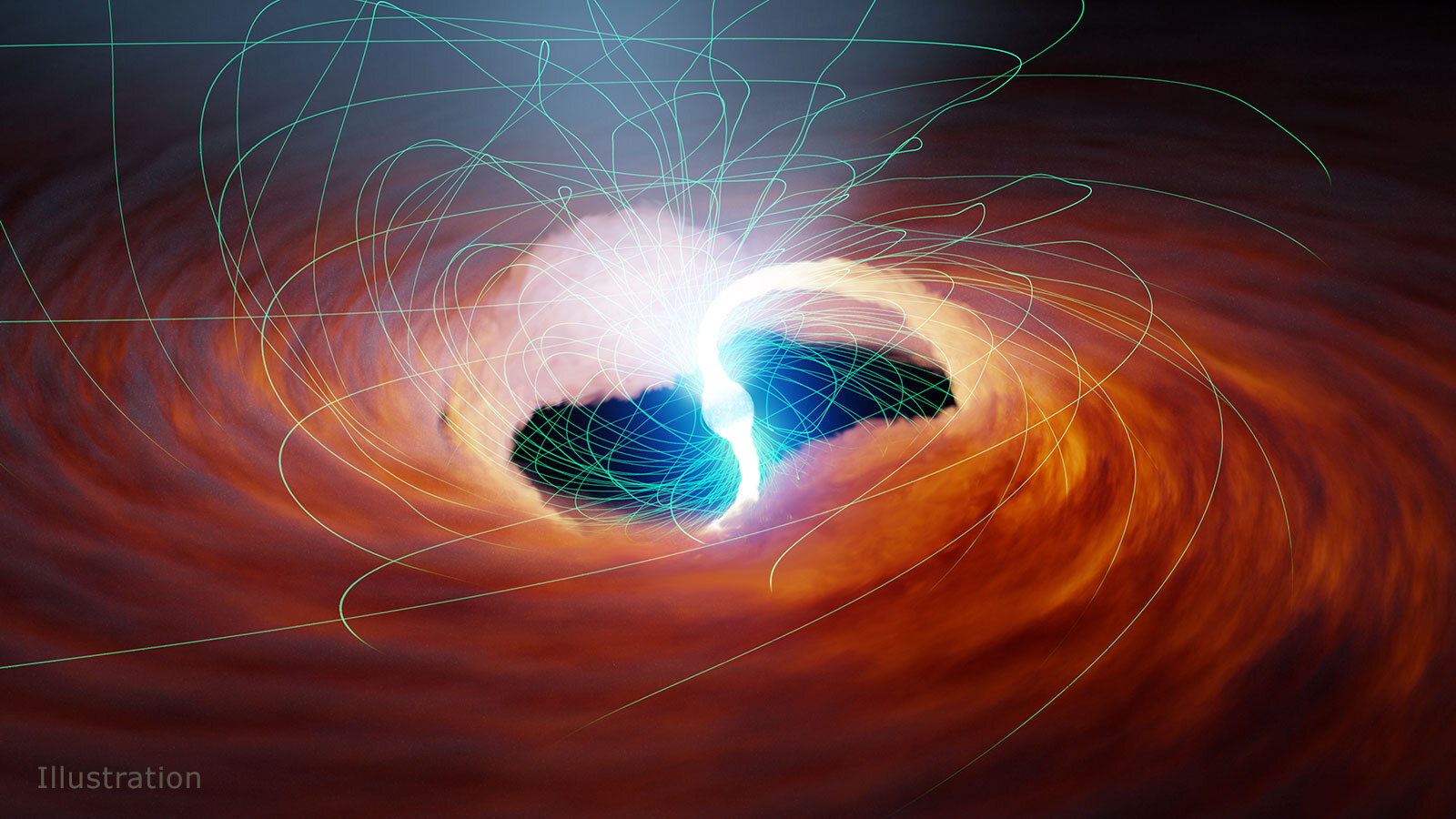
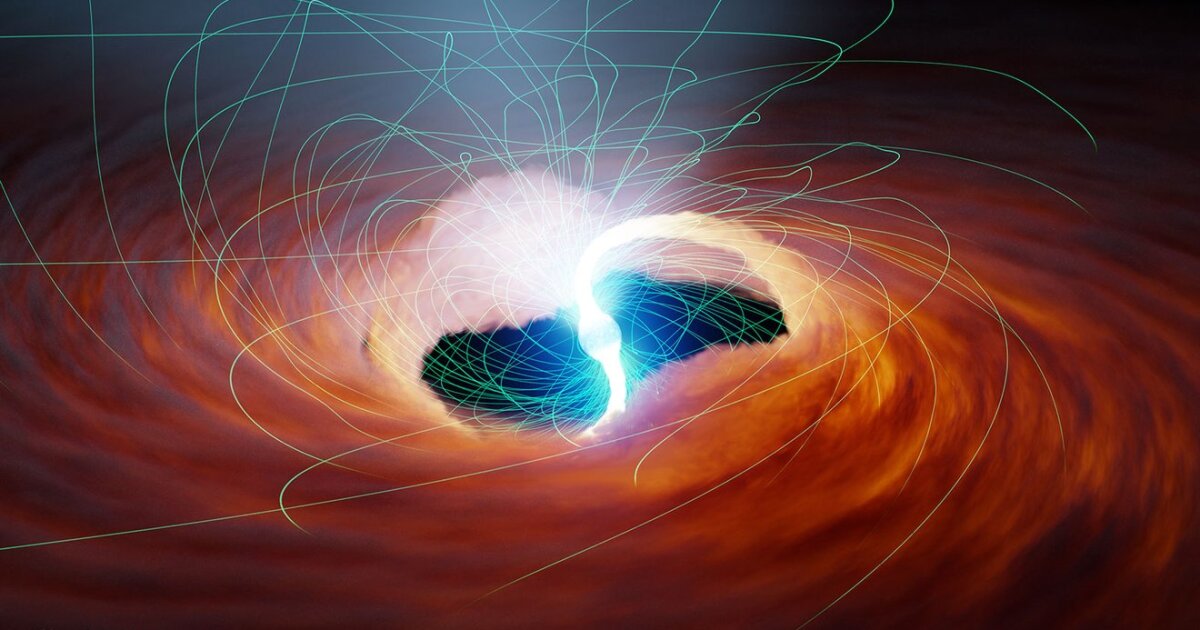
Scientists are studying ultraluminous X-ray sources (ULXs), which are over 10 million times brighter than the sun and defy the current understanding of physics. A new study using NASA's Nuclear Spectroscopic Telescope Array suggests that ULXs form on neutron stars, with their brightness due to the intense magnetic field of the neutron star changing the shape of atoms. However, the full truth of the phenomenon remains unknown due to the incalculably powerful magnetic field of neutron stars.
NASA discovers mysterious object 10 million times brighter than the sun.
astronomy2 years ago

NASA discovers mysterious object 10 million times brighter than the sun.

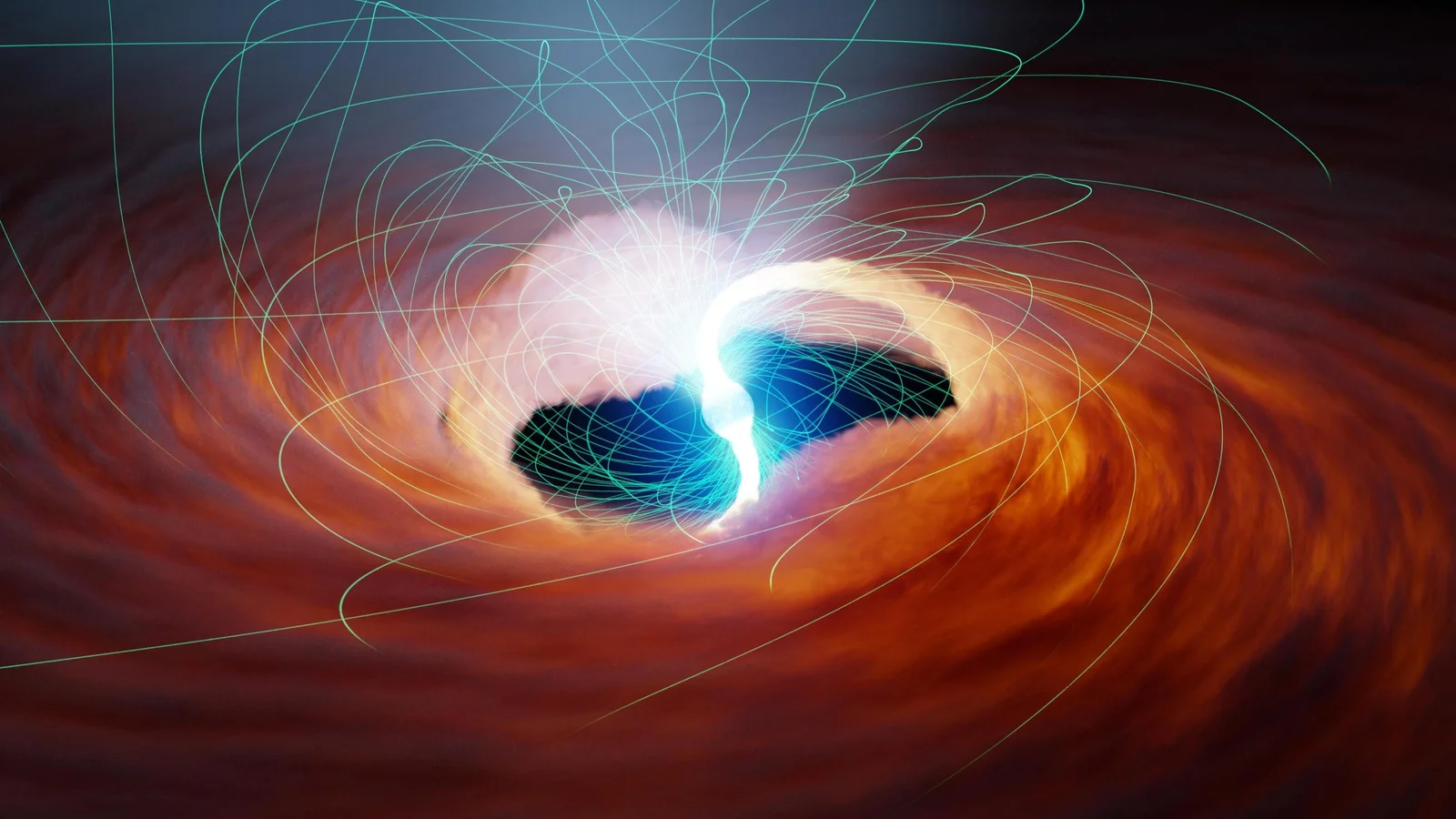
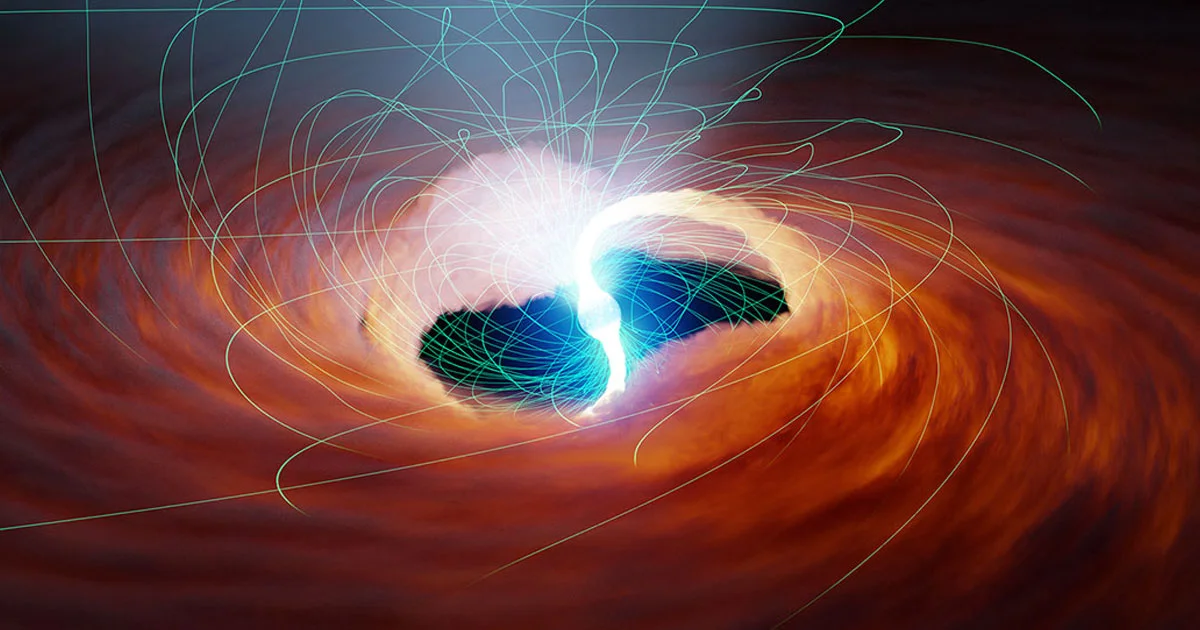
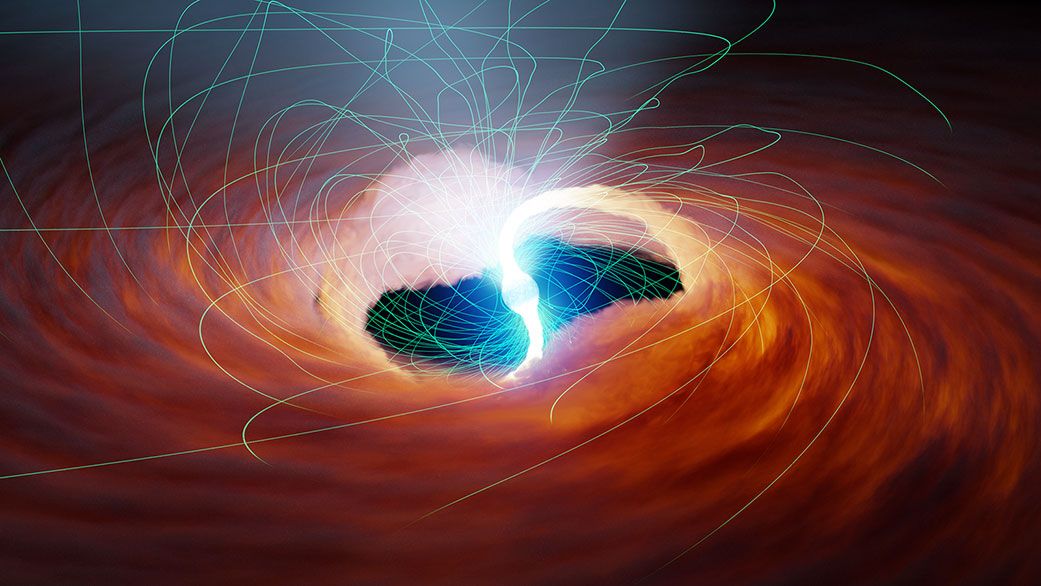
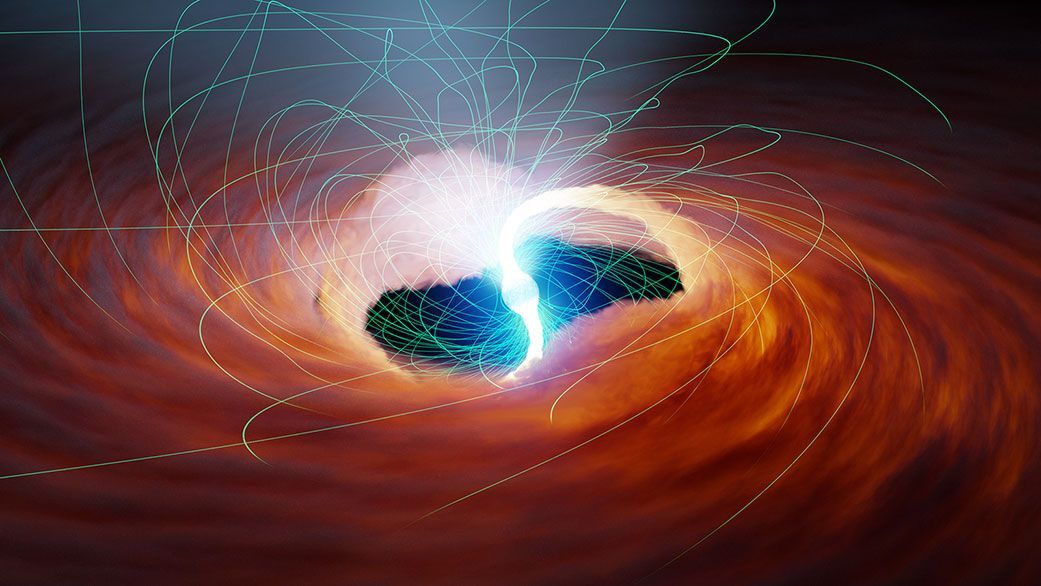
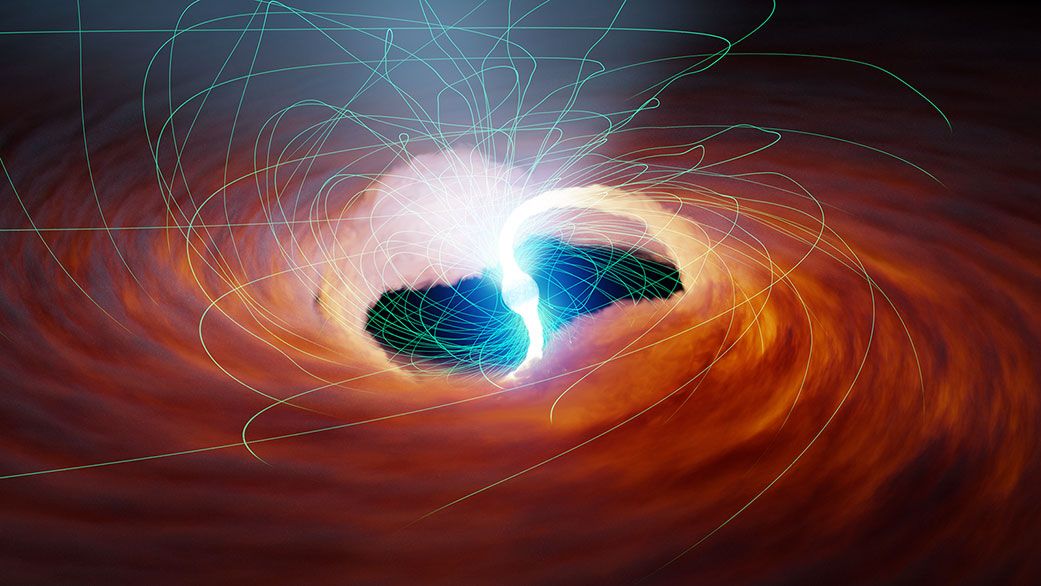
Ultraluminous X-ray sources (ULXs) are breaking the laws of physics by emitting about 10 million times more energy than the sun, which exceeds the Eddington limit. NASA's Nuclear Spectroscopic Telescope Array (NuSTAR) confirmed that one particular ULX, called M82 X-2, is definitely too bright. M82 X-2 is a neutron star that consumes around 1.5 Earths' worth of material each year, siphoning it off of a neighboring star. The research team thinks that the intense magnetic field of the neutron star changes the shape of its atoms, allowing the star to stick together even as it gets brighter and brighter.

NASA discovers mysterious object 10 million times brighter than the sun.
astronomy2 years ago

NASA discovers mysterious object 10 million times brighter than the sun.

Ultraluminous X-ray sources (ULXs) are breaking the laws of physics by emitting about 10 million times more energy than the sun, which exceeds the Eddington limit. A new study from NASA's Nuclear Spectroscopic Telescope Array (NuSTAR) confirms that one particular ULX, called M82 X-2, is definitely too bright. The neutron star consumes around 1.5 Earths' worth of material each year, siphoning it off of a neighboring star, and the intense magnetic field of the neutron star changes the shape of its atoms, allowing the star to stick together even as it gets brighter and brighter.

NASA Reveals Secret of Ultra-Luminous X-Ray Sources Beyond Eddington Limit
astronomy2 years ago

NASA Reveals Secret of Ultra-Luminous X-Ray Sources Beyond Eddington Limit

Ultra-luminous X-ray sources (ULXs) produce about 10 million times more energy than the Sun, regularly exceeding the Eddington limit by 100 to 500 times. A recent study published in The Astrophysical Journal utilized NASA’s Nuclear Spectroscopic Telescope Array (NuSTAR) to measure a ULX for the first time. Findings confirm that ULXs do indeed break the Eddington limit, potentially due to their strong magnetic fields.

NASA Discovers Ultra-Bright Cosmic Object Defying Physics
astronomy2 years ago

NASA Discovers Ultra-Bright Cosmic Object Defying Physics

Ultraluminous X-ray sources (ULXs) are breaking the laws of physics by emitting 10 million times more energy than the sun, which exceeds the Eddington limit. NASA's Nuclear Spectroscopic Telescope Array (NuSTAR) confirmed that one particular ULX, called M82 X-2, is definitely too bright. M82 X-2 is a neutron star that consumes around 1.5 Earths' worth of material each year, siphoning it off of a neighboring star. The research team thinks that the intense magnetic field of the neutron star changes the shape of its atoms, allowing the star to stick together even as it gets brighter and brighter.

NASA Discovers Cosmic Object That Challenges Laws of Physics with Its Brightness
astronomy2 years ago

NASA Discovers Cosmic Object That Challenges Laws of Physics with Its Brightness

NASA's Nuclear Spectroscopic Telephone Array (NuSTAR) has confirmed that ultra-luminous x-ray sources (ULXs) exceed the Eddington limit, which restricts how bright an object can be based on its mass, by up to 500 times. Astronomers believe that the brightness of ULXs is due to magnetic fields so strong that they cannot be replicated in a lab. The ULX designated M82 X-2, which is ten million times brighter than the Sun, is a neutron star that may produce light from gases and dust being smashed into its surface at millions of miles per hour.

Unraveling the Mystery of the Brightest Gamma-Ray Burst in History.
astronomy2 years ago

Unraveling the Mystery of the Brightest Gamma-Ray Burst in History.

Ultraluminous X-ray sources (ULXs) are breaking the Eddington limit, which determines how bright something of a given size can be. New observations from NASA's Nuclear Spectroscopic Telescope Array (NuSTAR) confirmed that one particular ULX, called M82 X-2, is definitely too bright. M82 X-2 is an object known as a neutron star, and the research team thinks that the intense magnetic field of the neutron star changes the shape of its atoms, allowing the star to stick together even as it gets brighter and brighter.

Cracking the Mystery of Ultra-Luminous X-ray Sources with NASA Study
astronomy2 years ago

Cracking the Mystery of Ultra-Luminous X-ray Sources with NASA Study

Ultra-luminous X-ray sources (ULXs) produce about 10 million times more energy than the sun, exceeding the Eddington limit, which puts a cap on how bright an object can be based on its mass. A recent study using NASA's Nuclear Spectroscopic Telescope Array (NuSTAR) confirms that ULXs break the Eddington limit, and suggests that strong magnetic fields may be responsible for this limit-breaking brightness. The study targeted a ULX called M82 X-2, which is stealing about 9 billion trillion tons of material per year from a neighboring star, and confirmed that it exceeds the Eddington limit.