Tag

Ultramassive Black Hole

All articles tagged with #ultramassive black hole

science5 months ago

Scientists Discover One of the Largest Black Holes in the Universe

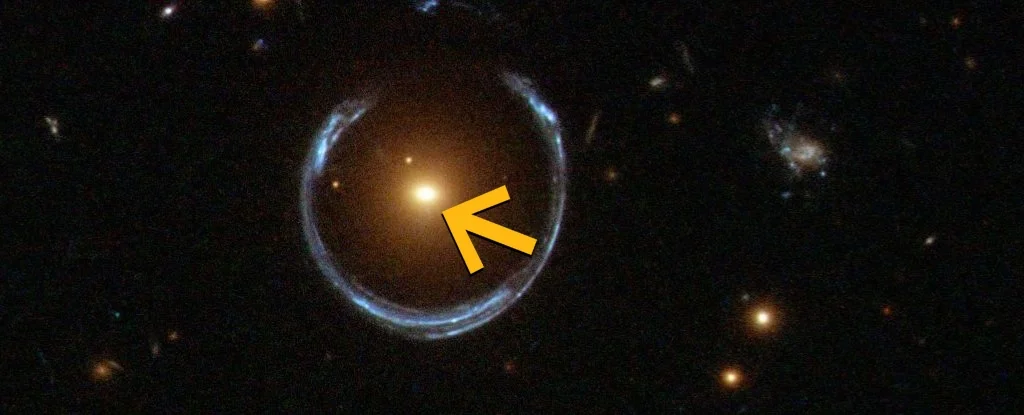
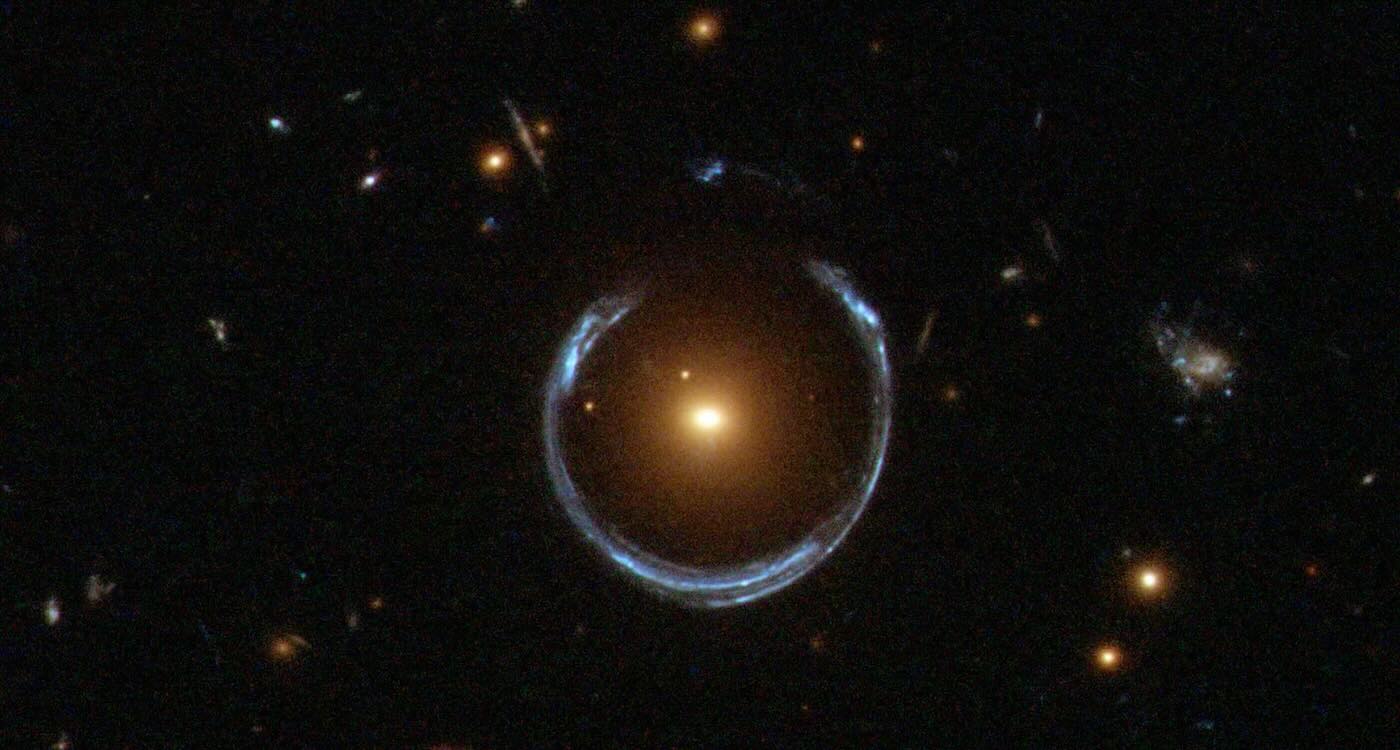
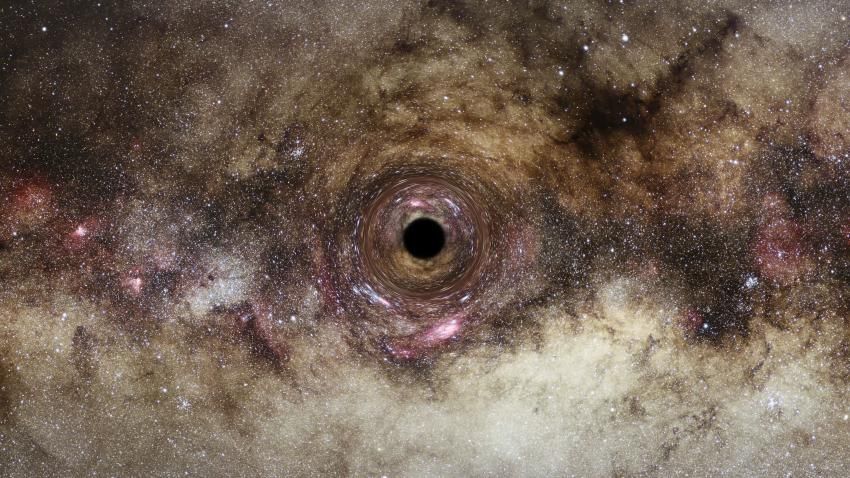
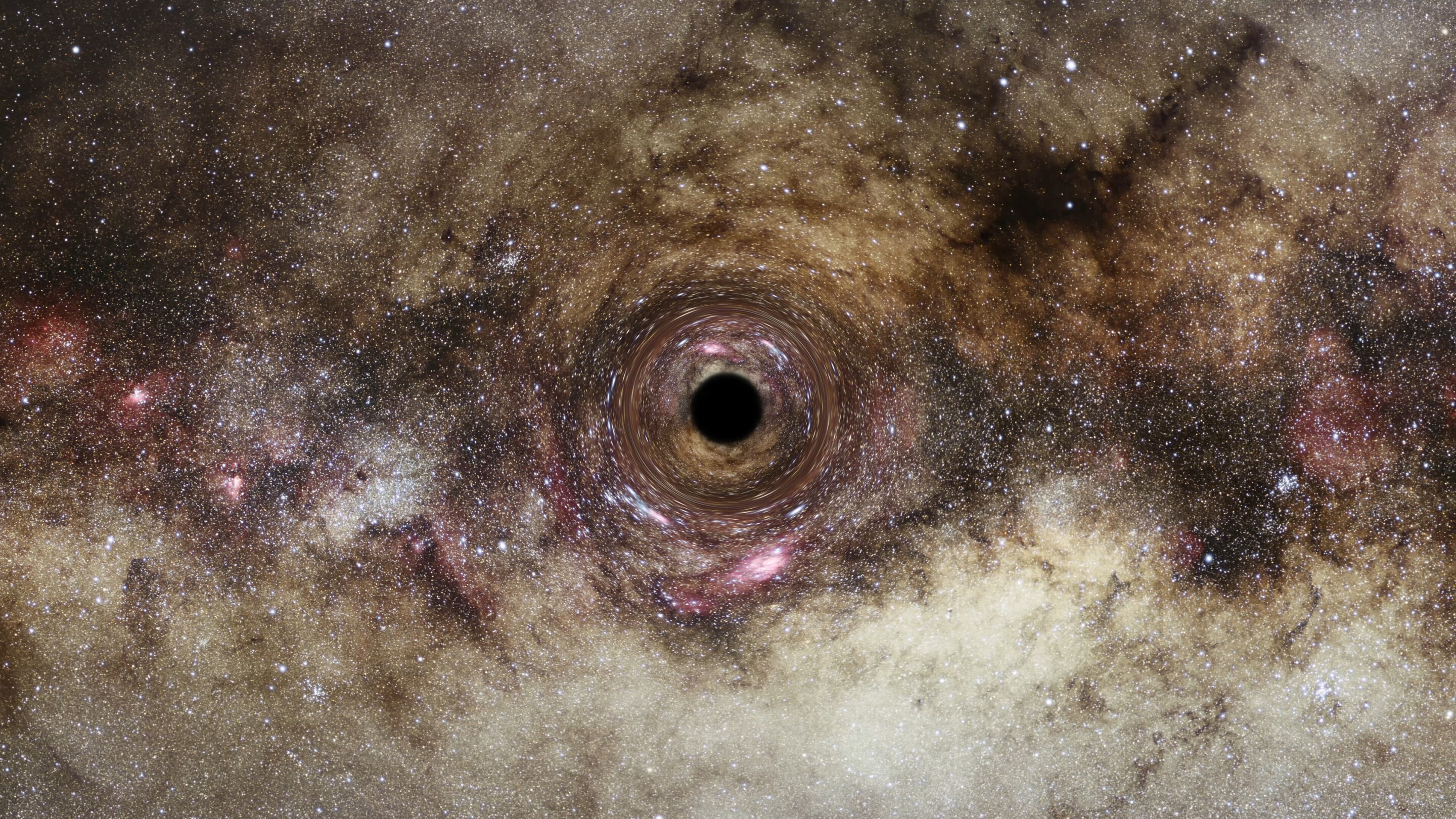
Scientists have identified a colossal black hole in the Cosmic Horseshoe galaxy system, estimated to be 36 billion times the mass of the sun, making it one of the largest ever observed, using gravitational lensing techniques. This discovery raises questions about how such massive objects form so early in the universe and challenges current understanding of galaxy and black hole evolution.

science5 months ago

Scientists Discover the Largest Black Hole Ever, Bending Light into a Giant Ring

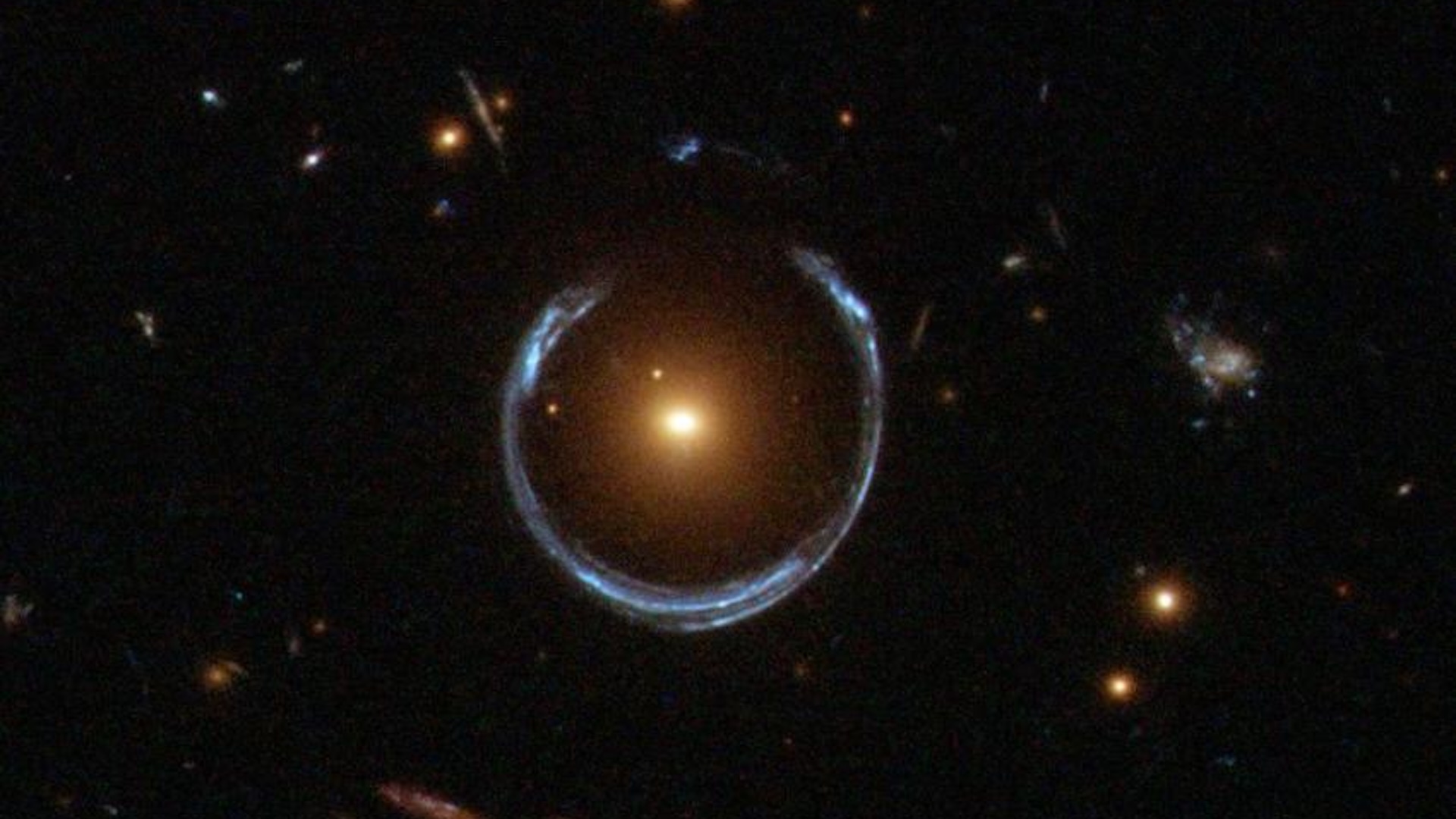
Astronomers have discovered what may be the largest black hole ever, with a mass of 36 billion suns, located in the Cosmic Horseshoe galaxy. Its gravity bends light into a near-perfect ring, and it was measured using gravitational lensing and stellar kinematics despite being dormant and billions of light years away. This finding provides insights into galaxy and black hole formation, especially in massive galaxies.

science5 months ago

Scientists Find Possibly the Largest Black Hole Bending Light into a Massive Ring

Astronomers have discovered what may be the largest black hole ever, with a mass of 36 billion suns, located in the Cosmic Horseshoe galaxy. Its gravity bends light into a near-perfect ring, and it was measured using gravitational lensing and stellar kinematics, despite being dormant and billions of light years away. This finding provides insights into galaxy and black hole formation, especially in massive galaxies.

science5 months ago

Scientists Discover a Record-Breaking 36-Billion-Solar-Mass Black Hole

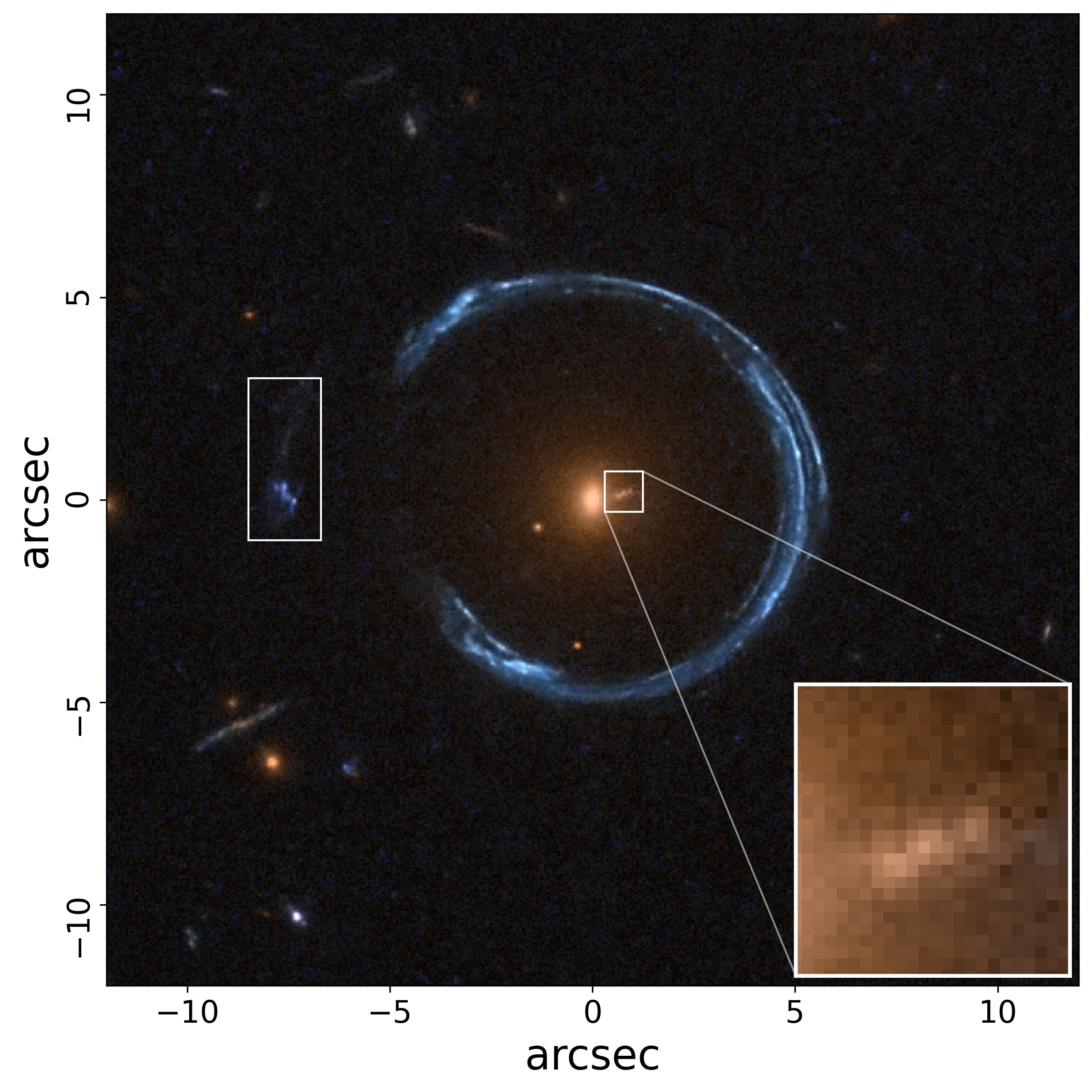
Astronomers have discovered possibly the most massive black hole ever, located at the center of the Cosmic Horseshoe galaxy, with a mass of 36 billion times that of the Sun. Using gravitational lensing and stellar kinematics, they measured its mass by observing the warped light and star movements, revealing a black hole near the theoretical upper mass limit. This discovery, made 5 billion light-years away, could help uncover more about supermassive black holes and dark matter in the universe.

science5 months ago

Cosmic Horseshoe Galaxy Hosts Potentially the Most Massive Black Hole Ever

Astronomers have discovered what may be the most massive black hole ever detected, with a mass of 36 billion solar masses, located in the Cosmic Horseshoe galaxy about 5 billion light-years away. This ultramassive black hole was identified using a combination of gravitational lensing and stellar kinematics, providing more certainty than previous indirect methods. Its discovery helps deepen understanding of the relationship between black holes and galaxy evolution, especially in the context of galaxy mergers and the end stages of galaxy formation.

astronomy2 years ago

Astronomers unveil record-breaking ultramassive black holes.

Astronomers have discovered an ultramassive black hole, over 30 billion times the mass of the Sun, using gravitational lensing and supercomputer simulations. The technique allowed the researchers to accurately predict the light's path as seen in real Hubble Space Telescope images. This is the first black hole found using gravitational lensing, and the approach could let astronomers discover far more inactive and ultramassive black holes than previously thought. The research was supported by the UK Space Agency, the Royal Society, the Science and Technology Facilities Council (STFC), and the European Research Council.

science-and-astronomy2 years ago

Astronomers find ultramassive black hole using gravity and light bending.

Astronomers have discovered an ultramassive black hole, which is 30 billion times the mass of our sun, located at the center of a galaxy in the Abell 1201 galaxy cluster, hundreds of millions of light-years from Earth. The black hole was discovered using gravitational lensing, which magnified the background object, and the Hubble Space Telescope. The black hole is not very active, making it nearly impossible to study by other methods, but gravitational lensing could help detect many more black holes beyond our local universe and reveal how these exotic objects evolved further back in cosmic time.

astronomy2 years ago

Massive Black Hole Discovered Pointing at Earth through Light-bending Gravity

Astronomers have discovered an ultramassive black hole, over 30 billion times the mass of our sun, using gravitational lensing and supercomputer simulations. The black hole was found in a foreground galaxy hundreds of millions of light years from Earth, and is one of the biggest ever detected. Gravitational lensing makes it possible to study inactive black holes, something not currently possible in distant galaxies, and could reveal how these exotic objects evolved further back in cosmic time.