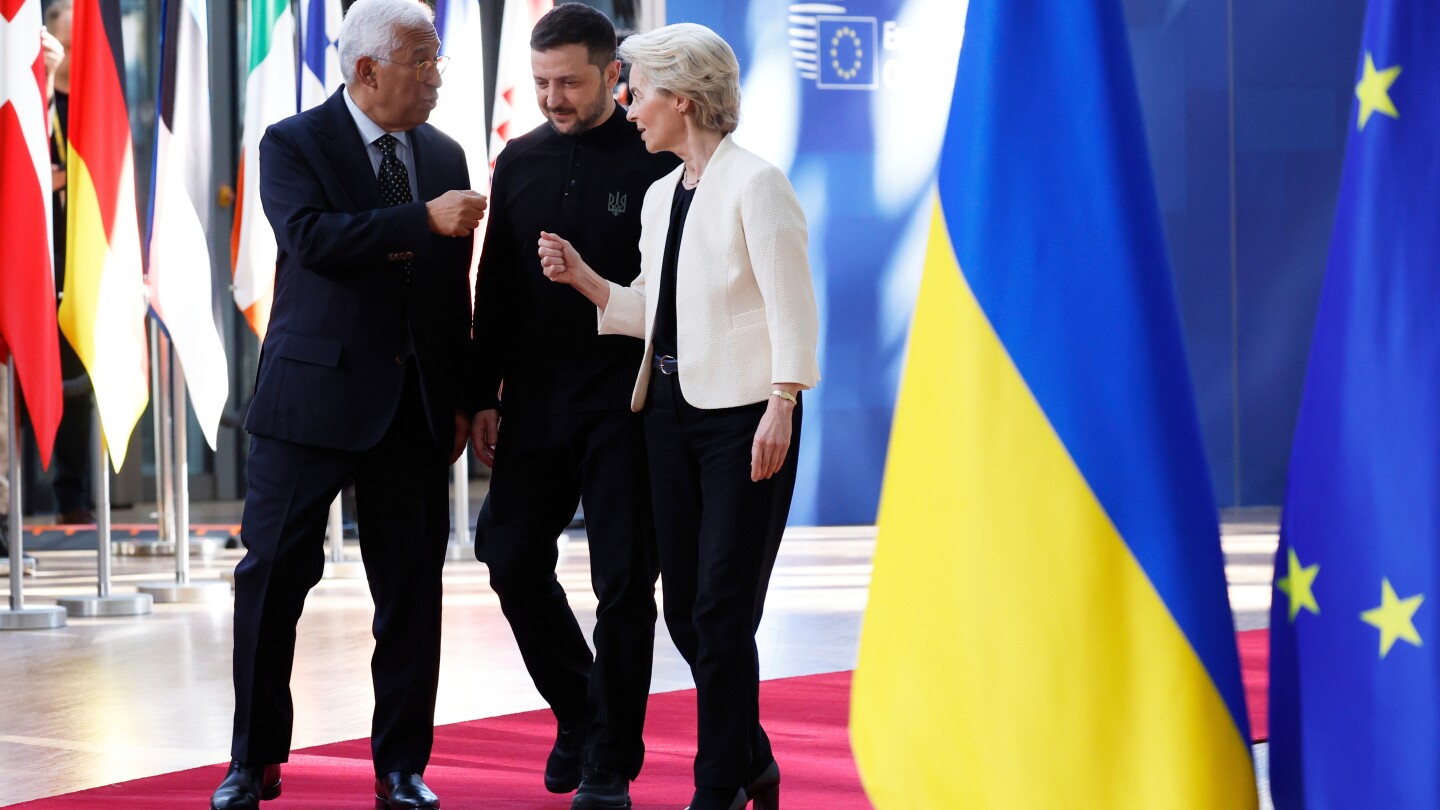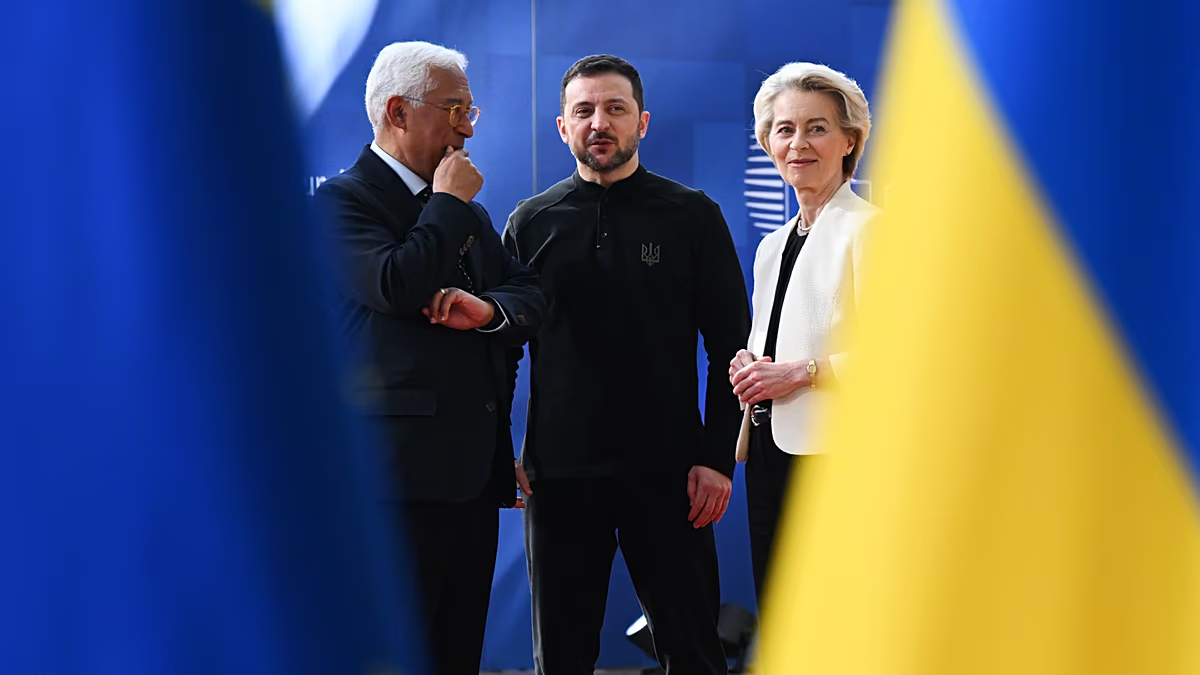
The EU has agreed to raise €90 billion through joint borrowing to support Ukraine's military and budget needs, with funds to be repaid only after Russia pays reparations, and with some countries exempted from vetoes and costs. The plan involves issuing bonds on the markets, with interest costs shared among member states, and includes conditions related to anti-corruption and defense industry criteria.
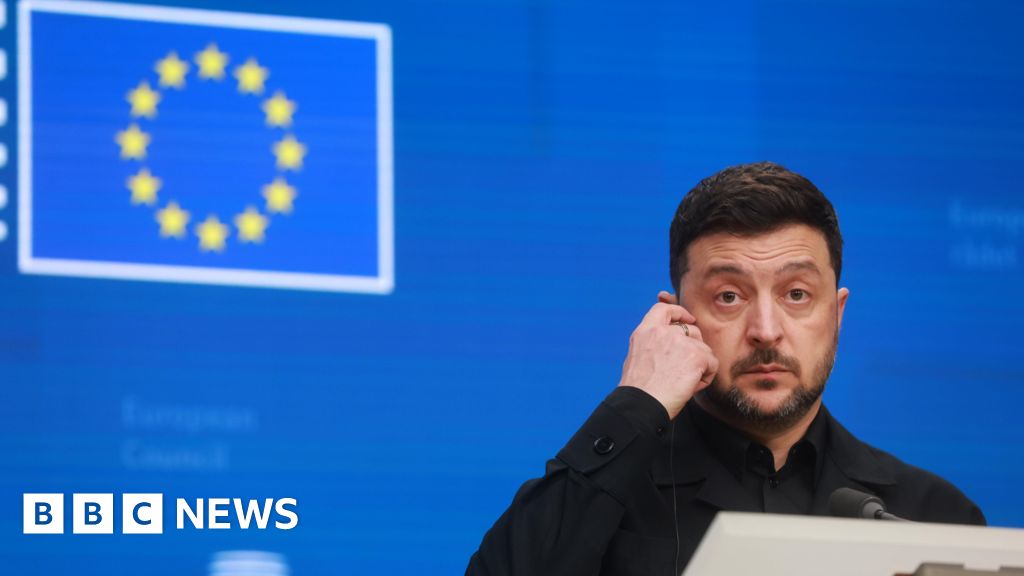
EU leaders agreed to raise €90bn in zero-interest loans to support Ukraine for the next two years, amid divisions over the approach and differing attitudes towards Russia, with some countries seeking exemptions and considering future use of frozen Russian assets. Ukraine also needs additional funding and hopes for support from non-EU allies and international banks.
European stocks reached a record high amid interest rate decisions, with Nike's earnings causing market ripples and political developments in France and Ukraine influencing investor sentiment.
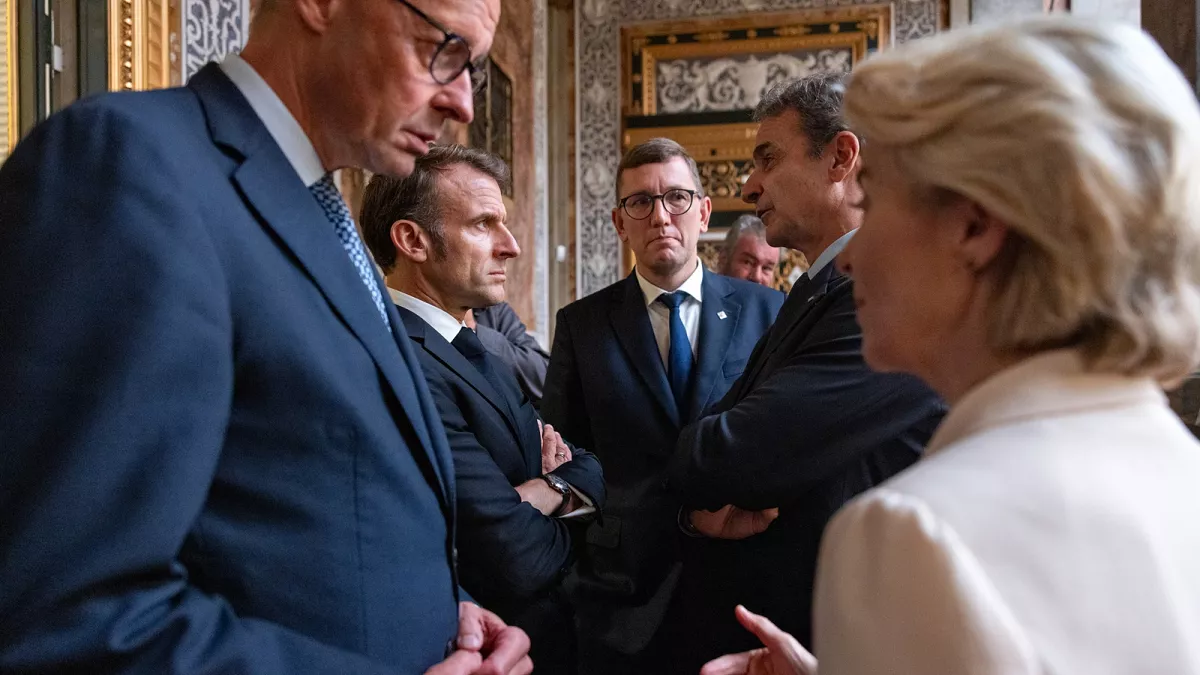
EU leaders are preparing to take unprecedented steps at a summit to use frozen Russian assets to fund Ukraine's economic and military needs, including proposing a 90 billion-euro reparations loan, amidst legal and political challenges and concerns over trust and precedents.
The EU is considering a controversial plan to use frozen Russian assets to issue a €140 billion loan to Ukraine, aiming to support its economy and resistance, but faces legal, political, and logistical challenges, including potential vetoes and international law concerns.
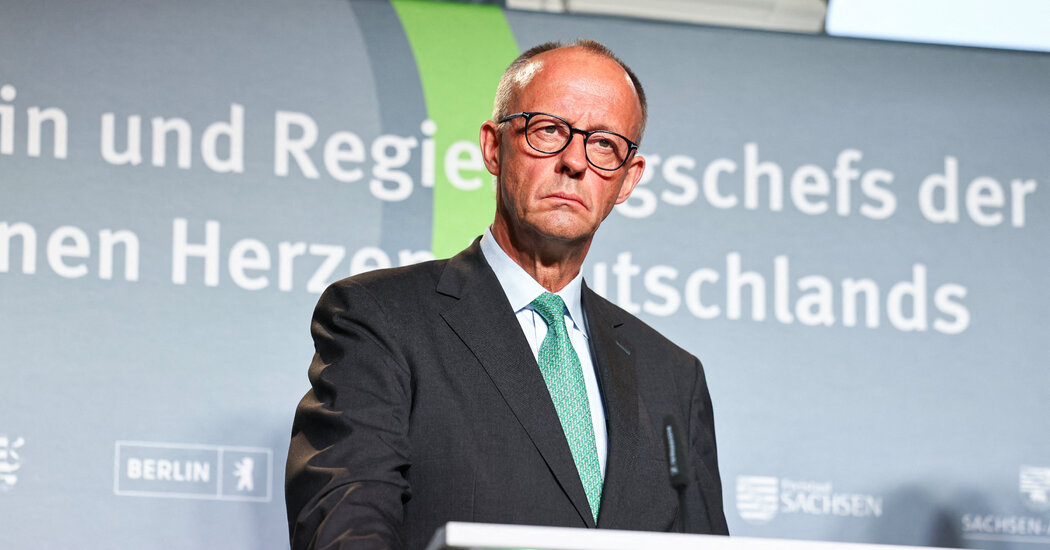
European leaders, including Germany's Chancellor Friedrich Merz, are considering using frozen Russian assets as collateral to fund a $160 billion interest-free loan to Ukraine, aiming to bolster Ukraine's resilience and pressure Russia into negotiations, though the plan involves complex legal and political challenges.
The Economist/YouGov poll from August 2025 shows record low approval for Trump, Democratic congressional lead, mixed American opinions on the Israel-Gaza conflict, increased support for military aid to Ukraine, and divided views on university fines imposed by the Trump administration, reflecting complex and evolving public sentiments on key issues.
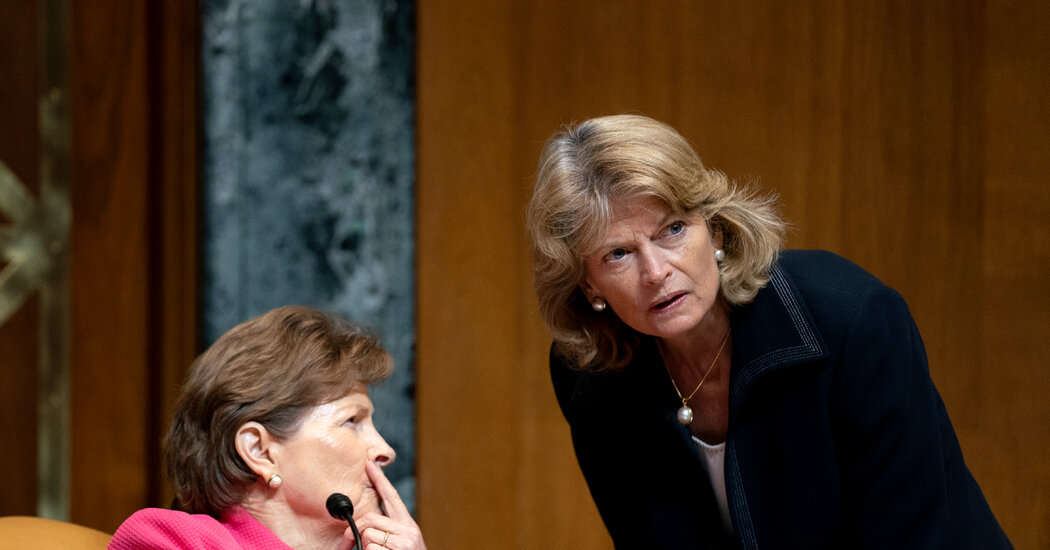
A bipartisan group of US senators has proposed a $54.6 billion aid package for Ukraine, including weapons and resources, amid ongoing conflict with Russia, though its passage faces significant opposition in Congress, especially from Republicans aligned with former President Trump.
The Senate Appropriations Committee is proposing a significant increase in military aid to Ukraine, including $800 million in support, signaling a shift in U.S. policy and bipartisan backing for Ukraine amidst changing attitudes following Trump's evolving stance on the Russia-Ukraine war.
The US Senate Armed Services Committee has approved $500 million in security assistance for Ukraine in the draft 2026 NDAA, amid reports that President Trump may announce a new aid package of $500 million, as tensions with Russia and internal US political debates continue over support for Ukraine.
The Senate Armed Services Committee approved a $500 million security aid package for Ukraine through 2028 as part of the Fiscal Year 2026 NDAA, which also restricts the retirement of A-10 aircraft and addresses global security threats, emphasizing technological advancements. The bill is set to proceed through legislative processes in the coming months.
Originally Published 6 months ago — by Rolling Stone
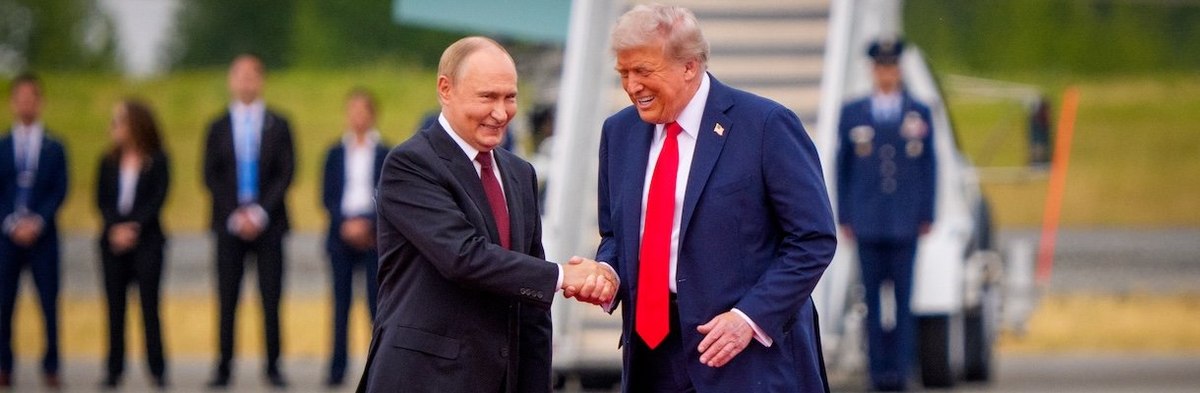
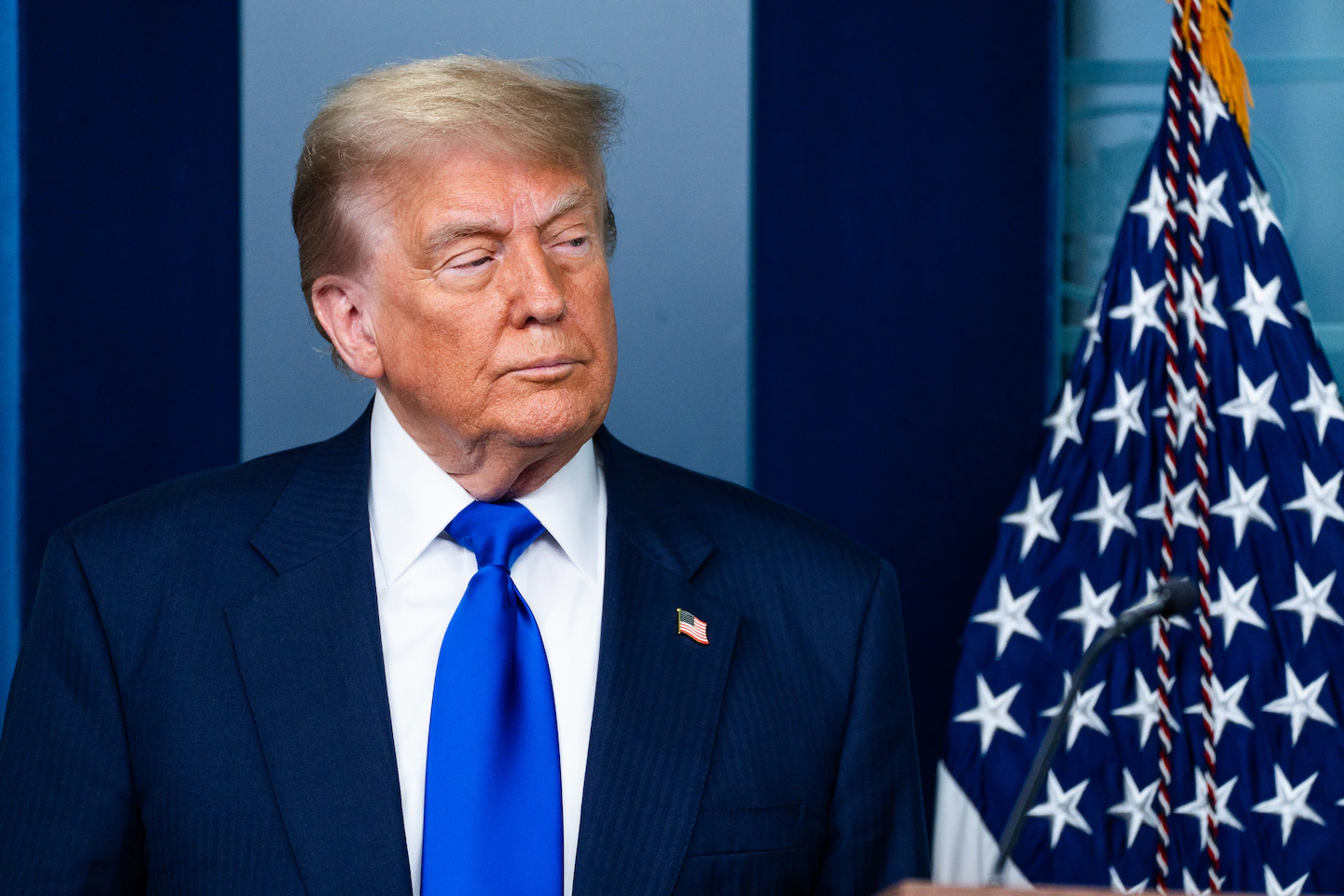
Donald Trump has adopted a pattern of responding with 'I don’t know' when asked about various controversial or complex issues during his presidency, including the pause on military aid to Ukraine, deportations, and legal matters, reflecting a tendency to pass the buck on critical decisions and accountability.
Senator Mitch McConnell praised Trump for resuming military aid to Ukraine and criticized isolationist factions, emphasizing the importance of U.S. credibility and military funding amid ongoing conflicts and policy debates.
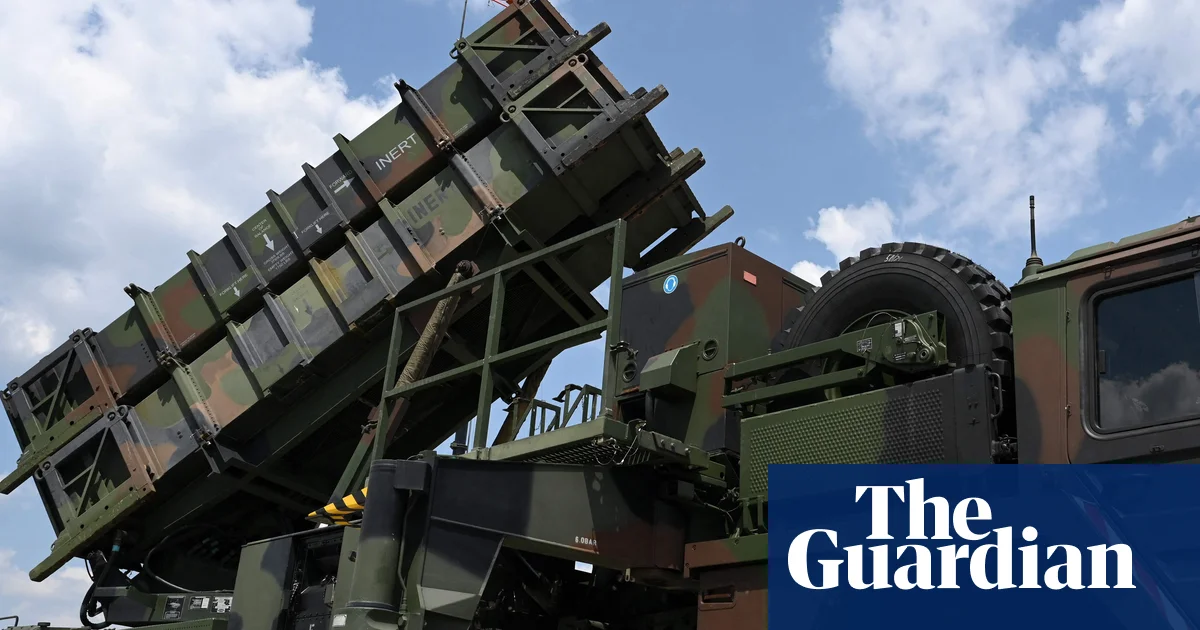
The US has only 25% of the Patriot missile interceptors needed for its military plans due to recent high usage, leading to a halt in transfers to Ukraine, though this decision was partially reversed by Trump amid ongoing tensions and military needs.
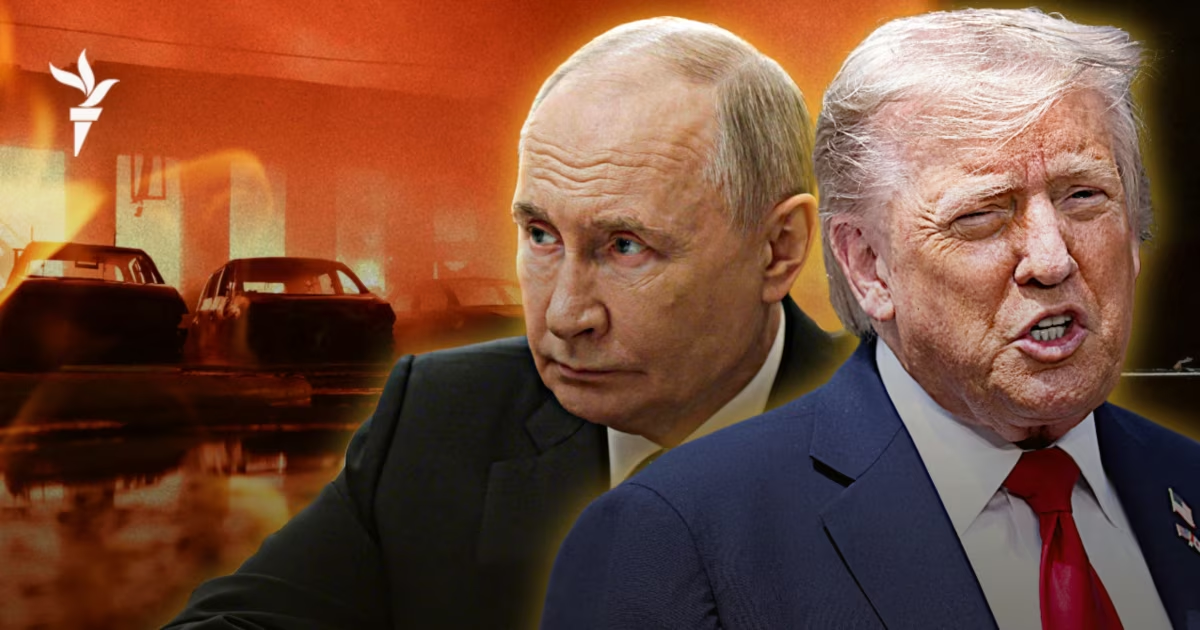
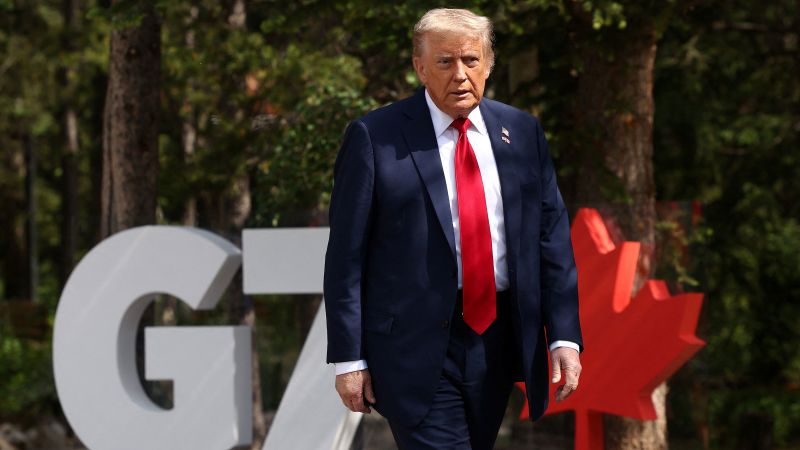
During the G7 summit in Canada, President Trump made multiple false claims, including blaming Trudeau for Russia's expulsion from the G8, misrepresenting UK trade deals, exaggerating aid to Ukraine, and overstating the number of migrants allowed into the US under Biden.