A bipartisan group of US senators has proposed a $54.6 billion aid package for Ukraine, including weapons and resources, amid ongoing conflict with Russia, though its passage faces significant opposition in Congress, especially from Republicans aligned with former President Trump.
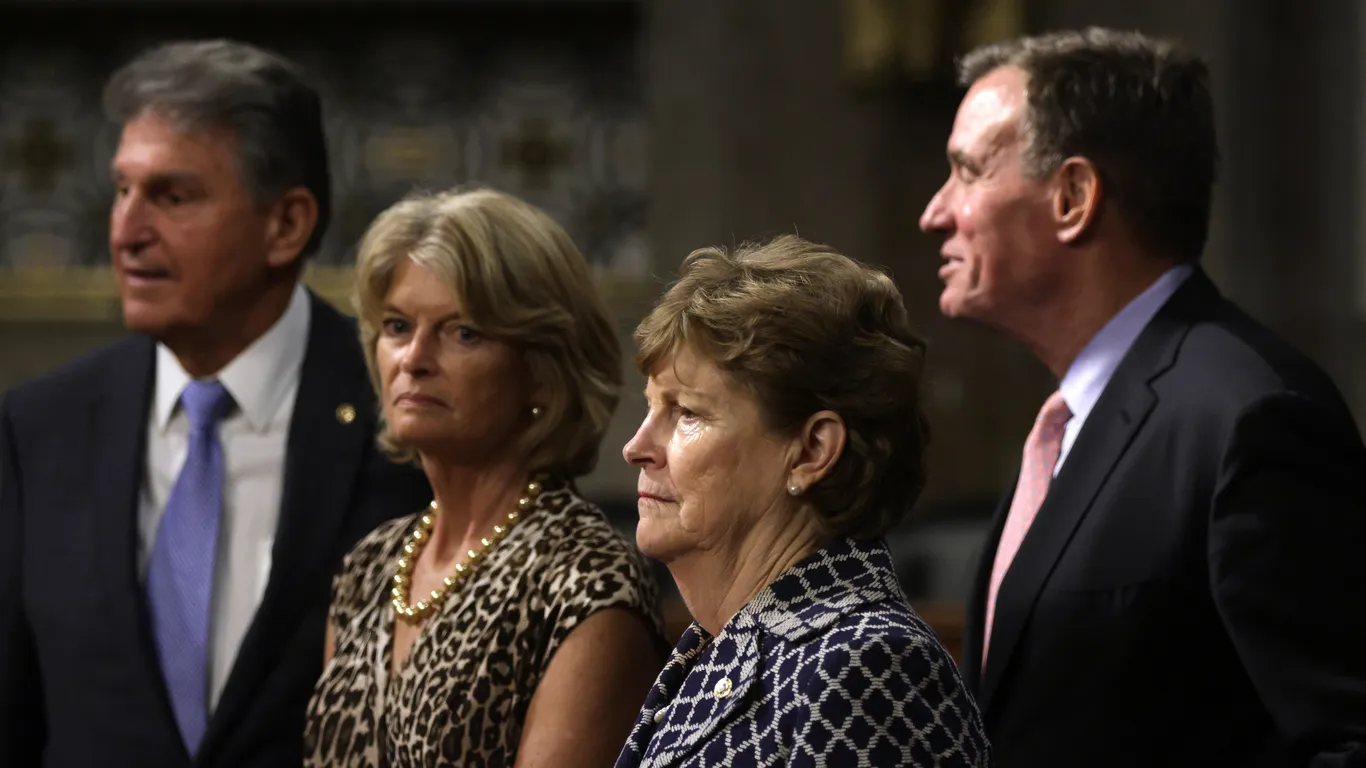
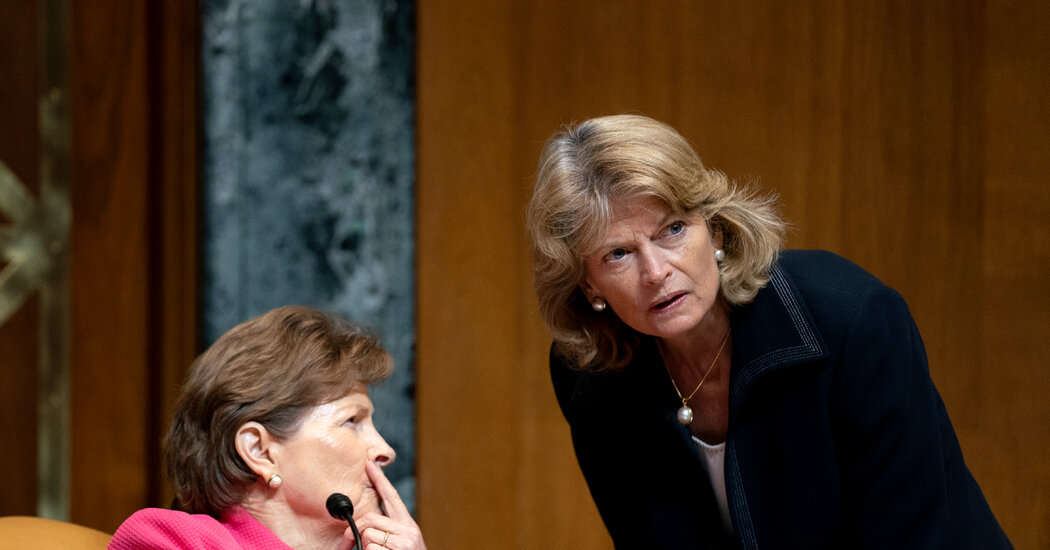
Senators Jeanne Shaheen and Lisa Murkowski have introduced legislation to allocate an additional $54.6 billion in aid to Ukraine, aiming to secure military support amid ongoing conflict and pressure on President Trump to impose new sanctions on Russia, with some funds potentially offset by frozen Russian assets.
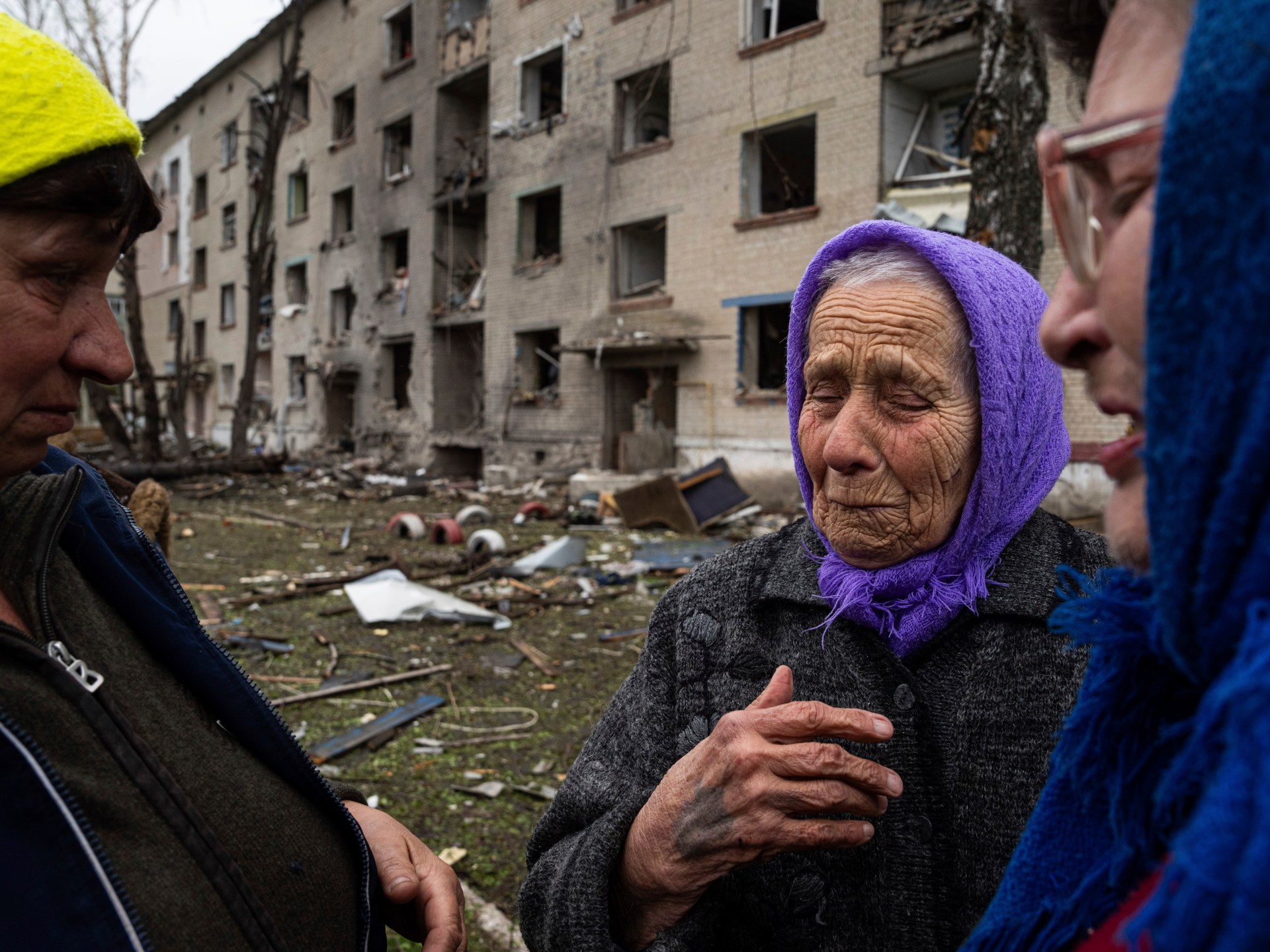
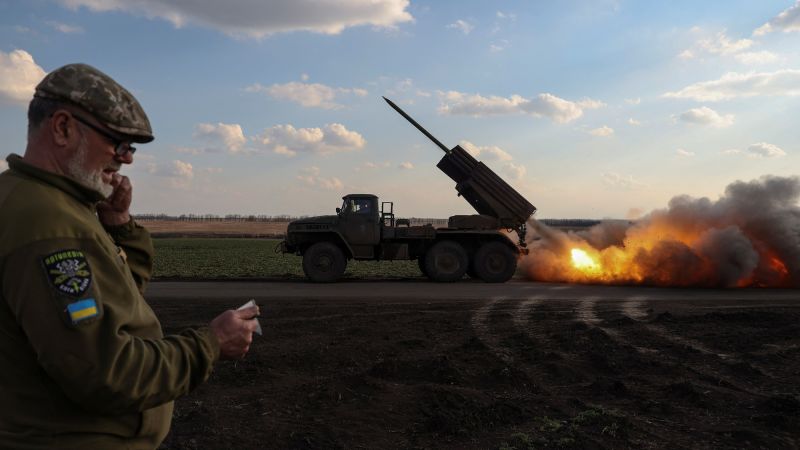
Russian forces conducted a combined missile and drone attack on Ukraine, increasing missile density and targeting densely populated cities as part of cognitive warfare, while Ukraine receives Western military aid including Patriot and IRIS-T air defense systems. Ukrainian forces have made recent advances in northern Sumy Oblast and near Velykyi Burluk, amidst ongoing Russian offensives across multiple sectors in eastern and southern Ukraine.
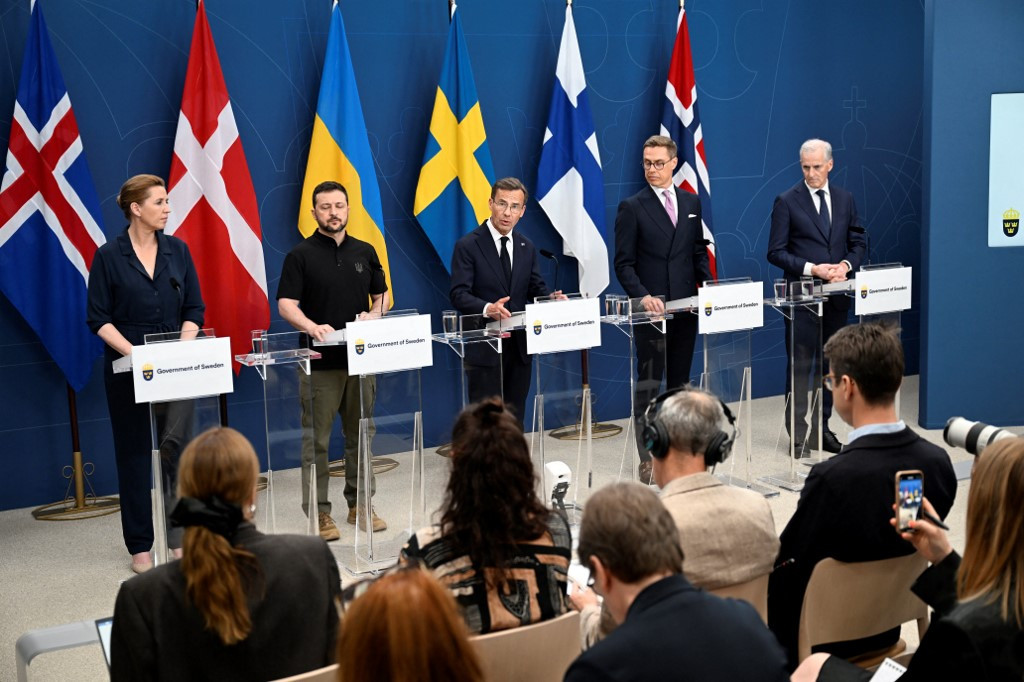
Ukraine has signed bilateral security agreements with Sweden, Norway, and Iceland, marking significant support from Nordic countries. Sweden will provide €6.5 billion in military assistance over 2024-26, Norway will continue extensive support through the Nansen Support Program, including F-16 jets and training, and Iceland has committed additional economic and humanitarian aid.
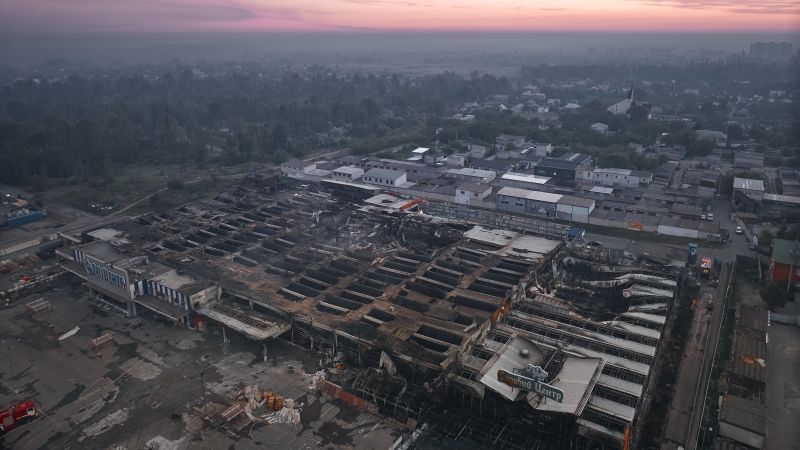
A Russian airstrike on a megastore in Kharkiv killed 18 people, including a 12-year-old girl, and injured 48 others, marking the deadliest attack in Ukraine in weeks. Ukrainian President Zelensky condemned the attack and called for more air defenses from allies. Spain announced a $1.08 billion weapons deal to support Ukraine, while the U.S. pledged $275 million in military aid. Discussions about French military trainers in Ukraine are ongoing.
On day 783 of the Russia-Ukraine war, Ukraine's Air Force destroyed nine Russian drones, while a US-based think tank warned of Ukrainian troop vulnerabilities due to delays in US military assistance. Ukrainian President Zelenskyy signed a new mobilisation bill to address troop shortages, and Ukraine's Human Rights Commissioner highlighted nearly 37,000 people unaccounted for since the invasion began. German Chancellor Scholz urged China to pressure Russia for peace, while a Ukrainian man filed a war crimes case in Argentina. Russia's FSB detained a man accused of attempting to kill a former Ukrainian security officer in Moscow, and Ukraine faced a shortage of defensive weapons to protect a key power plant.
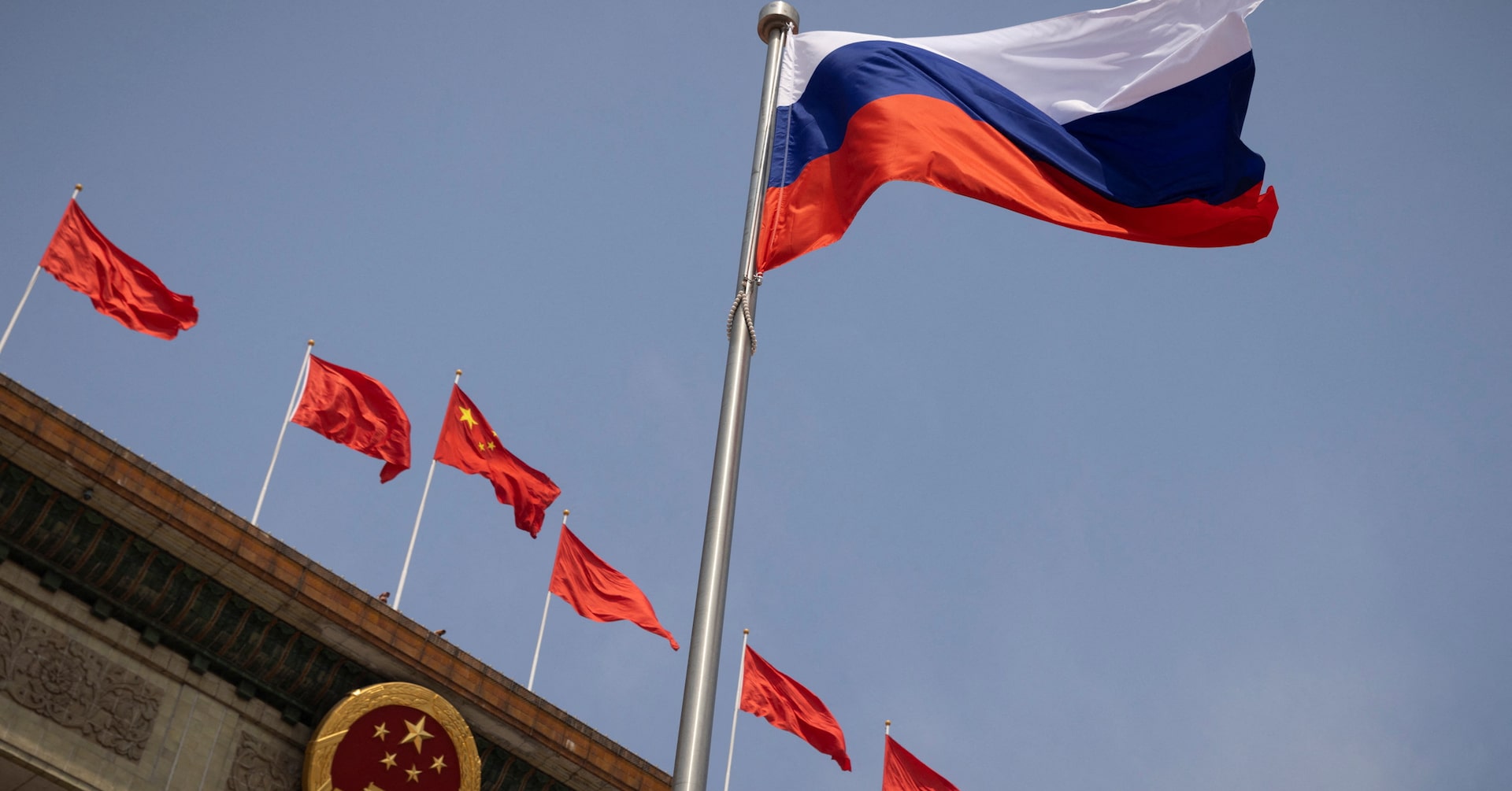
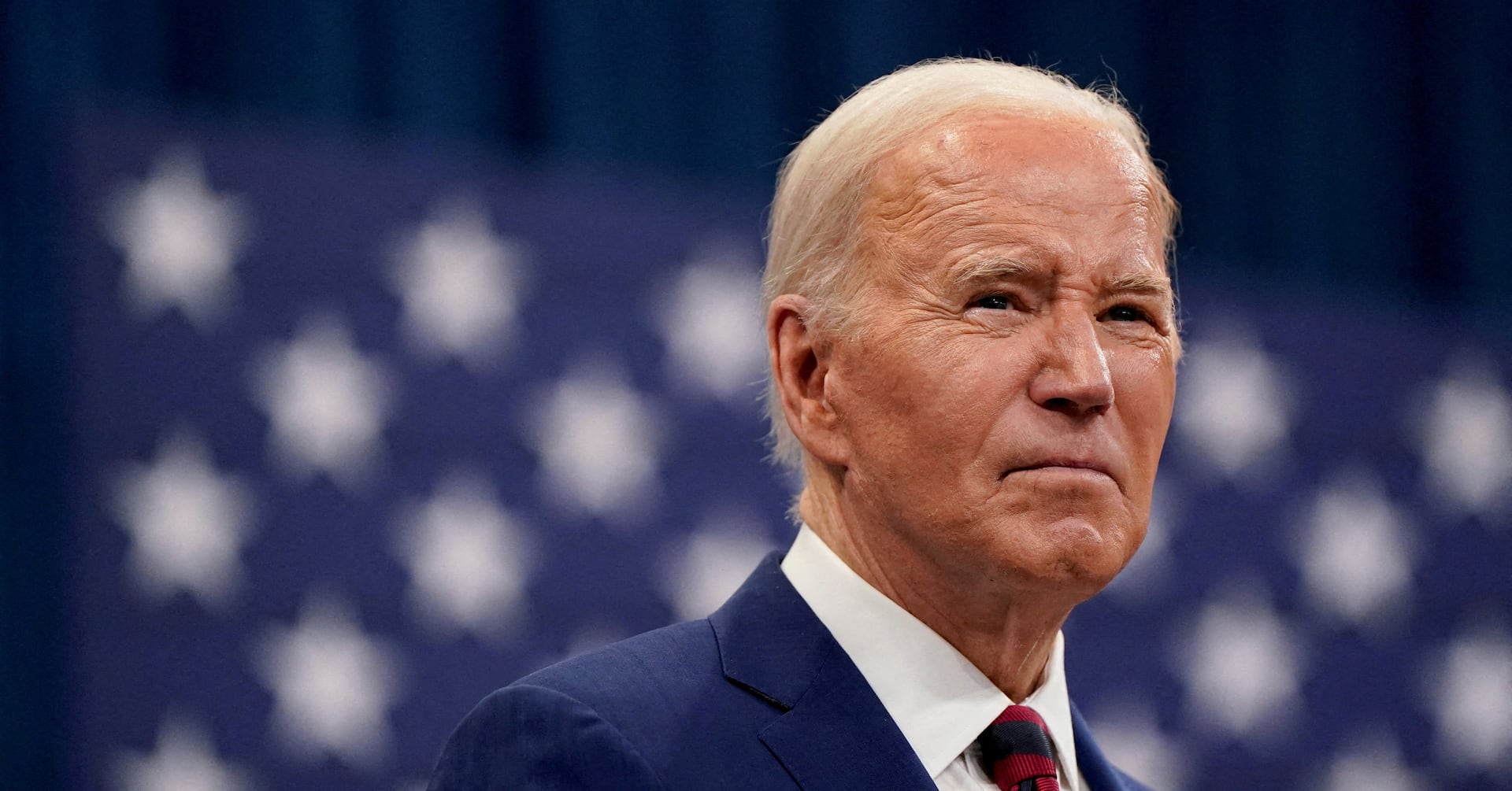
The US officials claim that China is aiding Russia's military efforts in Ukraine by providing drone and missile technology, satellite imagery, machine tools, and other critical materials, which are crucial for Russia's defense production. President Biden has raised this issue with Chinese President Xi Jinping, and the US is pressuring China to cease its support for Russia. China denies providing lethal assistance and urges the US to refrain from interfering in its trade relationship with Russia. The US and its allies are also confronting Chinese aggression in the South China Sea and against Taiwan.
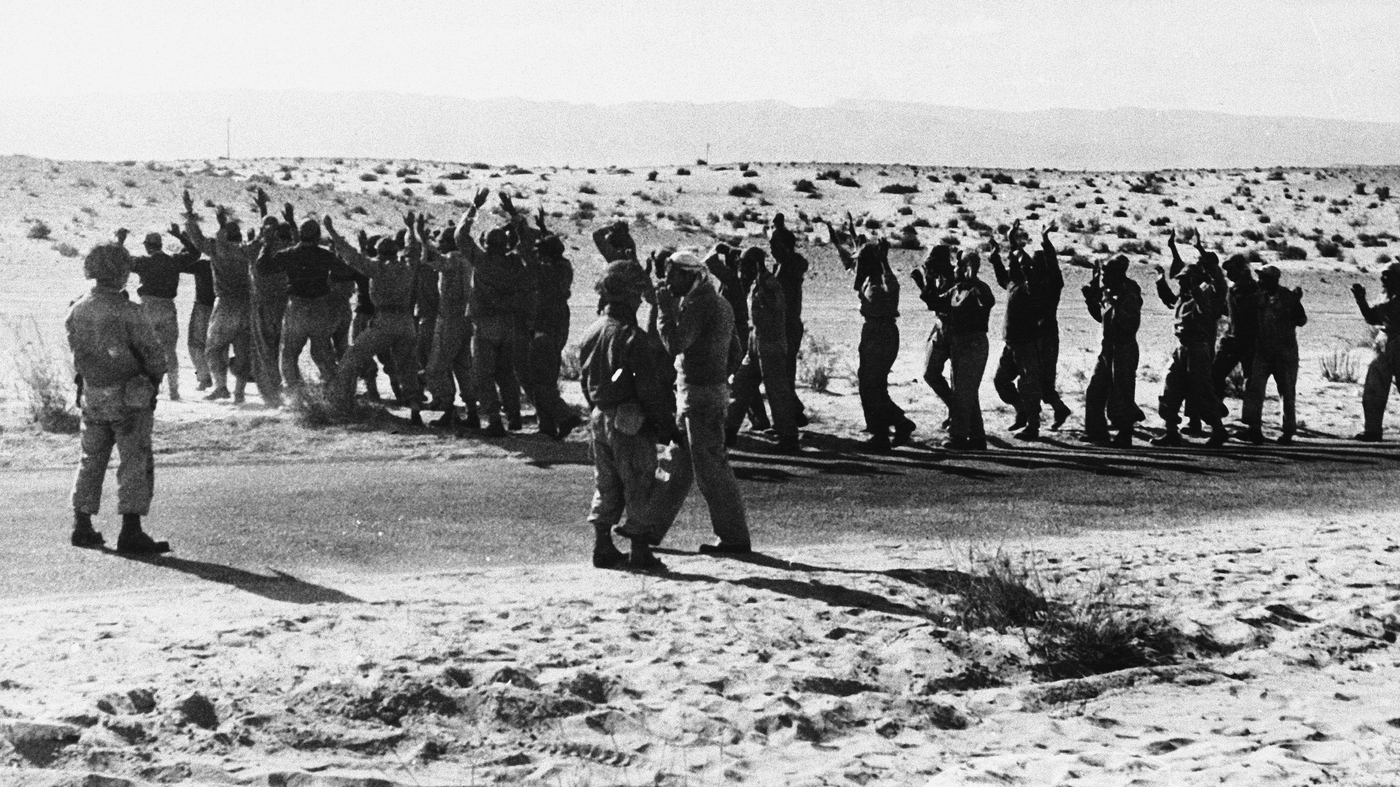
The strained U.S.-Israel relations over Gaza are not new, with historical disagreements dating back to 1956 when U.S. President Dwight Eisenhower intervened to end Israel's military operations in the Gaza Strip. Currently, President Biden supports Israel in its conflict with Hamas but warns against a military offensive in Rafah. The virtual meeting between top U.S. and Israeli officials did not yield a breakthrough, and there are concerns about the long-term impact on Israel's international legitimacy and American support. The relationship between the two countries has rebounded from past disagreements, but the current situation presents a paradox as Biden proposes military assistance to Israel while criticizing its military operations in Gaza.
The Biden administration is considering an $18 billion arms transfer package to Israel, including the sale of 25 F-15 aircraft from Boeing, with the potential for up to 50 F-15s. The transfer is under review amid pressure to impose conditions on arms transfers due to Israel's military campaign in Gaza. The package also includes support services, training, maintenance, and sustainment. The administration has expressed support for Israel's F-15 request, and the sale is separate from the $14 billion in annual military assistance to Israel.
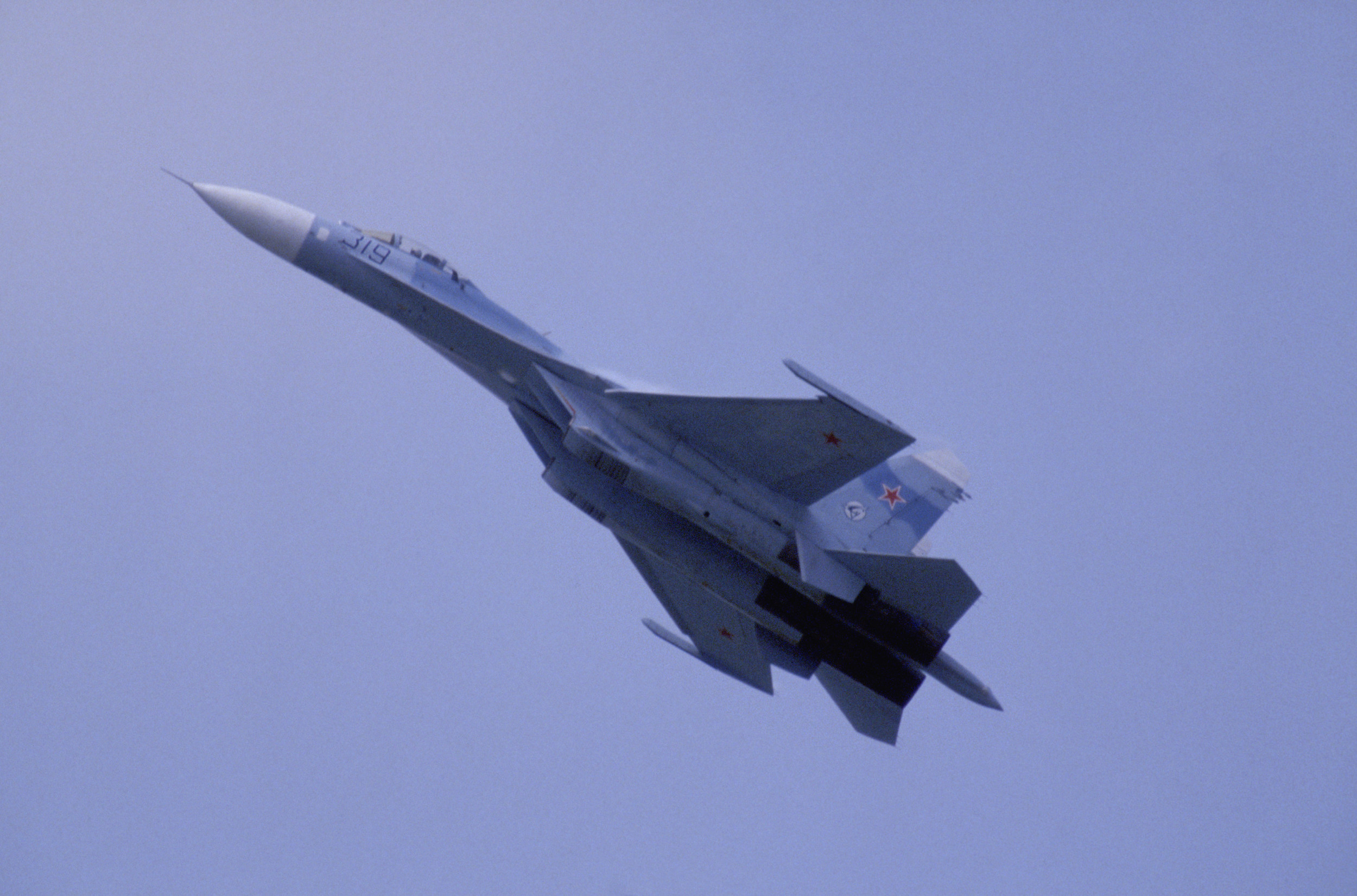
Ukraine claims that Russian forces accidentally shot down one of their own Su-27 fighter jets over Crimea due to a state of heightened combat readiness, with the pilot ejecting safely. This incident comes amid heavy aircraft losses for Russia's Air Force, while Ukraine anticipates a boost in its aviation capabilities with the impending operation of F-16 fighter jets supplied by allies. Russian President Vladimir Putin has warned that these jets would be legitimate targets for Russian pilots, despite dismissing speculation of attacking NATO members.
Ukrainian President Zelensky warns that without US military aid, Ukraine may have to cede more territory to Russia, endangering major cities. The $95 billion international aid package, including $60 billion for Ukraine, is facing hurdles in the House of Representatives. Zelensky emphasizes the urgency of the situation, highlighting the lack of air defense and artillery rounds. Uncertainties remain over the aid bill's form, with Republicans favoring a loan program and Democrats potentially having reservations. Zelensky stresses the need for swift action, as Ukraine scrambles to avoid further retreat and stabilize the frontline situation.
France has requested over 2,000 police officers from 46 countries and "small numbers" of military personnel to bolster security for the upcoming Paris Olympics, amid heightened alert against potential attacks. Security concerns are particularly high for the opening ceremony, with the government increasing its security alert posture to the highest level following recent deadly attacks and Islamic State's claim of responsibility.
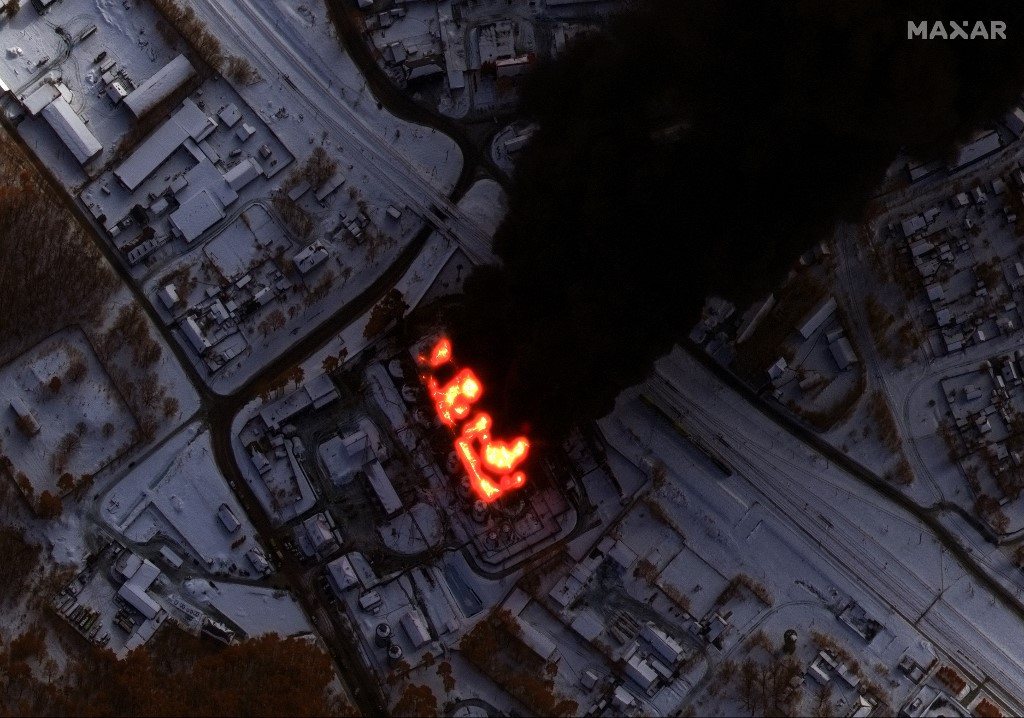
Ukraine's drone strikes on Russian oil refineries have significantly reduced production, leading to Russia suspending oil exports and facing economic challenges. Germany has pledged additional security assistance of €500 million to Ukraine, while a coalition of over 50 countries, including 32 NATO member states, has promised weapons support at the 20th Ramstein meeting. Western sanctions are impacting Russian rail traffic, causing disruptions in shipments. The conflict in Ukraine continues to escalate, with reports of Russian shelling killing civilians in Kharkiv and Ukraine's urgent need for heavy weaponry.
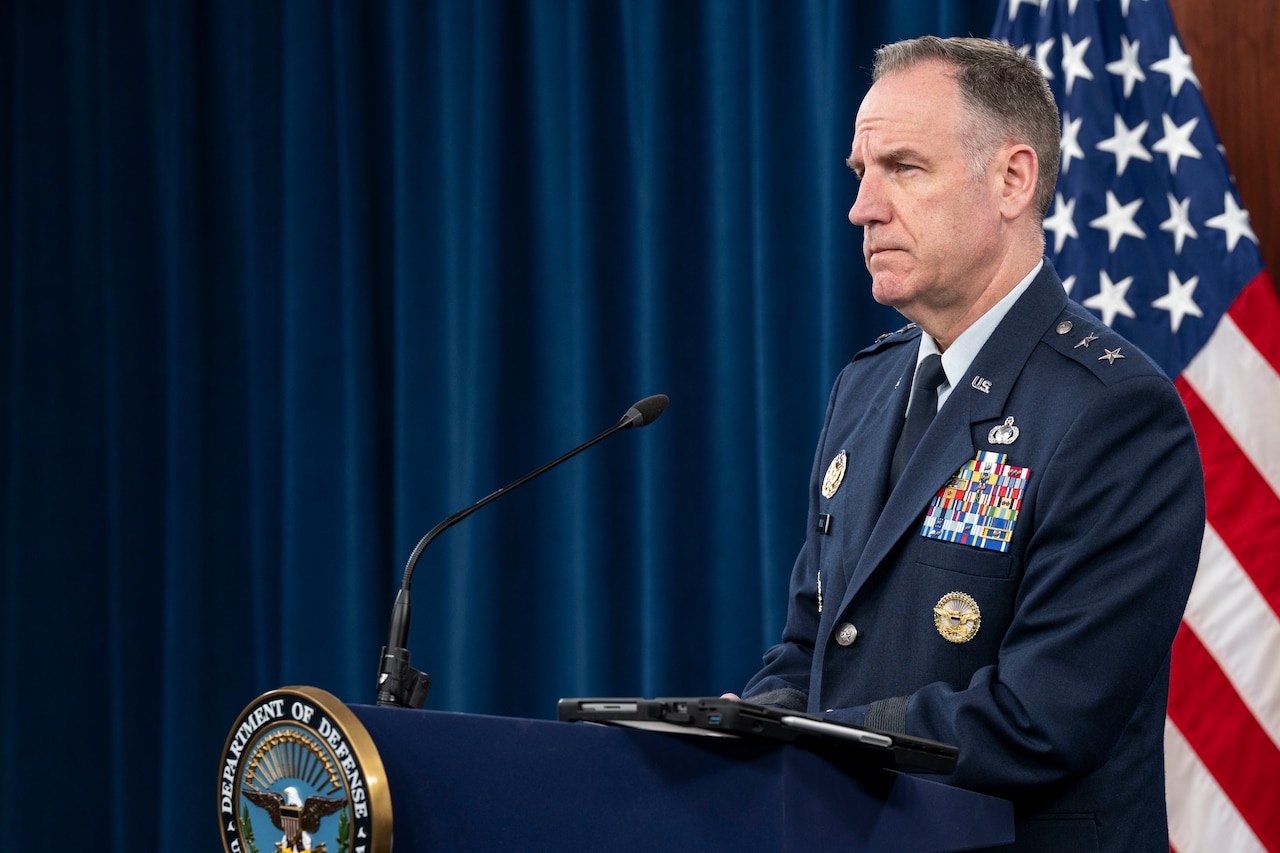
U.S. Army ships are heading to the Eastern Mediterranean to establish a pier for humanitarian aid to Gaza, with plans to deliver about 2 million meals per day. The U.S. is also air-dropping food and supplies to Gaza and providing a $300 million aid package to Ukraine for immediate air defense and anti-tank requirements, with a plea for Congress to swiftly pass a supplemental request to meet Ukraine's battlefield needs.
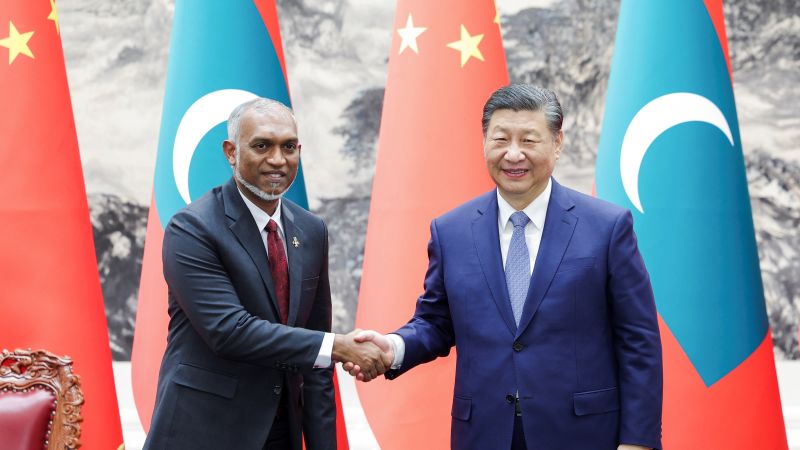
Maldives has signed a military assistance agreement with China, signaling a significant shift in its foreign policy away from India. President Mohamed Muizzu, who campaigned on removing Indian troops from the country, has been working to strengthen ties with China since taking office. The move comes amid a geopolitical tussle between India and China for influence in the strategically important Indian Ocean region. The agreement with China follows a series of cooperation deals, including significant aid for infrastructure and housing projects, signed during Muizzu's state visit to Beijing in January.