Monotype explores the potential of AI to revolutionize typography by enabling adaptive, emotionally responsive fonts and streamlining design processes, but experts remain cautious about AI's impact on creative control and the future of design workflows, drawing parallels to historical industrialization debates and the dot-com bubble.
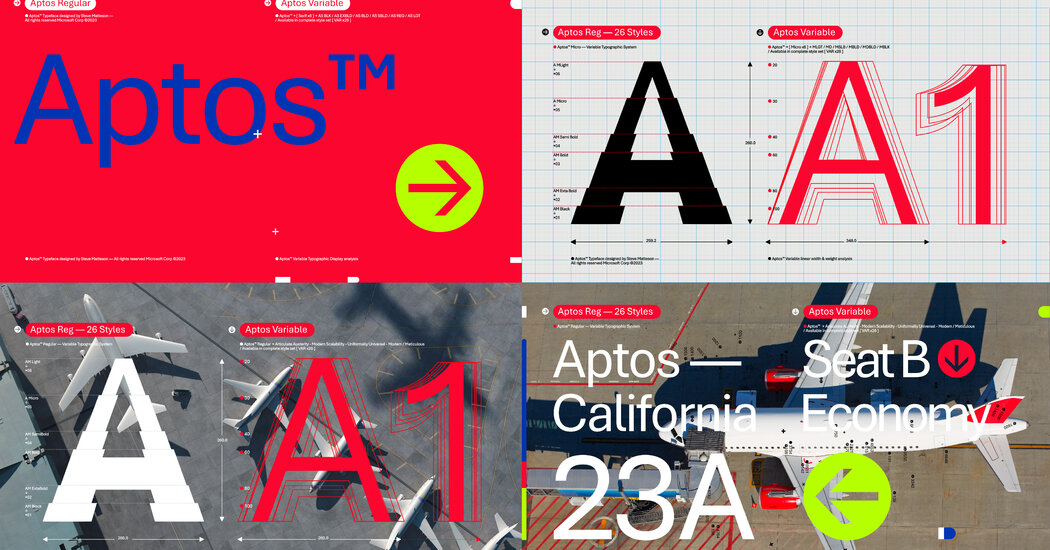
Microsoft Word has changed its default typeface from Calibri to Aptos after 17 years, affecting the look of PowerPoint, Outlook, and Excel. The change, while subtle for many users, has excited typography enthusiasts. The decision to switch was driven by a desire to bring something new and fresh designed for the modern era of computing, according to Jon Friedman, Microsoft's corporate vice president for design and research.
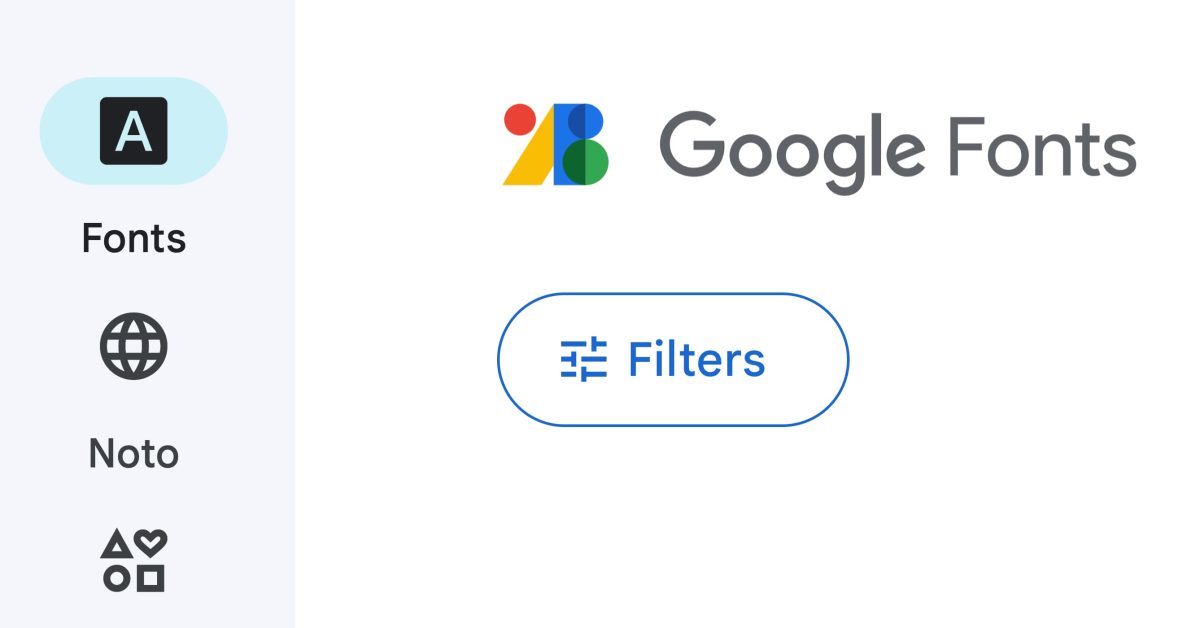
Google Fonts has undergone a Material 3 redesign on its mobile web platform, showcasing the design language's features. The update includes a navigation rail on desktop and a bottom bar on mobile, with five tabs for Fonts, Noto, Icons, Knowledge, and FAQ. The redesign offers an improved search experience, customizable font options, and a library of typography guides. The website features a light/dark theme and accentuates blue as the accent color.
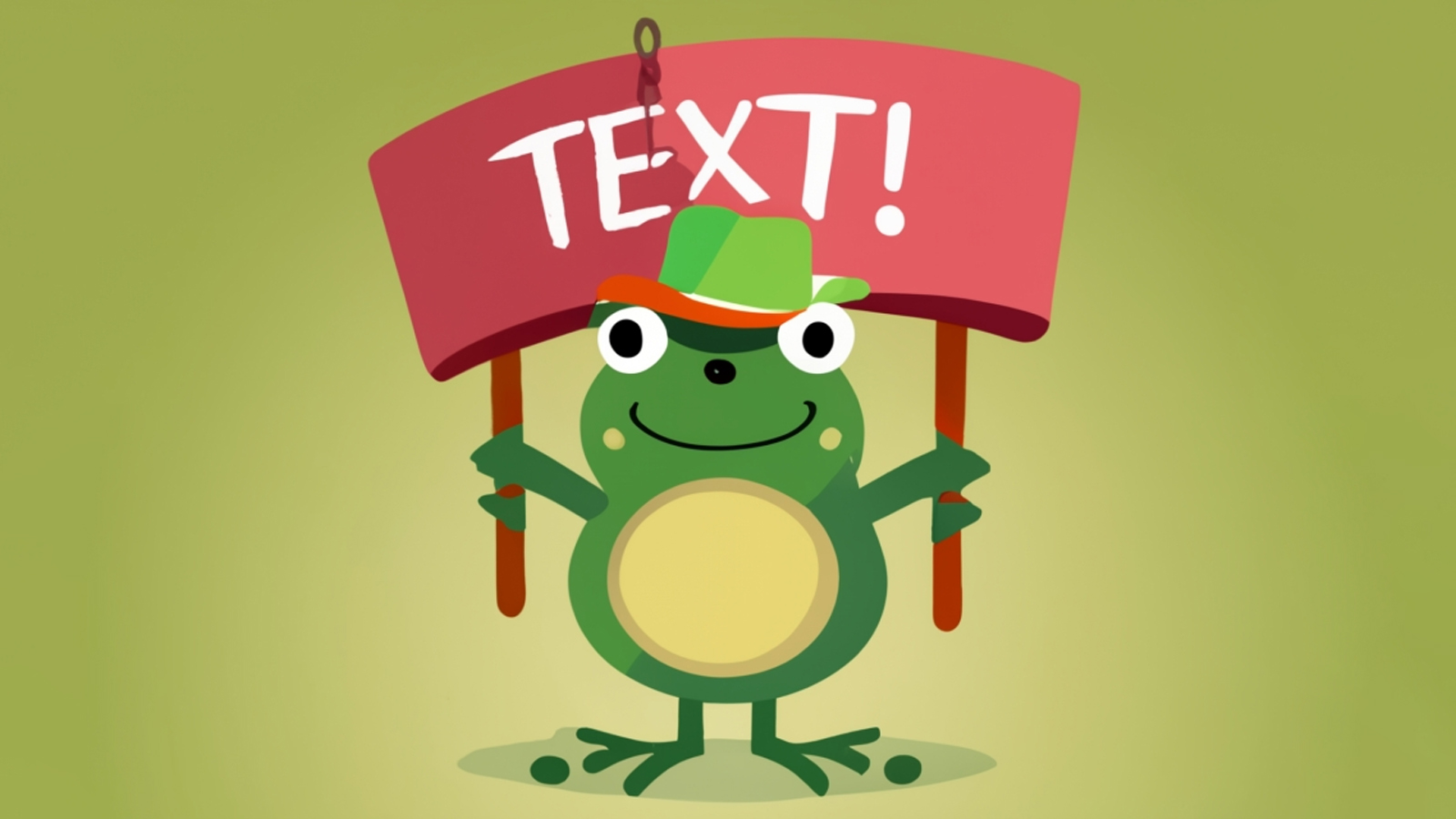
Ideogram, a new AI image generator, has shown promising results in generating clear and readable text in images, unlike its competitors. While other generators struggle with rendering text, Ideogram's AI can produce typography and logos effectively. However, it still has room for improvement as it sometimes produces mistakes or gibberish. The AI is particularly proficient with short phrases but struggles with longer ones. Ideogram recently launched and is currently available to the public, with potential monetization in the future.