Microsoft Word on Windows is changing its default save location to automatically save new documents to OneDrive or another cloud destination, offering benefits like access anywhere and collaboration, but users can opt to save locally by adjusting settings in Word options.
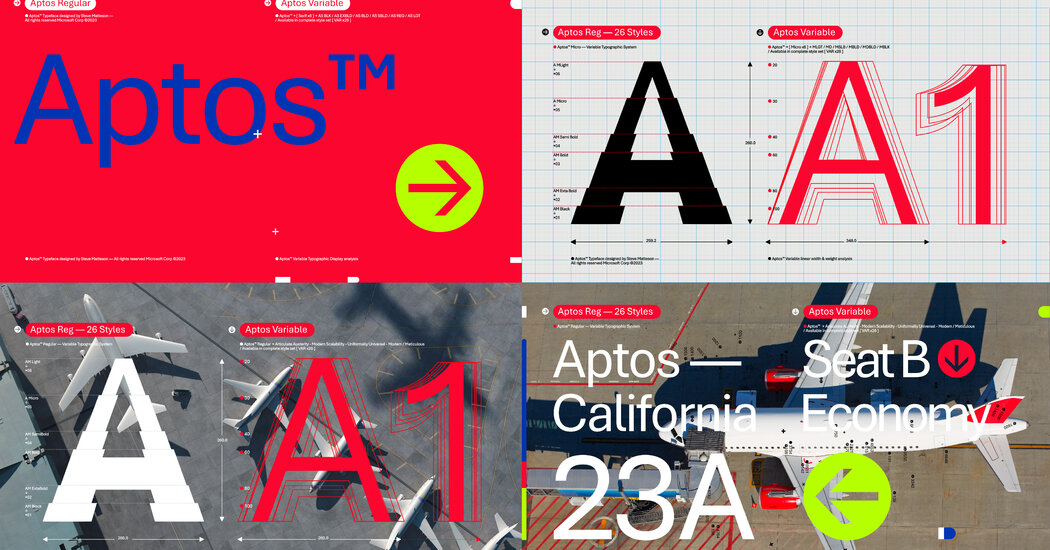
Microsoft Word has changed its default typeface from Calibri to Aptos after 17 years, affecting the look of PowerPoint, Outlook, and Excel. The change, while subtle for many users, has excited typography enthusiasts. The decision to switch was driven by a desire to bring something new and fresh designed for the modern era of computing, according to Jon Friedman, Microsoft's corporate vice president for design and research.
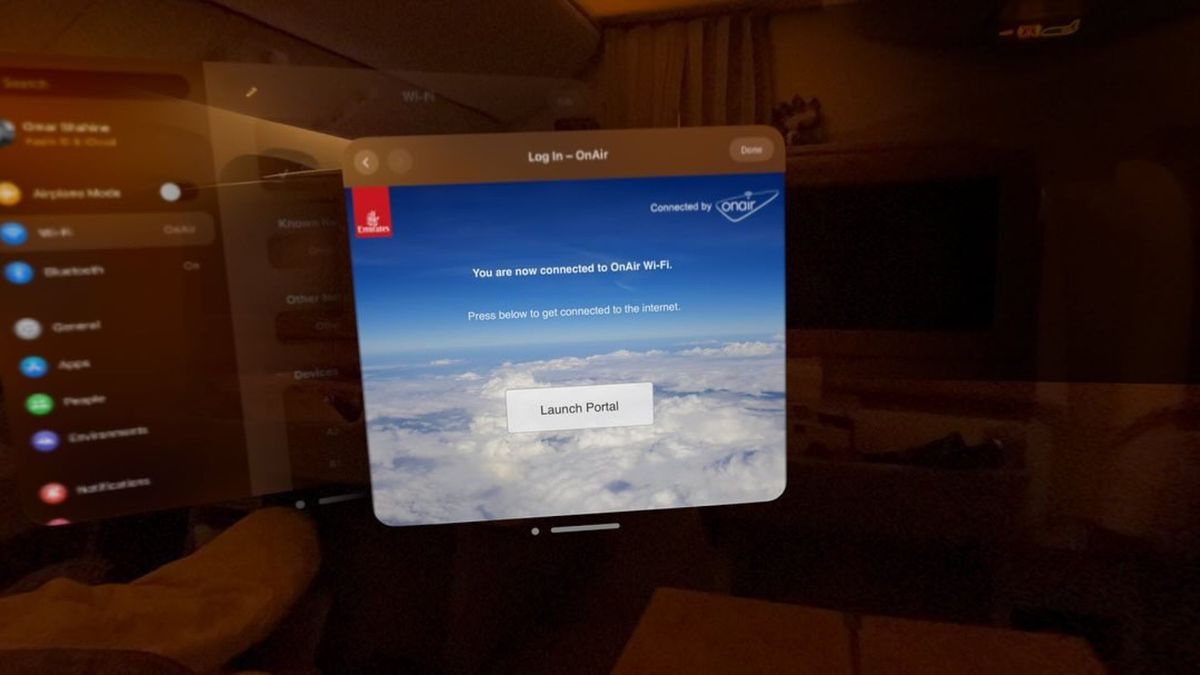
Microsoft Word lead, Omar Shahine, praises Apple's Vision Pro headset for its immersive experience, superior to in-flight entertainment, but notes discomfort from its weight and strain on the eyes. Despite concerns, the $3,499 headset has seen strong pre-order sales and positive user experiences. Comparisons with Microsoft's HoloLens and XREAL's Air 2 Ultra highlight the evolving AR/VR landscape, with potential for Microsoft to introduce a more consumer-friendly HoloLens 3 in the future.
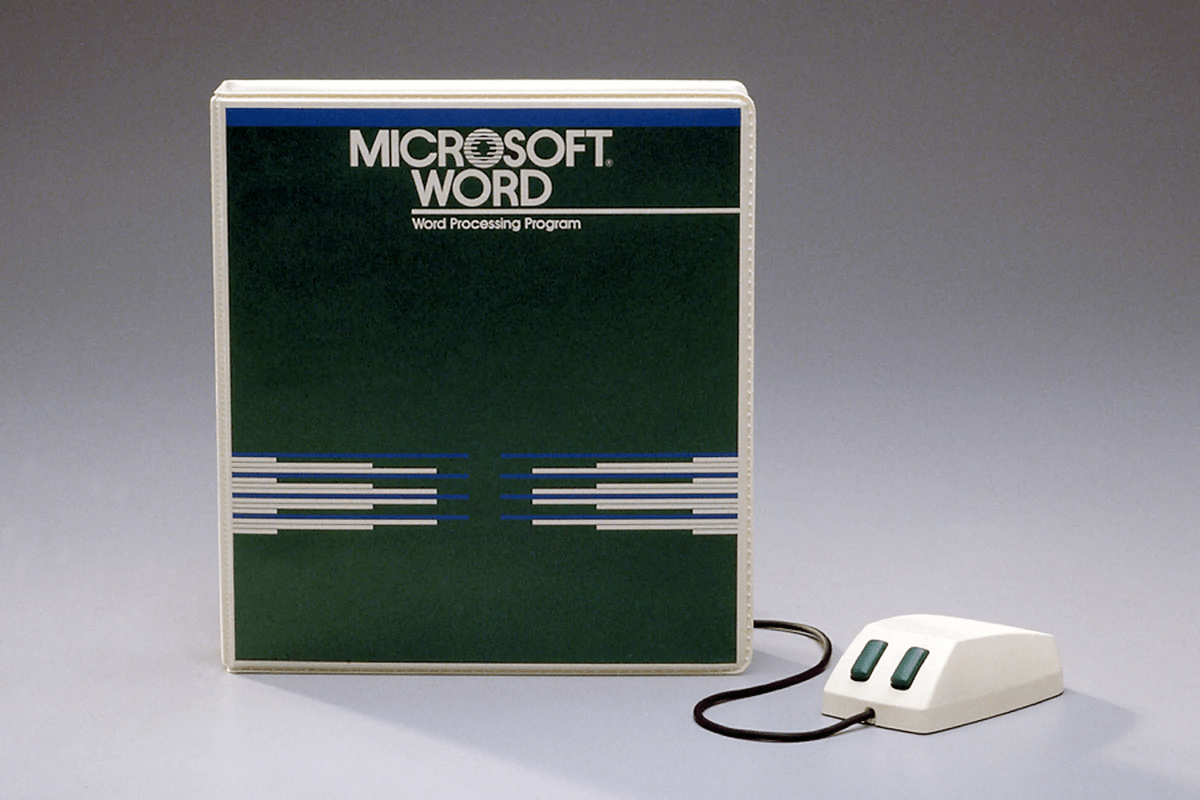
Microsoft Word celebrates its 40th anniversary. Despite not being the first word processor and lacking pioneering features, Word's simple design choices made it accessible to a global audience. Its "What You See is What You Get" (WYSIWYG) design philosophy revolutionized typeset-quality printing and the use of templates. Word's release for Windows, three to four years after the Mac edition, contributed to the downfall of WordPerfect.
As Microsoft Word celebrates its 40th anniversary, its influence on language and communication evolution is explored. While Word was not the first word processor, its smart design choices made features like grammar tools and track changes accessible to a global audience. Word's templates standardized formatting in communications, contributing to professional conformity and the establishment of English as the global language of business. However, Word's spell-checker, grammar features, autocorrect, and predictive text promote uniformity and can unintentionally stifle unique voices and expressions. The software's standardization of language can also marginalize regional nuance and influence the dominance of American-English. While Word has improved accessibility and diversity in writing, there are concerns that an over-reliance on automation, particularly with the integration of AI, may hinder linguistic and written skills. The impact of Word on language and society will continue to evolve in the coming years.
Google Docs now allows users to automatically add line numbers to their documents, making it easier for legal professionals and others to reference specific sections. This feature eliminates the need for third-party extensions or workarounds like creating tables. Google has been adding several small but useful features to Docs recently, including alt text and non-printing character viewing. Microsoft Word has supported line numbers for some time, so this update brings Google Docs in line with its competitor.
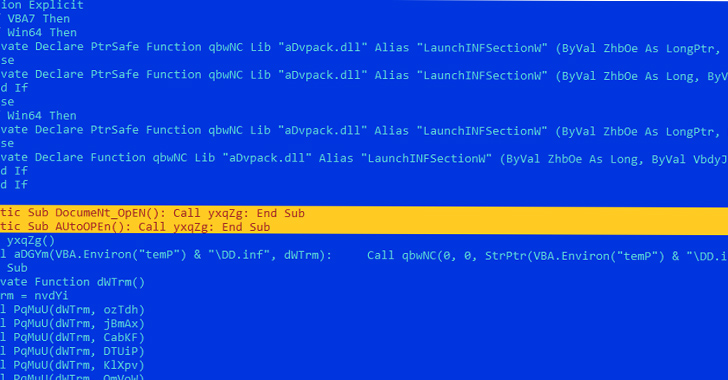
Cybercriminals are exploiting vulnerabilities in Microsoft Word to distribute LokiBot malware. The attacks use phishing lures in Word documents, taking advantage of known remote code execution flaws (CVE-2021-40444 and CVE-2022-30190). LokiBot is an information-stealing Trojan that primarily targets Windows systems, aiming to gather sensitive data. The malware is delivered through an HTML file that exploits the vulnerabilities and launches an injector module written in Visual Basic. LokiBot has the ability to log keystrokes, capture screenshots, steal login credentials, and extract data from cryptocurrency wallets. The attackers continuously update their methods to spread and infect systems.