The article highlights 13 celebrities who have publicly shared their experiences with diabetes, aiming to raise awareness and support for those diagnosed with the condition. It explains the different types of diabetes, including type 1, type 2, gestational, and type 1.5 (LADA), and discusses how these celebrities have managed their health challenges, misdiagnoses, and lifestyle changes. Their stories serve to empower others facing similar health issues.
A recent study published in Nature Communications Medicine reveals that 42% of U.S. adults have some form of fatty liver disease, with Hispanic adults being particularly affected. The research, led by Dr. Juan Pablo Arab, attributes the rise to factors like obesity and Type 2 diabetes. The study highlights the prevalence of metabolic dysfunction-associated steatotic liver disease (MASLD), which affects 42% of adults, compared to lower rates for alcohol-associated liver disease (ALD) and MetALD. The findings emphasize the need for targeted health interventions, especially in high-risk communities.
Many individuals diagnosed with Type 2 diabetes may actually have latent autoimmune diabetes of adults (LADA), a condition that is often misdiagnosed due to similarities in symptoms. LADA is an autoimmune disease akin to Type 1 diabetes and requires different treatment, including insulin injections. Misdiagnosis can lead to ineffective treatment and delayed proper care. The misdiagnosis issue may be exacerbated by implicit biases in healthcare, particularly affecting African American patients and other minoritized groups. Proper diagnosis can be confirmed through blood tests for antibodies, but these tests are not always conducted, leading to prolonged periods of mismanagement and potential health risks.
A study funded by the NIH has found that semaglutide, a medication used to treat obesity and type 2 diabetes, is associated with a significantly lower risk of suicidal ideation compared to other treatments. The research, which analyzed electronic health records, showed a 49% to 73% lower risk for patients treated with semaglutide. These findings counter anecdotal reports suggesting a potential increase in suicidal thoughts among users of the drug. The study emphasizes the need for further investigation into the long-term effects of semaglutide on mental health and suicide attempts.
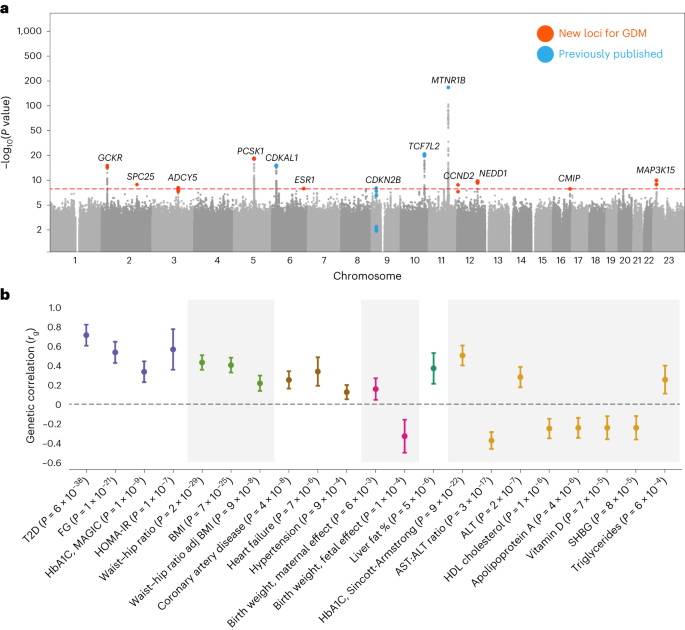
A comprehensive genome-wide association study (GWAS) on Finnish women has nearly tripled the known genetic loci associated with gestational diabetes mellitus (GDM), identifying 13 distinct chromosomal regions and confirming a partially distinct genetic etiology from type 2 diabetes (T2D). The study found that while GDM shares some genetic predispositions with T2D, it also has unique genetic risk factors predominantly related to gestation. This research enhances the understanding of GDM's genetic underpinnings and suggests potential physiological mechanisms of glycemic control that are specific to pregnancy.
A 90-year-old male experiencing increased urination while on medication for Type 2 diabetes and an enlarged prostate should seek a thorough evaluation to determine the cause, which could be related to high blood sugar levels or prostate enlargement. Additionally, a 62-year-old woman inquires about her diagnosis of lepidic-predominant adenocarcinoma, a subtype of lung cancer, which is less aggressive and can be treated with surgery if detected early and localized.
A study published in the British Journal of Sports Medicine reveals that walking at a brisk pace can significantly lower the risk of type 2 diabetes compared to walking at a casual pace. Brisk walking (3-4 mph) is associated with a 24% lower risk, while striding (over 4 mph) is linked to a 39% lower risk. Additionally, walking for 15 minutes a day can boost immunity and reduce cravings, and 7,000 daily steps can cut the risk of cardiovascular disease by more than half. Walking after meals is particularly beneficial for heart health and blood glucose regulation.
A recent study involving participants from the UK, Japan, and the US has shown that walking faster can significantly reduce the risk of developing Type 2 diabetes. Walking at speeds greater than 1.86mph can lower the risk, with the fastest walkers (above 3.7mph) reducing their risk by 39%. Even a slow stroll offers a 15% lower risk. The study highlights the importance of physical activity intensity, with faster walking leading to better cardiorespiratory fitness, muscle strength, and weight management, all contributing to improved insulin sensitivity. Diabetes UK has endorsed the findings, emphasizing the health benefits of increased physical activity intensity.
A doctor has highlighted a subtle sign of diabetes that can appear on the neck, known as acanthosis nigricans, which is characterized by darkening and thickening of the skin. This condition can also indicate other health issues and is often associated with insulin resistance. While there are dermatological treatments available, the primary focus should be on treating the underlying cause, such as diabetes, to reduce these skin changes. People noticing such signs are advised to consult their GP for proper diagnosis and management.