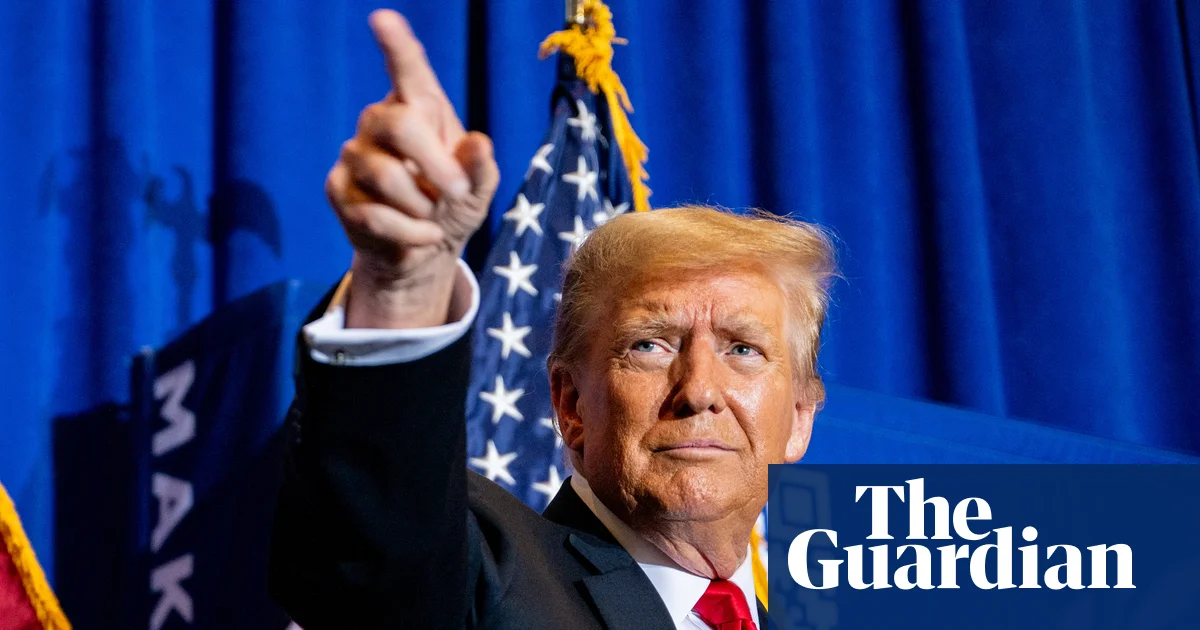
Former Department of Justice officials criticize Donald Trump's claims of "election interference" as a ploy to delay his four pending criminal trials until after the November election, arguing that trial schedules should be immune from political interference. Trump and his lawyers have invoked election interference and presidential immunity in an attempt to postpone trial dates, with some success in pushing back key trial dates. However, former DoJ prosecutors dismiss these claims as fallacious and dangerous, emphasizing the seriousness of the charges and the importance of defending the integrity of the electoral process.
Former President Donald Trump faces 91 criminal charges across four state and federal trials, including financial fraud and conspiring to overturn the 2020 election, with his defenders claiming the prosecution is akin to "election interference," while legal experts see it as a defining moment in the rule of law.
The Trials are set to begin on March 5, offering an adrenaline-fueled challenge in the form of the Gauntlet, a fixed layout, non-linear dungeon that changes weekly. Players can earn Seals and climb the Leaderboards by proving their might and mastering the dungeon. The Gauntlet will feature class balance changes and updates, and players can earn various rewards based on their performance. Leaderboards will be separated by class, party size, and game mode, with the top performers immortalized in the Hall of the Ancients.
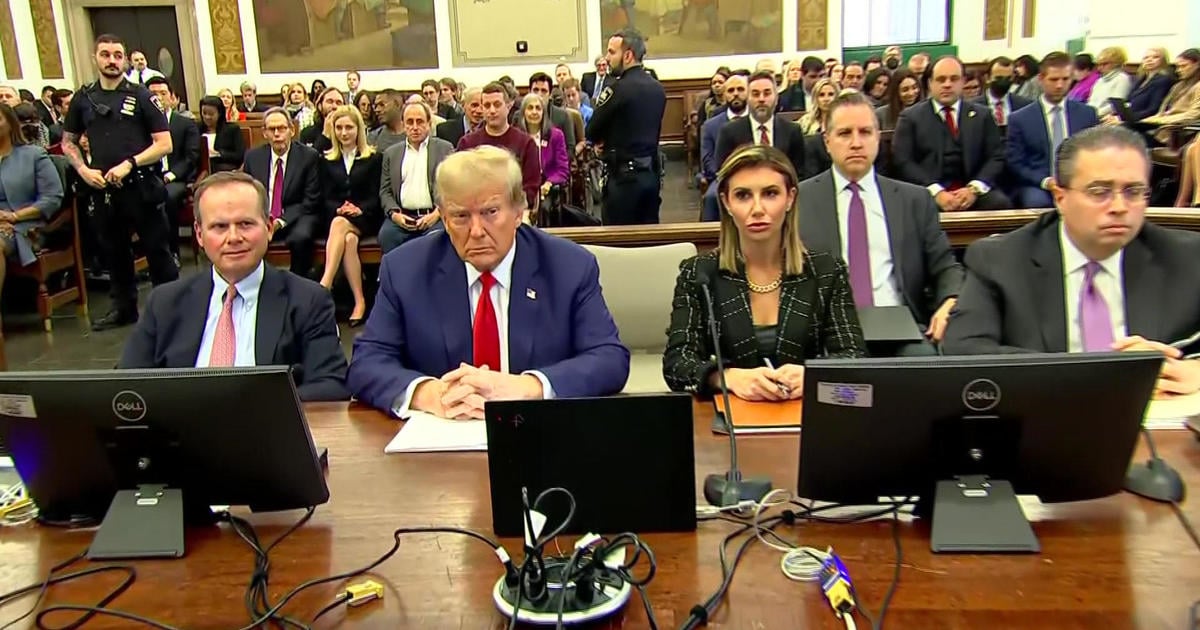
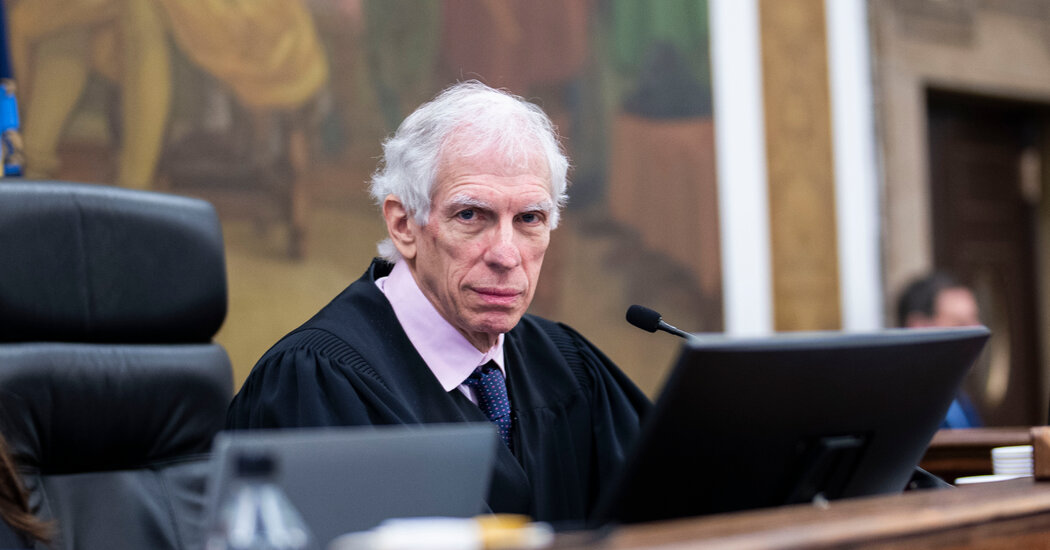
Judges are studying how to rein in Donald Trump's courtroom behavior as he treats trials like rallies, repeatedly making political statements and attacking judges during his civil fraud and defamation trials in New York. The judges' different approaches and results may provide guidance for those set to oversee Trump's potential criminal trials. Trump's appearances in courtrooms and campaign stops are being used for political purposes as he seeks the Republican presidential nomination. The judges are seeking to enforce rules and maintain their authority, with potential consequences for Trump's disruptive behavior.
Judges overseeing Donald Trump's civil fraud and defamation trials have taken different approaches in dealing with his attempts to turn the proceedings into political spectacles. While one judge reluctantly allowed Trump to deliver a closing argument, Trump ignored the restrictions and attacked the judge. Another judge sternly warned Trump about being disruptive in the courtroom, leading to no further complaints from the opposing party. These contrasting approaches may provide guidance for judges overseeing Trump's potential criminal trials, with the emphasis on setting and enforcing rules to prevent Trump from turning the trials into political rallies.
Donald Trump's packed trial schedule has collided with the election calendar as he attends civil defamation trials while also campaigning. His strategy is to draw attention to his legal battles, portraying them as a coordinated attack by anti-Trump forces. Despite facing legal and political costs, including a $5m judgment in a previous trial, Trump's poll numbers have risen. The trial dates and political calendar are aligning, with upcoming decisions expected in the New York state civil fraud trial and the Washington DC federal 6 January trial.
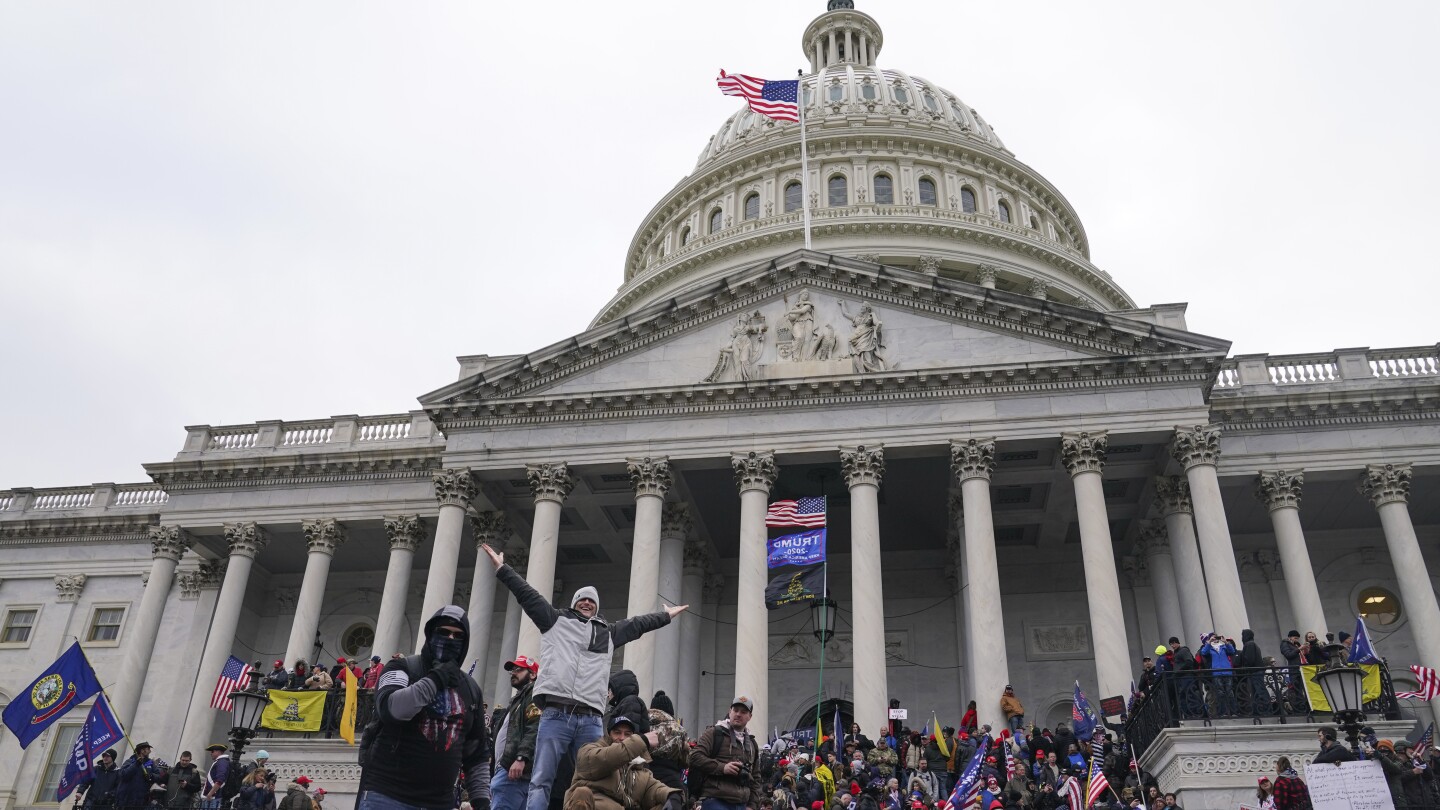
The Associated Press review of court records reveals that Capitol riot defendants who plead guilty receive shorter sentences than those who go to trial, highlighting a broader issue in the U.S. criminal justice system known as the "trial tax." The data shows that those who plead guilty to felonies related to the January 6 attack average sentences about two years shorter than those convicted at trial. This trend is consistent across both felony and misdemeanor cases. Advocates for reform argue that the plea bargaining process can be coercive and may unfairly penalize those who exercise their right to a trial. The article also discusses specific cases, including that of the Proud Boys leaders and anti-vaccine figure Dr. Simone Gold, to illustrate the disparities in sentencing outcomes between plea deals and trials.
The fate of Jack Smith's election interference case against former President Donald Trump is uncertain as the Supreme Court considers whether to weigh in on Trump's presidential immunity appeal. Additionally, Trump's civil fraud trial in New York is coming to an end, with allegations of fraud and inflated property values. Meanwhile, Rudy Giuliani lost a defamation lawsuit and was ordered to pay $148 million to former Georgia election workers.
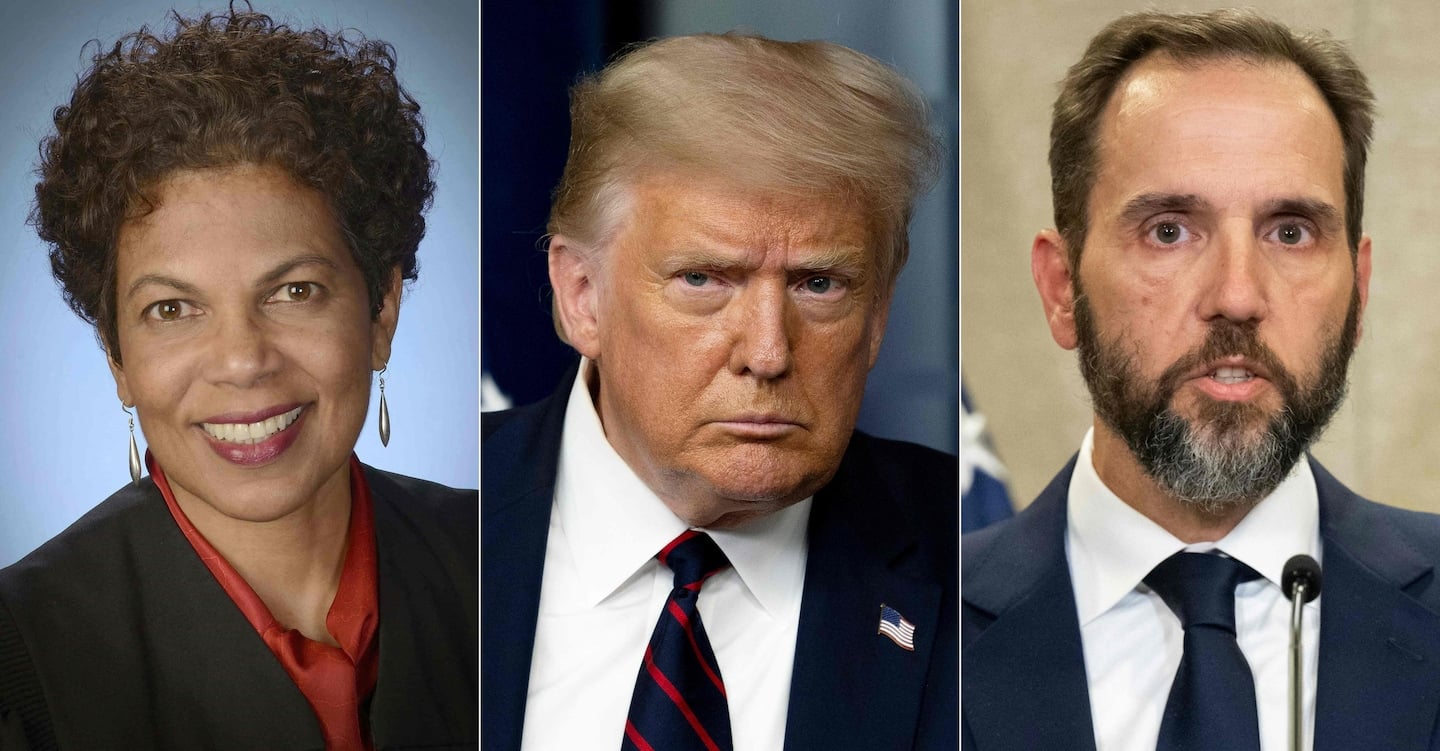
This week, U.S. District Judge Tanya S. Chutkan is considering whether to temporarily halt pretrial proceedings in Donald Trump's D.C. criminal case while he appeals her ruling that he is not immune from prosecution, while Trump's defense team in his New York civil business fraud trial is expected to conclude its presentation of evidence. Trump has asked for a pause in the D.C. election-obstruction case, but prosecutors argue that the trial should proceed as scheduled. Additionally, there will be filings in the D.C. case and a federal appeals court hearing related to the state charges in Georgia.
Former President Donald Trump's attempts to delay his upcoming trials are backfiring as judges refuse to accommodate his scheduling conflicts. Prosecutors have accused Trump's defense lawyers of playing delay games and overbooking his top defense lawyer across multiple cases. The New York judge overseeing the hush money trial involving Stormy Daniels rejected Trump's request to push back the trial date and ordered both sides to stick to the original plan. Trump's legal team has been trying to gain insight into private conversations between judges, but the judge ruled that no further disclosure is required. Prosecutors argue that Trump's team is intentionally delaying trial dates and point to the inconvenience of the New York trial coinciding with Trump's potential presidential campaign in 2024. Judges are growing impatient with these delay tactics and are pushing for the trials to proceed as scheduled.
Judge Aileen Cannon's decisions in the upcoming Mar-a-Lago classified documents trial have created confusion and potential delays in other Trump trials, including those in Atlanta, New York City, and Washington. By pushing back deadlines and refusing to schedule court hearings, Cannon has disrupted the trial logistics and raised concerns about her inexperience and possible allegiance to MAGA. The delay in the Mar-a-Lago trial could impact subsequent trials, as Trump's legal team navigates novel legal issues and attempts to avoid or overturn the charges. Cannon's decisions have drawn criticism and accusations of favoritism towards Trump.
The special counsel leading the classified documents and Jan. 6 election interference investigations accuses former President Donald Trump of attempting to delay both trials "at any cost," as Trump's attorneys file a motion to stay in the Jan. 6 case and seek a delay in the classified documents case. Trump's lawyers argue for a dismissal of the election interference case on immunity grounds. The special counsel's team alerts the judge to Trump's motion, stating that it illustrates his goal to delay both trials. Trump has pleaded not guilty in both cases and denies any wrongdoing.
Former President Donald Trump had a dramatic week in court as his former lawyer Michael Cohen testified in his civil fraud trial, alleging that he and Allen Weisselberg inflated Trump's net worth. Cohen's credibility was questioned, but he later clarified his statements. Trump was fined for violating a gag order and accused the judge of partisanship. Jenna Ellis, another former attorney, pleaded guilty in the Georgia election interference case. Mark Meadows, Trump's former chief of staff, was granted immunity and reportedly told investigators that he believed Trump was being dishonest about the 2020 election. The Department of Justice requested a gag order on Trump, and the judge is considering reimposing it.
A U.S. judicial panel has agreed to reexamine the ban on broadcasting federal criminal proceedings, following requests from Democratic lawmakers and news organizations to televise former President Donald Trump's trials. However, any rule change is unlikely to take effect before Trump's federal trials next year. Trump is facing federal charges related to election subversion and mishandling classified documents. The panel will establish a subcommittee to review the broadcasting ban, but the fastest a rule change could be finalized is December 2026. Several media organizations have also asked a judge to declare the broadcasting ban unconstitutional in Trump's case.