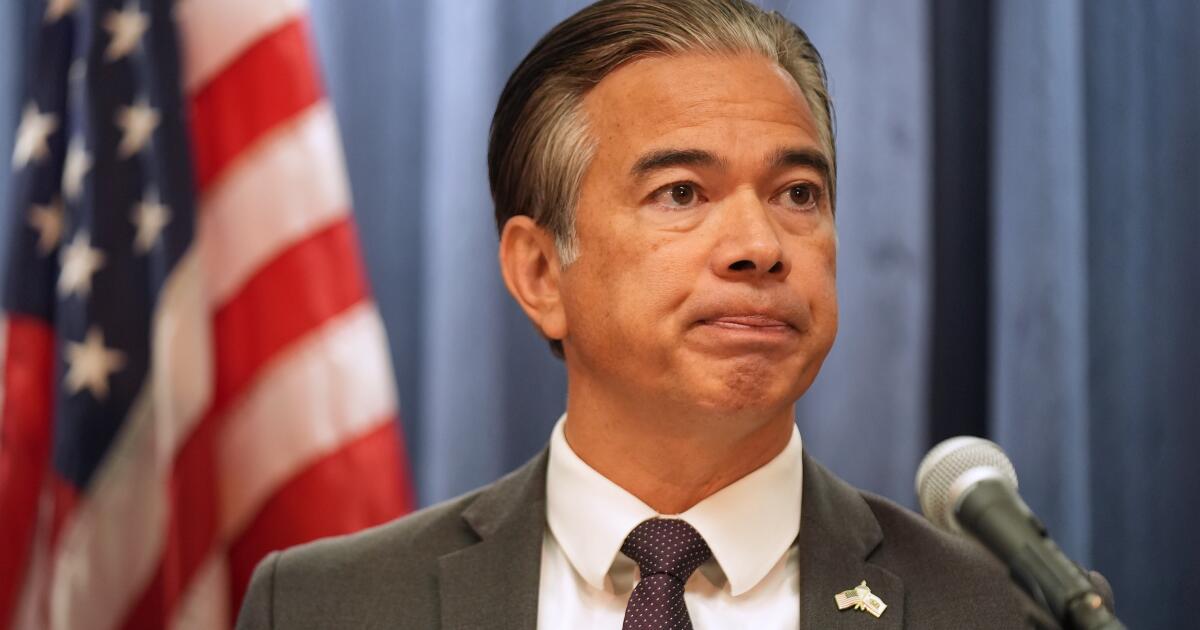
California and 20 other states filed a lawsuit to prevent the defunding and shutdown of the Consumer Financial Protection Bureau by the Trump administration, arguing that the agency's funding and operations are being unlawfully targeted, which could impair consumer protection efforts.
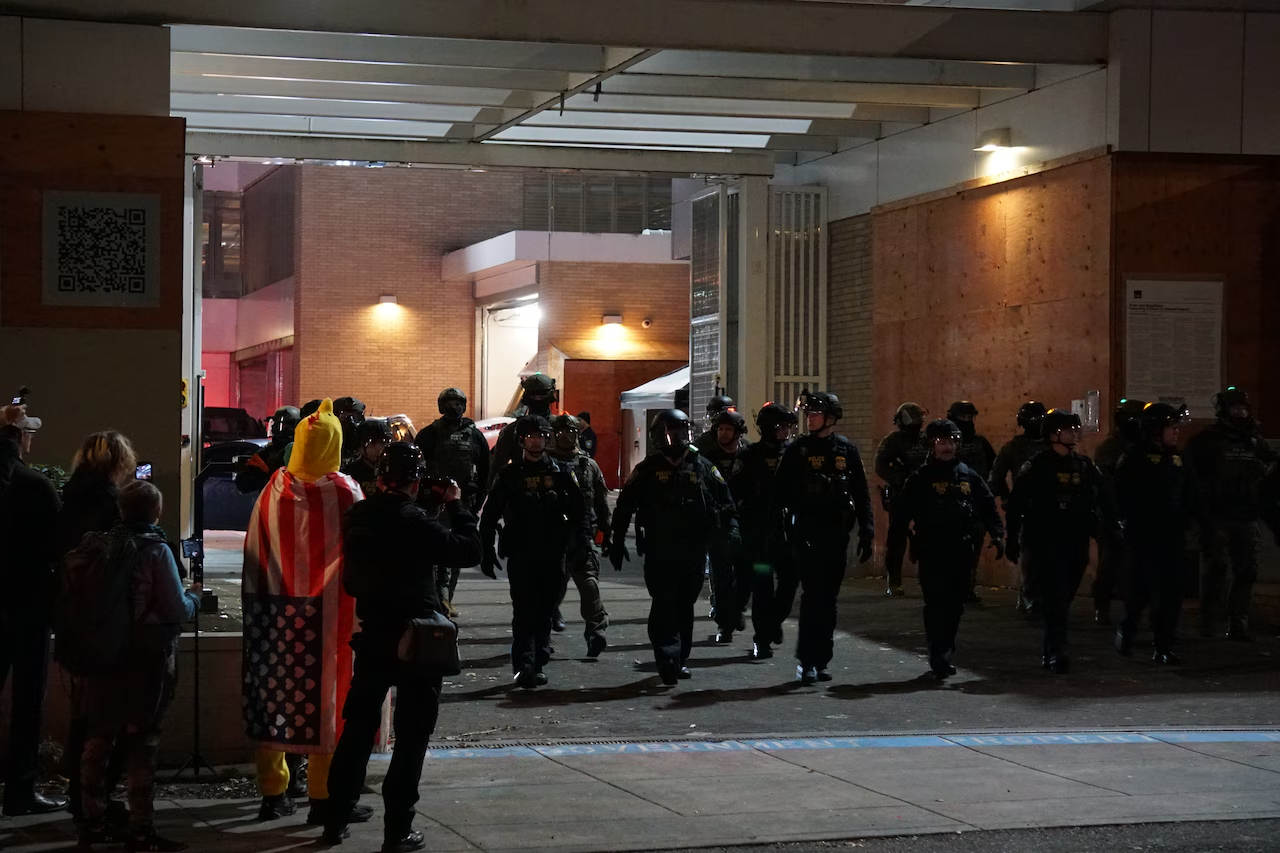
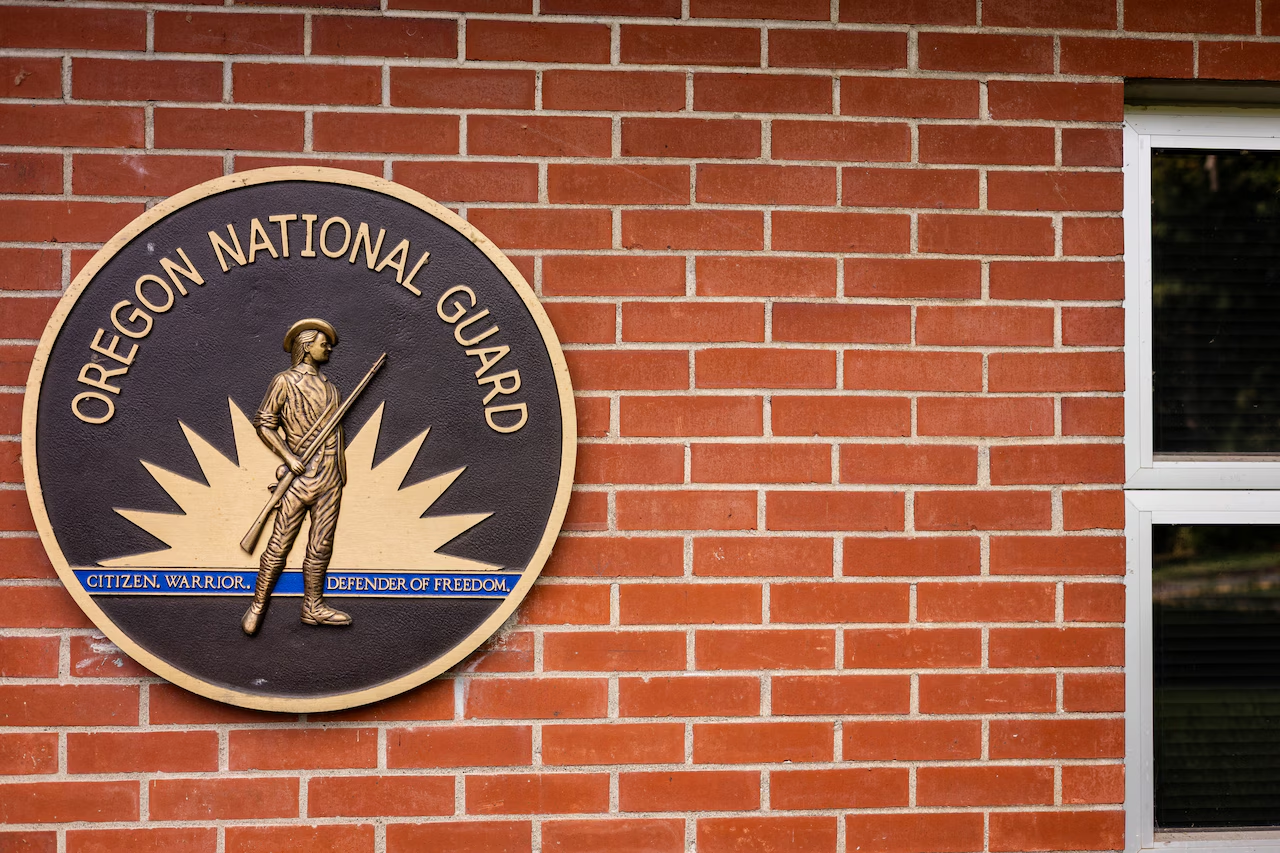
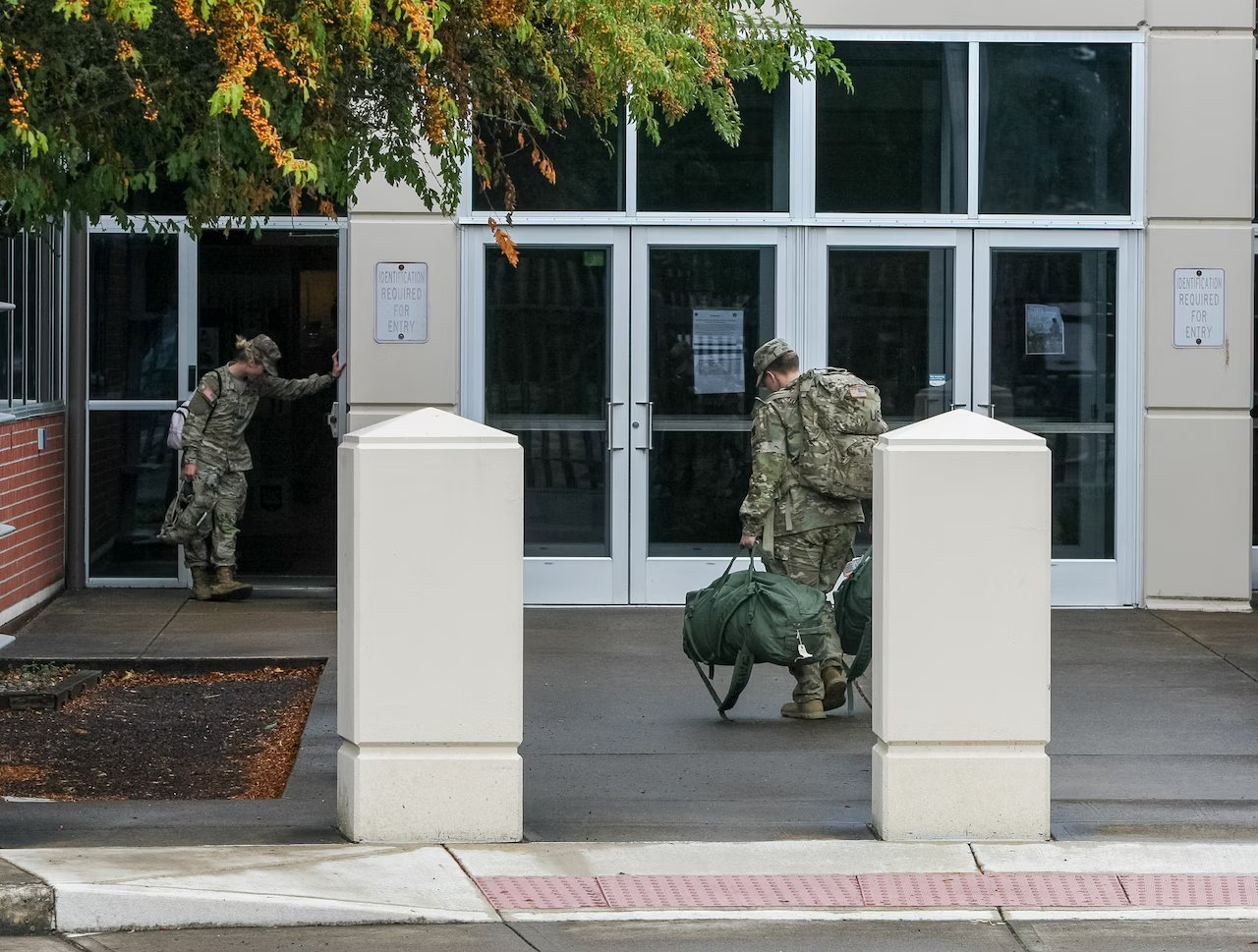
A judge questioned the delay in removing Oregon National Guard members from Portland's ICE building after a court order, citing delays in relaying the order through the chain of command, while also addressing issues related to federal and local law enforcement responses to protests and federal deployment legality.
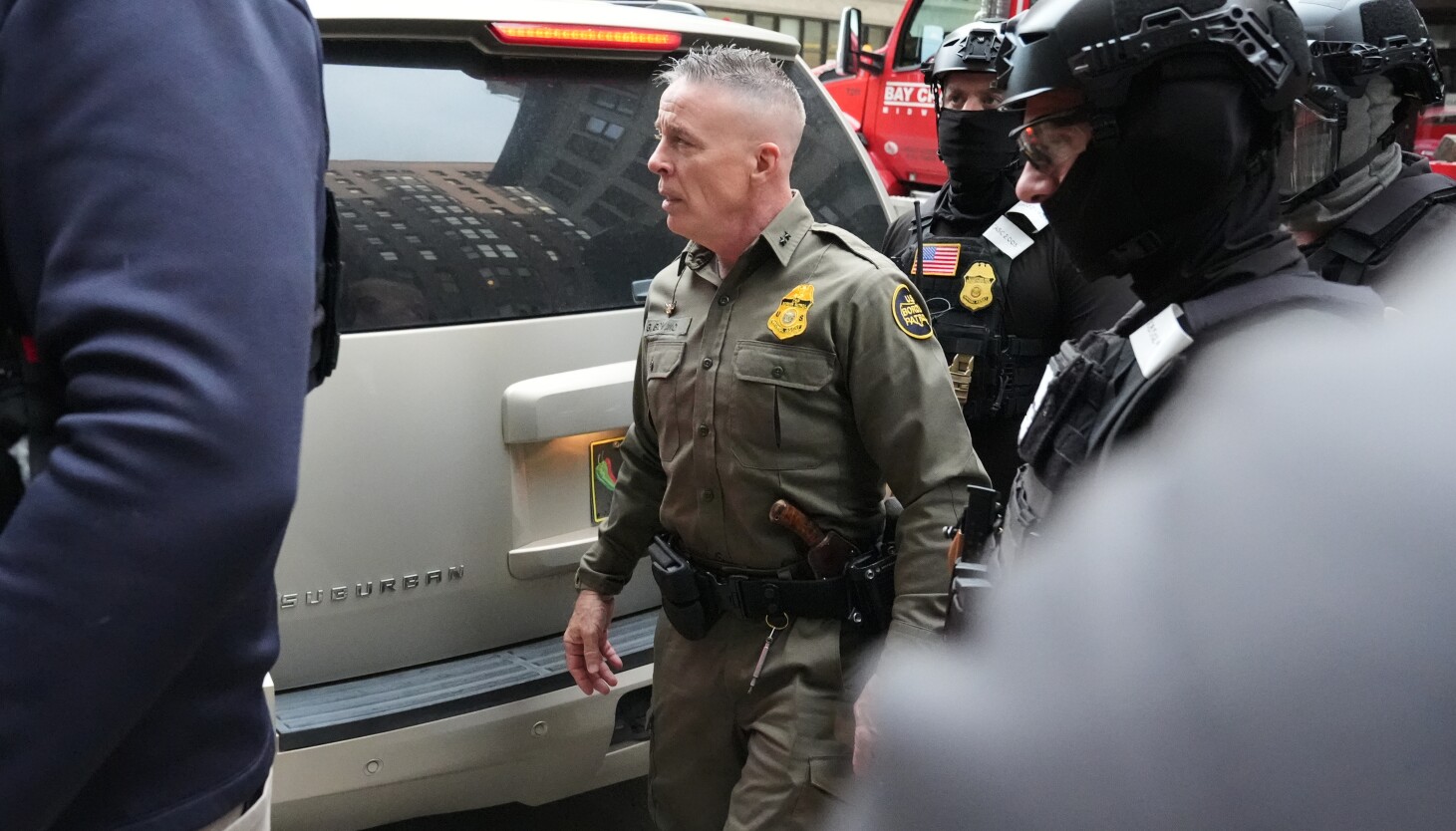
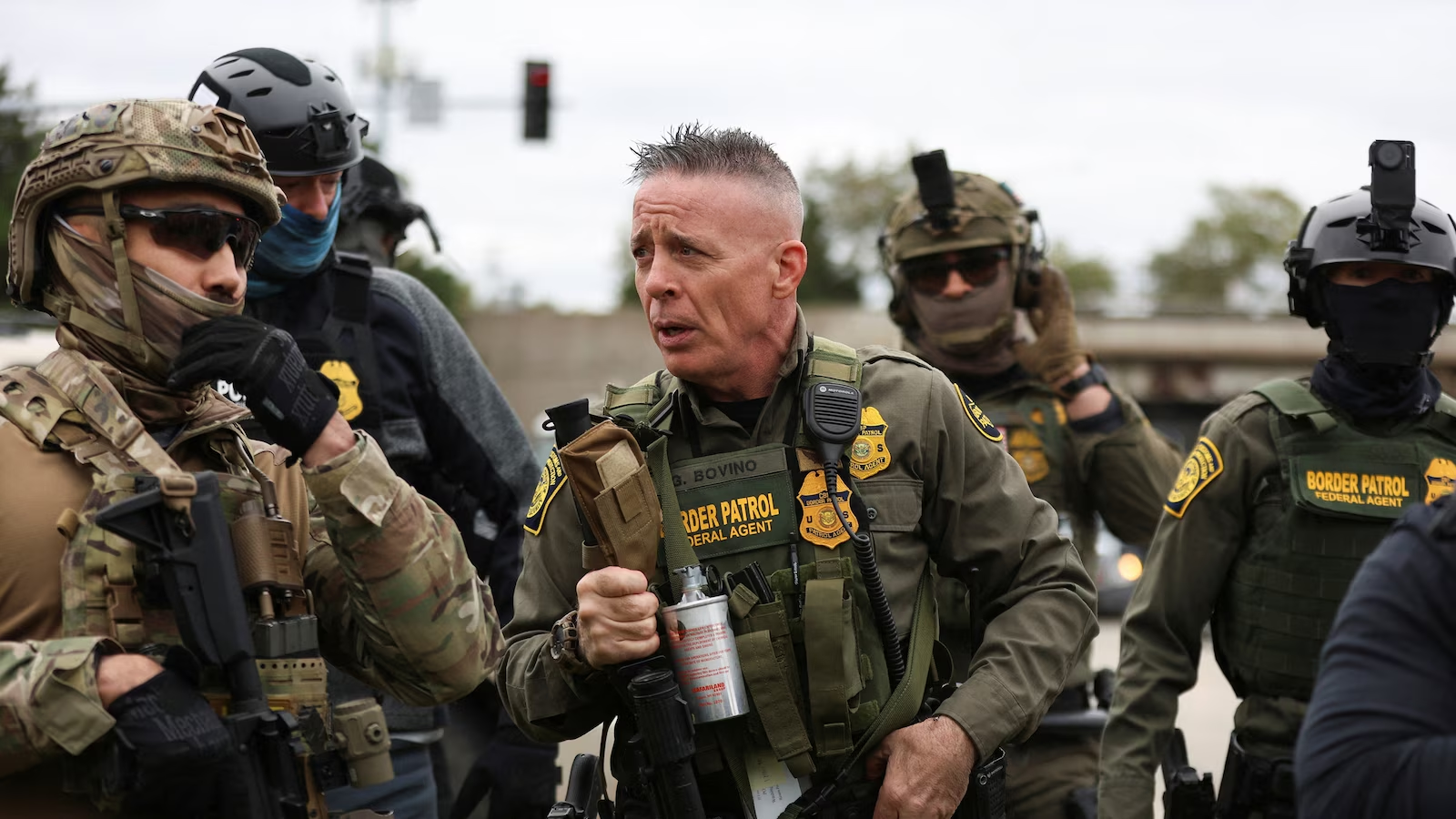
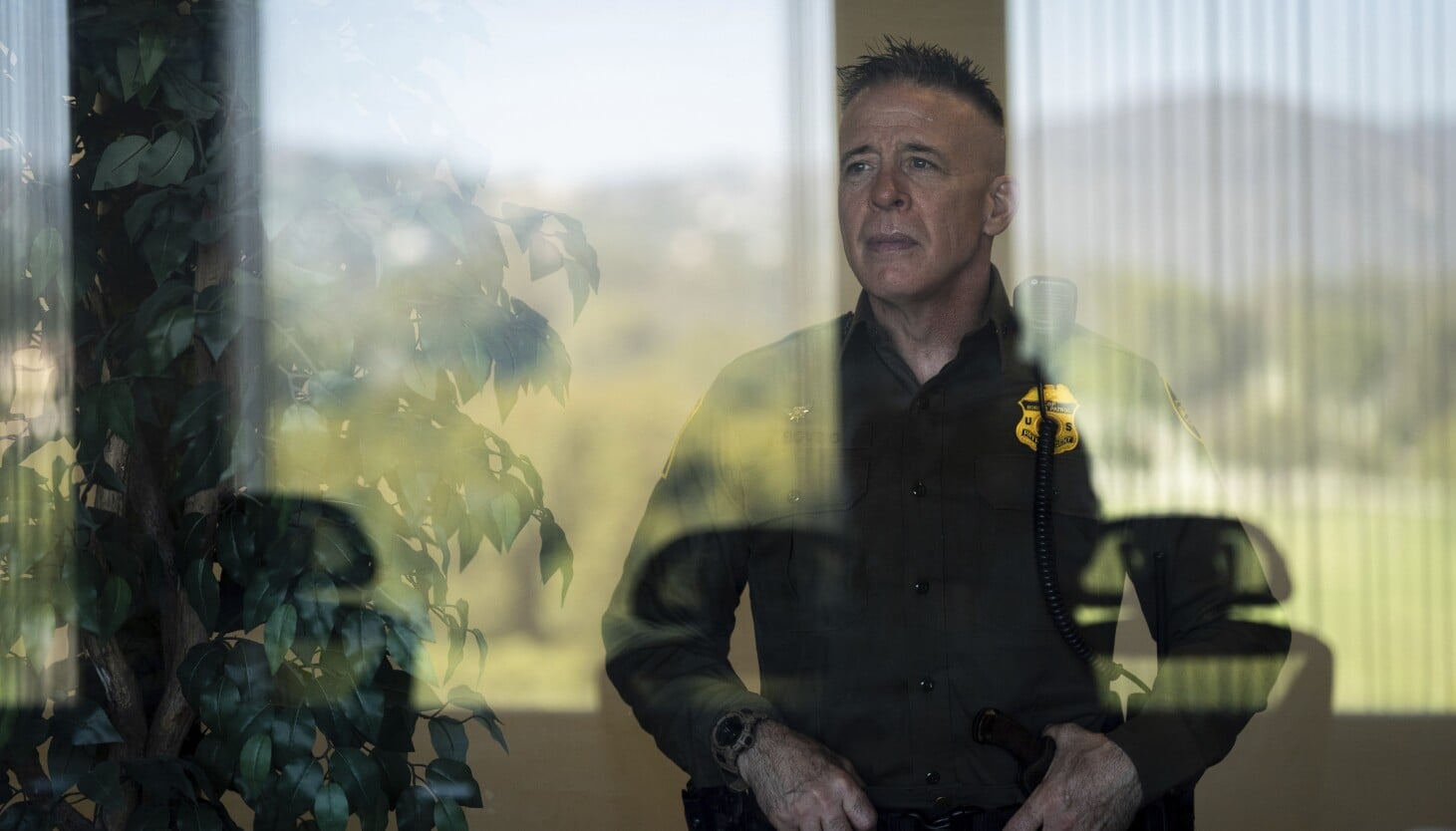
Gregory Bovino, a U.S. Border Patrol official, appeared in Chicago federal court for a hearing related to a lawsuit over the treatment of protesters during immigration enforcement, including the use of tear gas on children and the importance of body cameras and proper identification for agents.
A federal judge has ordered CBP official Greg Bovino to appear in Chicago court next week for a lawsuit concerning alleged violations of a restraining order related to immigration enforcement tactics, including the alleged unjustified use of tear gas during protests.
The U.S. Justice Department has requested a federal judge to lift a temporary order that prevents the president from deploying the Oregon National Guard in Portland, following recent court rulings and legal actions concerning the deployment of troops.
A U.S. District Judge has limited the deposition of Border Patrol Commander Gregory Bovino in a lawsuit concerning the treatment of protesters during immigration enforcement in Chicago, focusing on how law enforcement enforces laws and potential constitutional rights violations, amid ongoing investigations into the use of force and riot control measures.
An appellate court has temporarily blocked the deployment of Oregon National Guard troops to Portland, ruling they can remain under federal control but cannot be deployed to the city, as they prepare to hear arguments on whether to grant a full stay.
During Trump's presidency, only two companies received declination letters from the DOJ, indicating they would not be prosecuted, with USRA being a notable case for its proactive cooperation and internal handling of employee misconduct involving illegal software sales to China.
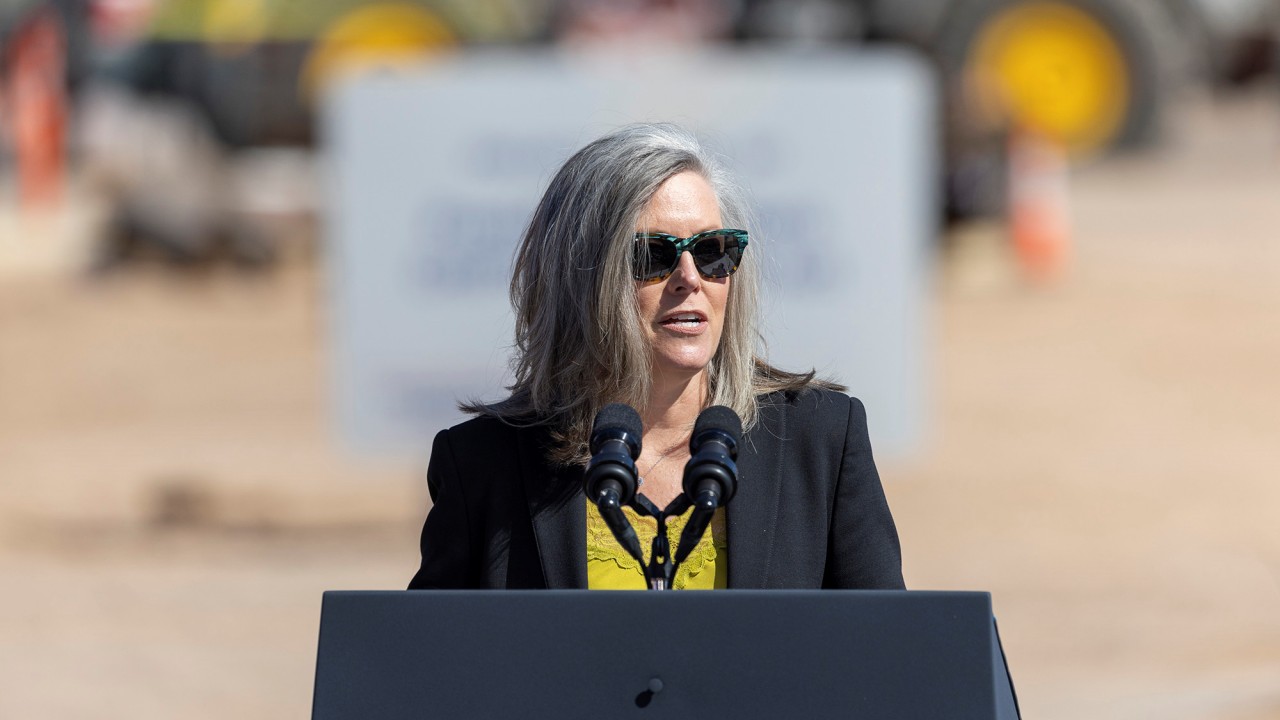
Arizona Governor Katie Hobbs vetoed two Republican-crafted budget proposals, escalating tensions and risking a government shutdown as the GOP-controlled legislature struggles to reach an agreement before the June 30 deadline.
The Arizona Senate abruptly ended its legislative session after passing a budget, amid disagreements with the House over the process and content, risking a government shutdown as the House has yet to approve the budget.
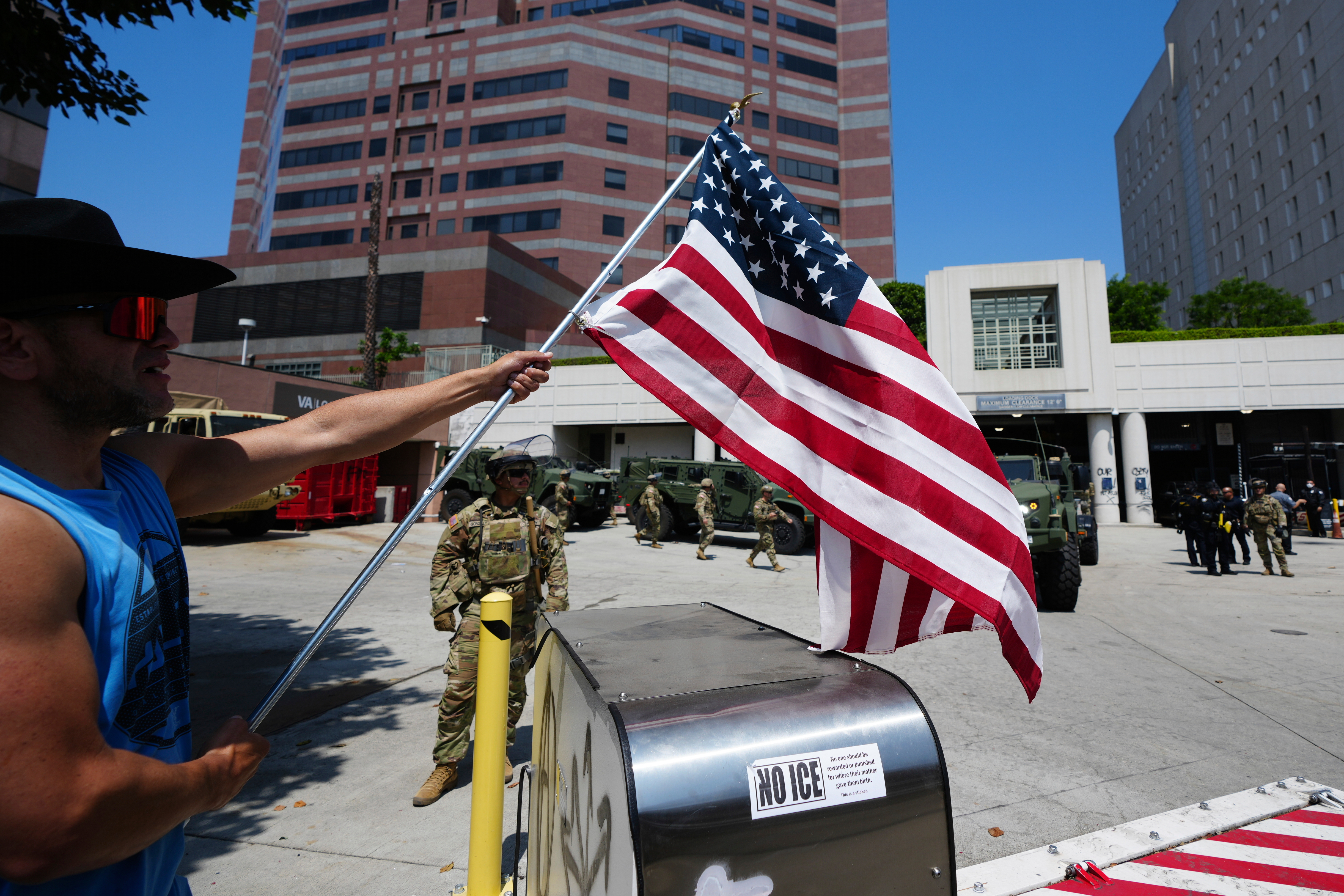
California is urgently requesting a federal judge to block the deployment of National Guard troops and Marines supporting immigration raids in Los Angeles, arguing that such support would violate legal limits on military involvement in law enforcement and could lead to confrontations with residents. The state is also suing to prevent the federal government from deploying troops for arrest missions, emphasizing that their support should be limited to protecting federal facilities.
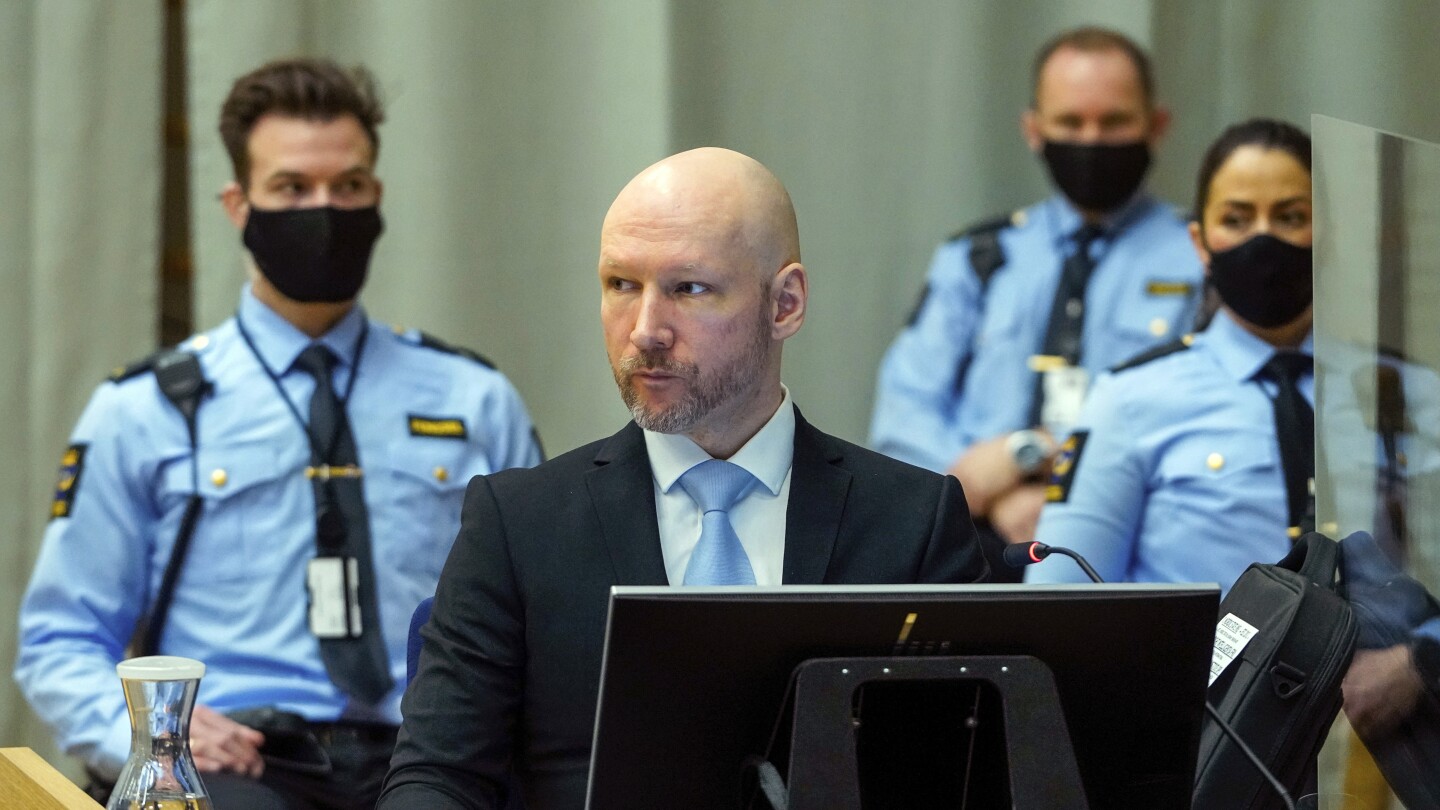
Anders Behring Breivik, the Norwegian mass murderer responsible for the deaths of 77 people in 2011, is suing the Norwegian state for a second time, alleging human rights breaches due to his solitary confinement conditions. Despite being held in a well-equipped prison complex, Breivik's lawyer argues that his isolation from the outside world and restrictions on communication violate his rights. Previous legal attempts were overturned, and his 2022 parole request was denied due to a lack of rehabilitation. The trial will take place without a livestream to prevent Breivik from gaining publicity.
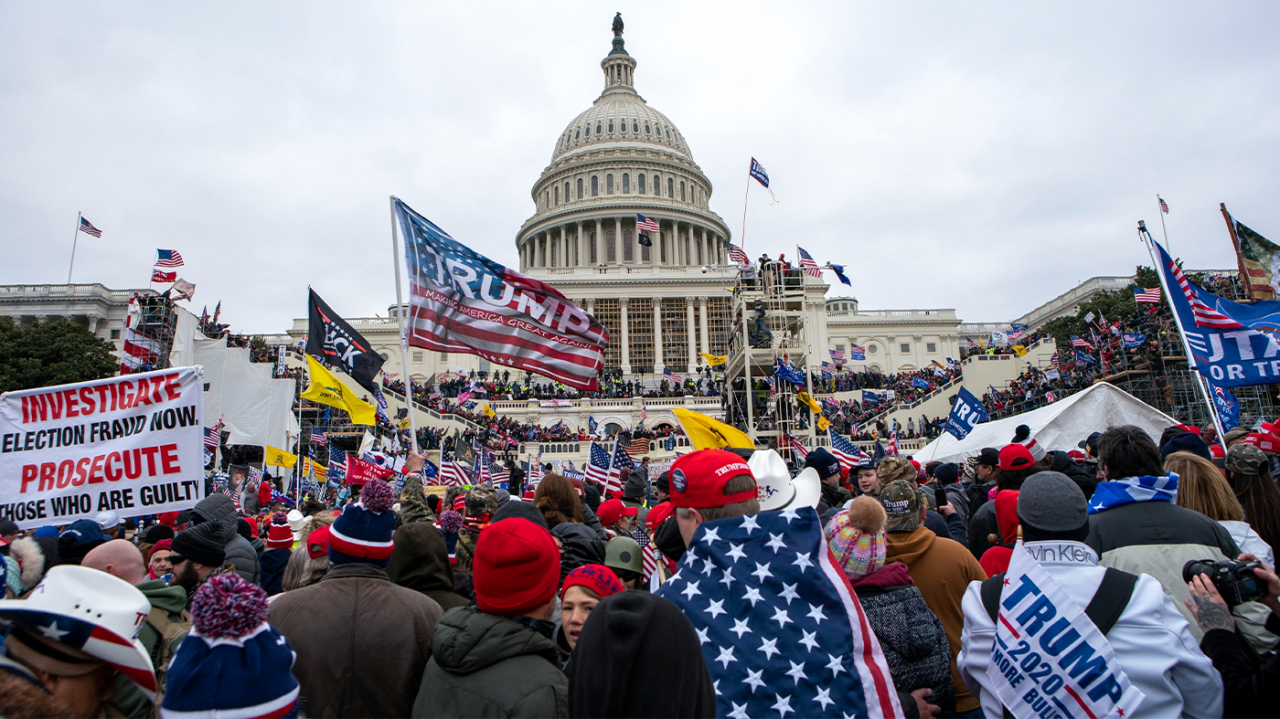
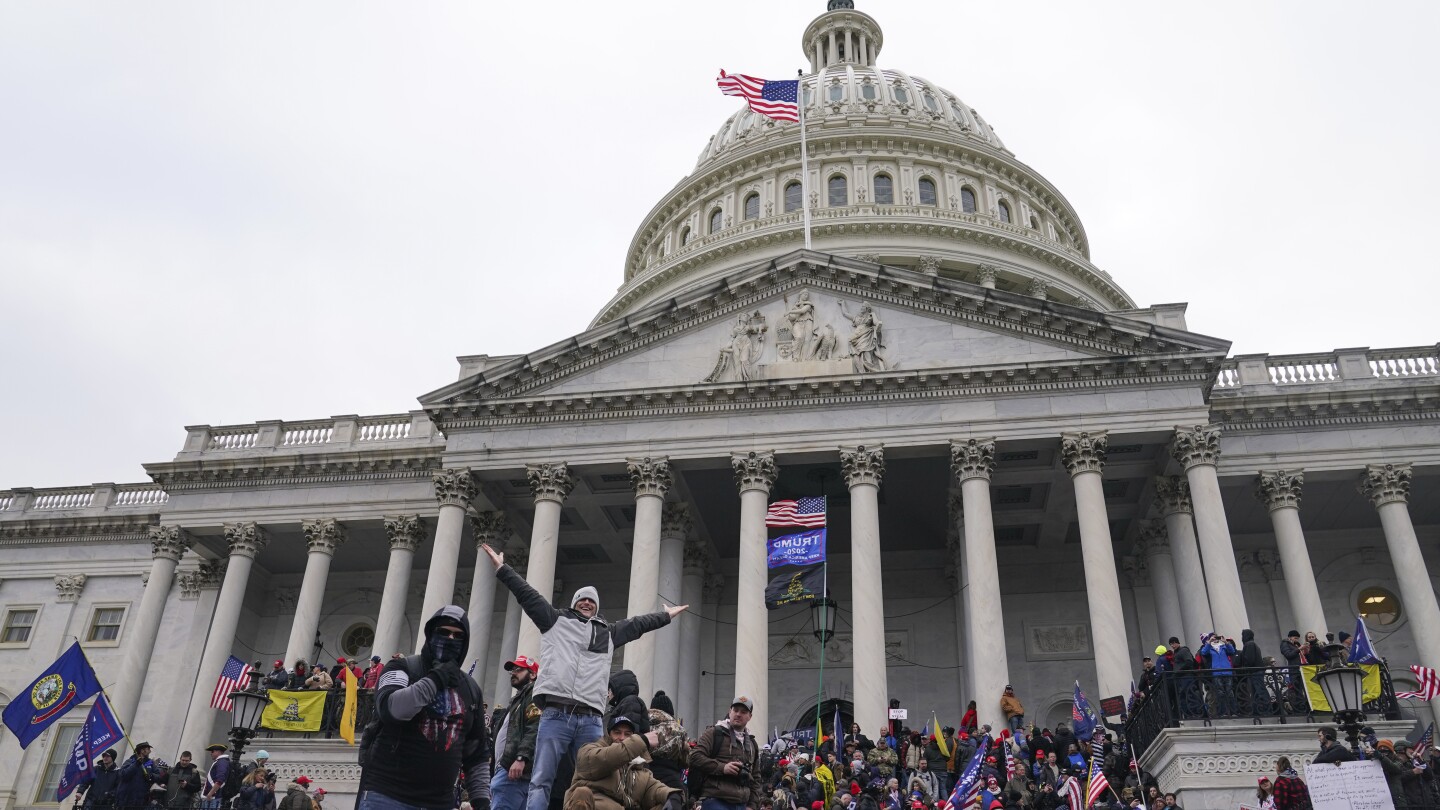
Dozens of January 6 defendants are seeking to delay their trials and sentencing until the Supreme Court rules on the legitimacy of the obstruction charge used against them. The charge, stemming from a statute enacted post-Enron, is being challenged in the case Fischer v. United States. If the Supreme Court finds the application of the law unconstitutional, it could affect the outcomes of hundreds of cases, including those already sentenced. The Justice Department argues that trials should proceed, but some judges have granted pauses, indicating the high court's decision could significantly impact the legal landscape for January 6 rioters.
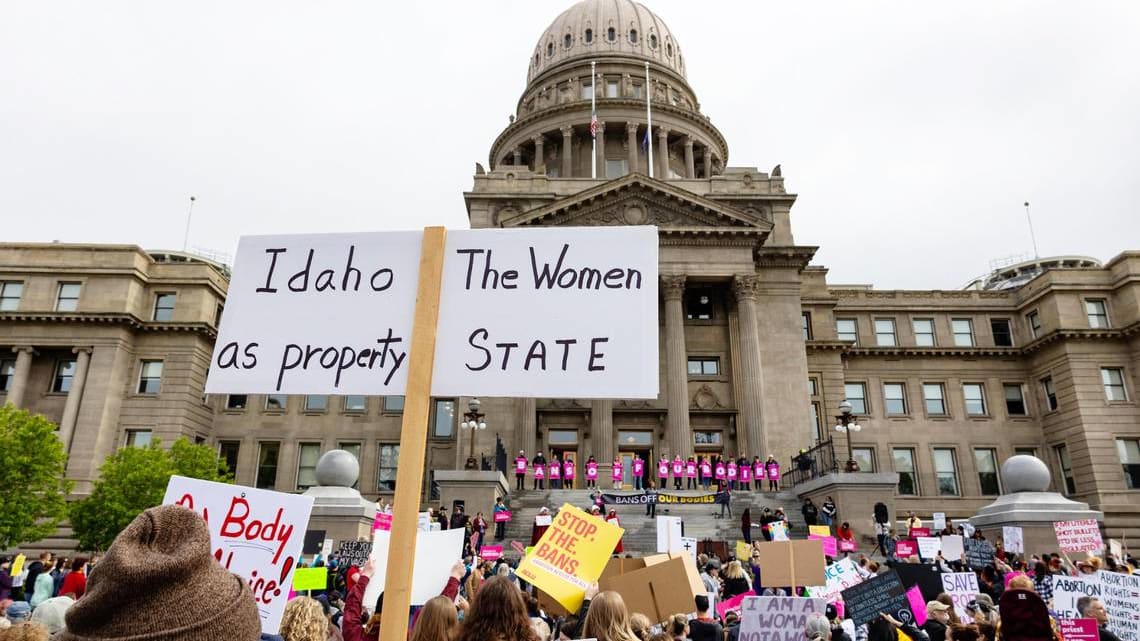
The Supreme Court has permitted Idaho to enforce its near-total abortion ban while agreeing to hear an appeal in April. This decision allows the state to penalize doctors who perform abortions in emergency situations, despite opposition from the Justice Department. The law, which was enacted in 2020, came into effect following the overturning of Roe v. Wade and had some provisions previously halted by a federal judge. Now, Idaho can enforce the law in its entirety until the Supreme Court further examines its compatibility with federal law.
The Associated Press review of court records reveals that Capitol riot defendants who plead guilty receive shorter sentences than those who go to trial, highlighting a broader issue in the U.S. criminal justice system known as the "trial tax." The data shows that those who plead guilty to felonies related to the January 6 attack average sentences about two years shorter than those convicted at trial. This trend is consistent across both felony and misdemeanor cases. Advocates for reform argue that the plea bargaining process can be coercive and may unfairly penalize those who exercise their right to a trial. The article also discusses specific cases, including that of the Proud Boys leaders and anti-vaccine figure Dr. Simone Gold, to illustrate the disparities in sentencing outcomes between plea deals and trials.