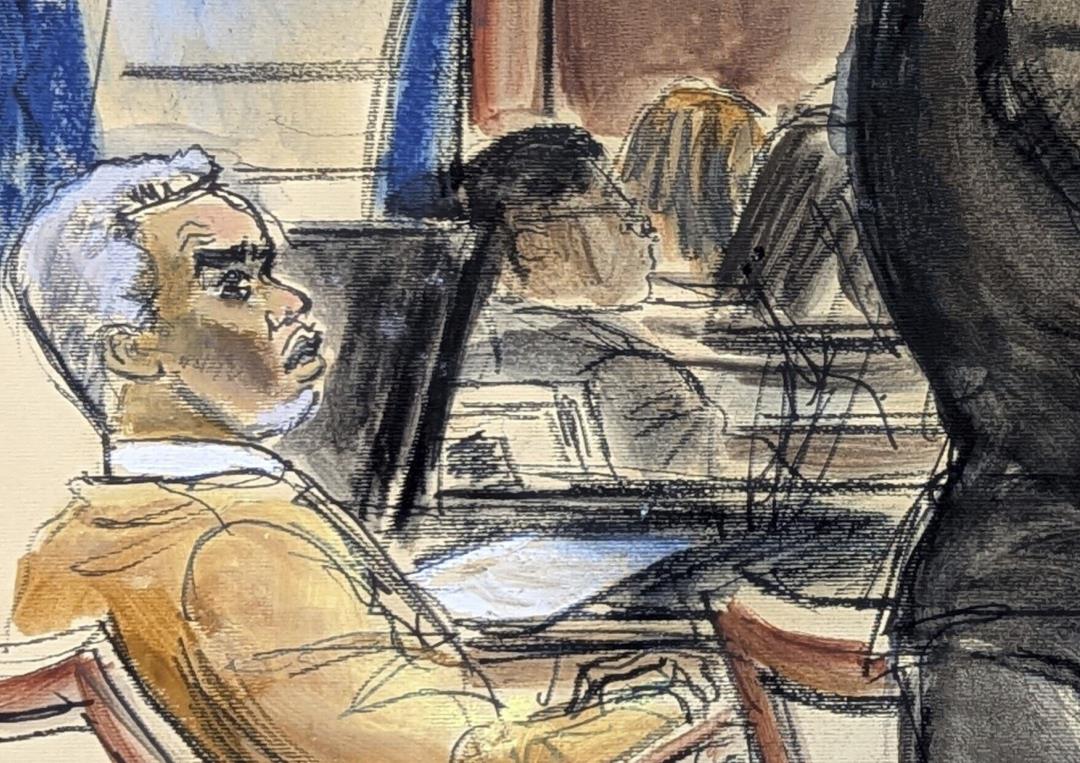
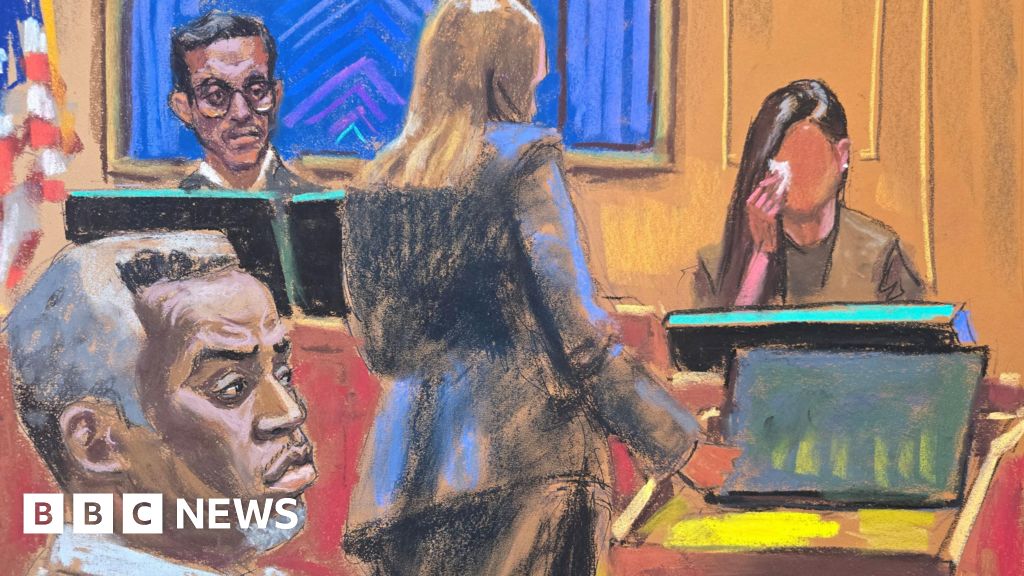
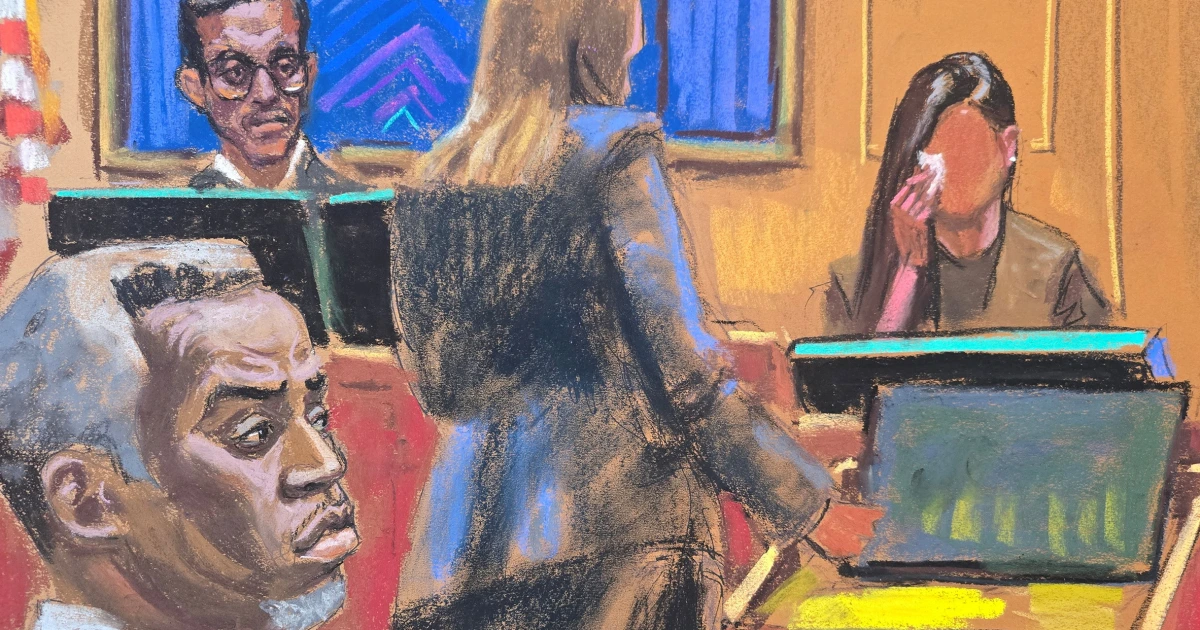
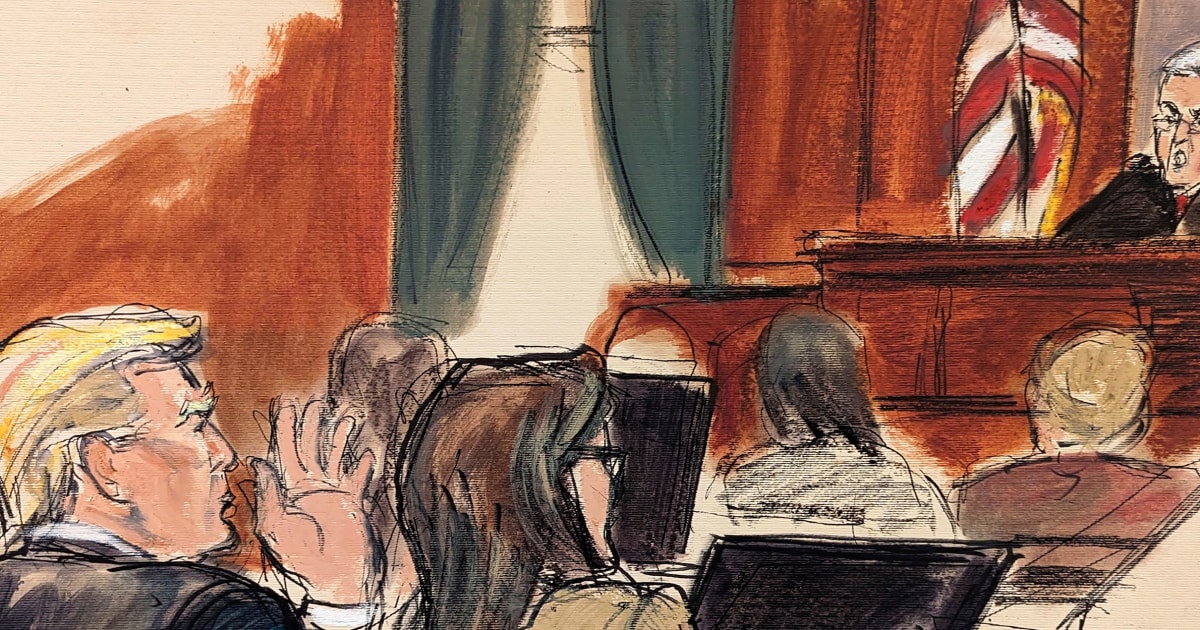
Sean Combs, currently on trial in Manhattan for sex trafficking, humorously complained to the court sketch artist about his appearance, while serious allegations and courtroom conduct issues also emerged during the trial.
Sean 'Diddy' Combs' criminal trial involves charges of sex trafficking and racketeering, with courtroom tensions highlighted by his disruptive behavior and detailed testimonies from witnesses including Jane, who described coerced sexual encounters and drug use, and allegations of balcony assault by Cassie Ventura's friend, amidst defense efforts to challenge the credibility of accusations.
A former girlfriend of Diddy testified that he pressured her into drug-fueled sexual encounters called 'freak offs,' while other witnesses and courtroom interactions highlighted the ongoing legal proceedings and Diddy's courtroom conduct.
During his trial for sex trafficking and racketeering, Sean 'Diddy' Combs was threatened with removal from court by the judge for making facial gestures and nodding at the jury, amid emotional testimonies and allegations of abuse and criminal activity. The trial features graphic witness accounts and could extend into July, with potential life imprisonment if convicted.
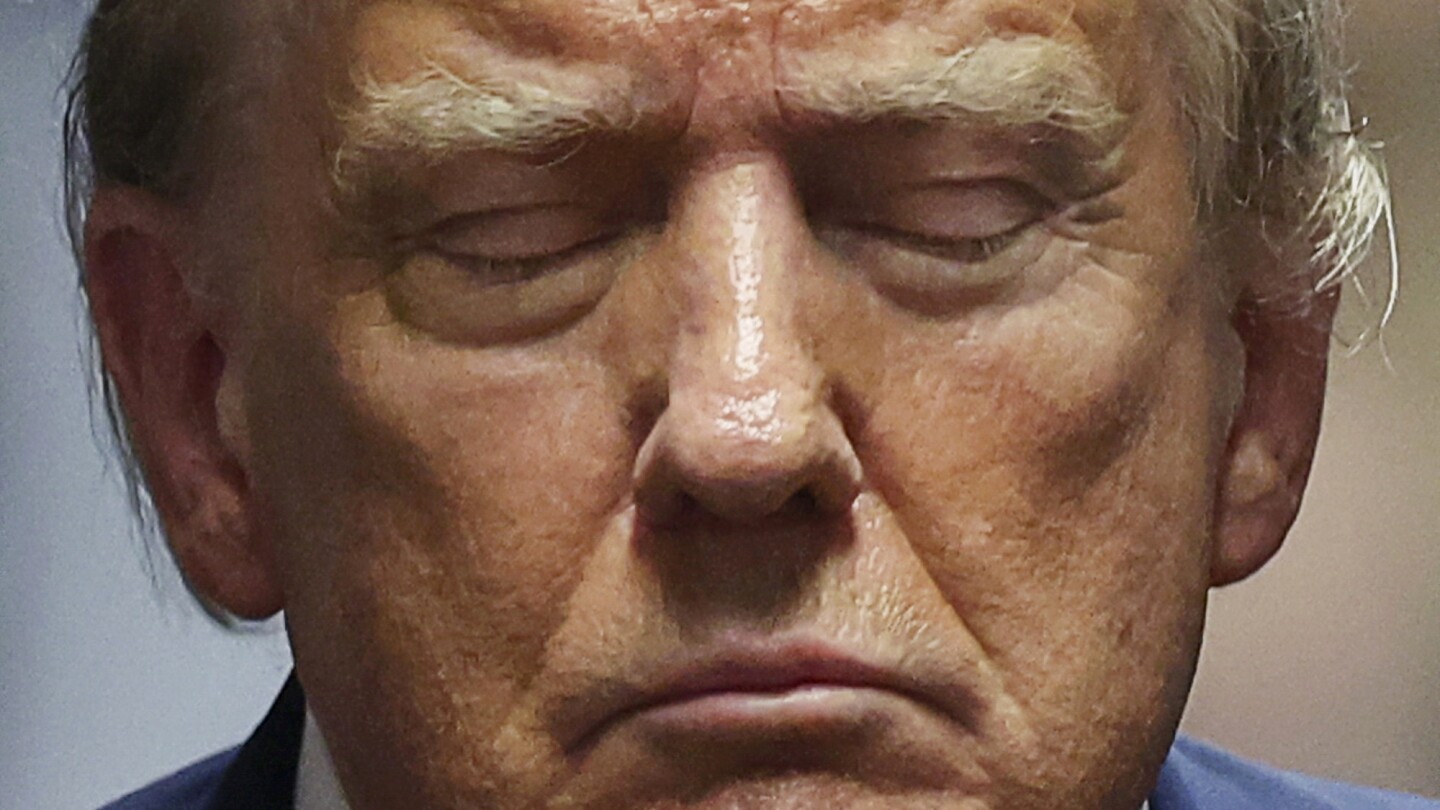
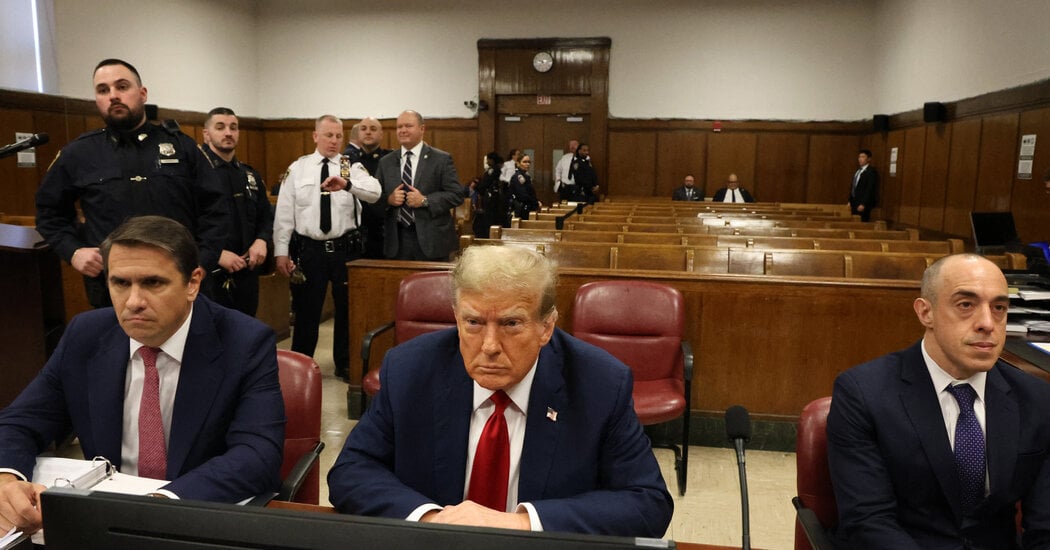
In a notable shift from his usual combative persona, Donald Trump has remained mostly silent and sometimes appeared to be asleep during his hush money trial in Manhattan. This strategic behavior, advised by his attorneys to avoid damaging his standing with the jury, contrasts sharply with his previous courtroom outbursts. Closing arguments are set for Tuesday, after which the jury will decide on his fate, potentially making him the first former president convicted of felony charges.
Former President Donald J. Trump appeared alternately irritated and exhausted during pretrial proceedings in his criminal case, at times nodding off and exchanging notes with his lead lawyer. He smirked, scoffed, and appeared frustrated, but also showed a flash of humor. The case centers on salacious allegations and could impact his bid for the presidency, with the judge warning of potential consequences if he disrupts the proceedings.
Former President Donald Trump's behavior in two civil trials, including a defamation case where he was ordered to pay $83.3 million, showcased his disdain for the legal system and the protocols of courtrooms. His conduct provided clues to how he might handle himself in his four pending criminal cases, where he will be required to be present throughout the proceedings. Trump's use of the defense table as a stage also highlighted his tendency to conflate legal problems with public relations issues, creating a tense environment in the courtrooms.
Judges are studying how to rein in Donald Trump's courtroom behavior as he treats trials like rallies, repeatedly making political statements and attacking judges during his civil fraud and defamation trials in New York. The judges' different approaches and results may provide guidance for those set to oversee Trump's potential criminal trials. Trump's appearances in courtrooms and campaign stops are being used for political purposes as he seeks the Republican presidential nomination. The judges are seeking to enforce rules and maintain their authority, with potential consequences for Trump's disruptive behavior.
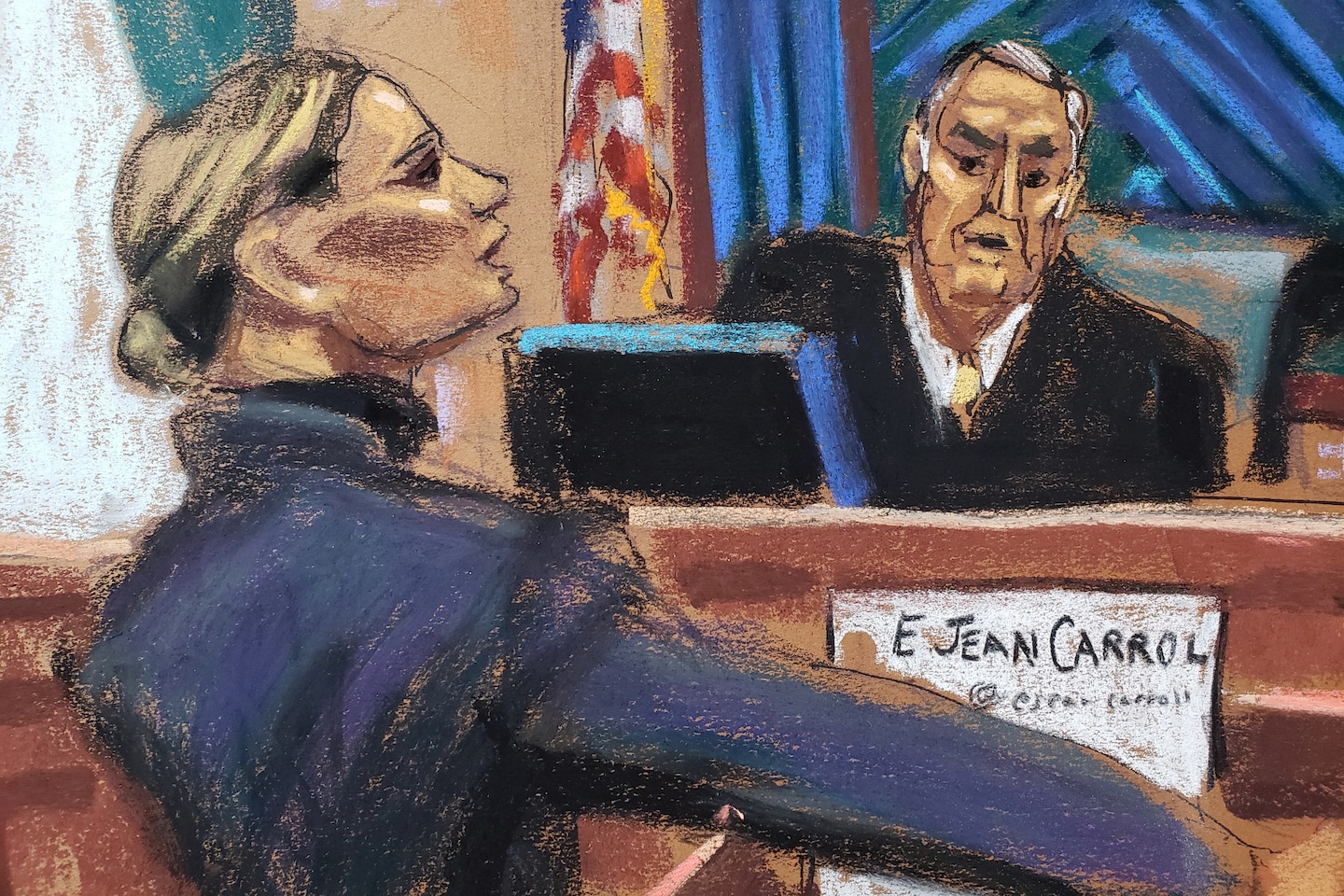
Former President Donald Trump's behavior in a civil trial, where he is being sued for defamation by writer E. Jean Carroll, has raised concerns due to the strict and no-nonsense approach of Judge Lewis A. Kaplan. Trump's intention to testify in the case has legal experts warning that his courtroom behavior could lead to humiliation and potential contempt of court charges, given Kaplan's history of holding individuals accountable for disruptive conduct. The judge has reprimanded Trump and his lead lawyer for their behavior in the courtroom, asserting control over the proceedings and shutting down attempts to bend the rules.
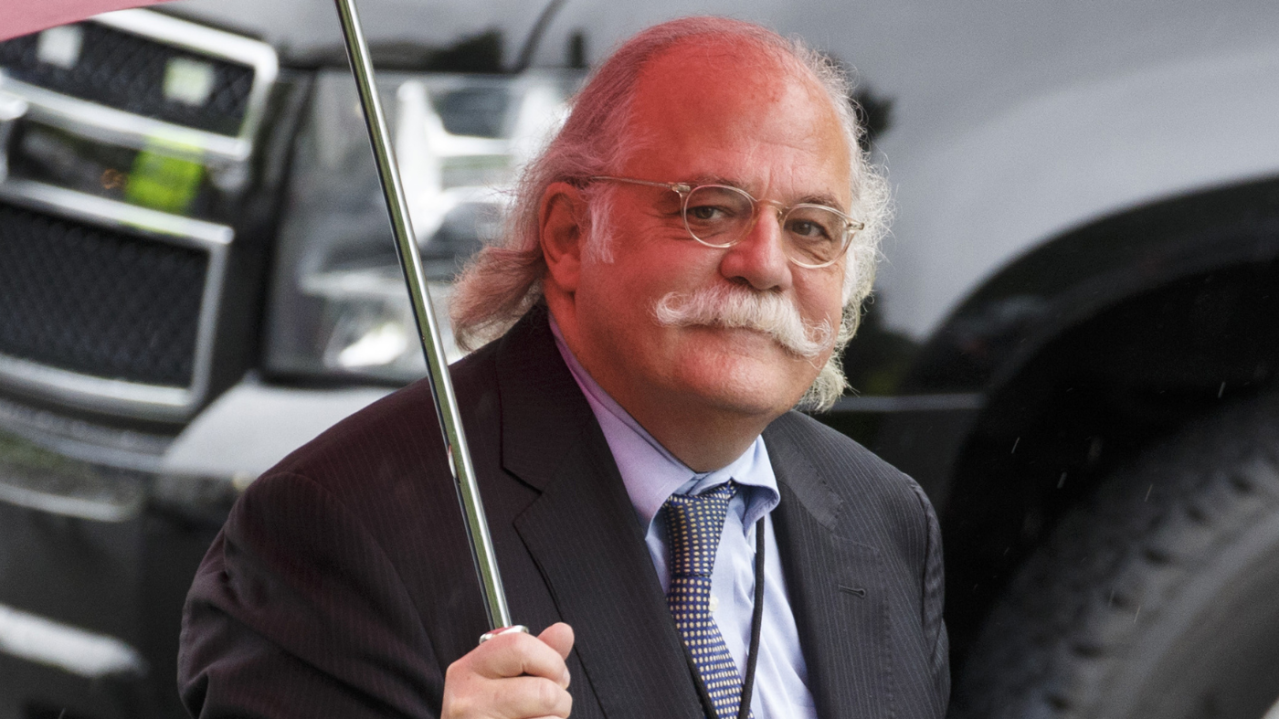
Former White House lawyer Ty Cobb criticized former President Trump for his disruptive behavior during his defamation trial with E. Jean Carroll, where Trump was reprimanded by a judge for making comments and disregarding orders. Cobb stated that Trump's presence in court was for political narrative and free publicity, and criticized his continued lying about the sexual assault. The judge expressed frustration with Trump and his lawyers, emphasizing the need for lawyers to follow rules and ensure fair proceedings.
Judges overseeing Donald Trump's criminal trials may have to balance his potential outbursts with his constitutional rights as a criminal defendant, which include the right to be present at all proceedings. While judges can still remove defendants for misbehavior, they must consider important constitutional issues and lay out consequences for violating court orders. Trump's courtroom behavior could impact his image with juries and the public, and experts believe he may use legal issues for political gain.
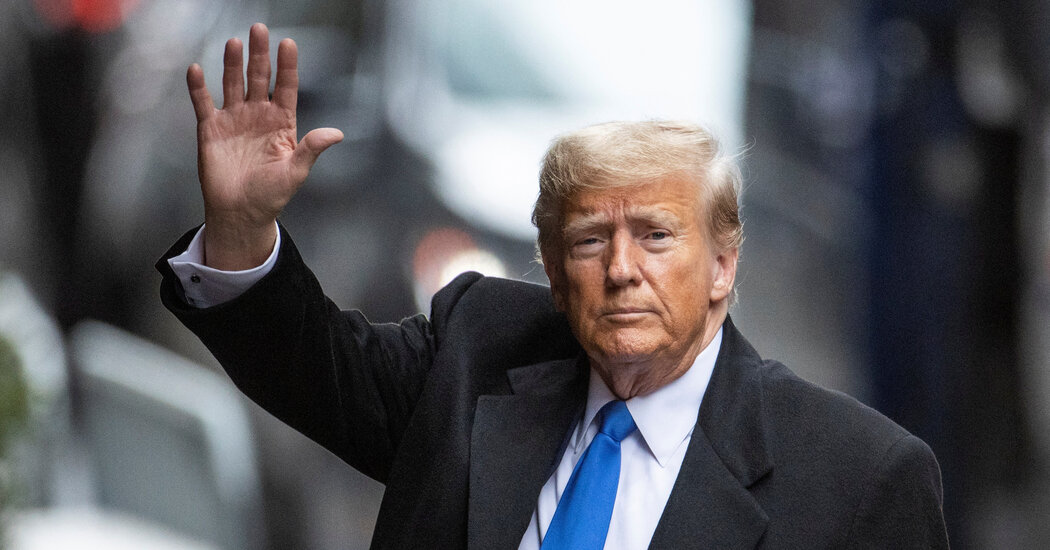
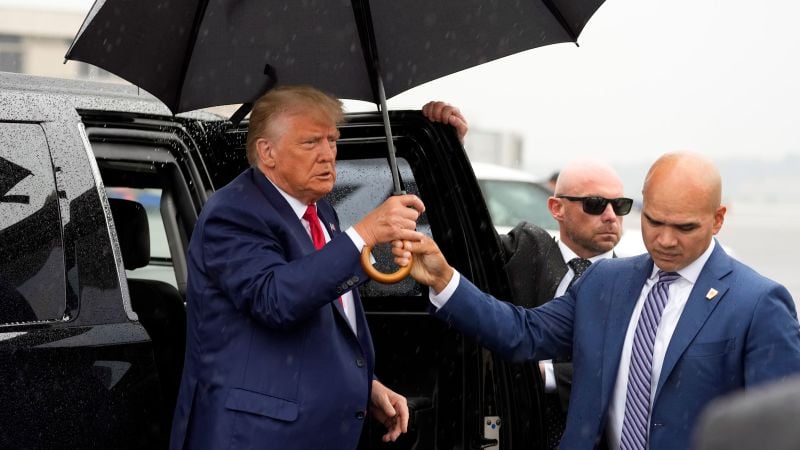
During his arraignment, former President Donald Trump's behavior in the courtroom was described as surreal, with reports highlighting his defiant and combative demeanor. Trump's arraignment day in Washington is seen as a foreboding sign of the contentious days ahead, as he faces charges related to the Capitol insurrection. Additionally, Trump's absence of Melania Trump during the arraignment and his subsequent statements to supporters on his way to the courthouse have also garnered attention. Critics argue that Trump's defense strategy, likened to a "Seinfeld" defense, could pose challenges for the prosecution. Meanwhile, political analysts discuss why some voters may still support Trump over President Joe Biden, and House Speaker Nancy Pelosi sends a message to Republicans following Trump's indictment.