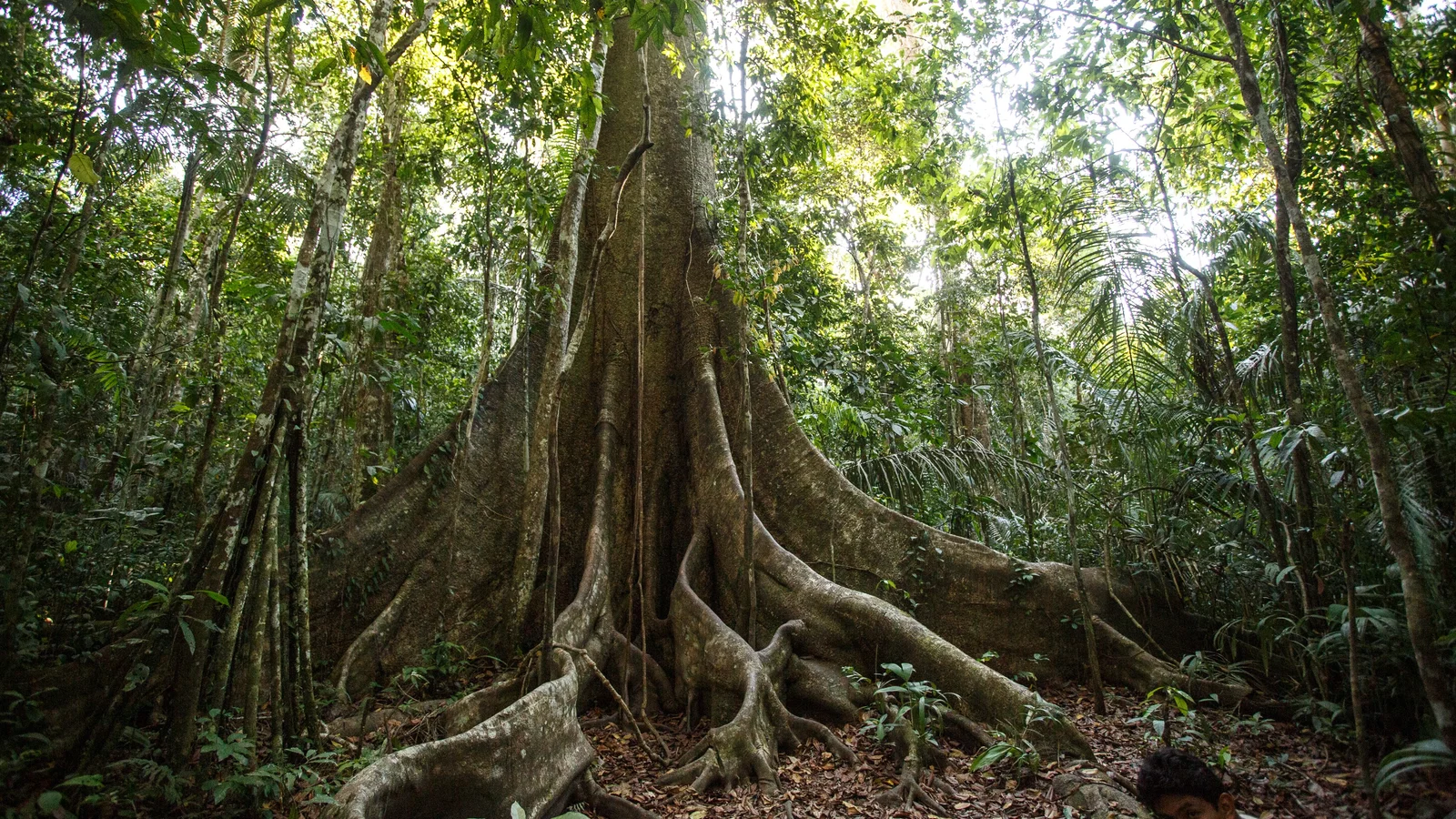
A new study shows that Amazon rainforest trees are getting fatter due to increased CO2 levels, which enhances their growth and resilience, potentially strengthening their role as a carbon sink despite looming climate threats.
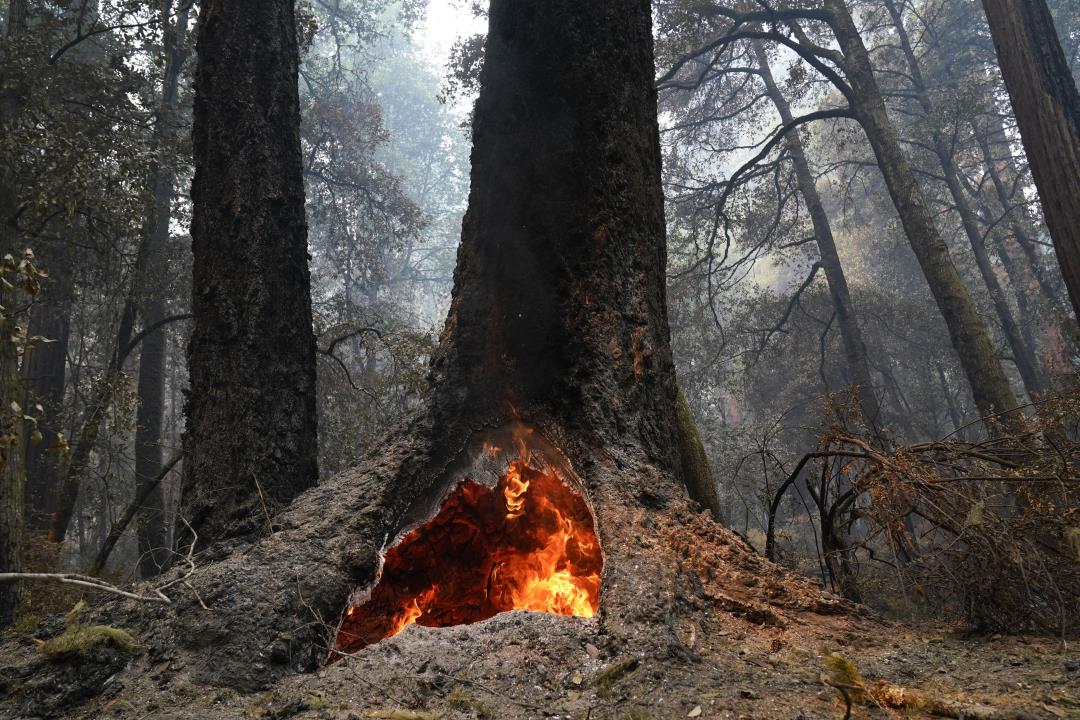
Ancient redwoods in California have surprised scientists by using stored-up energy to bring damaged buds back to life after the 2020 wildfires. The trees tapped into carbon reserves, using sugars made from sunlight decades earlier, to sustain their growth. This discovery challenges previous knowledge on tree growth and raises hope that redwoods can better survive intense wildfires. However, the extent of their energy depletion remains unknown, which will determine their ability to withstand future wildfires.
A new study has debunked Leonardo da Vinci's "Rule of Trees," which posited that the thickness of a tree branch or trunk equaled the combined thickness of all the limbs branching off it. Plant scientists have found that this ratio does not hold up on a microscopic level, particularly in relation to the sizing of internal water transport channels. The researchers propose a revised model that suggests vascular channels widen as branches thin towards the tops of trees to maintain water flow, while also economizing carbon usage. The findings could aid in estimating tree biomass and carbon capture, as well as improving our understanding of plant systems and vulnerability to climate change.