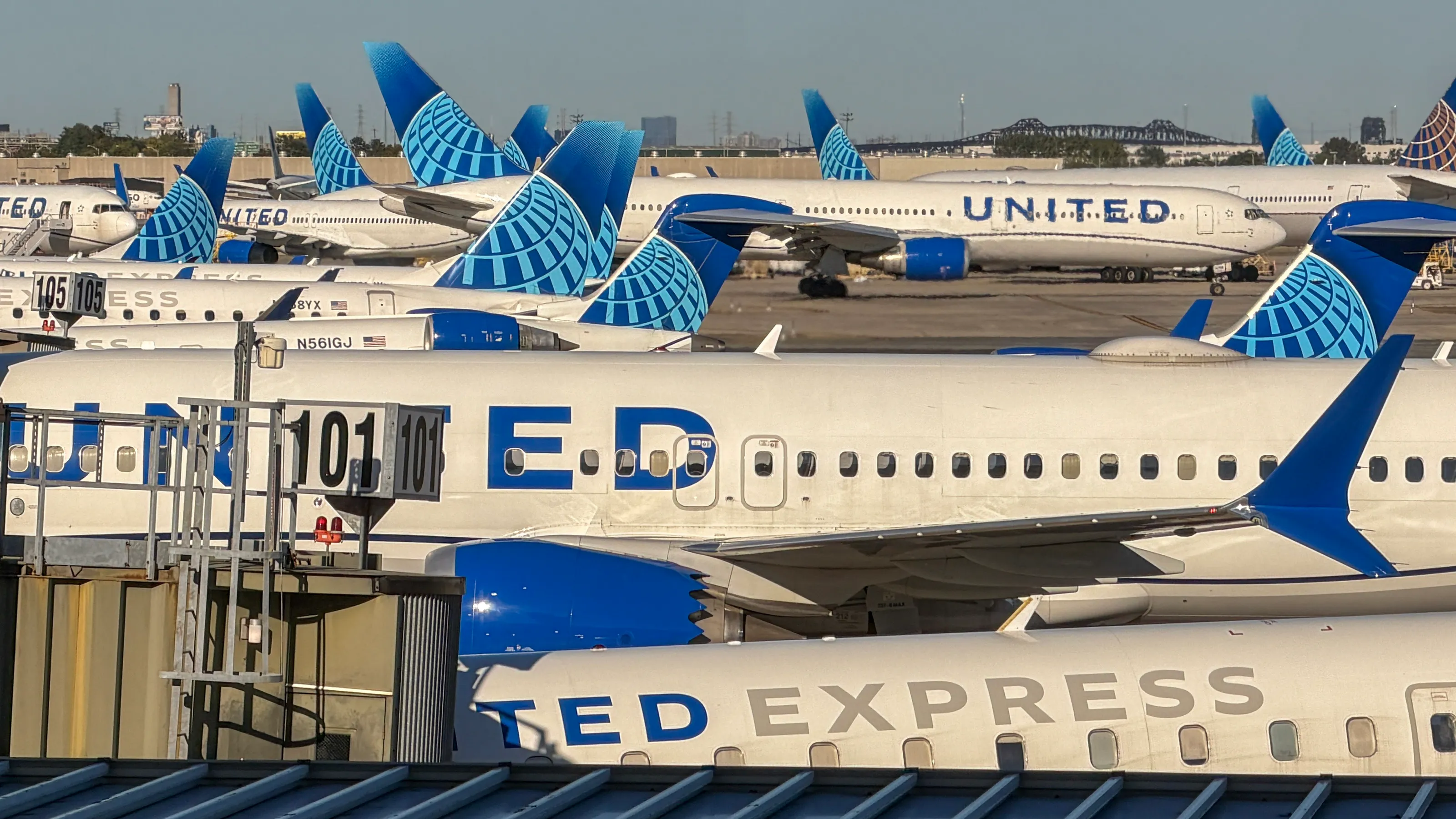
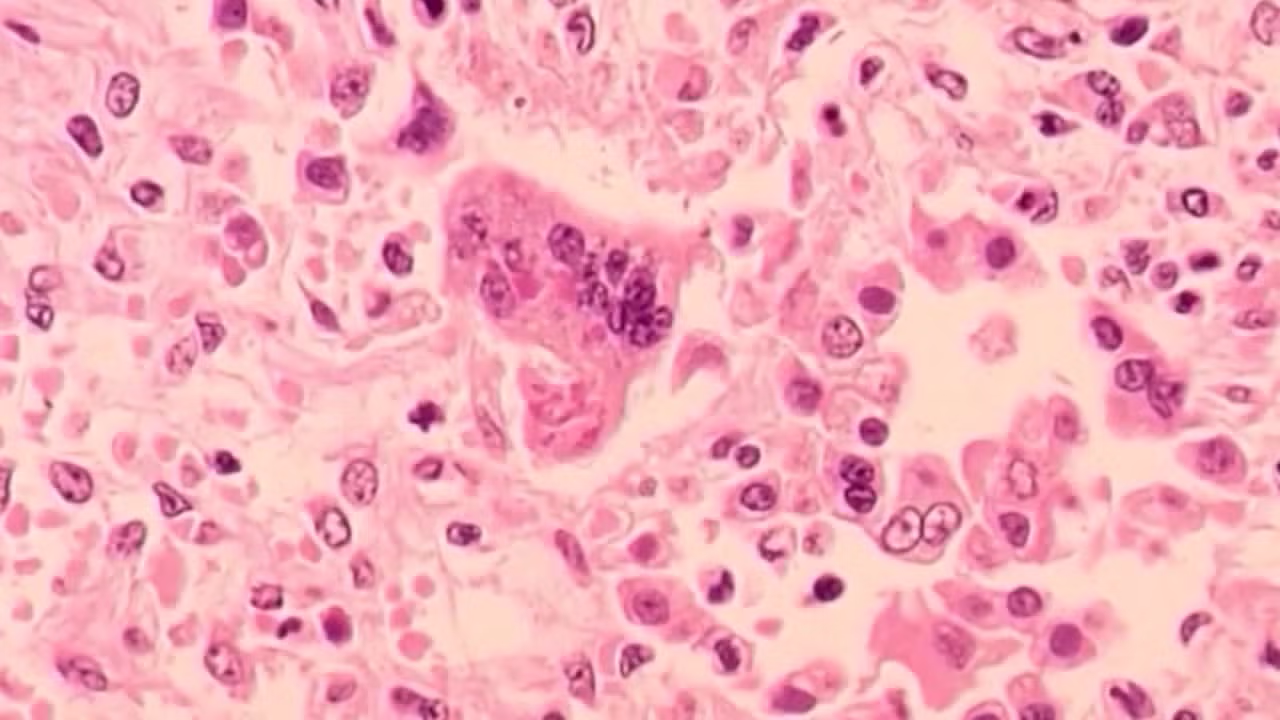
New Jersey health officials are investigating a measles case involving a traveler who passed through Newark Liberty International Airport on December 19, amid a rise in measles cases nationwide and increased holiday travel, but no local outbreak has been reported yet.
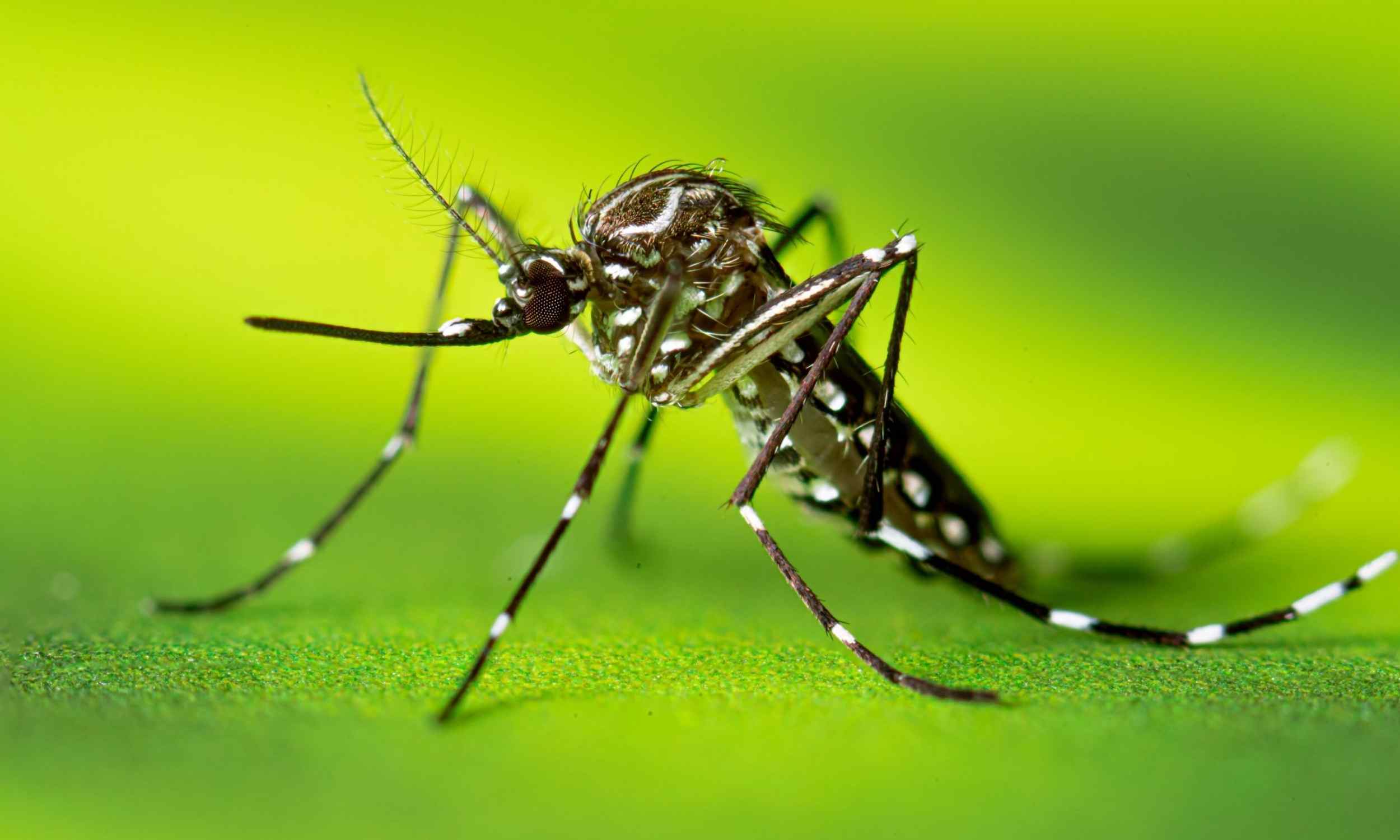
Health officials in the UK have reported travel-linked cases of the deadly Oropouche virus, transmitted mainly through insect bites, with symptoms including fever, headache, and joint pain. The virus, which has caused fatalities in Brazil, is primarily spread by midges and mosquitoes, and precautions such as repellents and protective clothing are recommended for travelers. No local transmission has been detected in the UK, but the virus's presence highlights the importance of surveillance, early diagnosis, and mosquito control efforts in affected regions.
The Minnesota Department of Health reports 10 new travel-related measles cases, bringing the state's total to 18 in 2025, amid a nationwide surge with over 1,500 cases, emphasizing the importance of vaccination to prevent the highly contagious disease.
Health experts in Utah have stated that the recent cases of malaria in the state, originating from mosquito bites in foreign countries, are not a cause for concern. While there have been six confirmed cases of travel-related malaria in Utah this year, which is within normal numbers, the risk of local transmission is extremely low. The Centers for Disease Control and Prevention (CDC) issued a health advisory due to the recent cases of locally transmitted malaria in Florida and Texas, urging healthcare providers to be vigilant and recommending precautions to prevent mosquito bites. Utah is experiencing increased mosquito activity this year, likely due to abundant winter snow and spring rains, but the native Anopheles mosquito species responsible for malaria is present in low numbers. The focus remains on monitoring and controlling mosquito-borne diseases, including West Nile virus, which has already been detected in Utah.
The Centers for Disease Control and Prevention (CDC) issued a malaria alert after five locally acquired malaria cases were reported in Florida and Texas. However, Colorado health officials have stated that the risk of locally acquired malaria in the state is low. The state has had nine confirmed malaria cases, all of which were in patients who reported international travel before their diagnosis. While the Anopheles mosquito species that can transmit malaria is present in the Denver region, the area's climate is not conducive to completing the mosquito's life cycle, making infection rare. Health officials advise taking preventative measures against all mosquito species, such as eliminating standing water, wearing insect repellent, and limiting outdoor activities at dusk and dawn. Coloradans traveling to malaria-prone areas should consult their healthcare provider about malaria chemoprophylaxis.