

Tag

Traumatic Memories

All articles tagged with #traumatic memories

neuroscience2 years ago

Understanding the Unique Processing of Traumatic Memories in PTSD

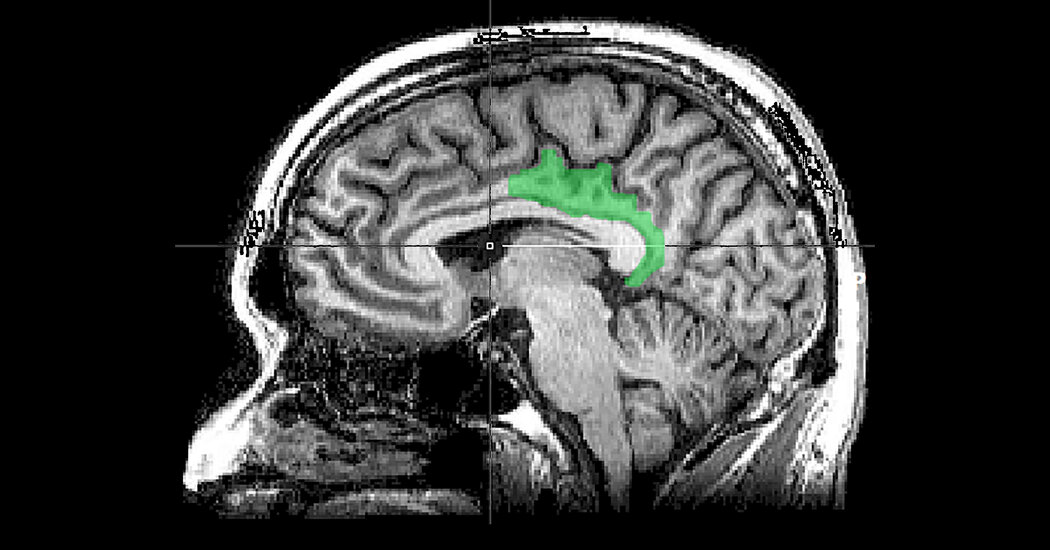
People with post-traumatic stress disorder (PTSD) process sad, non-traumatic memories differently from traumatic memories. A study published in Nature Neuroscience found that sad memories are processed in the hippocampus, while traumatic memories associated with PTSD activate the posterior cingulate cortex (PCC). The PCC is more focused on internally directed thought, while the hippocampus is responsible for organizing and contextualizing memories. The findings could potentially lead to the development of new therapies that aim to transform traumatic memories into ones that resemble non-traumatic memories.

science-and-technology2 years ago

The Impact of Traumatic Memories on Brain Function

A study conducted by researchers at Yale University and the Icahn School of Medicine at Mount Sinai found that traumatic memories engage a different area of the brain, the posterior cingulate cortex (P.C.C.), which is usually involved in internally directed thought. The study suggests that traumatic memories are not experienced as memories but as fragments of prior events, subjugating the present moment. The findings may help explain the vivid and intrusive nature of traumatic memories and have implications for the treatment of post-traumatic stress disorder (PTSD). Clinicians can use these findings to develop therapies that bring context to traumatic memories and help patients view them as distant from the present.

science-and-technology2 years ago

"Memory Manipulation: Scientists Aim to Edit and Erase Your Past"

Scientists are making progress in understanding how memories form, are stored, and can be manipulated. While memory manipulation could have potential benefits for treating PTSD and memory disorders, researchers emphasize the need for caution and ethical considerations. Studies have shown the ability to erase specific memories or reduce the emotional impact of traumatic memories in animals, but there are currently no drugs or treatments that can achieve memory manipulation in humans. The research aims to selectively erase the emotional content of traumatic memories while keeping the memory intact. However, concerns about potential side effects, ethical implications, and unequal access to memory technology remain.

neuroscience2 years ago

Decoding Traumatic Memories: Unraveling the Neural Code

Researchers have used innovative optical and machine-learning methodologies to decode the neural networks involved in traumatic memory formation. They identified a neural population encoding fear memory and discovered the crucial role of the dorsal part of the medial prefrontal cortex (dmPFC) in associative fear memory retrieval in mice. The study also revealed a novel associative connection between distinct networks involved in fear conditioning, shedding light on the mechanisms of information processing that trigger a fear response. This research not only advances our understanding of memory formation but also demonstrates the potential of combining optics and machine learning to study neural dynamics.