Brian Heywood, a Seattle-area hedge fund founder, has spent over $11 million since 2022 to promote conservative ballot measures in Washington, including parental rights and transgender athlete bans, aiming to influence state legislation and voter decisions.
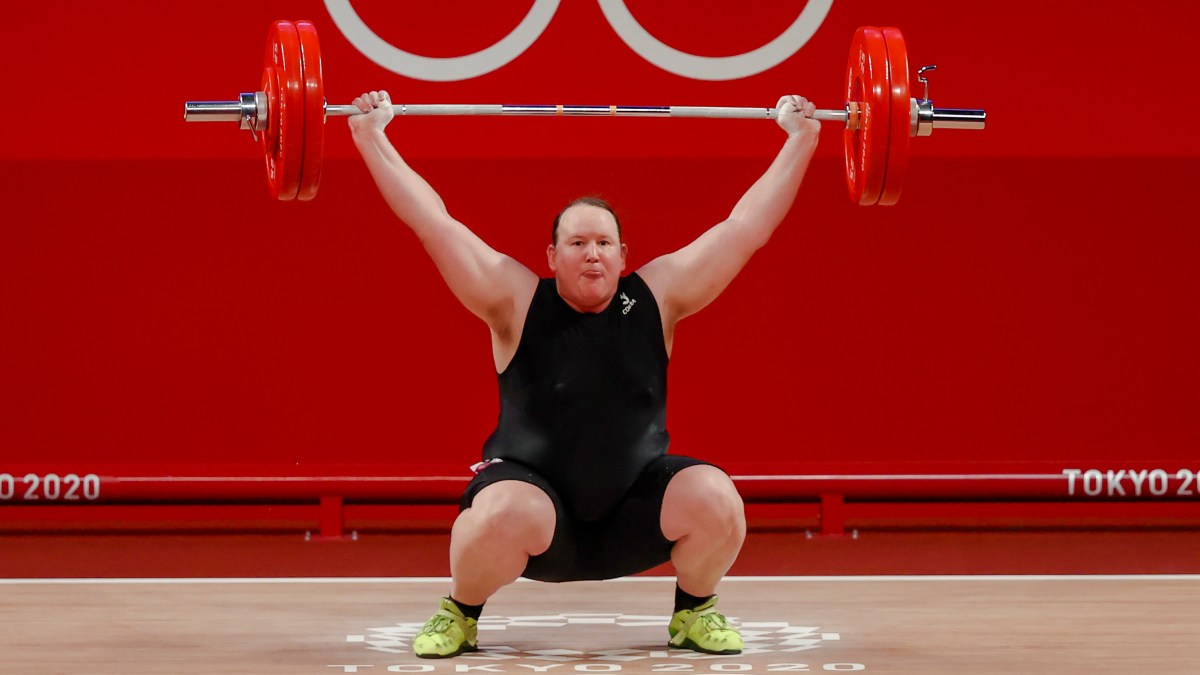
The International Olympic Committee plans to ban transgender women from all female Olympic events early next year after a scientific review found that physical advantages from being born male persist even with hormone treatment, aiming to protect the female category before the 2028 Los Angeles Olympics.
A California high school girls' volleyball team forfeited a match against a team with a trans athlete, citing safety and fairness concerns, sparking controversy over transgender participation in girls' sports.
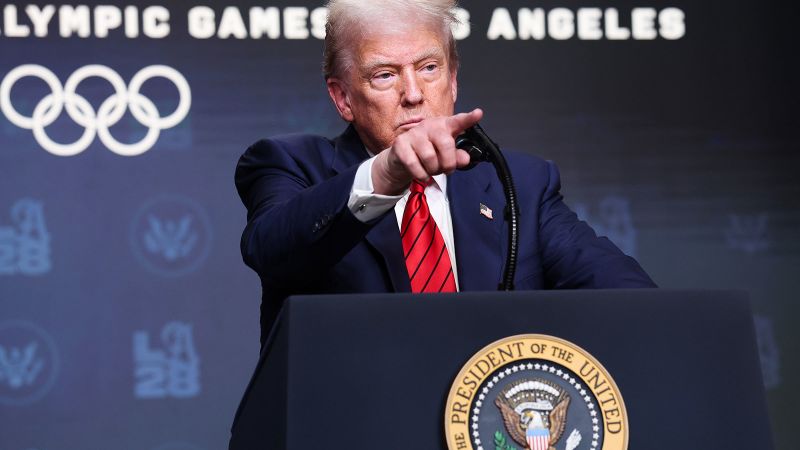
President Donald Trump signed an executive order to prepare for the 2028 Los Angeles Olympics, emphasizing a stance against transgender women participating in women's sports, promising strong testing measures, and pledging federal support for security and success of the Games.
The Trump administration updated US visa policies to prevent transgender women from obtaining 'extraordinary ability' visas to compete in women's sports, citing fairness and safety concerns, and building on earlier executive orders to restrict trans women from competing in female sports.
The USOPC has updated its policies to align with a federal order, now barring transgender women from women's competitions, which may impact USA Ultimate's inclusive policies, though it currently allows transgender women to compete in the women's division. The situation highlights ongoing shifts in sports policies regarding transgender athletes, with organizations like USA Fencing and NCAA also adjusting their rules.
The article argues that the USOPC's ban on transgender women in sports is a distraction orchestrated by the Trump administration to divert attention from broader issues like foreign aid cuts and social inequalities, and claims that the policy is based on misinformation and serves political interests rather than athlete safety or fairness.
The USOPC updated its policies to effectively exclude transgender women from women's sports, citing compliance with a federal executive order from President Trump, though the policy details remain vague.
The US Olympic and Paralympic Committee has effectively barred transgender women from competing in women's sports, citing compliance with an executive order from Donald Trump aimed at ensuring fairness and safety in female competitions, a move that has drawn criticism from advocacy groups and follows similar policies by other sports organizations.
The Trump administration sued California over its policy allowing transgender high school athletes to participate in girls' sports, claiming it violates Title IX and discriminates against women, while California defends its law as compliant with existing state regulations and federal law.
The Trump administration sued California's Education Department and high school sports authority, alleging that allowing transgender girls to compete in girls' sports violates federal laws against sex discrimination and undermines the integrity of women's sports, as part of a broader political conflict over transgender athlete participation.
The Trump administration has sued California over its policies on transgender athletes, asserting that federal law requires compliance regardless of state laws, leading to a legal clash over sports participation and federal funding conditions.
The Trump administration sued California over its policy allowing transgender athletes to compete in school sports matching their gender identity, alleging violations of Title IX and risking billions in federal education funds, amidst ongoing legal and political conflicts over civil rights and gender policies.
The article discusses the ongoing debate over transgender athlete bans in sports, highlighting a recent incident in women's volleyball where social media fueled controversy by suggesting unfair advantage, illustrating that such bans are often driven by political motives rather than fairness.
The University of Pennsylvania is facing criticism from LGBTQ activists and legal experts for banning transgender female athletes from women's sports to comply with a Department of Education interpretation of Title IX, amid broader political and legal battles over transgender rights in sports. The university's decision, influenced by federal pressure and executive orders, has sparked debates about legality, fairness, and the rights of transgender students, with some viewing it as a capitulation to anti-trans policies and others as compliance with federal requirements.