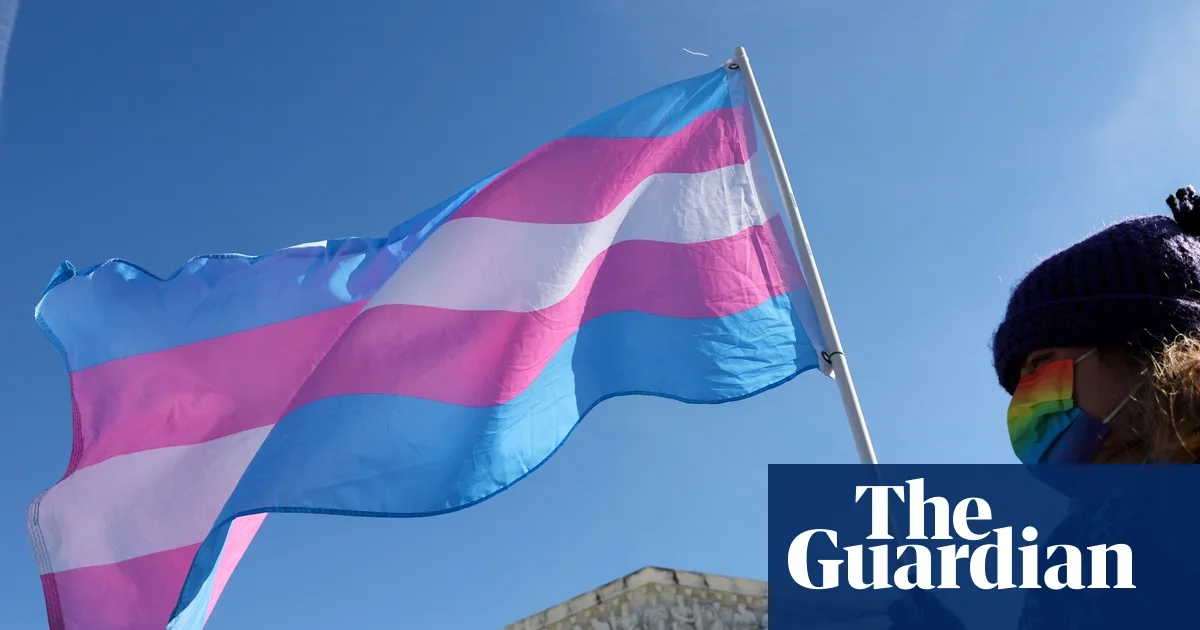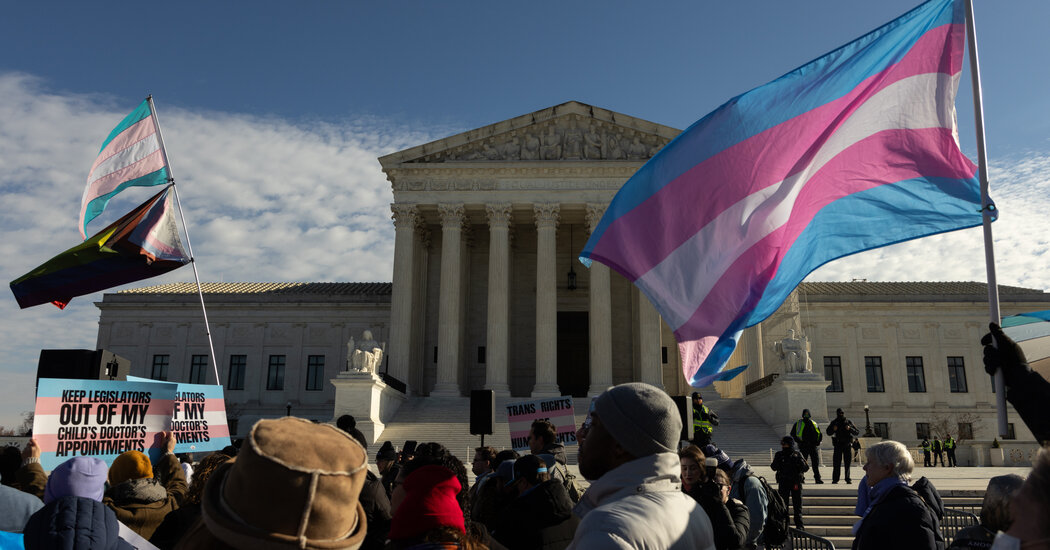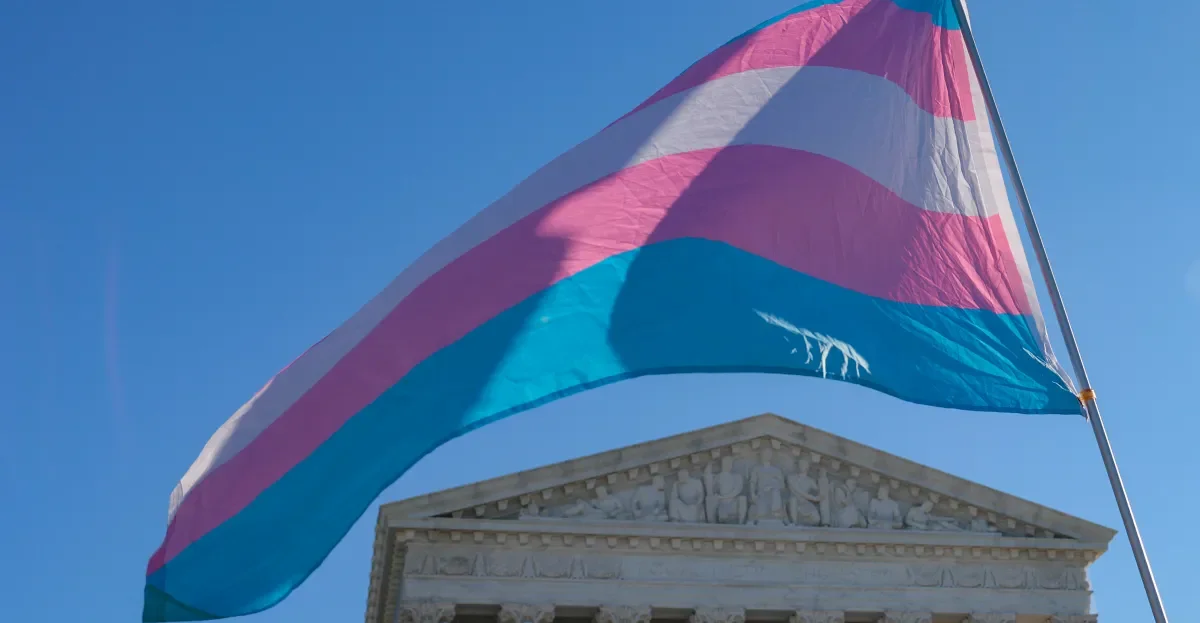
The Supreme Court upheld a Tennessee law banning certain medical treatments for transgender minors, ruling that it did not violate the Constitution's equal protection clause, with a 6-3 decision. The ruling marks a setback for transgender rights, with dissenting justices warning of potential harm to affected youths. The decision emphasizes that such issues should be addressed by elected representatives rather than courts, leading to a patchwork of laws across states.
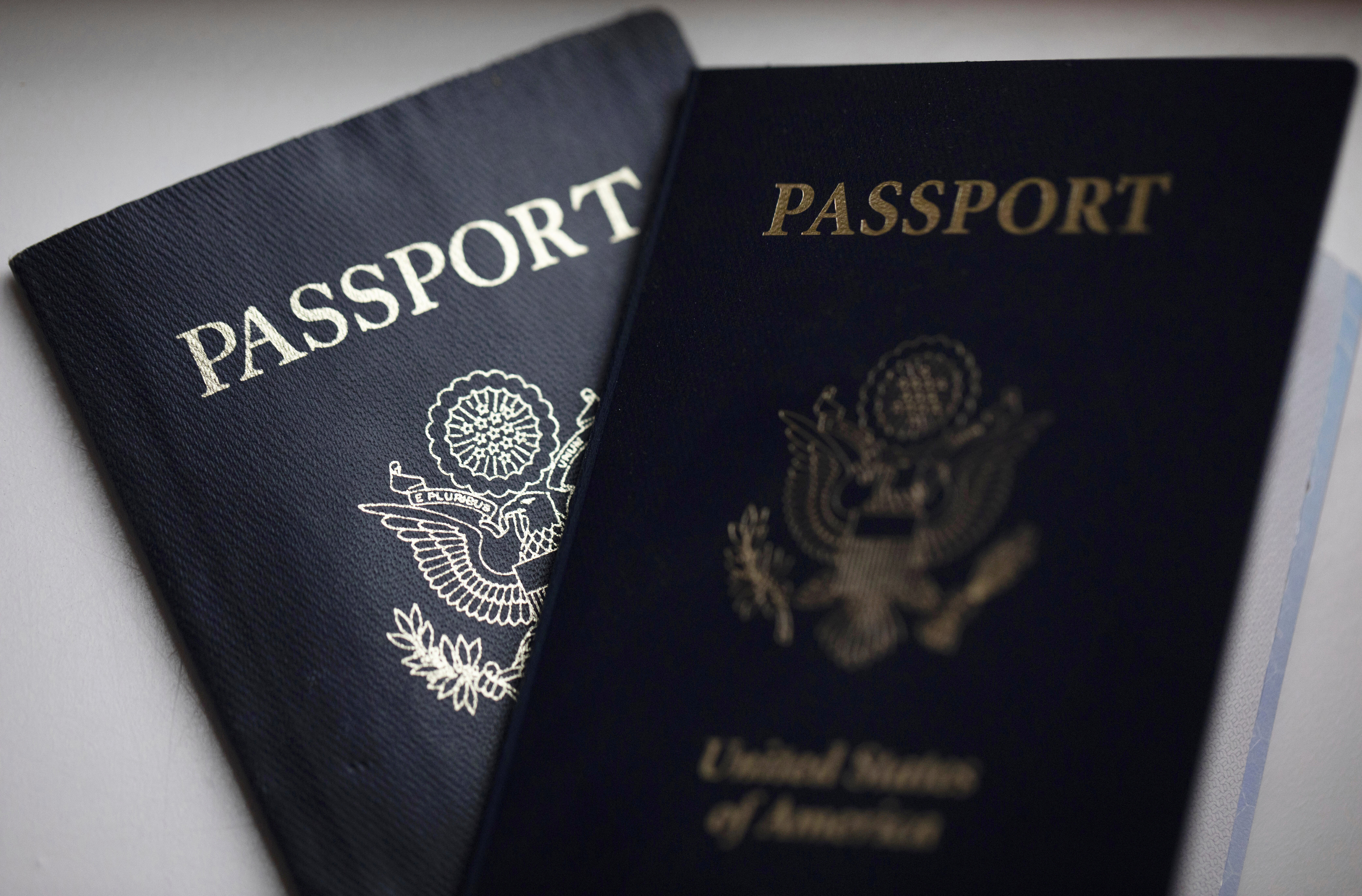
A U.S. federal judge has blocked the Trump administration's policy limiting passport sex markers to male, female, or 'X', ruling that it violates the constitutional rights to equal protection for transgender and nonbinary individuals, and allowing them to select their preferred gender markers when applying for or renewing passports.
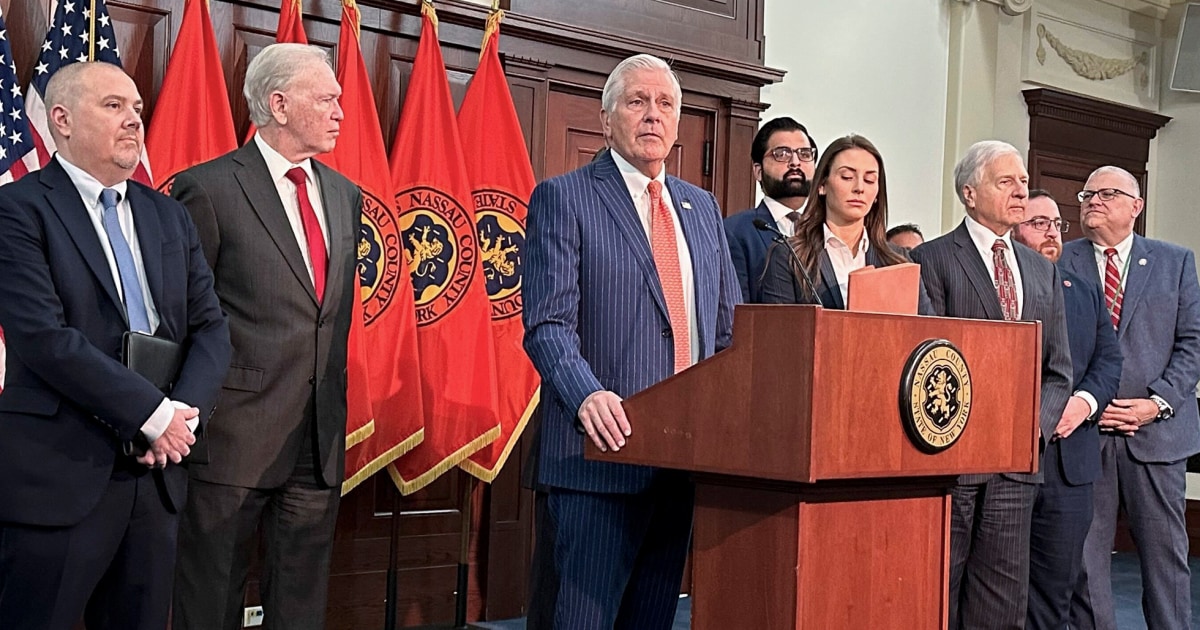
Nassau County Executive Bruce Blakeman has filed a lawsuit against New York state Attorney General Letitia James, seeking affirmation of his authority to ban transgender female athletes from participating in girls and women’s sports, citing concerns about unfair competitive advantage and safety. Blakeman argues that the state's order to rescind his ban violates the U.S. Constitution's "equal protection" clause, while James' office has labeled the ban as "transphobic and discriminatory." The executive order requires sports teams to designate themselves as male, female, or coed based on members' "biological sex at birth," and has sparked controversy amid ongoing debates over transgender rights in sports.
A federal judge in Texas ruled that the Minority Business Development Agency must offer its services to people of all races and ethnic groups, not just minority-owned businesses, after two white business owners sued the agency for discrimination. The judge found that the agency's practice violated the 14th Amendment's guarantee of equal protection under the law and permanently barred it from serving only members of minority groups. This ruling is part of a trend of court decisions eroding federal affirmative-action mandates, including a Supreme Court ruling last June that affected race-conscious college admissions programs.
A judge in Texas has ruled that the Minority Business Development Agency, established to assist minority-owned businesses, must open its services to all races and ethnicities, including white people. The ruling came after three white business owners claimed they were discriminated against by the agency. The judge argued that while the agency aimed to reverse discrimination against people of color, it in turn discriminated against white individuals, violating the Fifth Amendment's equal protection guarantees.
A federal judge in Texas ruled that the Minority Business Development Agency (MBDA) must provide assistance to all individuals, regardless of race, after White business owners claimed its policies were unconstitutional. The judge found that the agency's reliance on a statutory presumption of social or economic disadvantage based on race violated the 14th Amendment's equal protection clause. The ruling permanently bars the agency from considering race in determining assistance eligibility, impacting its services for minority-owned businesses. This decision follows a trend of conservative challenges to federal programs in Texas federal courts.
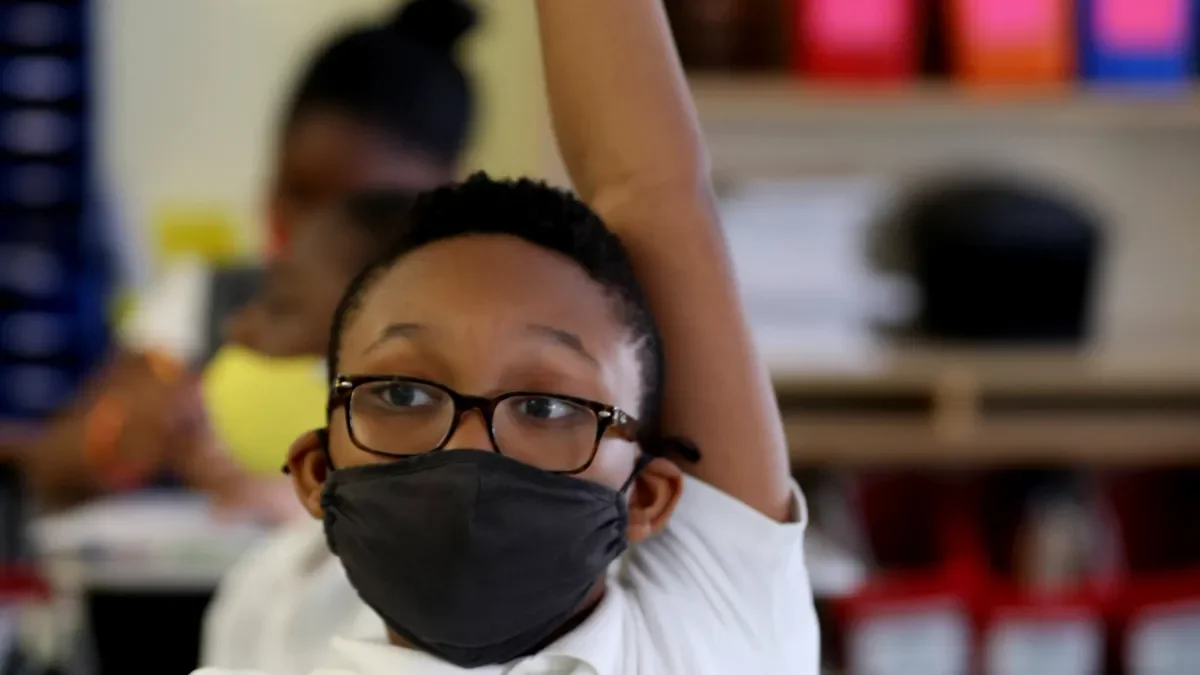
The Supreme Court declined to hear an appeal from Charter Day School in North Carolina, upholding an appellate ruling that barred the public charter school from requiring girls to wear skirts to school. The dress code was found to violate female students' equal protection rights by a federal appeals court, which concluded that public charter schools, as state actors, are subject to the Constitution's equal protection clause. The school's founder had said the dress code was intended to promote "chivalry" by male students and respect for female students.
The Supreme Court declined to hear a case challenging a dress code at a North Carolina charter school that required girls to wear skirts, leaving in place a ruling that held the dress code violated the equal protection clause of the 14th Amendment. The decision raises questions about whether charter schools are subject to the same laws as other public schools or act more like private entities. The case was Charter Day School v. Peltier.
Penguin Random House and five authors, along with two parents of students and the advocacy group PEN America, have filed a federal lawsuit against a Florida county school board over its decisions to ban and restrict access to books, alleging that it violates constitutional rights to free speech and equal protection under the law. The officials in Escambia County have banned more than a dozen books in the county school district's libraries and classrooms in response to a wave of challenges by conservative teachers and parents, disproportionately affecting books that address racism and LGBTQ relationships.