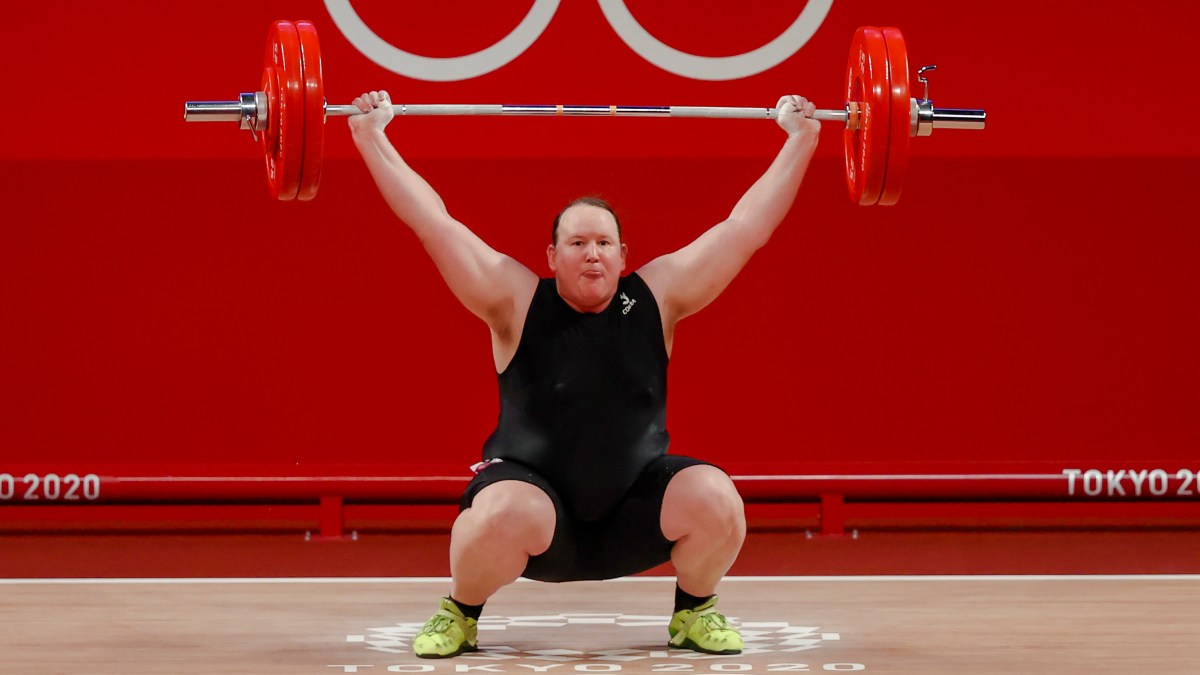
The International Olympic Committee plans to ban transgender women from all female Olympic events early next year after a scientific review found that physical advantages from being born male persist even with hormone treatment, aiming to protect the female category before the 2028 Los Angeles Olympics.
The IOC has decided to advise international sports federations against hosting events in Indonesia following the country's ban on Israeli athletes due to the Gaza conflict, leading to potential consequences for Indonesia's participation in future Olympic events and emphasizing the importance of open access for all athletes.
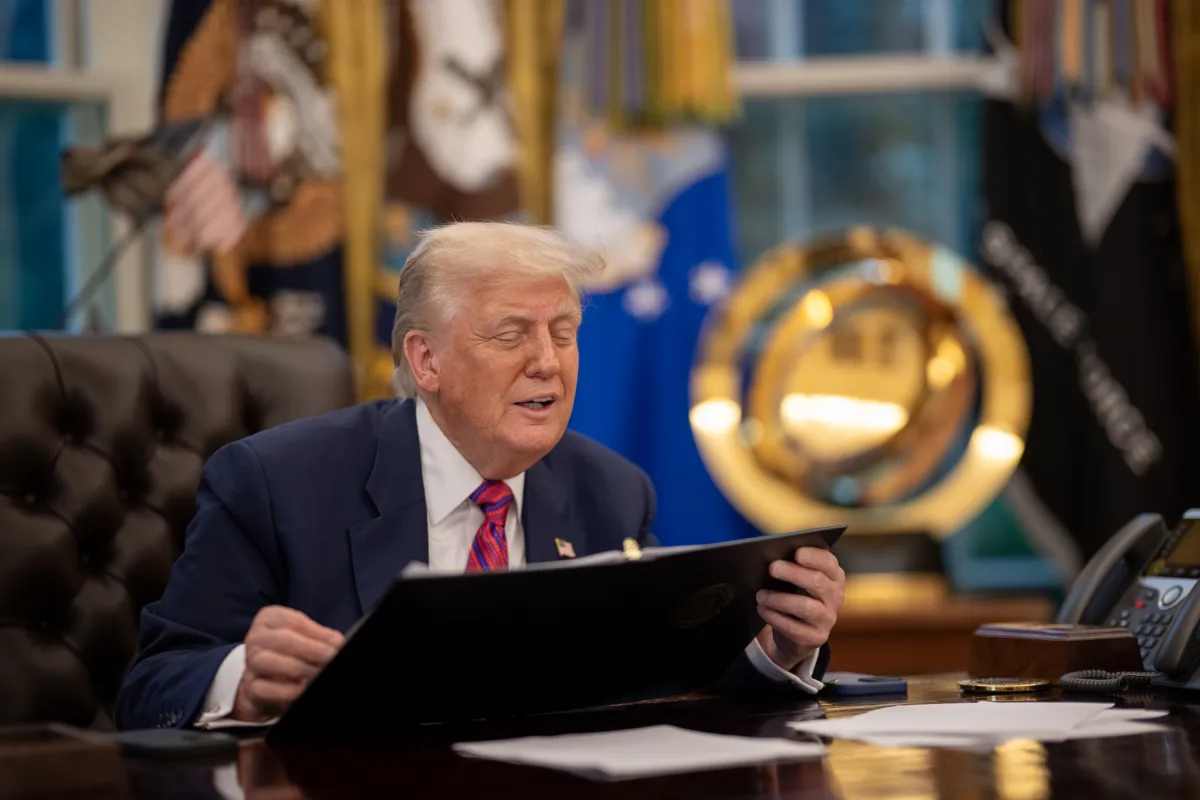
President Trump has threatened to pressure the IOC to move the 2028 Los Angeles Olympics and FIFA to relocate the upcoming World Cup games from Boston, citing concerns over safety and local handling of incidents, although he has no official authority to do so.
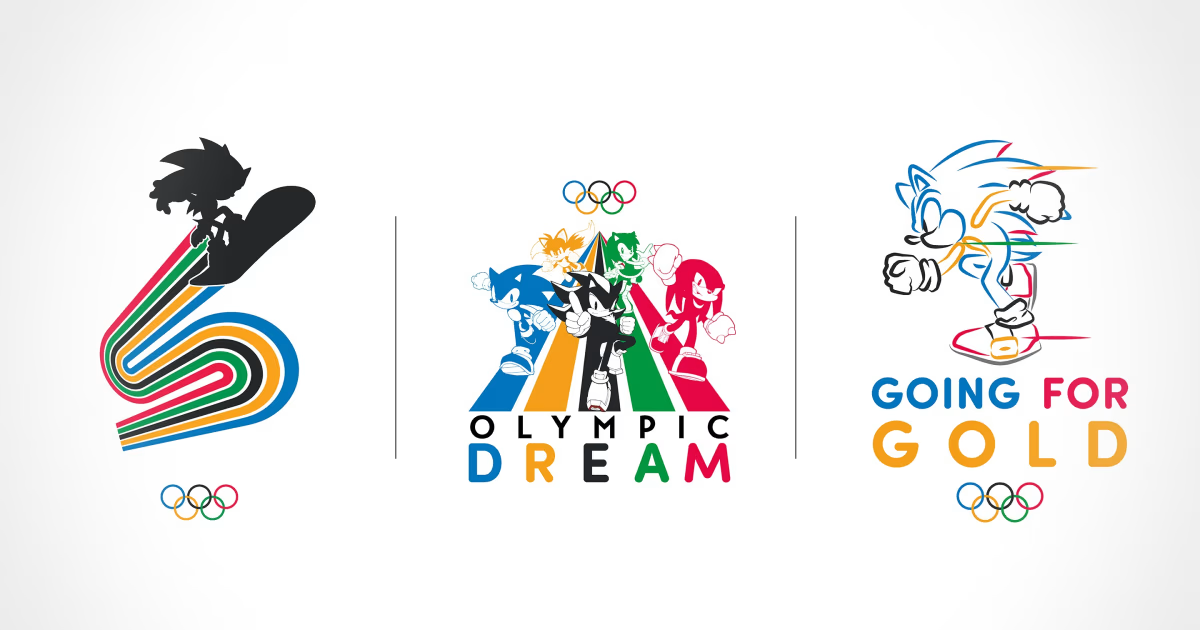
The IOC and SEGA have announced a multi-year licensing deal featuring Sonic the Hedgehog, with a first look at artwork combining Sonic and Olympic symbols, and plans for merchandise releases in 2026, emphasizing the values of sport and play.
The 2028 Los Angeles Olympics will be the first to allow corporate sponsor names on venues, a shift from traditional policies, to boost revenue and reduce costs, with existing sponsors retaining rights and new opportunities opening for branding, all while maintaining the 'clean venue' policy for the field of play.
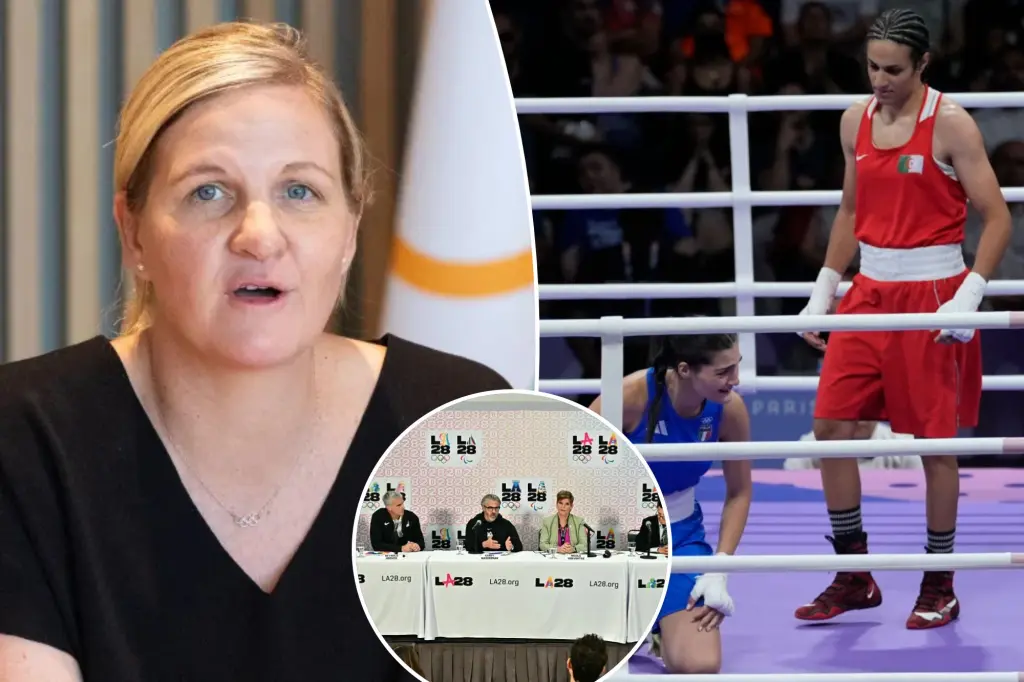
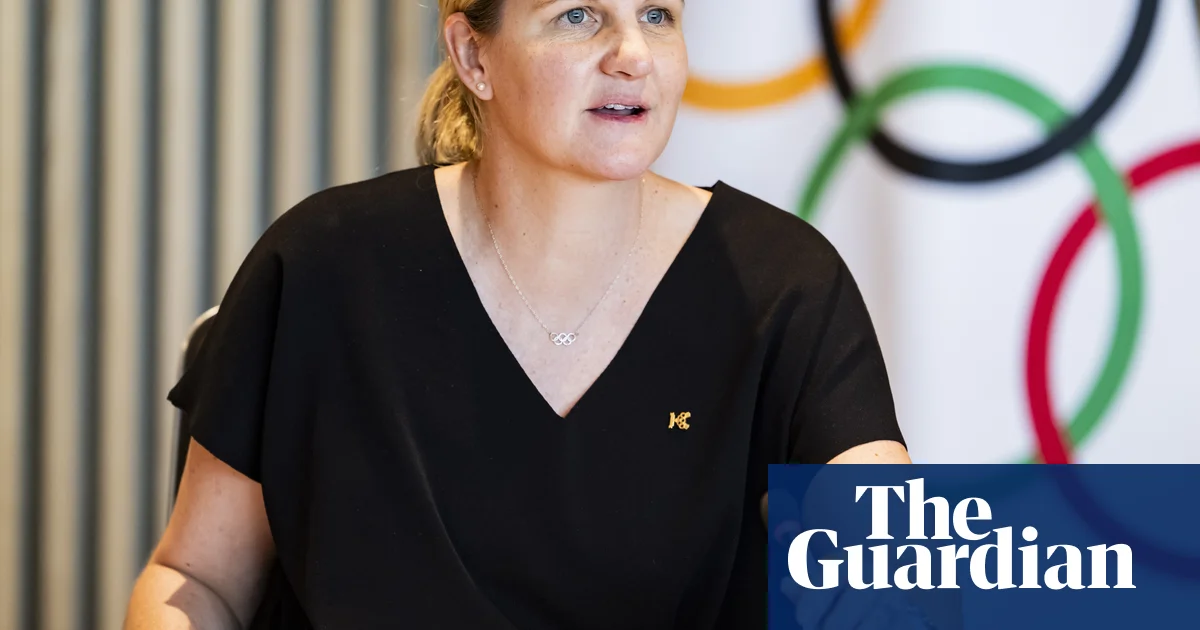
New IOC President Kirsty Coventry emphasizes the importance of protecting women's sports categories at the 2028 Olympics, advocating for scientific and fair inclusion policies that exclude biological males from women's competitions, inspired by policies like those of World Athletics.
The new IOC president Kirsty Coventry emphasized the importance of protecting the female sports category amid the rise of transgender athletes, advocating for a scientific approach and international federation involvement to ensure fairness, while indicating that past competition results will not be retroactively changed.
Kirsty Coventry, new IOC president, announced a scientific approach to protect the female category in sports, establishing a taskforce to develop new policies that may ban transgender and athletes with differences of sex development from competing in women's events, emphasizing fairness and moving forward without revisiting past results.
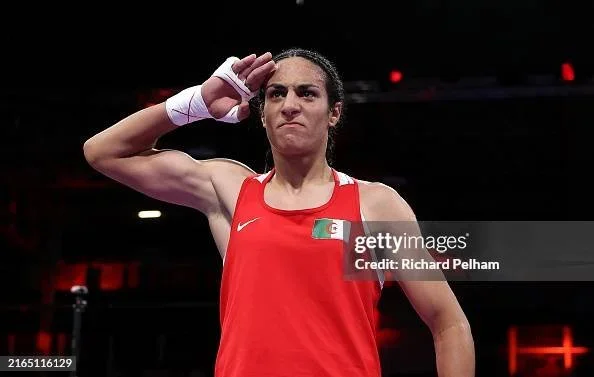
The article discusses the controversy surrounding Imane Khelif, an Algerian boxer with XY chromosomes, who competed as a woman and is now subject to mandatory sex testing by World Boxing, amid broader debates about gender identity, biological sex, and fairness in sports. The IOC's handling of the case, including its recognition of Khelif's gender identity despite biological evidence, highlights ongoing conflicts over gender policies in sports.
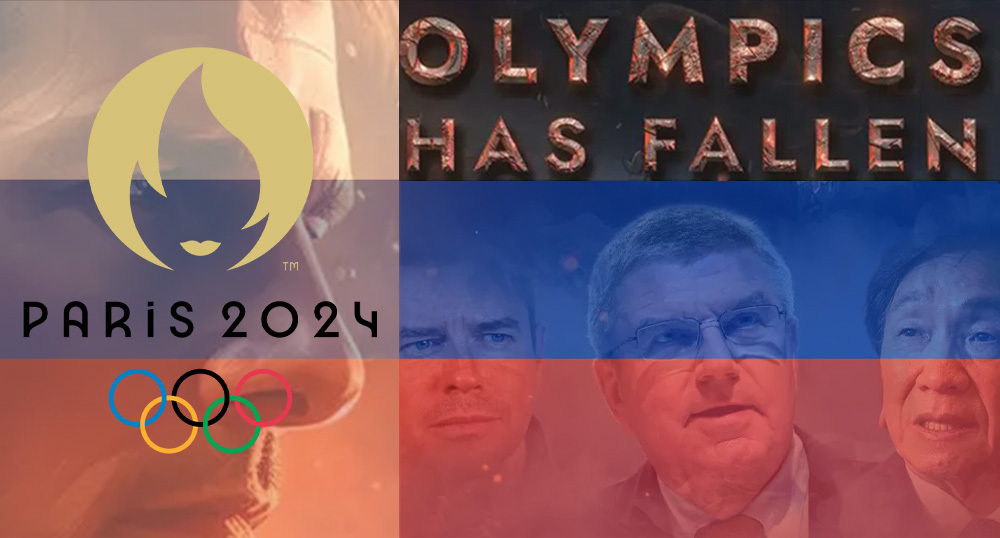
A report by Microsoft's threat intelligence unit reveals that Russia is attempting to discredit the 2024 Summer Olympics in Paris and instill fear among participants and fans. Following its ban from the Games due to the occupation of Ukraine, Russia has used AI deepfakes and fake news to undermine the event and the International Olympic Committee.
Toyota is reportedly ending its $835 million sponsorship deal with the International Olympic Committee after the 2024 Paris Olympics, citing dissatisfaction with how the IOC used the sponsorship money. The deal, which began with the 2018 Pyeongchang Winter Games, is the IOC's largest sponsorship. Toyota previously pulled its Olympic advertising during the Tokyo 2021 Games due to public opposition. The IOC, which heavily relies on broadcast rights and sponsorships for income, is expected to seek a new vehicle sponsor if Toyota exits.
The IOC has announced that Russian and Belarusian athletes will not be allowed to participate in the traditional parade at the opening ceremony of the Paris Olympics, with approved neutral athletes likely to watch from near the River Seine. The decision follows a ban by the International Paralympic Committee for its opening ceremony. The IOC has laid out a vetting procedure for individual athletes from Russia and Belarus to be granted neutral status, with specific criteria including no public support for the invasion of Ukraine or affiliation with military or state security agencies. Additionally, the IOC revealed that any medals won by neutral athletes will not be counted as a collective group in the overall medals table, and detailed the replacement flag and anthem for neutral athletes at medal ceremonies.
The International Olympic Committee's Executive Board has established a protocol for the participation of Individual Neutral Athletes (AINs) with Russian or Belarusian passports at the Paris 2024 Olympic Games, including the creation of an Individual Neutral Athlete Eligibility Review Panel (AINERP) to evaluate their eligibility. AINs will compete under strict conditions, and their medals won't be displayed in the NOC medal table. The AIN flag and anthem will be used, and they will not participate in the parade of delegations during the Opening Ceremony. The IOC also discussed protocol elements and established principles for AIN participation in ceremonies.
The International Olympic Committee's decision to allow some Russian athletes to compete at the 2024 Paris Olympics is seen as an act of cruelty towards Ukrainian athletes. By forcing Ukrainian athletes to compete alongside those representing a regime that has caused immense harm to their country, the IOC is adding to their trauma. The decision is seen as a disregard for the suffering Ukraine has endured due to Russia's aggression. Critics argue that the IOC's claim of neutrality is a facade, as it effectively sides against Ukraine and normalizes Russia's war of aggression.
Russian and Belarusian athletes who have qualified for the Paris 2024 Olympics will be allowed to compete as neutral athletes if they meet eligibility requirements, according to the International Olympic Committee (IOC). The decision applies to individual athletes only and not teams. Athletes who actively support the war or are contracted to their country's military services will not be eligible. The IOC stated that no flag, anthem, colors, or other identifications of Russia or Belarus will be displayed at the Olympic Games. The International Paralympic Committee also voted against a full suspension of the two countries' national Paralympic committees, allowing Russian and Belarusian para-athletes to compete under a neutral flag at the Paralympic Games.