Ian Schieffelin, a Clemson athlete, was arrested on suspicion of DUI and will miss some games this season as per Clemson's policy, with the coaching staff expressing disappointment but relief that no one was harmed.
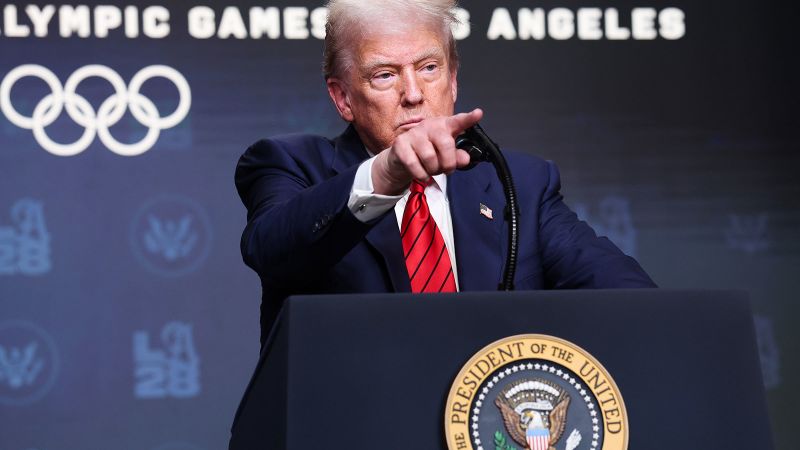
President Donald Trump signed an executive order to prepare for the 2028 Los Angeles Olympics, emphasizing a stance against transgender women participating in women's sports, promising strong testing measures, and pledging federal support for security and success of the Games.
The USOPC has updated its policies to align with a federal order, now barring transgender women from women's competitions, which may impact USA Ultimate's inclusive policies, though it currently allows transgender women to compete in the women's division. The situation highlights ongoing shifts in sports policies regarding transgender athletes, with organizations like USA Fencing and NCAA also adjusting their rules.
The U.S. Olympic & Paralympic Committee has updated its policies to comply with President Trump's executive order banning transgender women from competing in women's sports, implying that transgender women will no longer be eligible for women's divisions, though the policy does not explicitly mention transgender individuals. The impact on future Olympic participation remains unclear, and no openly transgender athlete has yet won an Olympic medal.
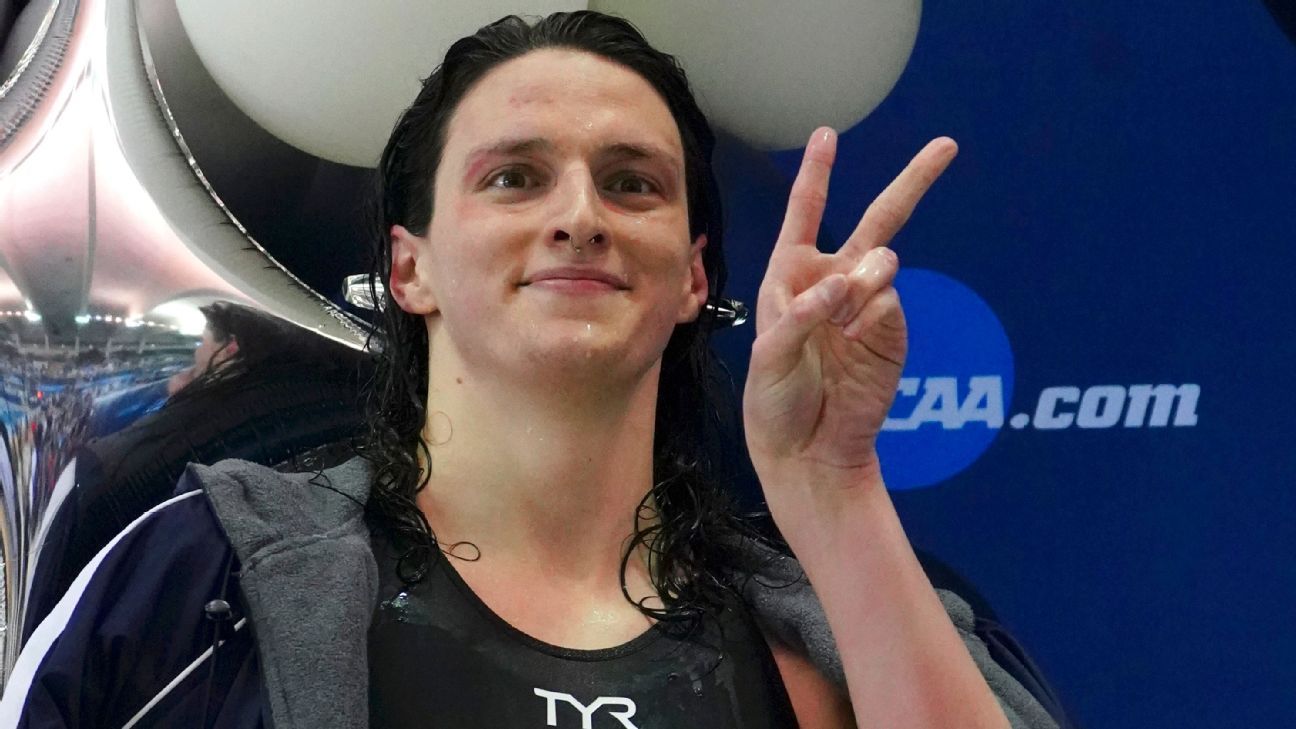
The University of Pennsylvania will ban transgender athletes from competing in women's sports following a federal investigation into Lia Thomas's participation, aligning its policies with current eligibility guidelines and emphasizing a biology-based definition of gender, amidst ongoing debates over transgender rights in sports.
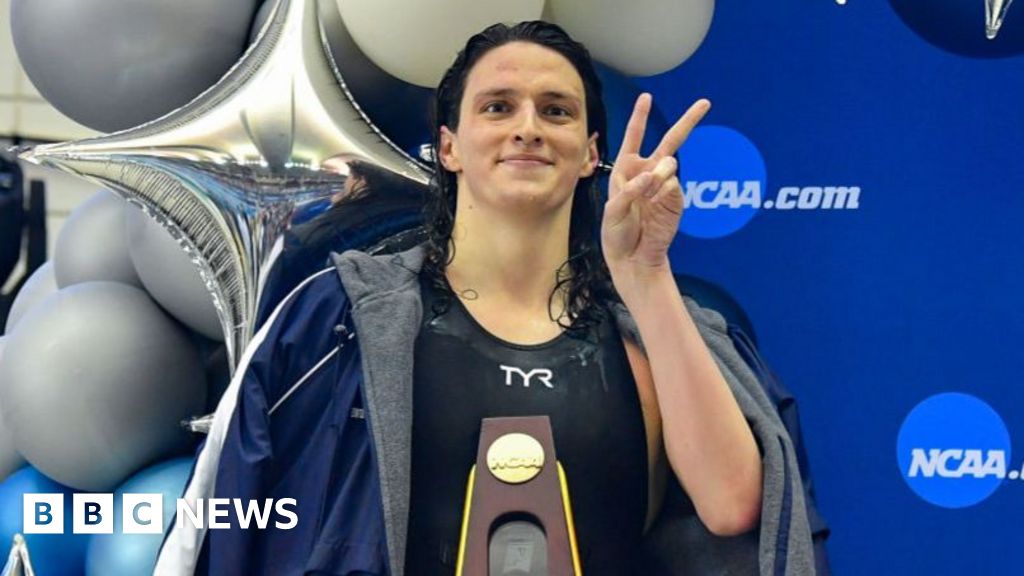
The University of Pennsylvania has agreed to ban transgender women from its women's sports teams following a federal civil rights case related to Lia Thomas, a transgender swimmer. The school will restore records and titles to affected female athletes, issue apologies, and adopt biology-based definitions of gender, in a move seen as aligning with broader efforts to restrict transgender participation in women's sports.
The U.S. Department of Education has accused California of violating the civil rights of female students by allowing transgender athletes to compete in school sports, urging the state to change its policies within 10 days to avoid enforcement actions. The investigation follows ongoing disputes over transgender participation in sports, with federal authorities emphasizing compliance with Title IX, while California officials maintain their policies are lawful under state law.
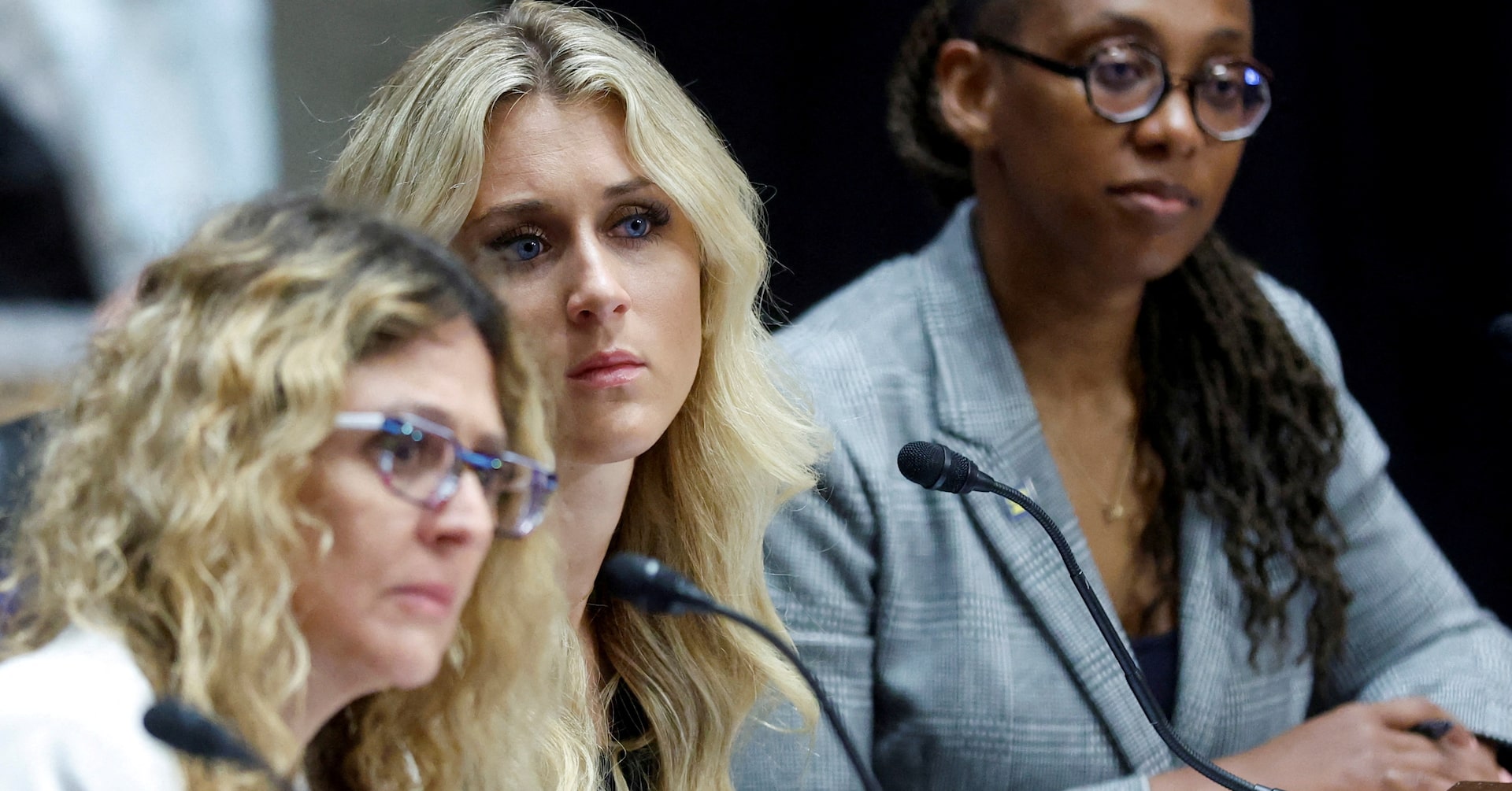
USA Gymnastics is considering changing its policies regarding transgender athletes amid a public feud between Simone Biles and Riley Gaines over inclusivity in women's sports, following Biles' controversial comments and subsequent apology.
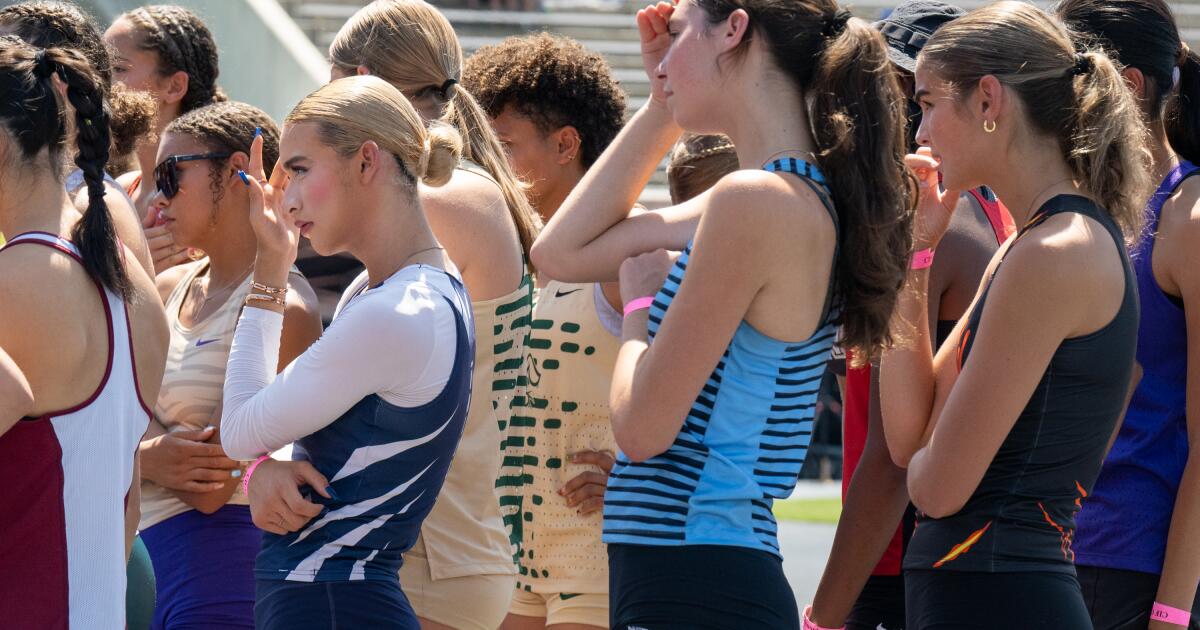
The U.S. Justice Department threatened legal action against California schools for allowing transgender students to compete in high school sports, claiming it violates the Constitution's Equal Protection Clause, amid ongoing political debates and recent athletic achievements by trans students.
The Trump administration is threatening legal action and fines against California school districts over the state's policy allowing transgender athletes to compete in high school sports, claiming it violates the Constitution's equal protection clause following a transgender athlete's recent victories.
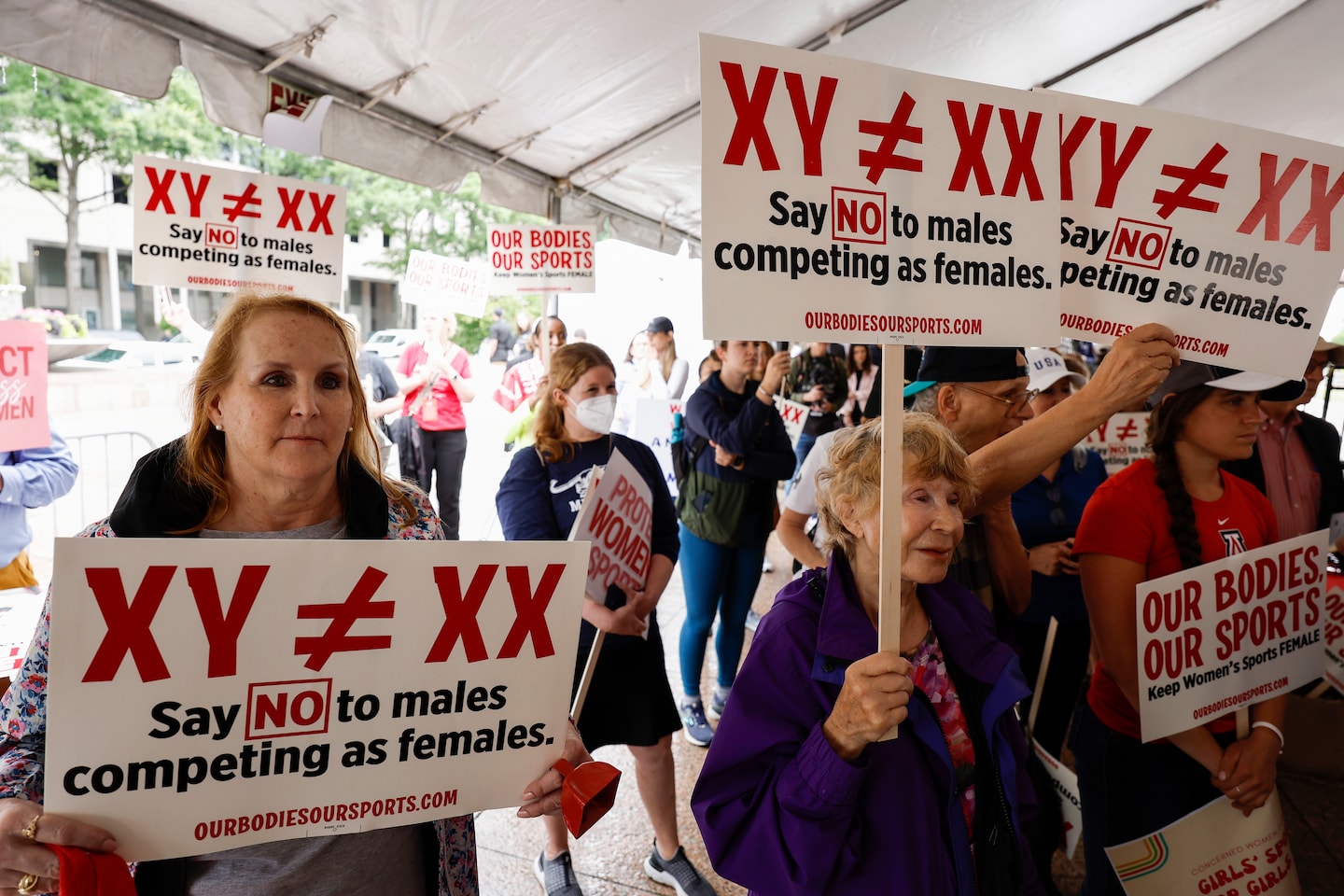
The National Association of Intercollegiate Athletics (NAIA) has implemented a new policy banning transgender women from competing in women's sports, making it the first major college sports governing body in the U.S. to do so. The policy allows transgender men and trans masculine students to compete on women's teams under certain conditions, and all students, including trans men and trans women, are allowed to compete on men's teams. The move has sparked controversy and criticism from LGBTQ rights organizations, with some arguing that it violates Title IX.
The National Association of Intercollegiate Athletics (NAIA) has banned transgender women from competing in women's sports, with a 20-0 vote by its Council of Presidents. The policy states that only athletes whose biological sex is female may participate in female sports, while those who have begun masculinizing hormone therapy are banned from external competition. This decision contrasts with other athletic bodies that allow trans athletes to compete based on testosterone levels. The NAIA's move has sparked criticism from LGBTQ rights advocates, and comes amid ongoing debate and legal challenges surrounding transgender participation in sports.
The National Association of Intercollegiate Athletics (NAIA) has voted to ban transgender women from women’s sports starting next school year, sparking concerns that the NCAA may follow suit. The decision has raised concerns among transgender-rights advocates and has been met with both support and criticism. The move comes amid ongoing debates and legal challenges surrounding the inclusion of transgender athletes in sports, with various organizations and governing bodies grappling with how to establish fair and equitable rules.