The article discusses five key economic themes for 2026, including the impact of AI on the labor market and growth, the effects of recent tax cuts, potential changes in trade policy depending on court rulings, the future leadership of the Federal Reserve amid inflation concerns, and the political focus on affordability and inflation ahead of the midterm elections.
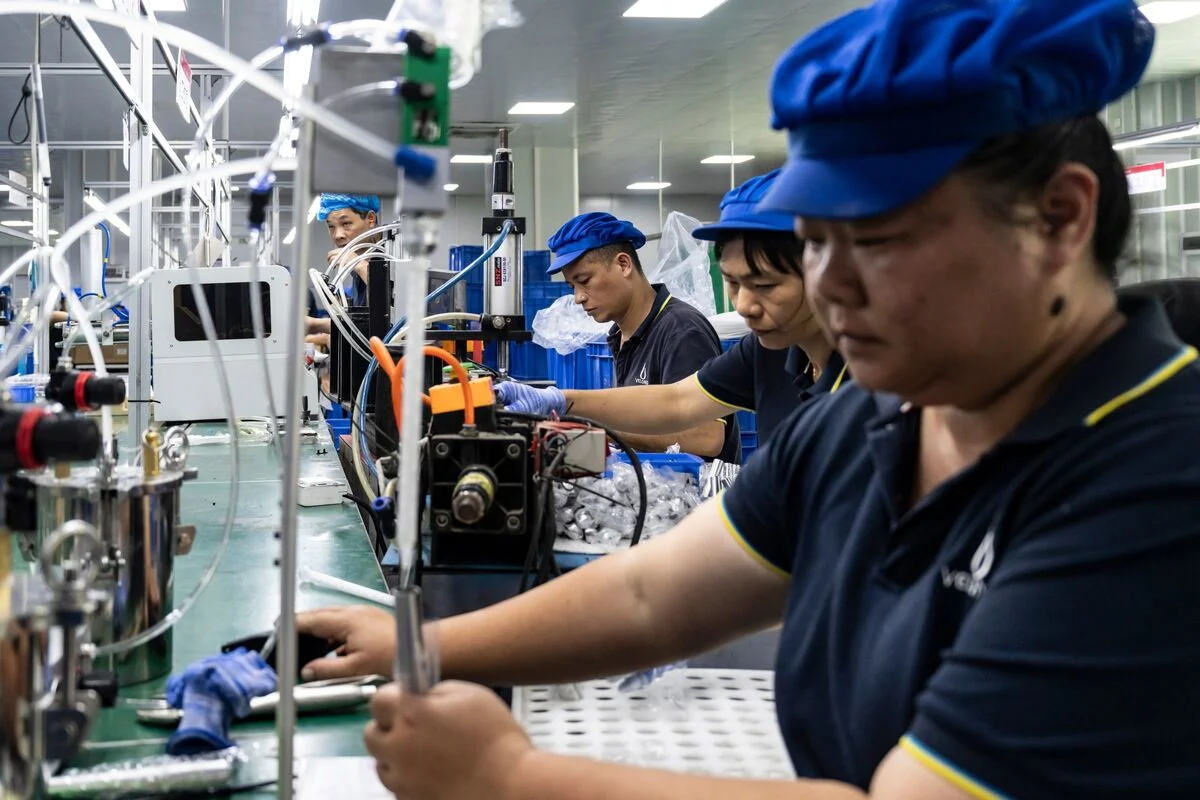
China's manufacturing activity in October grew less than expected, with the PMI slipping slightly and export orders dropping sharply due to trade uncertainties, though job creation accelerated. The slowdown reflects waning momentum as external trade tensions and holiday effects impact the economy, but recent US-China trade deal optimism may provide some relief.
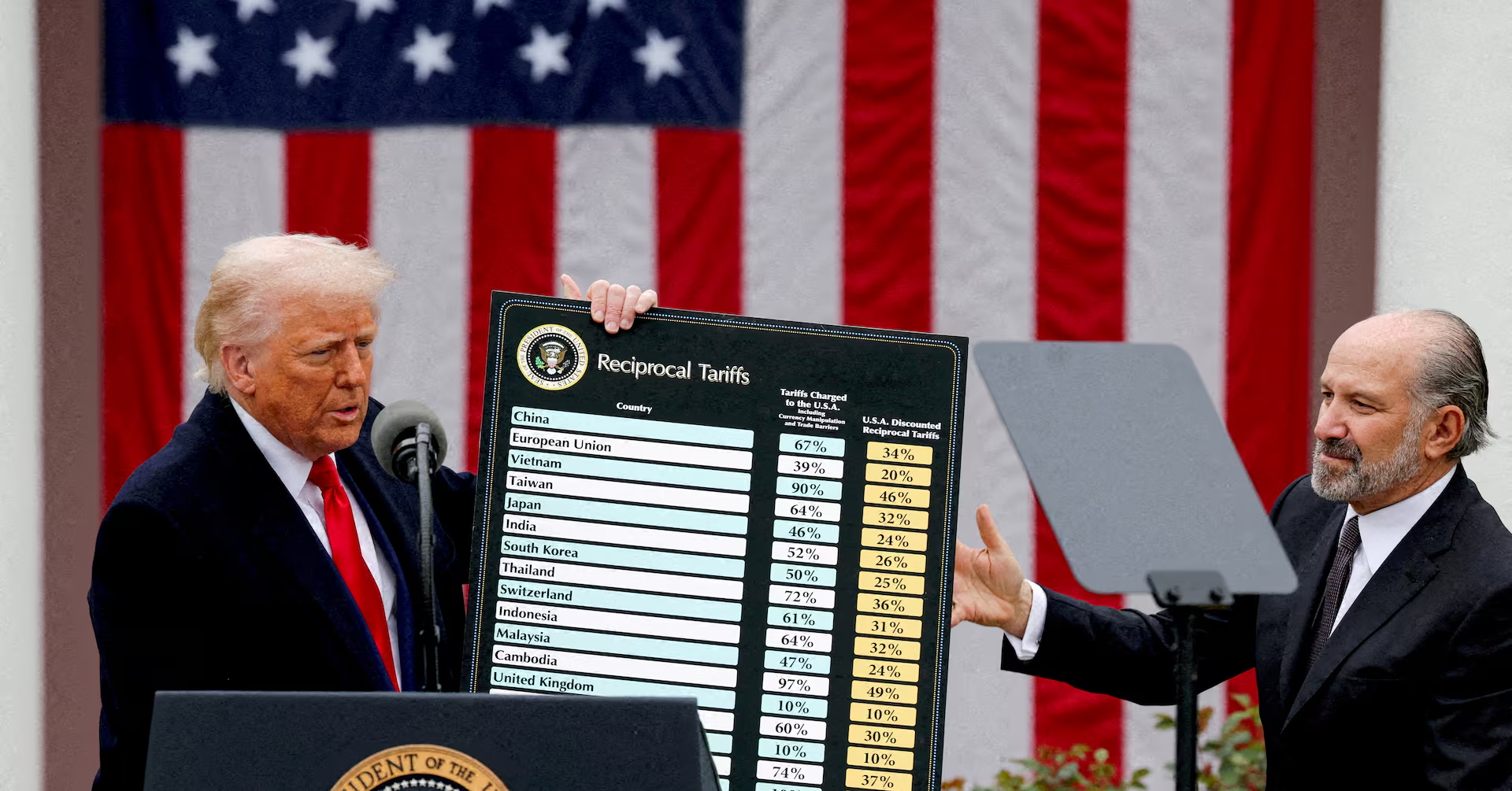
The U.S. Court of Appeals ruled that Trump's reciprocal tariffs on countries like China, Canada, and Mexico were an overreach, but they will remain until October 14 to allow an appeal, adding uncertainty to trade policies and potentially increasing market volatility despite recent stock gains.
President Trump announced new tariffs on imports from multiple countries, causing mixed market reactions and raising concerns about increased trade barriers and economic uncertainty. Experts highlight potential winners and losers among manufacturers and the overall negative impact on global trade growth.
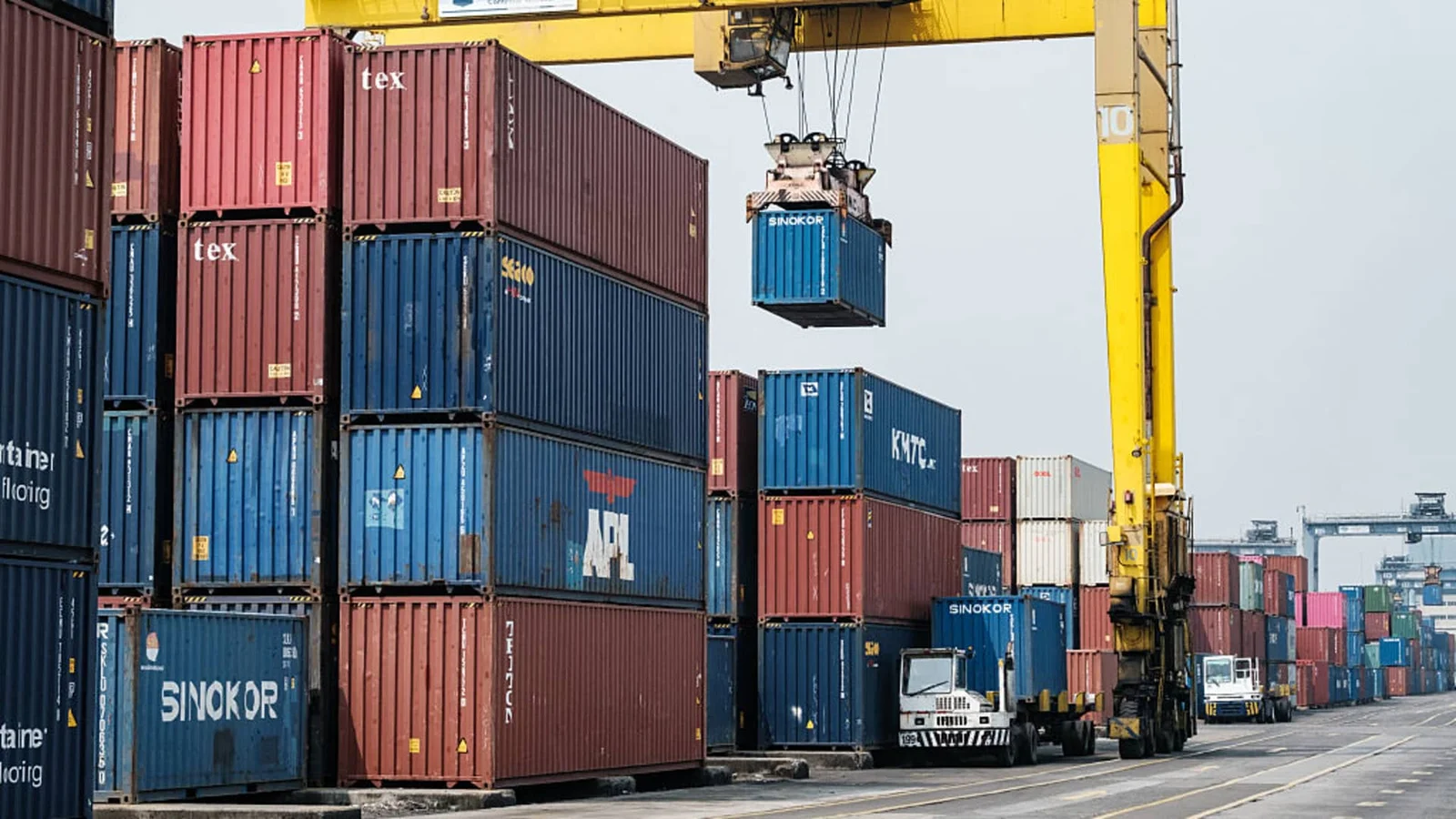
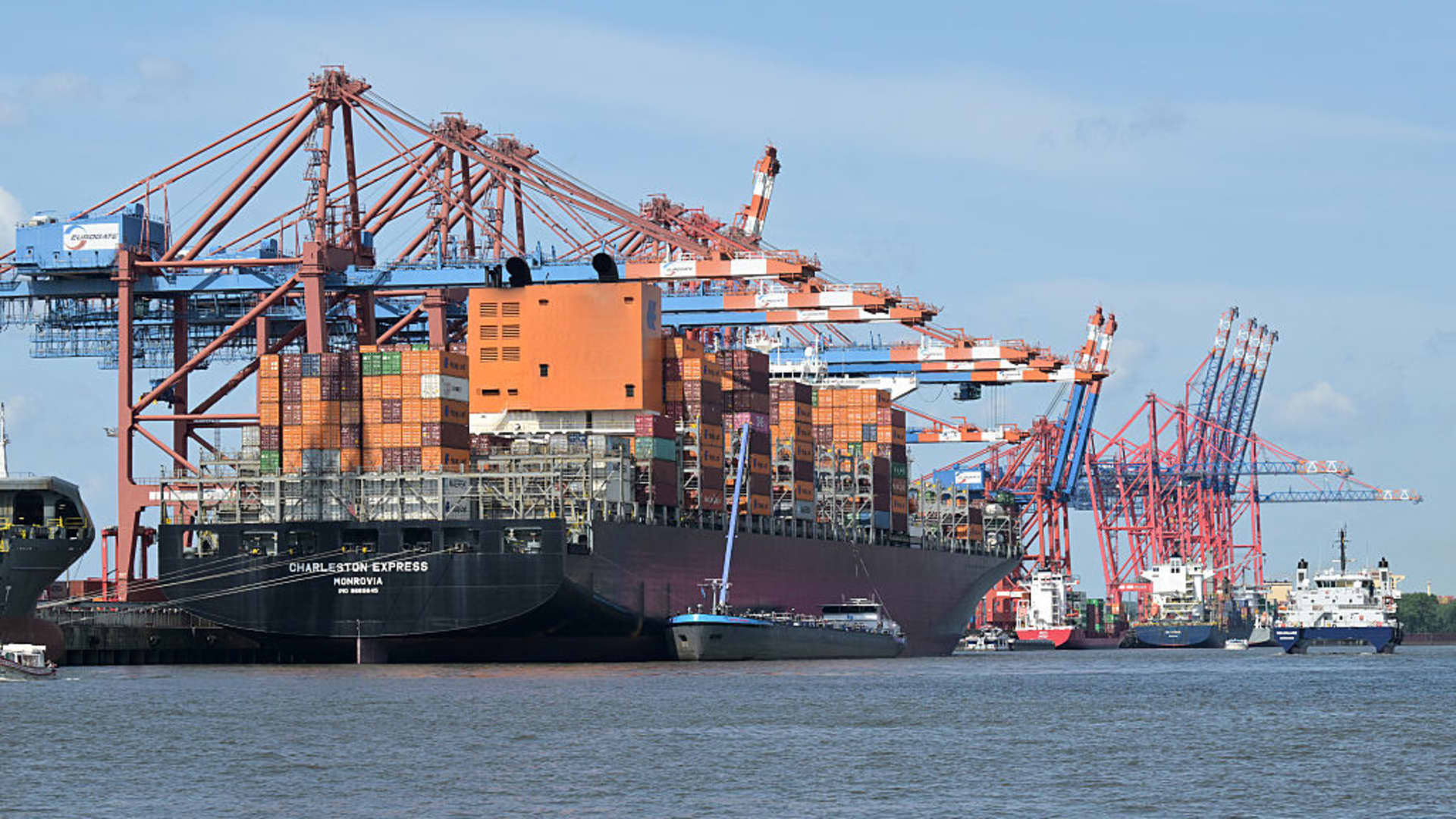
The article discusses how US tariffs, especially those on Chinese imports, are prompting companies to rethink and relocate their supply chains to countries like Vietnam and India, amid ongoing legal battles and trade uncertainties, impacting global trade dynamics and business strategies.
Canadian businesses are struggling with the uncertainty caused by the US tariff war, which has led to financial losses, delayed investments, and economic slowdown. Despite hopes for a trade deal, ongoing disputes and policy changes continue to create instability, affecting both manufacturing and service sectors. Business owners emphasize the need for clear rules and stability to navigate the challenges.
The World Bank has sharply lowered its global economic growth forecast for 2025 to 2.3%, citing trade uncertainty and tensions, especially between the US, China, and the EU, which could worsen the outlook if unresolved. The forecast is the slowest since 2008, with potential for improvement if major economies reach trade agreements.
Asian stocks rose driven by technology shares amid ongoing trade tensions, with South Korea reaching a 10-month high after election results. The dollar wobbled as new US tariffs on steel and aluminum took effect, and markets await a potential US-China call that could influence risk sentiment. Despite trade uncertainties, markets showed resilience, with some indices hitting multi-month highs, while commodities like oil and gold experienced slight declines or gains.
US manufacturing contracted for the third month in May, with the ISM index dropping slightly below 50, amid ongoing trade uncertainties and higher tariffs impacting imports, exports, and supply chains, leading to reduced demand and inventory adjustments.
The US dollar remains weak amid ongoing trade tensions and policy uncertainties, with the euro and other currencies gaining against it. European stocks and US futures are slightly lower, while gold and oil prices rise due to geopolitical and supply factors. Market sentiment is cautious as trade disputes and tariffs continue to influence investor behavior.