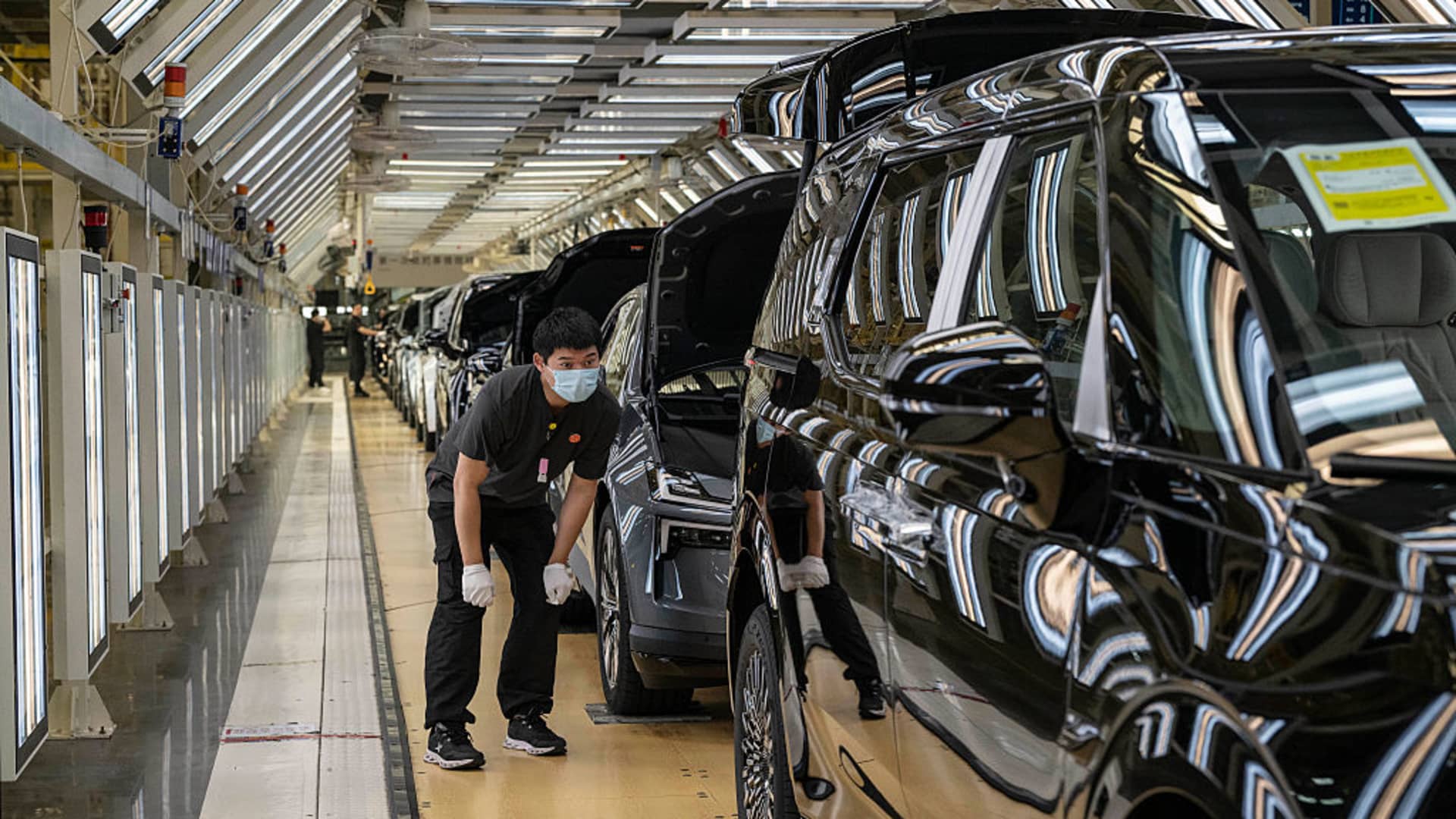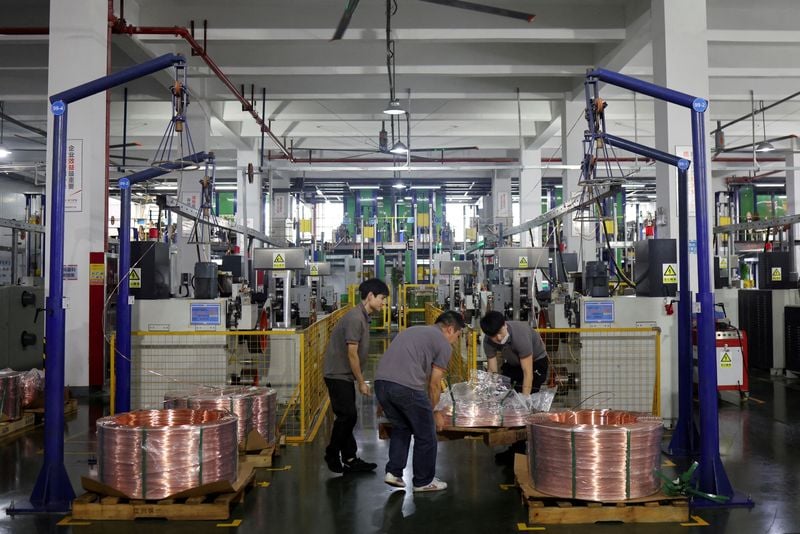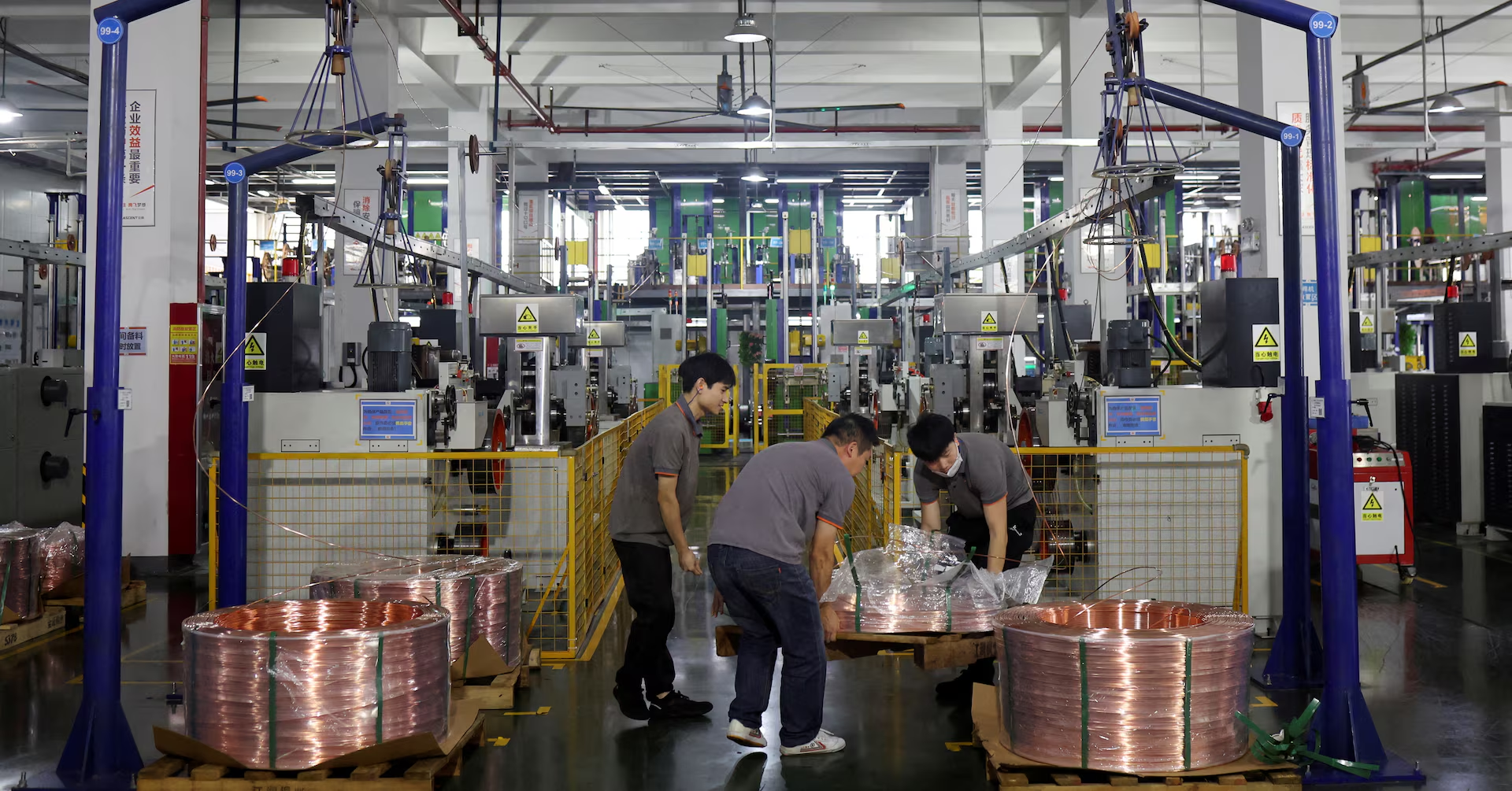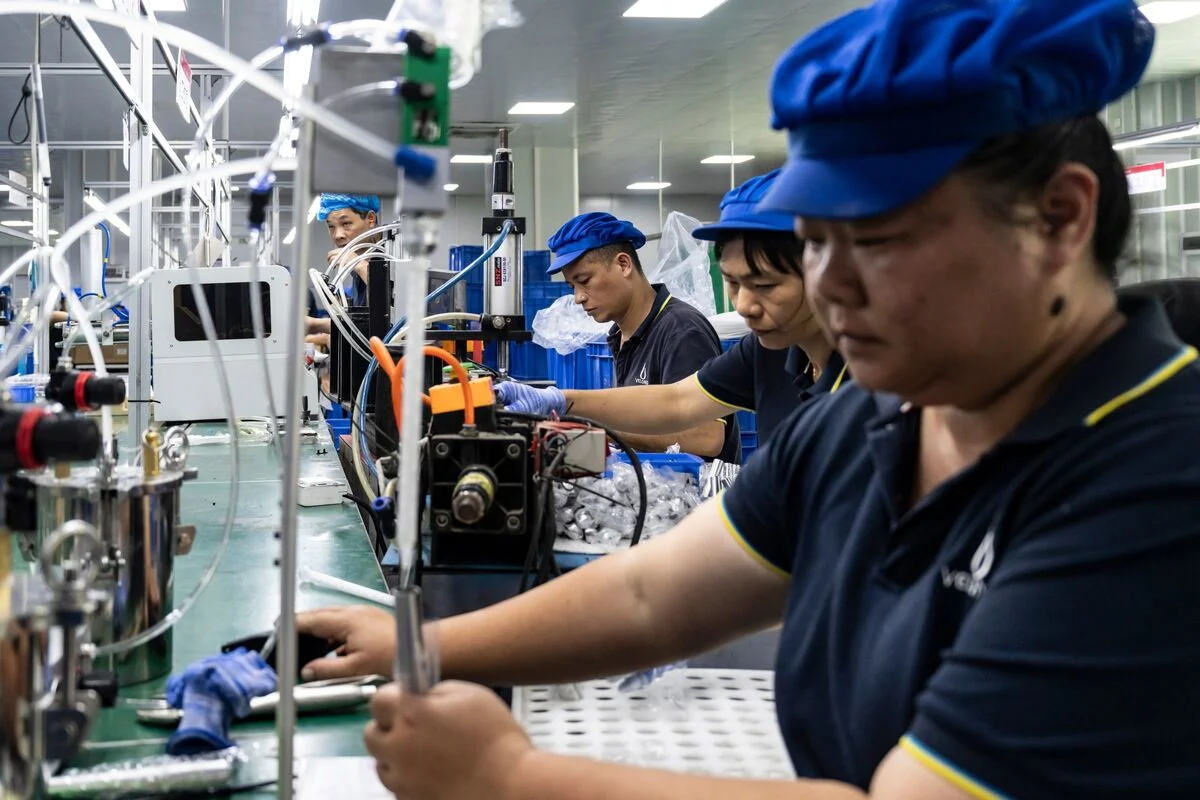
China's manufacturing activity in October grew less than expected, with the PMI slipping slightly and export orders dropping sharply due to trade uncertainties, though job creation accelerated. The slowdown reflects waning momentum as external trade tensions and holiday effects impact the economy, but recent US-China trade deal optimism may provide some relief.
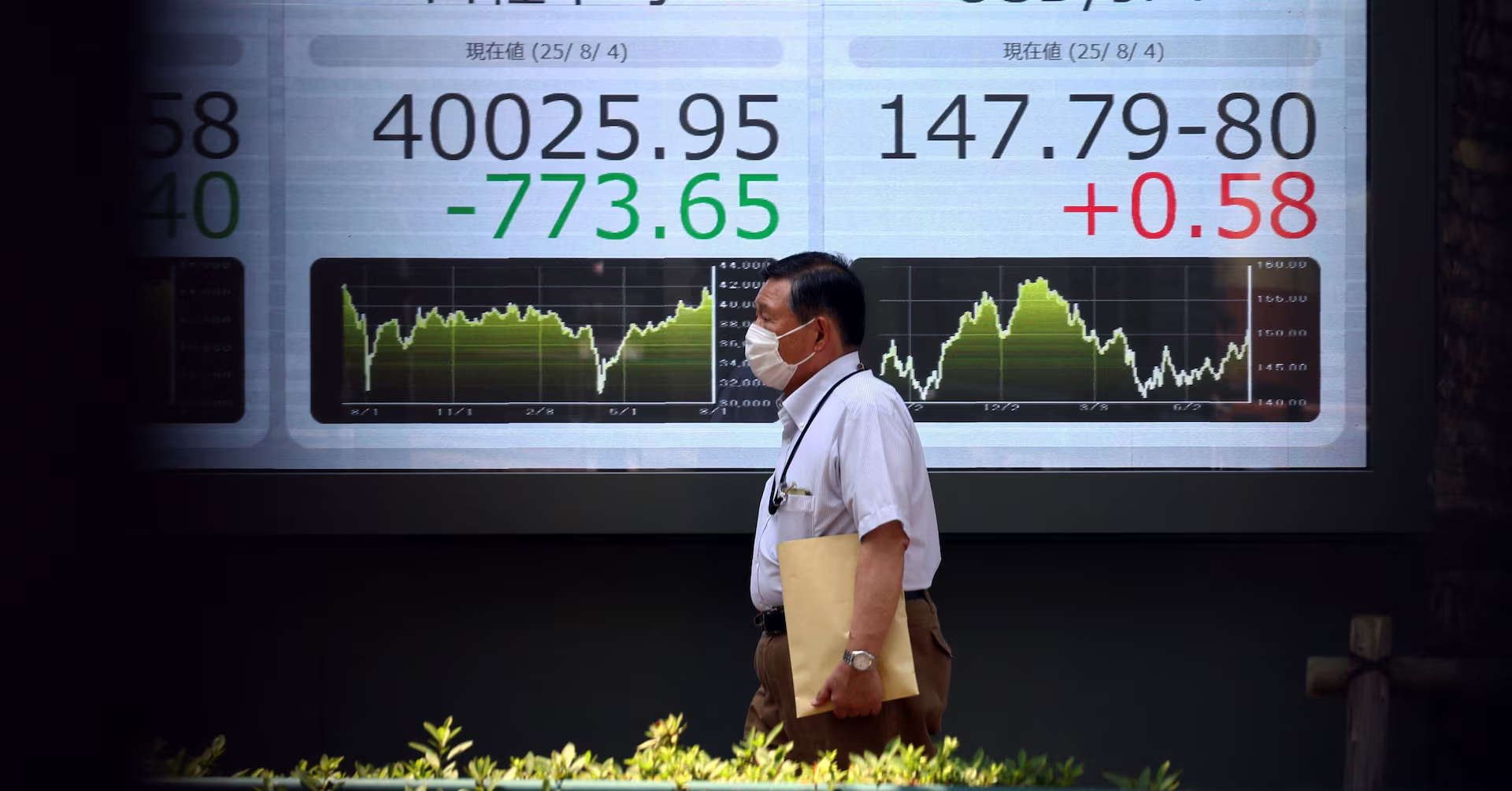
Asian shares and gold rose amid concerns over a US government shutdown that could delay key economic data, while oil prices fell due to increased OPEC+ production and China's ongoing manufacturing contraction.
China's official manufacturing PMI for September showed a smaller contraction than expected at 49.8, the strongest since March, amid efforts to address industrial overcapacity and sluggish domestic demand, while private surveys indicate a more optimistic outlook. The overall economic activity remains in contraction territory, with upcoming Politburo meetings expected to influence future policy responses.
China's manufacturing activity declined for the sixth consecutive month in September, with official PMI slightly improving but still indicating contraction, as firms await further government stimulus and clarity on a US trade deal. Meanwhile, private surveys show some export-oriented growth, reflecting mixed economic signals amid ongoing uncertainties and policy support efforts.
China's manufacturing activity has contracted for the fifth consecutive month in August, with the official PMI at 49.4, indicating ongoing economic slowdown amid trade uncertainties, sluggish domestic demand, and external pressures like U.S. tariffs and a property market downturn. Meanwhile, the non-manufacturing sector shows slight expansion, but overall economic momentum remains weak, prompting calls for more stimulus measures.
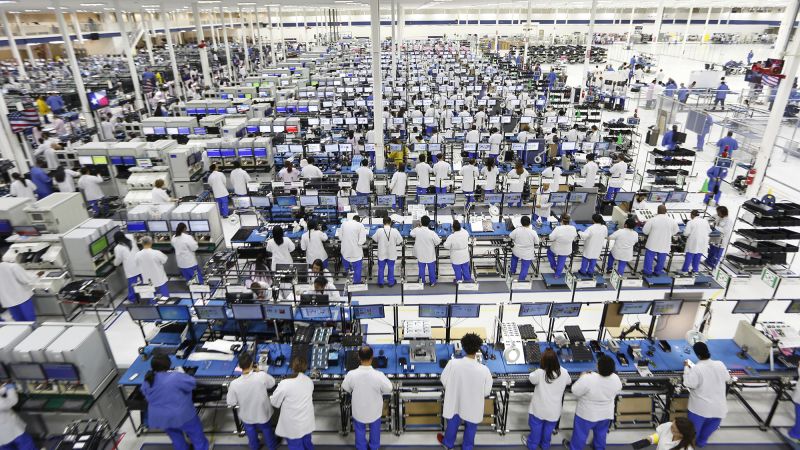
Motorola's attempt to produce smartphones in the US in 2013 failed due to high costs and a skills shortage, highlighting ongoing challenges for domestic electronics manufacturing amid tariffs and labor issues, with insights from former CEO Dennis Woodside emphasizing the importance of skilled workers and strategic planning.
China's manufacturing activity contracted more than expected in July, marking the fourth consecutive month of decline, influenced by seasonal factors, extreme weather, and ongoing US-China trade tensions, with key sub-indices like employment and new orders also shrinking.
China's manufacturing activity contracted for a third month in June, with slight improvements in some sub-indices, amid ongoing deflation and global trade tensions. Despite stimulus efforts, factory employment and inventories declined, but exports showed signs of rebounding following a trade truce with the U.S. The Chinese government is focusing on boosting domestic demand to counteract economic challenges, including falling consumer prices and profit declines in industrial firms.
China's private manufacturing gauge fell to its weakest level since 2022, reflecting a significant contraction due to ongoing trade tensions and tariffs, especially impacting small and medium-sized enterprises, despite a temporary US-China trade truce. The survey indicates declining new orders, export challenges, and reduced production, highlighting the need for government support to bolster domestic demand amid global economic uncertainties.
China's May manufacturing activity contracted at its fastest rate since September 2022, driven by declining export orders and ongoing trade tensions with the US, despite some government measures to stimulate the economy.
Asia-Pacific markets mostly rose on Friday as investors analyzed various economic data from the region. Japan's industrial output unexpectedly fell by 0.1% in April, while Tokyo's core inflation rose 1.9% in May. South Korea's industrial production increased by 2.2% in April, surpassing expectations. However, China's manufacturing sector contracted in May, with the PMI dropping to 49.5. Major indices in Japan and Australia saw gains, while China's CSI 300 and Hong Kong's Hang Seng index experienced slight declines.