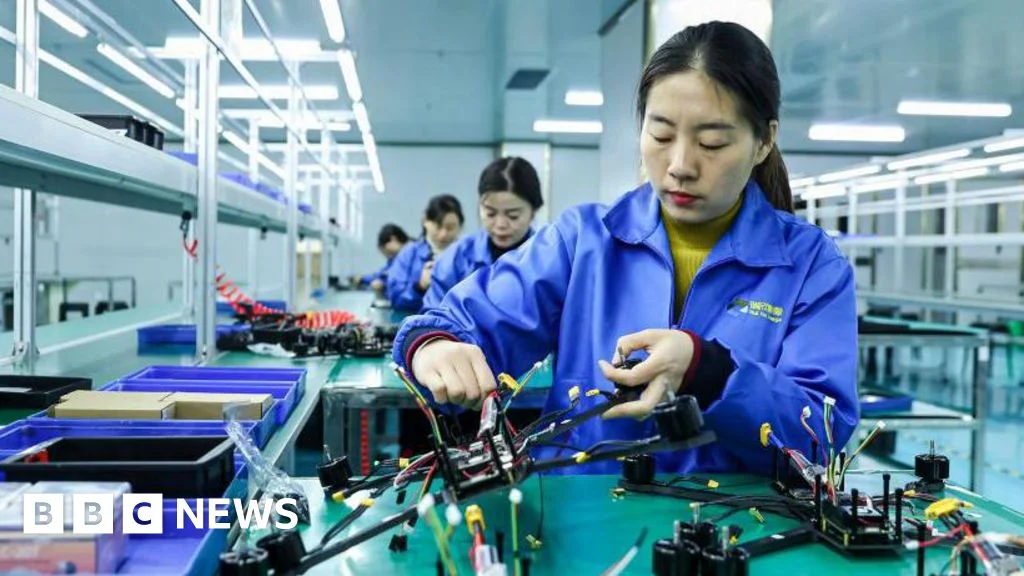
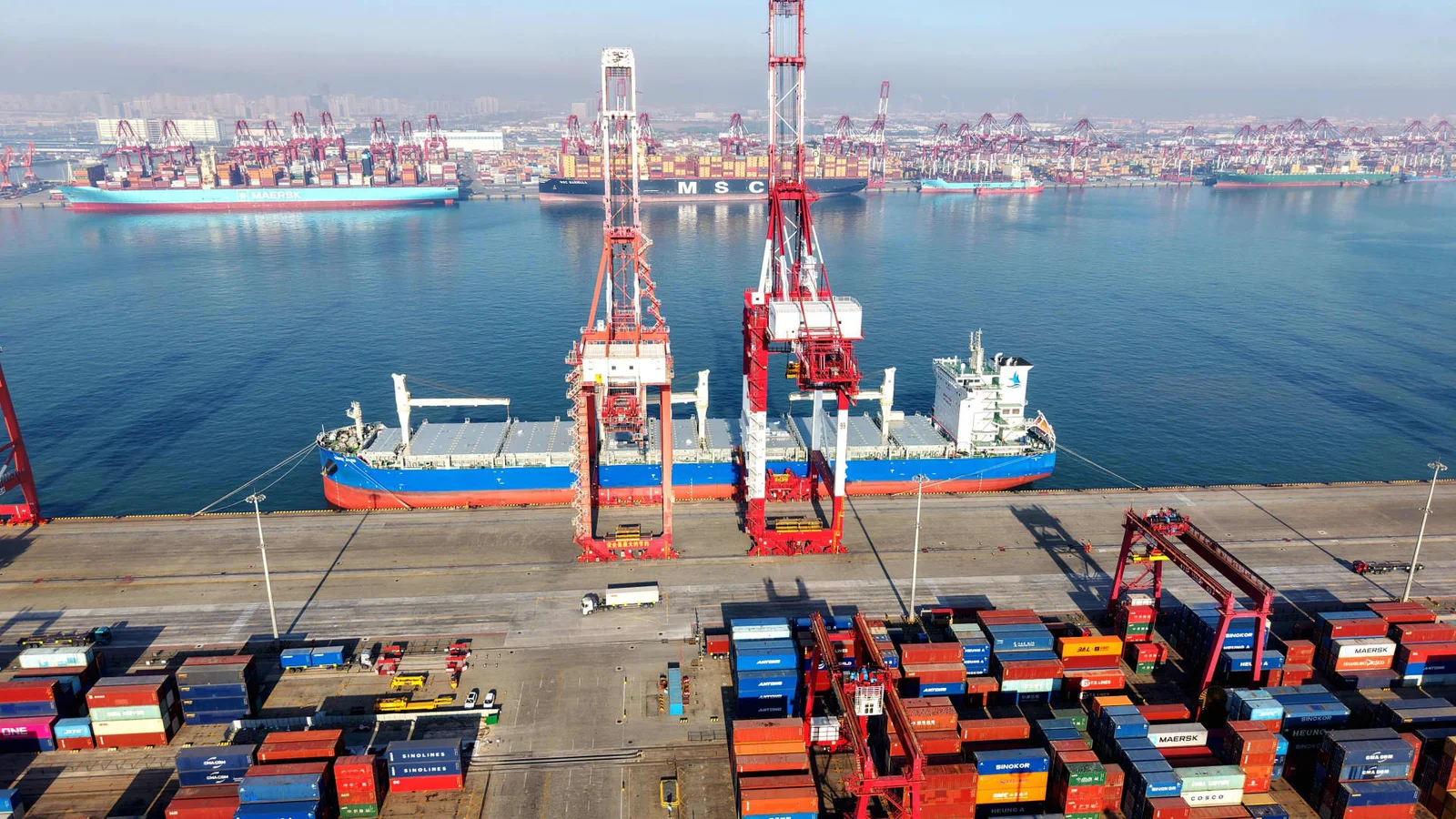
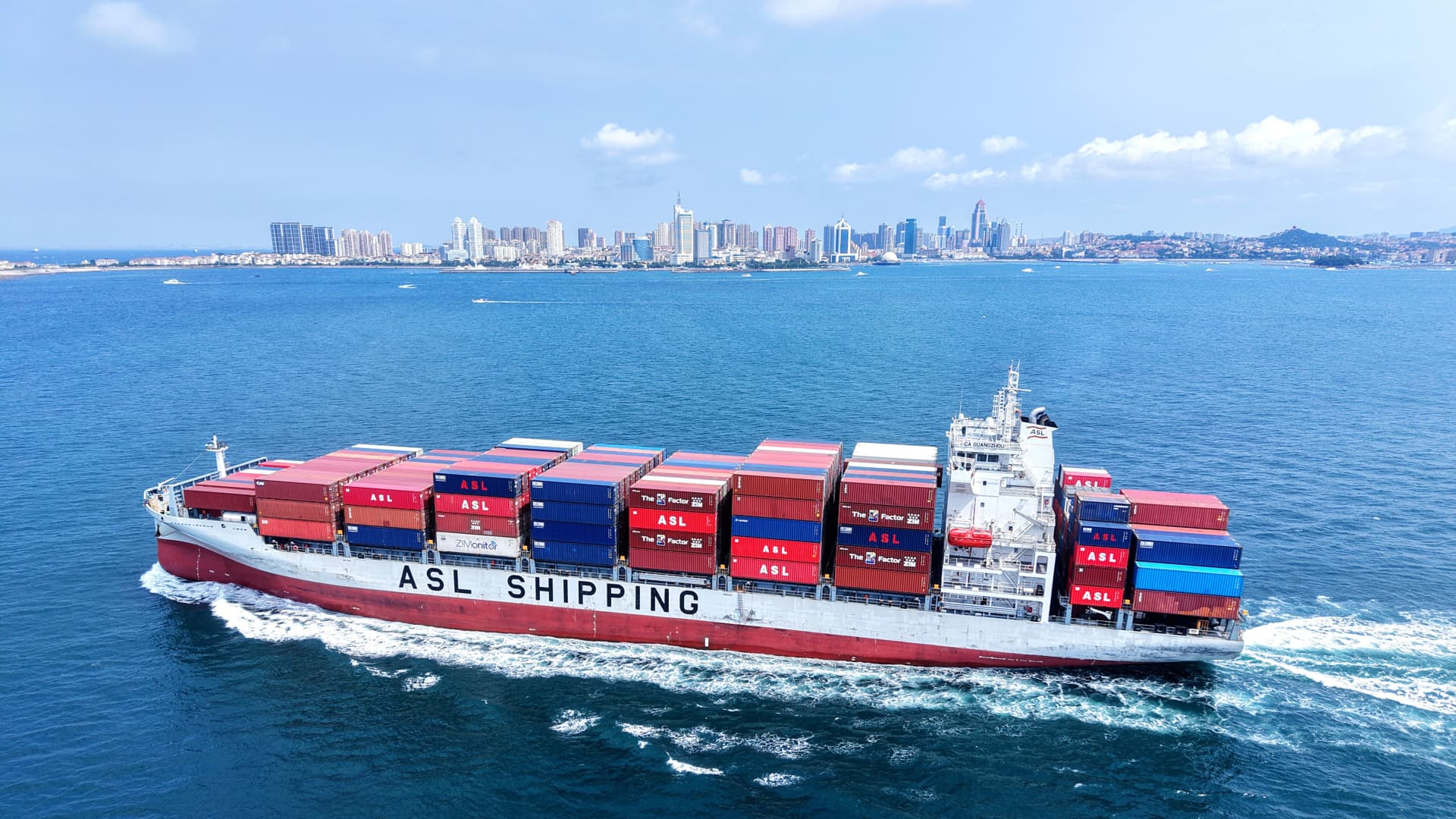
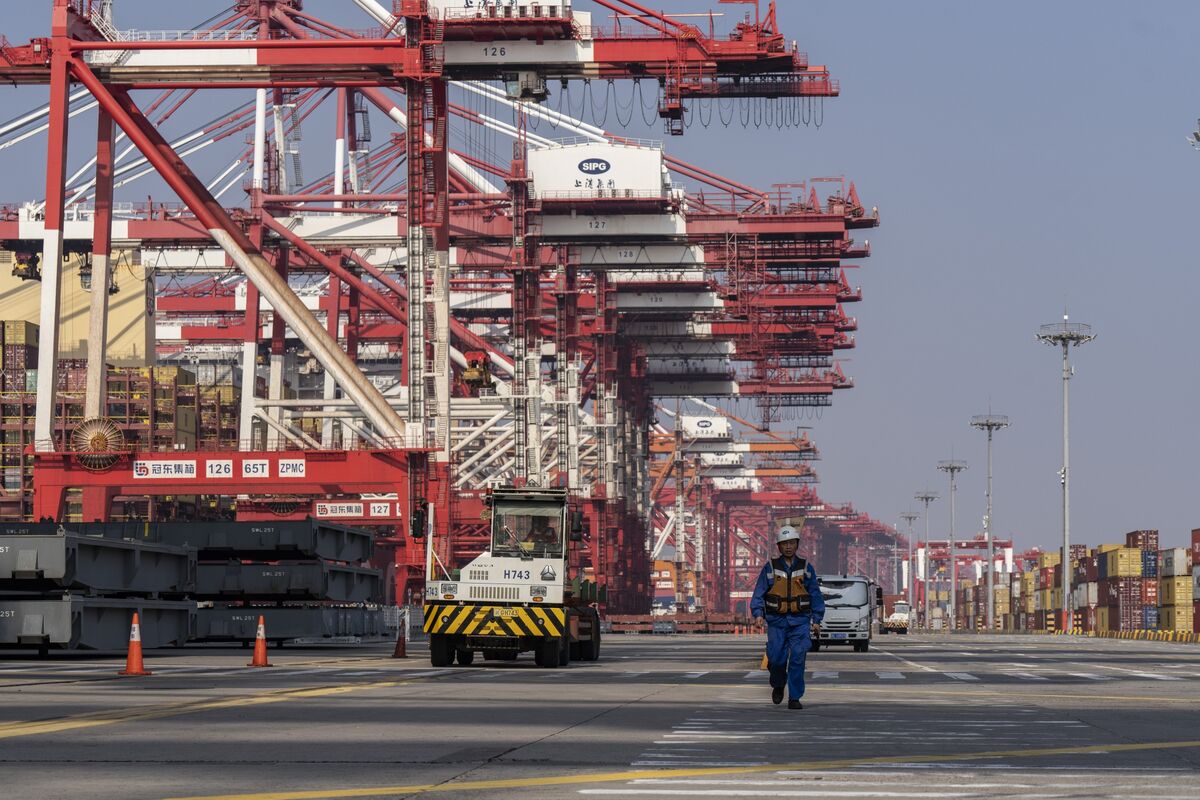
China met its 2025 GDP growth target of 5% as a record trade surplus—nearly $1.2 trillion—helped by strong exports even as domestic investment stayed weak and the population declined, highlighting an export-led boost during a US tariff war.
China’s record $1.2 trillion trade surplus is moving out of state coffers into the private sector, fueling a surge in overseas asset holdings and about $535 billion in private purchases of foreign securities. By late 2025, private Chinese investors held more than $1 trillion in foreign assets, signaling a major shift in global capital flows and raising the risk of a sudden reversal if the yuan strengthens or exporters repatriate funds. The private sector’s expanding footprint, aided by banks and FX channels, plus about 30% of trade now settled in yuan, suggests China could become a larger, more influential net creditor on the world stage.
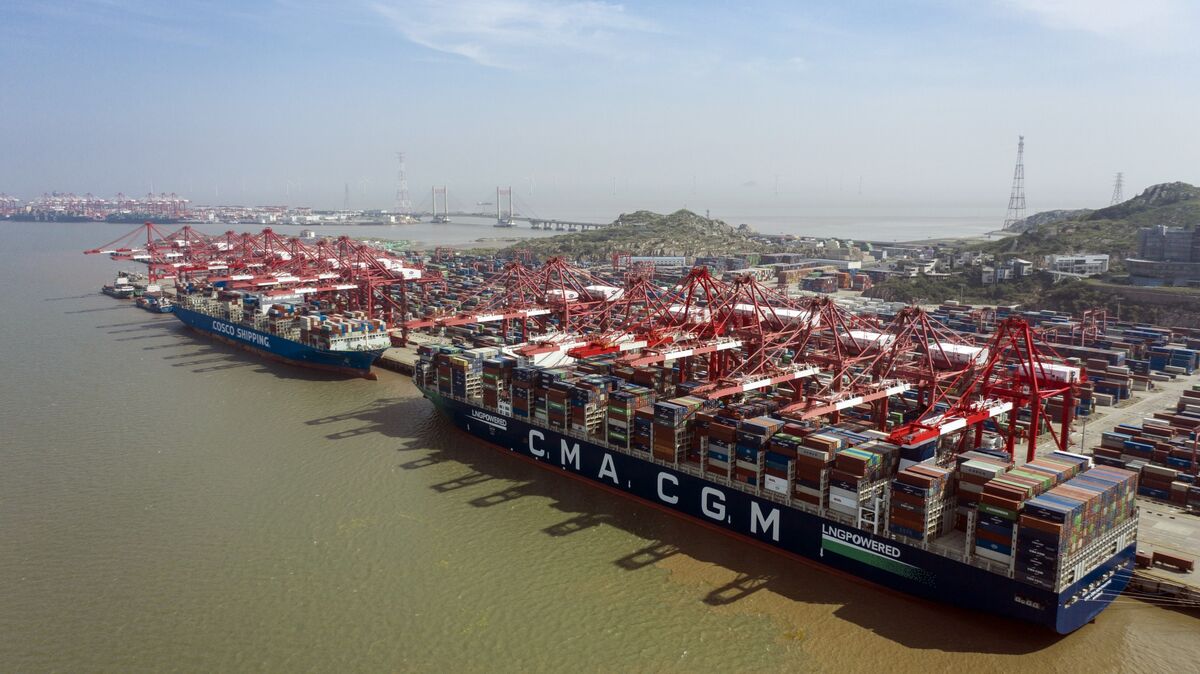
China posted a record $1.19 trillion trade surplus for 2025, the largest ever and the first time above $1 trillion, as exports rose despite U.S. tariffs. Growth came from demand outside the U.S. — especially Southeast Asia, Africa and Latin America — while imports barely grew amid a weak domestic market; a weaker yuan and Western inflation also boosted price competitiveness. Analysts call it a mixed blessing: signs of global demand for Chinese goods, but potential scrutiny as external conditions remain uncertain.
China posted a record 2025 trade surplus of about $1.19 trillion, up 20% from 2024, as December exports rose 6.6% and imports 5.7%; U.S. shipments fell 30% in December amid tariff tensions while full-year exports rose 5.5% and imports were flat. IMF projects 2026 growth around 4.4%.
China posted a $1.19 trillion trade surplus for 2025—the largest on record and up 20% from 2024—driven by a weak renminbi and booming exports to Europe, Africa and Southeast Asia, while imports were flat; despite U.S. tariffs shaving about 22% off the U.S. surplus, shipments to other regions surged as Beijing pursues self‑reliance ahead of its 2030 plan, with the IMF urging currency normalization and a shift toward stronger domestic demand.
Despite US tariffs, China has achieved a record $1.2 trillion trade surplus by increasing exports to countries like India, Africa, and Southeast Asia, causing concern among other nations and limited retaliatory actions due to ongoing trade negotiations and economic considerations.
China's July exports rose over 7%, surpassing expectations, while imports experienced their largest increase in a year, indicating a strong trade performance despite ongoing tariff negotiations with the US. The trade surplus also increased significantly, supporting the economy, although factory activity showed some slowdown.
China's export growth picked up in June, driven by a rebound in US-bound shipments after tariff reductions, leading to a record trade surplus of $586 billion in the first half of the year. Despite this, concerns remain over the sustainability of this growth amid rising global protectionism and US trade restrictions, including new tariffs on Vietnamese exports and transshipment efforts. The data offers a positive signal for China's economy, which is facing domestic challenges like deflation and a housing crisis.
China's trade surplus has surged to nearly $500 billion this year, driven by redirecting exports to Southeast Asia, Europe, and Latin America in response to US tariffs and domestic oversupply issues, leading to tensions and economic impacts worldwide.
The U.S. has added Ireland to its list of countries monitored for potential currency manipulation due to its large trade surplus with the U.S., driven by pharmaceutical and tech exports, amidst ongoing trade tensions and negotiations.
The article discusses the complex relationship between the US and the EU, highlighting the US right's skepticism towards the EU and the ongoing efforts to negotiate a trade deal amid tensions over trade surpluses and political differences.
China's trade surplus is poised to reach a record $1 trillion this year, intensifying global economic tensions. The surplus, which has already hit $785 billion in the first ten months, reflects a 16% increase from 2023. This growing imbalance in global trade could provoke reactions from major economies, including the incoming administration of President-elect Donald Trump.
Japan's exports surged to a record high in December, with shipments to China rising for the first time in over a year and sales to the United States reaching a record level. The trade balance came to a surplus of 62.1 billion yen, surpassing the median estimate for a deficit. Japan's imports fell 6.8% in December, contributing to the trade surplus. For the whole of 2023, Japan logged a trade deficit of 9.29 trillion yen, marking three consecutive years of deficit but shrinking by 54.3% compared to the previous year.
Asia-Pacific markets experienced a broad sell-off, with South Korea, Hong Kong, and mainland Chinese markets all seeing losses of about 2% each. This mirrored the decline on Wall Street as U.S. Treasury yields reached multiyear highs. Japan reported a surprise trade surplus for September, while Australia's unemployment rate fell to 3.6%. Hong Kong stocks slid as EV makers, including Tesla, reported disappointing results. The chief investment officer of South Korean tech giant Kakao was arrested for alleged stock manipulation during the company's acquisition of K-pop label SM Entertainment. The Bank of Korea held interest rates steady at 3.5%, and Australia's central bank reported a lower-than-expected unemployment rate of 3.6% for September.